What is the difference between fixed and adjustable column formwork?
When procurement teams evaluate concrete forming systems, one question consistently surfaces: what separates fixed column formwork from adjustable column formwork? Fixed systems feature pre-determined, rigid panel dimensions welded to exact column sizes, delivering consistent geometry across repetitive pours. Adjustable systems incorporate slotted connections and modular components that shift to accommodate varying column cross-sections on the same jobsite. Both types fall under the broader category of square column steel formwork, and choosing between them directly impacts your cycle time, surface finish quality, and long-term material cost per pour.


Understanding Column Formwork and Its Types
The main job of column formwork is to hold freshly mixed concrete in place under side hydraulic pressure while it hardens to a strong structural state. If you don't have a rigid container, concrete will slump, bulge, and lose the precise measurements that structural engineers show on models.
Steel became the most popular choice for this job because it doesn't bend easily under high-speed pumped pours where pressures regularly reach 60–80 kN/m². Wood deflects and soaks up water, which leads to buckling and grout leaks. Plastic isn't stiff enough for towers that are more than one meter tall. Steel, on the other hand, keeps its shape pour after pour.
Fixed Column Formwork
When making fixed panel systems, the width and height are always the same. During the manufacturing process, every dimension is locked in place by cutting, bending, and fully welding the sheet together. Fixed panels work best when column sizes are the same on hundreds of similar floor plans, which happens a lot in residential tower building because they can't be changed in the field.
Adjustable Column Formwork
Slotted hole patterns or telescoping connectors in square column steel formwork adjustable systems let the space between panels change in small steps, usually 50 mm. One set of panels can cover more than one column cross-section in the same building, which cuts down on the amount of inventory a contractor needs to buy or move. Because they are modular, adjustable systems are the best choice for mixed-use business projects where planners want different column sizes in different areas.

Key Differences Between Fixed and Adjustable Column Formwork
Knowing how these two systems are built and how they work differently helps procurement managers choose the right tool for the needs of their project. When buying from a business in the construction industry, these are the things that matter the most:
- Structural rigidity: Fixed panels don't drift in any way because there are no parts that can move in the assembly. Adjustable panels have small joint surfaces at the connection points. They need to be installed with precise pressure to keep the ±1 mm accuracy in dimensions that high-quality concrete finishes require.
- Setup speed: On regular column grids, workers can strip and rebuild fixed systems faster because they do the same steps over and over again. When column sizes change, adjustable systems need a short setting step. This can add 10–15 minutes to each setup on different projects.
- Inventory efficiency: When the sizes of columns change, a fixed panel set stops being used. Formwork rental companies that manage fleets of tools for multiple projects like adjustable panels because they can be moved from one phase of a project to the next without getting stuck.
- Per-unit acquisition cost: Fixed panels are cheaper per unit because they don't need any precision-machined modification parts to be made. Because making adjustable panels is more complicated, they require a slightly higher initial investment that is recouped over a wider range of uses.
These differences aren't just technical; they also affect how much you spend when you buy something. Fixed panels have a lower unit cost and a faster cycle time, which is good for a general builder who is building 400 identical home columns. A person who runs a rental fleet needs the cross-project flexibility that only changeable shape can provide.
Benefits and Use Cases of Square Column Steel Formwork
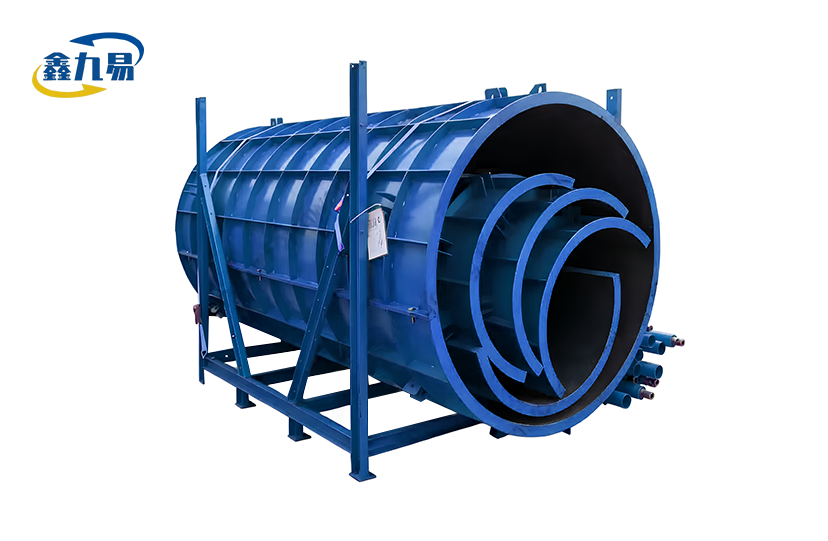
Column forming methods made of steel work better than options made of wood or plastic on a large scale. Panels made from Q235 cold-rolled steel plate and strengthened with channel steel and angle steel supporting ribs don't bend when a 3-meter pour of water is put on them. The full-welding process makes seams that are smooth and flush with the panel face. This gets rid of the grout pathways that cause surface pitting and honeycombing.
Here are some of the main ways that square column steel formwork improves job site performance:
- 300+ reuse cycles with proper care, spreading the cost of acquisition over the lifecycle of a project in a way that wood systems can't. Wood usually only lasts 5–10 pours before surface degradation affects the quality of the finish.
- Fair-faced concrete surfaces are made possible by controlling the flatness of the panel to within 2 mm across its whole face. This cuts down on or gets rid of the need for secondary sealing and the work that goes along with it.
- Anti-corrosion painted surface treatment that resists rust and shields panels from alkaline concrete and the weather, keeping their structural integrity over long-term project operations.
These benefits directly lead to cost saves that procurement pros can measure. By floor 5, the difference in cost-per-pour between steel and wood becomes big in a 20-story apartment building with 300 identical columns poured every three days.
Comparison with Other Common Formwork Materials
When procurement teams look at column making systems, they usually compare steel to three other materials: aluminum, plastic composite, and wood.
Wood is the easiest material to get around the world, but it can't be reused very often and can bend when it gets wet, so it's not a good choice for projects with more than 20 column pours. Plastic composite panels are light and don't rust, but they can't hold enough weight for poles higher than 1.5 meters when pumped concrete pressures are normal. Aluminum has a good weight-to-stiffness ratio and is commonly used in block and wall systems. However, because it easily dents, it's not ideal for column uses where exact measurements are needed.
Square column steel formwork can withstand lateral forces of up to 80 kN/m², keeps its dimensions within ±1 mm throughout its service life, and provides smooth finishes that other materials can't match at a similar cost. For business-to-business buyers who are in charge of buying things for multiple projects, steel's higher term value always explains the higher initial purchase price.
How to Choose and Procure the Best Square Column Formwork?
To find the right type of formwork for a project, you need to be honest about four things: the project's length, the budget, the strategy for managing the fleet, and the consistency of the column sizes.
Fixed-dimension panels are useful for projects where the column grids are the same on all floors. Adjustable systems are needed for projects with different building styles or rental businesses with a wide range of customers. Buyers on a tight budget who want the lowest price per unit prefer fixed panels, while operators who want to get the most out of their assets prefer flexible configurations.
When looking at different providers, make sure they have these important things: ISO 9001 certification that proves they have quality management systems; dimensional tolerance paperwork that shows they meet requirements to within ±1 mm; weld inspection records; and packing standards for shipping by container or truck. The lead times for normal widths (300–1600 mm) and heights (up to 3000 mm) should work with the plan for moving your project.
Conclusion
Ultimately, the choice between fixed and adjustable square column steel formwork depends on the consistency of the columns in your project, your budget for buying them, and how you plan to manage your fleet. On regular column grids, fixed panels offer speed and lower unit cost; movable panels, on the other hand, offer flexibility and asset efficiency across a wide range of project needs. Steel is still the best material for both setups when it comes to cycle economy and surface finish quality. Not only does the right supplier offer panels, but they also offer technical configuration help, reliable lead times, and quality documentation that can be checked.
FAQ
Does adjustable column formwork sacrifice structural strength compared to fixed systems?
No, when properly torqued, adjustable link hardware keeps panels as rigid as set systems. The important thing is to follow the fitting torque guidelines given by the maker. When you make an adjustment at Xinjiuyi, we make sure that the dimensions stay within ±1 mm throughout the whole range of adjustments.
How many reuse cycles should I expect from steel column panels?
When steel panels are kept in good shape, they can be used 300 times or more. Technique for stripping, storage conditions, and upkeep for surface treatments are all things that can change the cycle count. Our Q235 steel plates with a sprayed anti-corrosion treatment are made to last longer and be used on more than one project.
What column widths are available as standard sizes?
Most standard widths are between 300 mm and 1600 mm. Xinjiuyi has panels in widths of 300, 400, 500, 600, 700, 900, 1200, 1400, and 1600 mm. They can also be made to order in other sizes for structure plans that aren't standard.
Can these systems handle high-rise construction pour pressures?
Yes, steel column formwork can handle lateral pressures of up to 80 kN/m², which is enough for standard pumped-concrete pour rates in commercial and residential high-rise buildings.
Partner with Xinjiuyi for Reliable Square Column Steel Formwork Supply
Xinjiuyi sells enterprise-grade square column steel formwork to builders and distributors of building materials all over the world. Our panels have a ±1 mm tolerance on their dimensions, can be used over 300 times, and come in packaging that is ready to be put in a container. Get in touch with our technical team to get a price on a setup that fits your column measurements and project timeline. You can email us at global@xjy8.com or go to xjy8.com to see all of our products.
References
1. American Concrete Institute. ACI 347R-14: Guide to Formwork for Concrete. ACI, 2014.
2. Peurifoy, R. L., & Oberlender, G. D. Formwork for Concrete Structures (4th ed.). McGraw-Hill, 2011.
3. Hurd, M. K. Formwork for Concrete (7th ed.). American Concrete Institute, 2005.
4. Gambhir, M. L. Concrete Technology: Theory and Practice (5th ed.). McGraw-Hill Education, 2013.
5. Construction Industry Research and Information Association (CIRIA). Formwork: A Guide to Good Practice (3rd ed.). CIRIA, 2012.
6. Chudley, R., & Greeno, R. Building Construction Handbook (12th ed.). Routledge, 2020.