When Does a Ladder Require a Cage? - Fall Protection
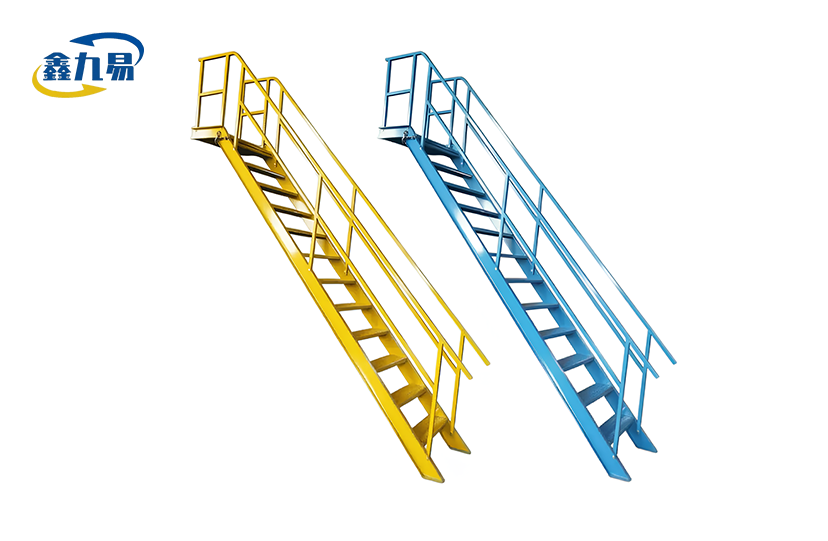
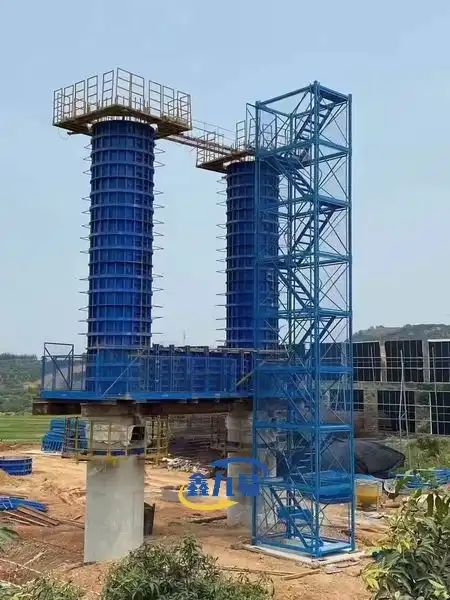
According to OSHA rules, any fixed ladder that was longer than 24 feet without breaks had to have a cage or well. However, new rules make personal fall arrest systems or ladder safety systems the most important for new installations. With horizontal hoops and vertical bars that make a small climbing space, a construction ladder cage acts as a safe cage around fixed vertical ladders. This important safety structure keeps workers from falling backwards as they go up or down. This is especially important on deep dig sites, bridge pier construction sites, and high-rise building sites where going up or down is dangerous.
Understanding When a Ladder Requires a Cage
Most choices about installing ladder cages are based on following the rules. The Occupational Safety and Health Administration set clear limits: cages had to start seven to eight feet from the base of any ladders installed before November 2018 that had climbing heights above 24 feet. Recent changes to OSHA 1910.28 have put more emphasis on personal fall arrest systems or integrated ladder safety systems. However, cages are still often used because they offer passive protection and are reliable in harsh conditions.
OSHA Standards and Height Requirements
OSHA's system takes into account the fact that fall risks become much higher above a certain height. The 24-foot limit comes from decades of data on workplace injuries that show more people die when they climb unprotected ladders at high levels. Even though newer rules encourage other fall protection technologies, many project managers still choose caged ladders because they don't depend on workers being engaged or using harnesses correctly—the cage automatically confines the worker, even if they make a mistake.
International Safety Regulations Across Markets
Outside of the United States, ANSI A14.3 standards control how ladders are made and how they are used. In Europe, EN ISO 14122-4 rules apply. There are some rules that all of these international frameworks agree on. For example, vertical access points must have fall protection when they are higher than a certain height, materials must be able to handle environmental stresses, and designs should keep users from getting too tired during long climbs. For vertical access equipped with a construction ladder cage, the same principles apply regarding fall clearance, structural integrity, and user fatigue. When purchasing equipment for international projects, procurement managers can find suppliers that make the products to more than one certification standard at the same time, including those that integrate a construction ladder cage designed to meet multiple regional codes. This makes sure that the products are compliant in all areas.
Safety Benefits: Reducing Fall Risk and Building Confidence
It's important to recognize the psychological impact of safety gear. When workers climb a fully enclosed ladder system, they are much more confident and don't hesitate as much as when they use open ladders with only harness systems. This confidence leads to more efficient work and fewer delays that are caused by worries about safety. Cage hoops create a physical barrier that stops backward falls, which are the most common type of ladder accident. They also provide handholds during bad weather, when wind or rain makes it hard to keep your grip.
Construction Ladder Cage Specifications and Dimensions
The technical details of a construction ladder cage tell you if it meets the needs of the job. Modern modular designs have section lengths that can be changed, usually between 2000mm and 3000mm per segment. Overall widths of around 2000mm provide enough room for climbing without using too much material. These measurements strike a balance between worker comfort and structure efficiency. This way, climbers will never feel squished, and shipping and installation will be easy.
Material Selection: Galvanized Steel and Aluminum Options
The choice of material has a big effect on how long something lasts and how much maintenance it needs. Heavy loads don't damage high-strength galvanized steel cages, and they don't rust in chemical or coastal environments. For the main poles of our systems, we use 80mm x 80mm rectangular tubes with 3.0mm wall thickness. These tubes are very strong against horizontal wind loads. Angle iron frames that are 30 mm wide and 2.5 mm thick hold up protective mesh panels, making complete barriers against falls. Galvanization, whether hot-dip or electro-galvanized, makes things last longer than 20 years, even in environments that are corrosive. This lowers the total cost of ownership compared to replacing less durable materials more often.
For temporary installations or projects that need to be moved around a lot, aluminum alloys are lighter. Aluminum cages aren't used as much in permanent infrastructure, but they are useful in certain situations where the load-bearing ability of supporting structures limits the choices.
Design Criteria: Hoop Spacing and Structural Integrity
To keep the protective continuity, engineering standards say how far apart the hoops can be. Horizontal bands should show up every 48 inches or so vertically, so there aren't any gaps big enough for a worker to fall through. Around the outside, vertical bars are usually spaced 300 mm to 400 mm apart, and panels with welded wire mesh 75 mm holes fill in the spaces between the structural elements. This two-layer system stops both body falls and tools or materials that could hurt people below.
The structural calculations take into account the forces that happen when a climber loses their balance and falls into the cage. Stronger connection points are built into high-quality systems using 90mm x 90mm tubes that are 4.0mm thick, and bolted joints are used in addition to welded construction. This extra safety feature gets rid of the chance of a single point of failure that comes with bad designs.
Installation and Compliance for Ladder Cages
If you install a construction ladder cage correctly, it will work as it should in an emergency. The first step is to make sure that the host building can handle the dead weight of the cage assembly plus the dynamic forces caused by people rising and wind pressure. Anchor points need to be looked at by engineers, especially when adding cages to old ladders that weren't made to hold extra things.
Step-by-Step Installation Process
In order to prepare a site, exact vertical runs must be measured and blocking points must be found so that standard parts can be changed. In this stage, modular systems really shine because the sections connect with bolt-on assembly instead of field welding. This cuts down on installation time by a huge amount and gets rid of the need for hot-work permits in sensitive areas.
Assembling goes from the bottom to the top, with each piece being levelled and locked in place before the next one is added. Anti-slip treads that are 2.0 mm thick are placed at regular intervals, usually 280 mm to 300 mm between steps, to match the way people naturally walk. Protective mesh panels are attached last, and connecting plates that are 5 mm thick make sure that the panels are securely fastened and won't come loose after many climbing cycles.
OSHA Compliance Checklist for Ongoing Safety
Maintaining compliance goes beyond the initial setup. Every three months, safety officers should check the stability of the cage by looking for things like hoops that have sagged, corrosion at the weld joints, loose bolts, and mesh parts that are damaged. Inspection dates, findings, and corrective actions must be written down according to documentation protocols. This is important evidence for safety audits or incident investigations.
The checklist should confirm the right clearance measurements to make sure climbers have enough space inside to avoid snagging their gear or clothes. It's also important that the lighting is right. Vertical paths need lighting that meets the minimum lux levels required by safety rules. This is especially important in enclosed shafts or when working at night.
Maintenance and Inspection Protocols
Regular care keeps structures in good shape for decades of use. When looking at galvanized surfaces, make sure the coating hasn't come off. If it does, apply touch-up paint right away. Bolt tension checks stop vibrations from slowly loosening bolts, and lubricating parts that can be taken apart makes sure they can be put back together easily when a project is finished.
Monitoring the environment finds patterns of faster wear. Salt spray can be a problem at coastal sites, acidic air can be a problem at chemical plants, and scratchy dust can be a problem at stations in the desert. Adapting the level of upkeep to the conditions of the place ensures that resources are used most efficiently without compromising safety.
Procurement Guide for Construction Ladder Cages
When making strategic purchases, people weigh the needs of the project right now against the creation of long-term value. Buying teams look at cage systems from a number of angles, including how well they meet regulations, how well they work in certain environments, how much they cost, how quickly they can be delivered, and how reliable the seller is. Modern construction projects are very complicated, so vendors need to be able to offer full solutions instead of just shipping products.
Evaluating Project-Specific Requirements
Each program has its own problems. Construction ladder cages that can handle water and soil need to be used in deep excavation projects. This usually means that the cages need to be coated with epoxy or enhanced galvanization. When building a bridge pier, tools are exposed to high and low temperatures and UV rays, so the materials used must not crack or fade. Installations in tunnel shafts are done in small areas with little natural light. Using high-visibility yellow and black for the cages makes people more aware of safety.
Fixed Versus Removable Cage Systems
Height requirements have a direct effect on what people buy. For projects with depths or heights greater than 30 meters, section amounts must be carefully calculated, taking into account possible rescue routes and exit routes in case of an emergency. Modular designs with 2000 mm height increments make it possible to match the exact dimensions of the site without having to pay a lot for custom fabrication.
Permanent installations are a good reason to buy strong fixed cages made of heavy-gauge materials and welded construction. These systems become part of the building's infrastructure and are used for decades to keep things in good shape. The higher initial cost is spread out over longer service lives, which is good for lifecycle economics.
Supplier Selection and Bulk Ordering Benefits
For short-term projects, portable cage designs that stress easy setup and high reuse are helpful. Bolt-together design lets you take it apart completely without hurting any of the parts, so you can use it on different job sites. Rental programs are another option. They turn capital expenditures into routine costs and get rid of the need for storage and repair during downtime.
To find reliable suppliers, you need to look at their manufacturing credentials, quality certifications, and delivery history. ISO 9001 certification means that quality management systems are in place, and ISO 45001 certification means that a company is committed to health and safety at work throughout the entire production process. Maintaining ISO 14001 environmental certifications shows that suppliers are committed to using sustainable production practices, which is becoming more and more important as ESG factors affect purchasing choices.
In addition to lower unit prices, ordering in bulk has other big benefits. Large buyers get priority scheduling during busy construction times, which makes sure they get their orders on time when project deadlines get squished. For large accounts, suppliers often offer better technical support, such as on-site installation help and personalized engineering support. Building long-term relationships builds trust and speeds up future procurement cycles by making it easier to specify requirements and setting prices that are more favorable.
Comparison and Decision-Making: Selecting the Best Ladder Cage
The selection process gets harder as the number of options increases. Project managers have to find a balance between four different goals: maximizing safety performance, keeping costs low, making installation easier, and reducing the need for upkeep. Systematic comparison methods help you find the best answers for each situation by navigating these choices.
Safety Performance Analysis
All compliant construction ladder cage systems meet basic safety standards, but there are differences in how well they work. Compared to open-framework options, fully enclosed designs with small gaps offer better safety against falls and thrown items. Adding intermediate platforms at regular intervals—every six to eight sections—makes it easier to rest during long climbs and lowers the risk of accidents caused by fatigue.
Cost-Effectiveness Across Lifecycle
The properties of a material affect how safe it is in harsh conditions. Steel cages stay together better during fires than aluminum ones, which is very important in industrial settings where there is a chance of sparks. On the other hand, aluminum that doesn't spark works well in explosive environments where steel's tendency to spark when it hits something is too dangerous.
The initial buying price is only one part of the total costs of owning. Maintenance costs, the number of times equipment needs to be replaced, and downtime caused by broken equipment add up over many decades of use. High-quality systems that cost more often end up being a better deal because they last longer and need less upkeep. The Construction Ladder Cage, for example, illustrates this principle clearly: while its upfront cost may be higher, its durable design reduces replacement frequency and minimizes downtime, making it a more cost-effective choice over the long run.
To find the true cost-effectiveness, you have to guess how the system will be used and what stresses it out in the environment. If a cage is constantly exposed to corrosive industrial fumes, it needs to be inspected often and could be replaced early if it was made from low-quality materials. By buying high-quality choices that don't rust up front, you can avoid these ongoing costs and keep them available at all times.
Installation Complexity and Time Requirements
During installation, labor costs can be higher than material prices, especially in hard-to-reach or rural places. This is easier with modular systems that are made to be put together quickly. Usually, experienced crews can finish installations in hours instead of days, which cuts down on project schedule impacts and the costs that come with them.
For some designs, installation doesn't need any special tools, but for others, positioning the upper parts needs cranes or platforms. When access to a project site is limited, lightweight, human-portable parts that teams can move through tight spaces and place by hand are preferred.
Conclusion
Understanding legal requirements, assessing project-specific risks, and choosing the right protective methods are all parts of figuring out when ladders need cages. OSHA sets basic standards around the 24-foot line, but good safety management usually goes above and beyond those. Modern construction ladder cage systems offer full safety through engineered designs that combine strong structure, resistance to corrosion, and modular adaptability. By balancing safety performance, lifecycle costs, and supplier capabilities when making procurement decisions, companies can keep their workplaces compliant and protect their most valuable asset: their employees.
FAQ
1. What height triggers mandatory cage installation under current regulations?
In the past, OSHA required cages on fixed ladders that were more than 24 feet long, measured from the top of the ladder to the bottom. New installations must now have either personal fall arrest systems or ladder safety systems that meet updated standards under 1910.28. Construction ladder cages are still legal and generally chosen because they protect without the user having to do anything.
2. Can existing ladders be retrofitted with cage systems?
Retrofitting is possible if the original structure of the ladder can support the extra weight of the cage and the forces needed to connect it. Retrofits can be done with modular bolt-on cage kits without making any permanent changes. However, an engineering assessment should be done to make sure the structure is strong enough before installation so that existing anchor points don't get overloaded.
3. How frequently should installed cages undergo inspection?
Inspections should be done every three months on busy building sites, and they should be done every month in harsh settings with corrosive air or extreme weather. Inspection dates, problems found, and actions taken to fix them should all be written down in paperwork. This creates audit trails that show ongoing commitment to compliance.
Partner with Xinjiuyi for Superior Construction Ladder Cage Solutions
Xinjiuyi has engineered construction ladder cage systems that meet international standards and are ready to meet your vertical access safety needs. Our modular designs are made with hot-dip galvanized steel, which gives them a 20-year service life. The sizes can be changed to fit the needs of each job, from getting to foundation pits to building high-pier bridges. As a company that makes construction ladder cages and has ISO 9001, ISO 45001, and ISO 14001 certifications, we offer both high-quality products and quick technical support. Contact our team at global@xjy8.com to talk about options for buying in bulk, get full project specifications, or set up a meeting with one of our safety engineering experts who are committed to keeping your employees safe.
References
1. Occupational Safety and Health Administration. (2017). "Walking-Working Surfaces and Personal Protective Equipment (Fall Protection Systems)." Federal Register, Vol. 82, No. 85.
2. American National Standards Institute. (2016). "ANSI A14.3: American National Standard for Ladders – Fixed – Safety Requirements." American Ladder Institute.
3. International Organization for Standardization. (2016). "ISO 14122-4: Safety of Machinery – Permanent Means of Access to Machinery – Part 4: Fixed Ladders." Geneva, Switzerland.
4. National Institute for Occupational Safety and Health. (2018). "Preventing Falls from Heights in Construction: A Guide to Selecting Fall Protection Systems." DHHS Publication No. 2018-123.
5. European Committee for Standardization. (2017). "EN ISO 14122: Safety of Machinery – Permanent Means of Access to Machinery. "Brussels, Belgium.
6. American Society of Safety Professionals. (2019). "Best Practices for Ladder Safety in Industrial Environments." Professional Safety Journal, Vol. 64, Issue 3, pp. 42-48.