Tower Crane Maintenance: How to Keep Yours in Top Condition
Maintaining tower crane operations at peak performance demands more than routine checks—it requires specialized access equipment that transforms high-risk maintenance activities into controlled, efficient procedures. A properly designed Tower Crane Maintenance Platform serves as the foundation of this safety-first approach, providing technicians with stable, ergonomic access to critical components including jib sections, slewing mechanisms, and counter-jib assemblies. This specialized working surface addresses the three core challenges facing modern construction sites: eliminating fall-from-height incidents during wind-exposed operations, managing tools and parts at extreme elevations, and ensuring consistent access to mechanical systems without operational delays. When your maintenance team gains reliable high-altitude access, you reduce downtime, enhance regulatory compliance, and protect your workforce from preventable accidents.
Understanding Tower Crane Maintenance Platforms: Essential Concepts
Tower Crane Maintenance Platforms are specialized safety options made just for high-altitude service work. When temporary platforms and rope access aren't reliable or effective enough, these structure systems provide a safe base.
What Defines a Professional Maintenance Platform?
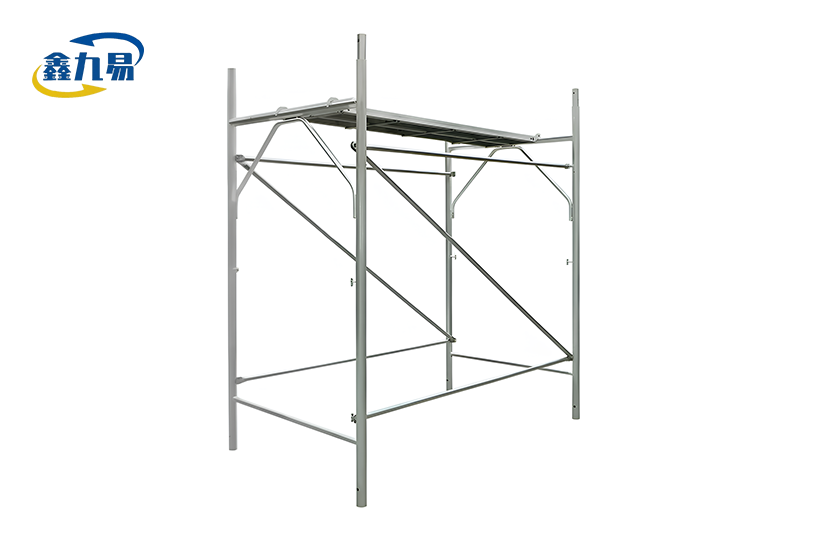
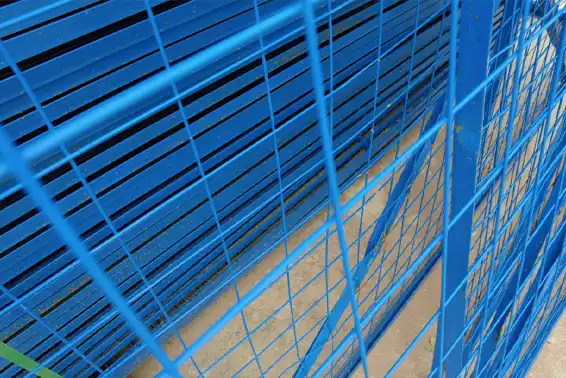
Professional-grade platforms are both structurally sound and easy to use. The main frame is made of high-strength galvanized rectangular tubes and angle steel, which gives it a great ability to hold a lot of weight and keep its shape over time. Patterned steel plates or non-slip steel grating keep techs' feet from moving when it's wet or when hydraulic fluid makes areas slippery. Guardrails made of welded wire mesh with 50 mm gaps between the holes protect against falls without getting in the way of tools or making it hard to see when making fine adjustments.
Specifications for load ability are very important in real-world situations. Standard platforms that can hold up to 200 kg can hold techs and all the tools, extra parts, and diagnostic equipment they need. With this weight limit, two-person maintenance teams can work together on complicated fixes involving heavy parts like motor housings or brake systems.
Common Platform Challenges and Mitigation Strategies
There are three problems that maintenance systems keep running into that make them less safe to use. If you don't fix it, repeated loading cycles can cause structural wear that can weaken the platform. Checking the torque on fasteners every three months keeps connections from coming loose during normal activities that are caused by crane movements. When platforms connect to tower sections, they need extra stability at the connection point. This is because universal clamping systems made for different crane models need to keep the engagement secure without damaging the original structural members.
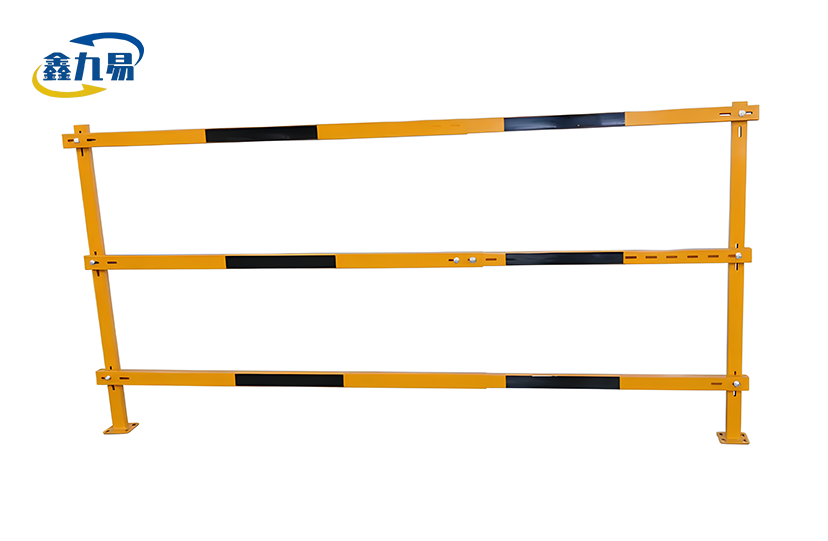
Falling is still the biggest worry for everyone who works at high elevations. Integrated safety features, such as toe boards, stop tool-drop accidents that could hurt people on the ground, and 650 mm-wide encircling fence stops people from accidentally approaching the edge. The yellow and black warning paint treatment makes it easier to see, so workers can find the edge of the platform even when it's dark or rainy outside.
Protocols for regular inspections of Tower Crane Safety Ladder protect against damage that happens over time. Checking the soundness of the galvanized surface visually can find rust early on, especially at welded parts where protection coatings may wear away. Ultrasonic Testing and other non-destructive testing methods make sure that major load-bearing welds don't have any stress cracks that can't be seen with the naked eye.
Best Practices for Using and Maintaining Tower Crane Maintenance Platforms
Effective platform utilization includes more than just construction; it also includes detailed operating processes that keep people safe and extend the life of equipment.
Installation Considerations for Long-Term Performance
Installing something correctly sets the stage for years of solid service. Modular platforms are very helpful for projects that need to be reconfigured often or deployed in more than one place. The fully detachable design makes it easy to move from one place to another and makes assembly on-site simple, without the need for special lifting equipment or welding.
Before letting people use the equipment, installation teams have to check a number of important factors. Attachment points to tower crane parts need to be analyzed for load distribution to make sure that structural loads can be safely transferred thru the current crane framework. Clearance verification keeps moving parts or load paths from getting in the way of normal crane operations. The wind load calculations take into account the area of the platform that is exposed to lateral forces. This shows that the added weight and wind resistance are still within the ranges specified by the crane manufacturer.
The choice of material affects both how well it works at first and how long it lasts over time. The strength-to-weight ratio of Q355B structural steel is just right for large work surfaces without adding too much deadweight that makes it harder for cranes to lift. Hot-dip galvanization that follows ISO 1461 guidelines makes zinc coatings that are thicker than 85 microns. These protect against C4 and C5-M corrosive environments that are common in seaside building zones or industrial sites where chemicals are present.
Routine Inspection and Maintenance Protocols
Inspections that are planned ahead of time find new problems before they become safety risks or business failures. During busy building phases, eye checks are done once a week to check the stability of the protective coating, the state of the surface, and the security of the connections. Every month, thorough checks record any changes to the structure, loosening of fasteners, or surface rust that needs fixing.
Specific weak spots should be included on inspection checklists. The edges and corners of the platform are put under a lot of stress from technicians moving and placing tools. These areas should be closely checked for cracks or deformation. Attachment gear like nuts, clamps, and supports must always be tightened to the right torque levels, and any loosening must be fixed right away. Non-slip surface treatments wear down over time from foot traffic and tool contact, so the material needs to be checked and fixed every so often when the grip properties get worse.
Documentation techniques help with both managing safety and following the rules. Keeping detailed records of inspections shows that you did your job during safety audits and gives you past data that shows trends in damage or wear. Photographs show how conditions change over time, which helps with decisions about replacing parts or retiring a platform.
Using safety tools together improves defense during maintenance work. Personal fall arrest devices with anchor points let techs stay completely tied off even when they're moving across platform surfaces or beyond the safety of guardrails. Equipment binding systems keep tools from falling, which is a very important safety measure because even small hand tools dropping from tower cranes are very dangerous at ground level.
Choosing the Right Tower Crane Maintenance Platform for Your Business
Purchasing choices affect both the needs of the current project and the ease of operations in the long run. When you look at platforms based on more than one factor, you can be sure that the one you choose will meet the needs of your site and your budget.
Evaluating Manufacturer Credentials and Product Quality
The choice of supplier has a big effect on how well the tool works and how much help is available. Manufacturers who have ISO 9001 certification keep quality control systems in place to make sure that production standards are always met. When a company gets ISO 45001 certification, it means they care about worker health and safety throughout the whole manufacturing process. When they get ISO 14001 certification, it means they care about the environment when they source materials and make things.
There are design elements that set basic platforms apart from designed safety options. Ear-plate-free mounting designs get rid of parts that can be taken off and put back on, which can cause falls or weak spots in the structure. Welded frames made of thicker steel are better at resisting impact than frames made of lighter steel. They can handle accidental tool drops or equipment hits better. Mounting brackets that reduce vibrations keep the structure stable during heavy slewing operations. This lowers the fatigue loading that shortens the service life.
The ability to provide technical help for Tower Crane Maintenance Platform is very important during startup and for as long as the platform is in use. Manufacturers who offer pre-sales design advice can make solutions that fit the specific needs of a project, like non-standard measurements or custom attachment setups. Having access to engineering tools lets you do things like load estimates, wind analyzes, and structural checks that help get permits and safety approvals.
Modular Versus Fixed Platform Systems
Configuring a platform changes both how it works and how much it costs to own. Modular systems work best in building sites that are always changing, where tools are often moved from one job to another or rearranged to fit different crane models. Interchangeable parts mean you don't have to keep as many extra parts on hand, and standard links make it easier to put things together in the field without special tools or a lot of training.
Fixed platforms can be put on cranes for long periods of time to serve long-term projects or permanent industrial buildings. Welded construction gets rid of connection points that need to be checked for torque all the time, which cuts down on maintenance work. The lack of removable fixings makes it less likely that parts will get lost or broken during the working life of the platform.
For load capacity matching to work, real repair tasks need to be carefully looked at. Platforms that are used for regular lubrication and visual checks have different needs than platforms that are used to change major components that require heavy parts and special tools. When specifications are matched to operational reality, both under-capacity situations that put safety at risk and over-capacity designs that add extra weight and cost are avoided.
Dimensional issues match the need for working area with the effect on crane performance. Platforms with length and width of 3000 mm or 4000 mm give techs and tools plenty of room without putting too much weight on the wind or getting in the way of crane operations. Height limits of about 1200 mm provide enough guardrail protection while keeping the ergonomics of the work area comfortable.
Regulatory Compliance and Safety Standards in Tower Crane Maintenance
Keeping up with regulatory requirements protects both the safety of workers and the organization's reputation. Understanding the standards that apply lets you follow them proactively instead of making changes after an incident or complaint.
Key Regulations Governing Maintenance Platform Use
In the United States, OSHA rules set basic safety standards for elevated work areas. Standard 1910.28 talks about fall protection devices and guardrail requirements. The top rails must be between 39 and 45 inches above the work area. Workers can't slip under or thru barrier openings because of midrails that are placed halfway between the top rail and the platform surface. Toe boards that are at least 3.5 inches tall hold rolling tools or materials before they reach the edges of the platform.
The European EN standards give permanent entry systems very specific technology requirements. EN 14122 sets safety standards for walkways, stairs, and work platforms that are attached to industrial equipment. It deals with machinery access safety. Following these standards shows that the building is sound, which helps get products certified and into foreign construction markets.
Documentation needs go beyond platform specs and include records of user skills and training. Maintenance workers need to be taught about the limits of the platform's capacity, how to properly use fall protection equipment, and what to do in an emergency if something breaks or the weather is bad. Refresher courses should be held once a year to keep people up to date when staff members leave or when changes to the platform affect how things are done.
Implementing Comprehensive Safety Protocols
Adding safety features to platforms turns them from simple entry structures into well-thought-out safety systems. Fall arrest anchor points that are placed so that they can stay connected while the platform is being moved around get rid of the gaps in protection where workers have to unhook and reconnect safety lanyards. Harness compatibility testing makes sure that personal protective equipment works properly with platform anchor systems. This keeps connections from being mismatched, which would lower the usefulness of fall protection.
Keeping inspection records up to date meets legal requirements and gives practical insights. Digital inspection systems make paperwork easier by letting technicians record observations on their phones, which automatically adds a timestamp and confirms the location. Centralized data repositories let safety managers see how conditions are changing over time on different platforms or project sites. This helps them find systemic problems that need to be fixed.
Regular safety checks by trained third parties give an unbiased look at how well the Tower Crane Maintenance Platform safety culture is working and how much compliance there is. External inspectors find holes that teams inside the company might miss because they are used to or have become used to doing things that aren't the best. The results of audits help with ongoing efforts to make things better, which goes above and beyond what is required by law.
Monitoring the state of the environment adds strategic risk management to platform operations. When conditions get too dangerous, work restrictions are put in place by wind speed thresholds. Depending on the shape of the platform and the amount of exposure, these thresholds usually run from 20 to 35 mph. Temperature tracking stops activities in cold weather when icing makes surfaces slippery, even if they have been treated to be non-slip.
Future-Proofing Your Tower Crane Maintenance Strategy
Strategic planning for maintenance lets companies use new technologies while making the best use of their resources throughout the lifecycles of their equipment.
Emerging Technologies in Platform Design
Smart tracking systems are the next big thing in technology for keeping platforms safe. Real-time tracking of weight is done by load sensors built into platform structures. These sensors let supervisors know when capacity limits are getting close or when uneven weight distribution makes loading conditions unsafe. Wireless connectivity lets command centers on the ground do remote monitoring, so safety staff can watch how the platform is used without having to go up.
Advanced materials research focuses on finding options that are both light and strong, so that platform deadweight can be reduced without losing structural capacity. Composite materials made of aluminum alloys and reinforcement fibers have good strength-to-weight ratios, but they aren't widely used in basic building markets yet because they are too expensive.
Platforms that can be expanded in modules can grow as the needs of a project change. Standardized connection ports let extra platform pieces be added when repair work needs more space for working, and they can be taken off for easy storage and movement when the job is done.
Developing a Preventive Maintenance Culture
Total cost of ownership goes down and platform service life goes up when an organization commits to proactive maintenance. Schedules for preventive maintenance that are based on actual usage patterns and environmental exposure help determine the best time to step in. For example, platforms in coastal areas that are prone to corrosion need to be inspected more often than those in dry inland climates.
Lifecycle cost analysis shows how choosing a platform and keeping it up to date really affects the economy. When people make their first purchase decisions based only on how much the item costs, they often don't think about the long-term costs, such as maintenance labor, replacement parts, and equipment that breaks down too soon. When you look at the total cost of ownership over the projected service life, which is usually 20 years for good platforms, you can see how valuable premium items are that last longer and come with better manufacturer support.
When you work with skilled providers, you can get access to technical knowledge that helps your platform run at its best. Manufacturers that give after-sales support, such as installation help, user training, and troubleshooting help, make it easier for people to learn how to use new equipment. Email addresses like global@xjy8.com make it easy to get quick answers to technical questions or questions about parts, which cuts down on wait times when problems happen.
Conclusion
To keep Tower Crane Maintenance Platform tower cranes in good shape, you need more than just good goals. You need designed access solutions that make working at height safe and efficient. Specialized repair platforms turn dangerous climbing tasks into controlled processes that keep technicians safe and cut down on downtime. Choosing the right base strategically, taking into account things like load capacity, environmental resistance, and regulation compliance, sets the stage for years of reliable service. Implementing thorough inspection protocols and preventative maintenance methods increases the life of equipment and shows that the company cares about worker safety. Investing in good access equipment pays off in the form of fewer accidents, better repair efficiency, and better compliance with regulations, setting up your activities for long-term success.
FAQ
How often should we inspect our maintenance platforms?
How often you inspect relies on how much you use it and the weather of the area. Construction sites that are still being worked on need to be inspected visually once a week to check for structural stability, connection security, and surface state. Every month, thorough checks record any new problems that need fixing. Comprehensive evaluations every three months, including checks of the galvanized surface stability and corrosion studies, are helpful in coastal areas or places where chemicals are present. Inspections by a third party once a year make sure that platforms continue to meet legal requirements and are safe for continued use.
Can platforms retrofit to different crane models?
Modern modular platforms use universal clamping systems that are made to firmly connect to different types of tower cranes without voiding the warranties on the original structures. Because attachments are flexible, a single platform inventory can be used with different types of cranes at different job sites. Manufacturers that offer custom engineering support can come up with custom mounting solutions for odd crane models or special installation needs. This makes sure that all of the equipment in a group works with each other.
What safety certifications should we verify before purchasing?
Some of the most important certifications are those that show compliance with OSHA 1910.28 for fall protection systems and EN 14122 for machinery access safety. ISO 1461 compliance checks the quality of hot-dip galvanization, which protects against rust for a long time. Manufacturers with ISO 9001, ISO 45001, and ISO 14001 certifications show that they care about quality control, worker safety, and the environment at all stages of the production process. Non-Destructive Testing records for main welds show that the structure is strong and meets engineering standards.
Partner with Xinjiuyi for Professional Tower Crane Maintenance Platform Solutions
Hebei Xinjiuyi Construction Technology Co., Ltd. is ready to be your reliable Tower Crane Maintenance Platform provider. They offer designed safety solutions and full expert support. Our platforms are made from high-strength galvanized steel and come in modular designs. They can hold more than 200 kg and will work reliably for decades in tough building settings. Our ISO 9001, ISO 45001, and ISO 14001 standards show that we care about making things well, keeping workers safe, and being good to the environment. We offer full customization options and professional pre-sales design services that create detailed renderings that show how the platform will work together before production starts. Visit xjy8.com or email our team at global@xjy8.com to talk about your specific project needs and get personalized suggestions on how to improve safety, compliance, and operating efficiency for your tower crane repair operations.
References
1. American Society of Civil Engineers. (2021). Guidelines for Tower Crane Safety Systems and Maintenance Access Solutions. ASCE Technical Manual Series, Vol. 47.
2. Construction Industry Research and Information Association. (2020). Best Practices for High-Altitude Maintenance Platform Design and Installation. CIRIA Publication C812.
3. International Organization for Standardization. (2019). ISO 14122: Safety of Machinery - Permanent Means of Access to Machinery. Geneva: ISO Standards Publishing.
4. National Institute for Occupational Safety and Health. (2022). Fall Prevention in Construction: Engineering Controls for Elevated Work Platforms. NIOSH Publication No. 2022-115.
5. Occupational Safety and Health Administration. (2020). OSHA 1910.28: Duty to Have Fall Protection and Falling Object Protection. U.S. Department of Labor Technical Guidelines.
6. Society of Crane and Hoist Engineers. (2021). Tower Crane Maintenance Access Systems: Engineering Standards and Inspection Protocols. SCHE Technical Report 2021-03.