What Is a Rebar Processing Shed and Why Is It Important?
A rebar processing shed is a special kind of protective building that is only used for making steel reinforcements on construction sites. This special building puts all the cutting, bending, and welding in one place, where it can be done safely for both workers and tools. The shed keeps high-risk activities away from other people on the site and stops weather-related rust that weakens the bond between rebar and concrete. By making a clean and organized work area with overhead protection against falling objects and the weather, these structures cut down on accidents and waste by a large amount. To meet the safety standards for modern building sites, the rebar processing shed has become an important piece of infrastructure for workers working on complicated projects where accuracy, safety, and following the rules are key to success.

Understanding Rebar Processing Sheds: Definition and Functionality
Modern construction projects need safe, fast, and effective steel strengthening preparation processes. From outside processing to protected buildings, material flow has changed for enterprises.
What Defines a Modern Processing Facility
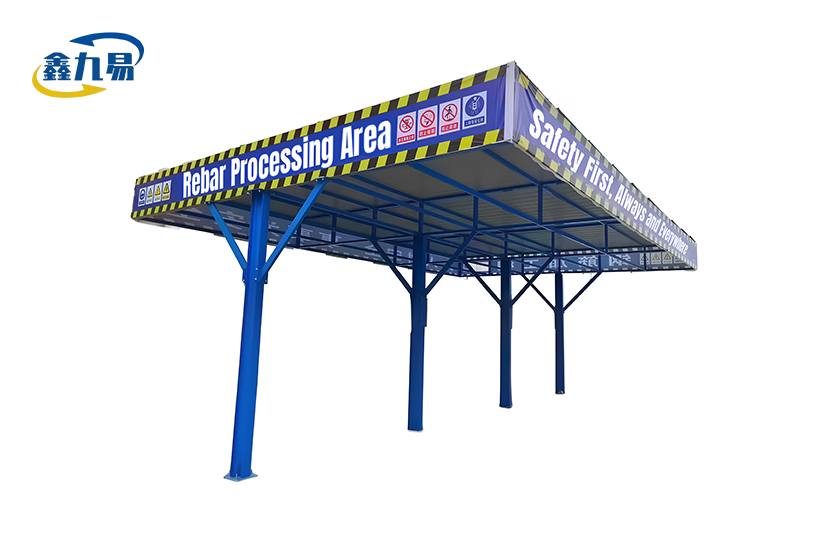
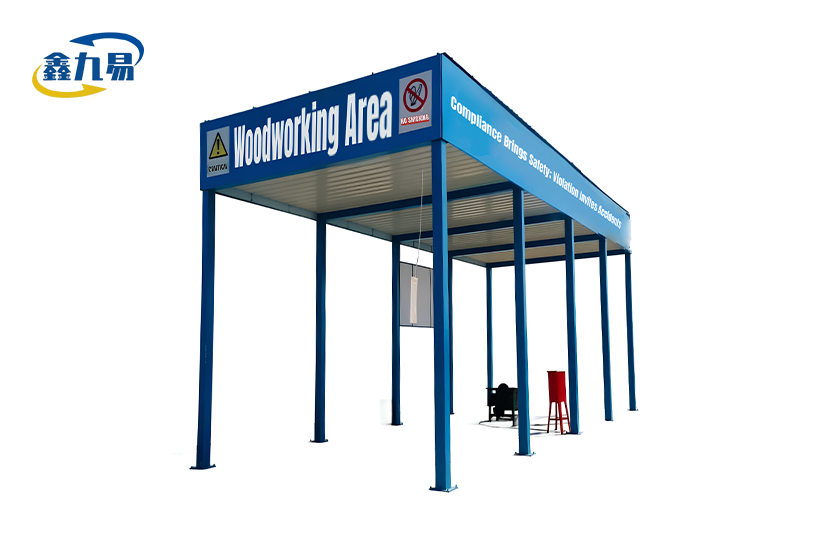
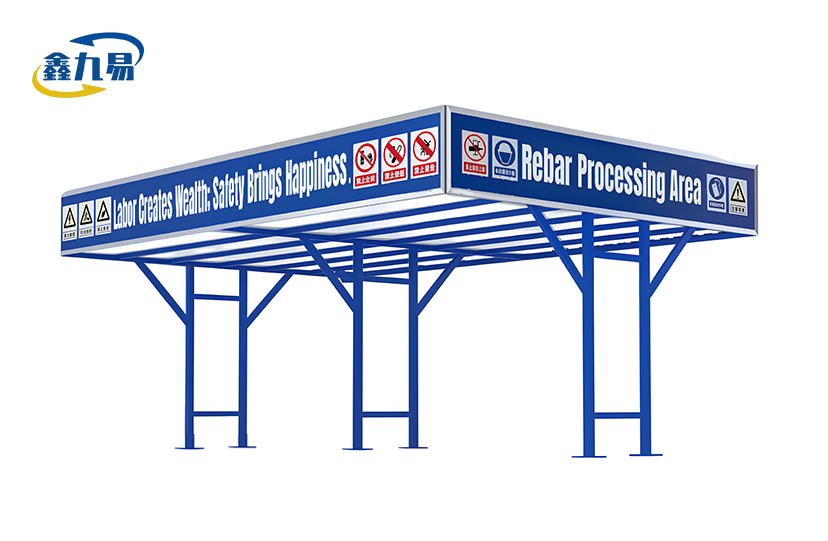
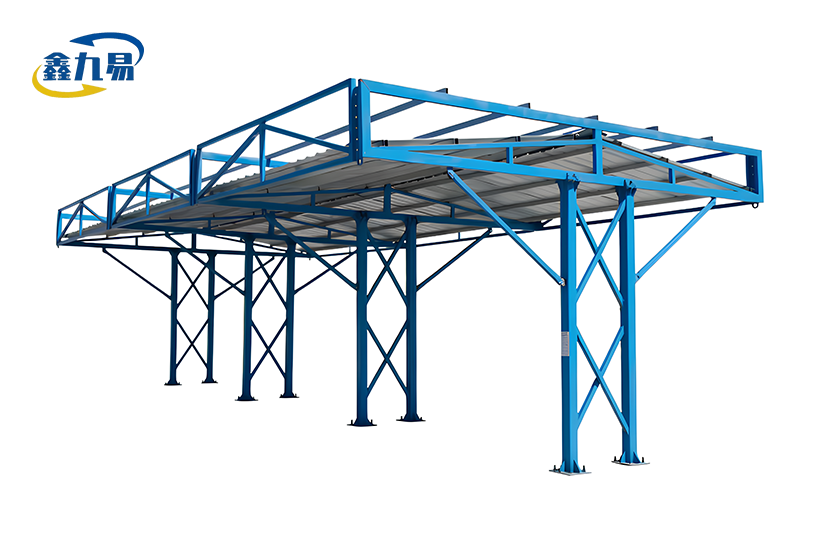
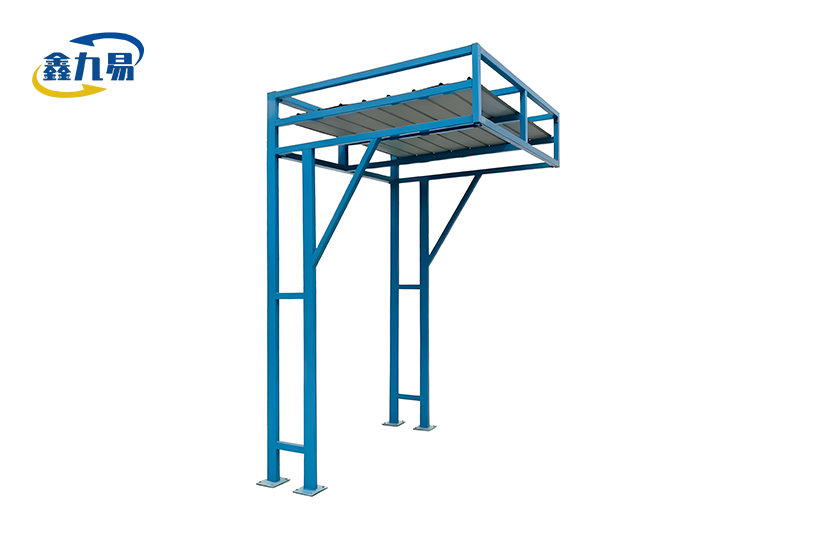
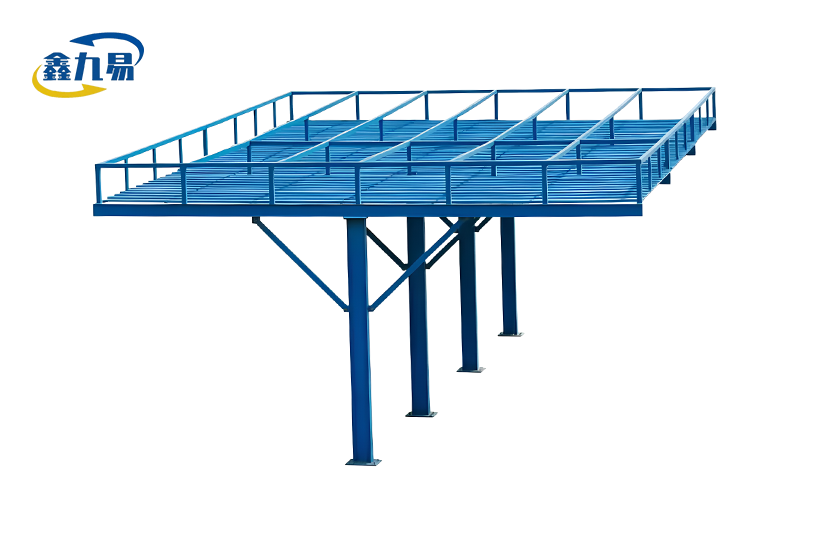
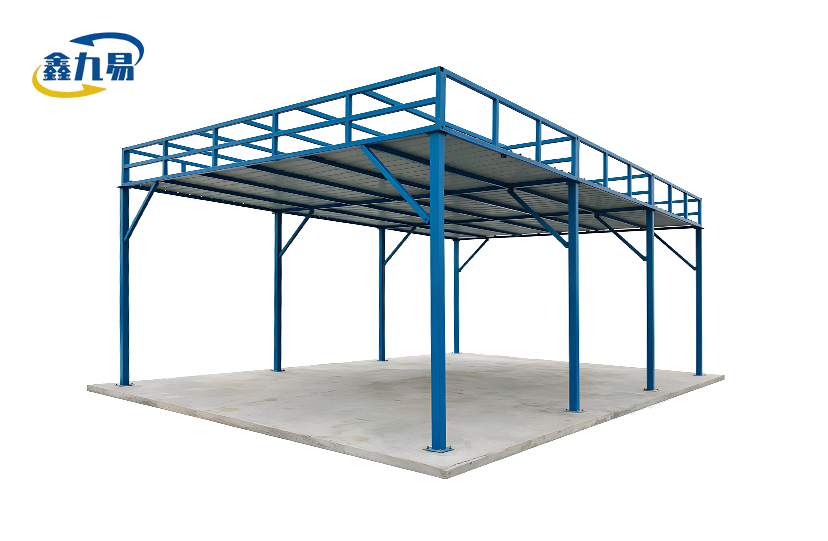
Modern steel bar production shelters employ heavy-duty Q235B or Q345B steel portal frames. Xinjiuyi's 18# I-beam steel poles and thickened, galvanized rectangular tubes can support industrial machinery. The standard sizes—6,000 mm to 9,000 mm long, 4,000 mm to 6,000 mm wide, and 3,700 mm high—allow for small bar cutters to automated bending centers. This modular approach allows project managers to customize configurations for their workspace. Structure remains constant between movements.
Core Components That Ensure Operational Excellence
The structure has well-designed elements that fit together. The major structural loads are supported by 2 mm thick 50 mm x 50 mm main beams. Side beams with 1.5 mm thickness and 30 mm x 50 mm purlins disperse secondary stresses. This innovation creates a robust system that can withstand hurricane-force winds and snow loads exceeding 0.5 kN/m². Hot-dip galvanizing and electrostatic powder coating are used. It prevents corrosion, which is vital for humid and coastal constructions. A dual-layer top cover with protective mesh and rainproof boards keeps falling debris away from delicate CNC equipment while allowing welding airflow.
Workflow Integration Advantages
Steel preparation tasks in one spot modify site organization. Workers enter a specified area where materials are organized from raw materials to cutting stations to final reinforcement storage. Distributed processing configurations spend time and energy moving. The systematic approach reduces such issues. The regulated environment maintains working conditions regardless of weather. This lets work continue even whether it's pouring or sunny, which would ordinarily interrupt outside production. Protection against UV light and moisture, which accelerate mechanical and electrical component damage, extends equipment life.

The Importance and Benefits of Rebar Processing Sheds
More and more people involved in construction are realizing that dedicated fabrication facilities offer benefits beyond just following the rules. The strategic benefits cover areas like safety, speed, managing costs, and regulations that have a direct effect on how profitable the project is.
Enhanced Safety Performance and Risk Mitigation
Accidents at work that involve handling steel support cause a lot of injuries on building sites around the world. The covered processing area in a rebar processing shed makes clear physical barriers between high-risk cutting and welding tasks and nearby work areas. When workers are outside, falling tools or materials often hurt them, but overhead protection keeps them safe. Our structures have standard warning words and safety kick plates with two colors, red and white or yellow and black, that make them easier to see at night. Reflective warning strips lower the chance of a crash even more while moving things. This complete safety framework helps HSE officers meet OSHA and EN standards while also showing that they did their job, which keeps companies from being sued after accidents at work.
Operational Efficiency and Quality Control
Cutting down on material waste is real when production takes place in well-organized areas. Precision cutting in controlled conditions reduces measurement errors that result in broken pieces that need to be replaced. Organized scrap management systems make it easy to get back reusable materials, which turns trash into money-making opportunities instead of costs for dumping. The weather-protected area keeps the steel surface in good shape, free of rust that weakens the bond between concrete and steel in structural uses. When inspectors can check measurements and bend angles in a specific facility instead of having to keep track of different work areas, quality control becomes more organized. All of these things lower the rate of rework, which slows down projects and raises labor costs.
Cost Management Across Project Lifecycles
There are several ways that the initial investment in equipment for making steel bars pays off. When workers work in properly designed areas with good lighting and weather protection instead of makeshift outdoor stations, their output goes up by a measurable amount. Maintenance costs for machinery go down a lot when it is kept away from things in the environment that wear out cutting blades, hydraulic systems, and electrical parts more quickly. The modular bolt-together design lets the building be moved between 3 to 5 project phases without affecting the structure. This spreads the cost of capital over several projects. The ability to be used again and again is very different from temporary buildings that are thrown away after one use and cost money for every new project. Standardized systems make buying and training easier for contractors who are in charge of multiple places at the same time. They also help them get bulk discounts from makers.
Regulatory Compliance and Project Approval
More and more, government agencies and project owners are requiring civilized building standards that need their own processing zones. The clear dedication to protecting workers' safety and the environment makes it easier to get review approvals, which keep project schedules on track. Buildings that follow the rules for ISO 9001 quality management show organized ways of keeping people safe, which makes insurance companies and bonding companies happy. This compliance lowers insurance costs and keeps work from stopping because of regulatory violations. Standardized solutions that meet the needs of multiple jurisdictions without a lot of customization are especially helpful for international tasks.
Designing and Maintaining Rebar Processing Sheds for Optimal Performance
To get the most out of steel production facilities for as long as possible, you need to pay attention to both the choices you make when setting them up and how you run them afterward. Strategic planning during the design phase keeps changes from being too expensive, and regular upkeep keeps the structure's stability.
Layout Optimization Principles
The first step in designing a good facility is to look at how materials move from delivery to staging for finished goods. The best layout puts storage areas for raw materials close to entry points to cut down on transportation lengths. Cutting stations are placed to direct scrap toward collection areas without getting in the way of production. When placing bending equipment, it should be far enough away from welding areas where sparks could start a fire so that operators can see what's going on at nearby workstations. Enough space around machines makes it easier for maintenance workers to get to them, which cuts down on downtime when repairs need to be made. During the design phase, we suggest talking to operations managers to get ideas from workers who know things about daily processes that blueprint readers might miss.
Material Selection for Durability
Salt spray makes rusting happen faster on coastal projects because it quickly wears away standard protective coats. Our anti-corrosion paint methods in the C4 and C5-M categories offer heavy-duty protection that is specially designed for high-salinity areas where regular galvanizing doesn't work. The choice between Q235B grade structural steel and Q345B grade structural steel relies on how much weight needs to be supported. Higher-grade materials can handle heavy machinery or overhead crane systems while keeping thinner profiles that lower the cost of the materials. When you mix hot-dip galvanizing with electrostatic powder coating, you get layered protection so that when the coating breaks, the base metal isn't immediately exposed to oxidation. This extra security makes the system last longer in tough environments where single-layer systems break down quickly.
Proactive Maintenance Protocols
Scheduling regular inspections keeps small problems from getting worse and causing structural failures. Visual inspections should be done once a month to check for loosening bolt connections caused by vibrations from moving machinery. If they find any, they should be re-torqued right away to Grade 8.8 or 10.9 specifications. To keep the coating in good shape, you need to fix any chips or scratches that let water into the steel. Quick touch-ups with suitable paint systems stop rust before it starts. The built-in lightning protection system needs to be tested once a year to make sure that the grounding resistance stays below 4 ohms. This keeps people safe during electrical storms. Manufacturers specify that hydraulic fluid should be changed, blades should be replaced, and electrical parts should be inspected on a regular basis to keep the precision tolerances needed for dimensional accuracy.
Integration with Digital Management Systems
Digital tracking tools that keep an eye on the flow of materials and the use of equipment are becoming more and more important in modern construction. By using RFID tagging systems in the rebar processing shed, goods can be managed in real time, so there are never any shortages that cause delays in production plans. Automated cutting tools with digital connections send production data to project management platforms. This lets procurement managers see throughput rates and find areas where work is being held up. With this combination, the building goes from being a passive structure to an active part of construction information systems that make the best use of resources across various projects that are going on at the same time.
Comparing Rebar Processing Sheds: Finding the Best Solution for Your Project
To choose the right steel reinforcement preparation infrastructure, you need to look at a lot of different factors that are very different depending on the type of project and the organization's goals. The best solution strikes a balance between short-term budget concerns and long-term operational concerns.
On-Site Facilities Versus Factory Processing
Centralized plant production can save money on large quantities of standard parts, but it can be hard to move things around and take longer to make things. On-site rebar processing sheds cut down on shipping delays and allow changes to be made in real time when conditions on the job site require them. Infrastructure projects in rural areas benefit greatly from having their own processing power, so they don't have to rely on outside sources whose deliveries could be delayed. Break-even analysis relies on how long the project lasts. If the project lasts a long time, it makes sense to invest in specialized facilities, but if the project only lasts a short time, it may be better to outsource fabrication, even if it costs more per unit.
Manual Versus Automated Systems
Automation improves accuracy and speed, but it needs skilled workers and a bigger starting investment. Automated stirrup benders and CNC cutting systems keep tolerances within ±1 mm even after thousands of repeated processes, which is not possible with human methods. When tens of thousands of similar pieces need to be made for big projects, where machine speed increases savings, the drop in labor costs becomes very big. Manual equipment is still better for special work with complicated shapes or small batches where programming takes longer than hands-on production. There are a lot of workers who use hybrid methods, which include automatic systems for tasks that are done over and over again and manual stations for tasks that are unique.
Evaluating Supplier Credentials
It is important for procurement teams to make sure that manufacturers have ISO 9001, ISO 45001, and ISO 14001 certifications. These show that they follow systematic quality management, occupational health protocols, and environmental stewardship. Our Xinjiuyi plant in Xian County has modern production tools and well-established supply chain systems that make sure the quality of the materials we use is always high and that they are delivered on time. Using digital gauges to check the coating thickness promises shows that galvanised layers meet the minimum 60 μm to 80 μm standards for long-term corrosion protection. Professional suppliers are different from sellers who only offer limited after-sale help because they offer full warranty coverage and installation support. When working on international projects that need to be delivered in a coordinated way to remote areas with limited port access, global logistics skills become very important.
Return on Investment Analysis
Case studies from bridge-building projects show that specialized processing facilities cut down on material waste by 15 to 20 percent compared to operations that are spread out outside. Workplaces that are well-organized and protected from the weather can increase labor productivity by 25 to 30 percent. The life of equipment is 40% longer when it works in a cover instead of being exposed to the elements. These measurable benefits make it possible to do financial modelling that shows that spending on capital is justified by lower running costs and faster project finish, which lowers overhead costs.
Procurement Guide: How to Purchase and Implement a Rebar Processing Shed
To buy steel fabrication infrastructure that fits your organization's needs and the needs of the project, you need to carefully look over the technical specs, business terms, and application issues.
Defining Technical Requirements
The first step in figuring out capacity is to look at daily production levels and situations of high demand. For example, equipment needs to be set up differently for a high-rise project that needs 50 tonnes of processed rebar every day than for infrastructure work that only needs 20 tonnes of throughput. The size of the rebar processing shed depends on the machine's footprint. Our customization services can fit both small bar cutters that don't take up much room and big automatic bending centers that need a lot of space. For lifting things above, crane-load column standards with corbels and rail beams that support 3- to 10-ton gantry systems are needed. When planning an electrical source, you need to think about things like the voltage needed for automatic machinery and how many devices can run at the same time without overloading the circuit.
Budget Optimization Strategies
The total cost of ownership includes more than just the purchase price. It also includes installation costs, operator training, maintenance programs, and the time it takes to shut down. Because modular designs use pre-made parts that connect with high-strength bolts instead of welding, they require less work to be done on-site. This method cuts the time needed for installation from weeks to days, so it doesn't get in the way of other activities going on at the spot. Lease agreements and rental options are two types of financing that give organizations that want to keep their cash for core building activities a lot of options. Energy-efficient technologies, like LED lighting and better ventilation systems, lower operational costs over the life of the building, making up for the higher initial cost by saving money on utilities.
Implementation Timeline Planning
Standard configurations are usually finished in the workshop seven days after the order is confirmed. Assembling them on-site can take an extra three to five days, based on how well the ground is prepared. Lead times may be longer for complex customizations that require specialized anti-corrosion treatments or built-in crane systems because they require more manufacturing steps. Coordinating with the development plans of the site makes sure that the foundations have enough time to cure before the structure is put in place. Our technical team helps with installation by making sure the right steps are taken to put things together and testing the whole system, which includes making sure there is proper electrical grounding to keep people safe while it's running.
Post-Purchase Support Considerations
Comprehensive solutions are different from transactional seller relationships because they include ongoing expert support. Training programs make sure that people who use tools know what it can do and how to use them safely so that they don't get damaged or worn out too quickly. Maintenance service agreements include regular checks and preventative maintenance that keep a building running at its best for as long as it's used. Parts that can be repaired quickly cut down on downtime when parts need to be replaced, and suppliers who keep enough in stock cut down on delays that stop production during key project stages.
Conclusion
Steel reinforcement manufacturing facilities are long-term investments in infrastructure that pay off in safety, speed, and lower costs across a wide range of building projects. From makeshift processing outside to engineered protective structures, the industry has realized that the safety of workers and high-quality operations require systems that are designed to work in tough site conditions. By moving material handling inside a rebar processing shed—a weatherproof enclosure with overhead protection, well-organized processes, and standard safety features—workers meet regulatory requirements and cut down on accidents and material waste at the same time. Modern designs are modular, which means they can be changed to fit the needs of any project, from small high-rise buildings in cities to large infrastructure projects in remote areas. This makes sure that resources are used efficiently in all the different operational situations that make up modern construction management.
FAQ
1. How long do steel bar fabrication shelters typically last?
When buildings with hot-dip galvanised frames and electrostatic powder finish are well taken care of, they usually last 20 years in normal construction settings. Coastal installations with heavy-duty C4 or C5-M anti-corrosion systems last just as long, even though they are exposed to salt spray, which would weaken less durable protective treatments. The modular bolt-together design lets you change parts without having to redo the whole system. This means that the system can work longer than it did when it was first built, thanks to updates that target specific wear patterns.
2. Can these facilities accommodate project-specific customization requirements?
Customization options cover a wide range of operational needs, such as non-standard sizes that work with the limitations of the site, built-in overhead crane systems for moving heavy items, unique electrical setups for automated machinery, and better corrosion protection for harsh environments. The design is flexible enough to include safety markings that meet regional regulations and the addition of extras like dust collection systems for grinding operations or better ventilation for welding areas.
3. What role do energy-efficient designs play in operational cost management?
Innovative green technologies, like improved natural ventilation that lowers the need for mechanical cooling, LED lighting systems that use 60% less electricity than regular fixtures, and adding solar panels for extra power, will significantly lower the building's utility costs over its entire lifetime. These steps to improve efficiency are in line with the requirements for green building certification that are being pushed harder by government procurement departments. They also save money that helps the project's finances and shows that the company cares about the environment for those who use sustainability as a factor in choosing vendors.
Partner With Xinjiuyi for Professional Rebar Processing Shed Solutions
Xinjiuyi is ready to change the way you make steel reinforcements by providing you with enterprise-grade protective infrastructure designed to work in tough building settings. Our factory in Cangzhou, Hebei, is certified with ISO 9001, ISO 45001, and ISO 14001, which means that quality control, safety rules for workers, and environmental management are all managed in a planned way throughout production. As a top manufacturer of rebar processing sheds, we offer turnkey solutions that include custom design, precision fabrication, on-site installation guidance, and full support after delivery to help you run your business more efficiently.
Our technical team creates the best configurations for your project, whether it's deep excavation that needs heavy-duty equipment protection, high-rise construction in cities with limited space, or infrastructure development in remote areas with harsh environmental exposure. Contact global@xjy8.com right away to talk about your needs with experienced engineers who know what building procurement managers have to deal with in the real world. We give you detailed proposals with clear pricing and reasonable delivery times so that you can make an informed decision. We also promise to deliver safety solutions that protect your most valuable asset: your employees.
References
1. American Concrete Institute. (2019). "Guide to Formwork for Concrete: ACI 347R-14. "Farmington Hills, MI: ACI Committee 347.
2. Construction Industry Institute. (2018). "Best Practices for Construction Site Safety Management." Austin, TX: CII Research Report 2018-03.
3. International Labour Organization. (2020). "Safety and Health in Construction: An ILO Code of Practice." Geneva: International Labour Office.
4. National Institute for Occupational Safety and Health. (2017). "Preventing Worker Injuries and Deaths from Moving Machinery." DHHS Publication No. 2017-128.
5. Steel Construction Institute. (2021). "Temporary Works Toolkit: Design and Management of Construction Site Facilities." Ascot, UK: SCI Publication P427.
6. Occupational Safety and Health Administration. (2019). "Safety and Health Regulations for Construction: 29 CFR Part 1926. " Washington, DC: U.S. Department of Labor.