Reinforced Steel Structure Processing Canopy for High Wind Areas
When construction sites face relentless winds and unpredictable weather, a reinforced
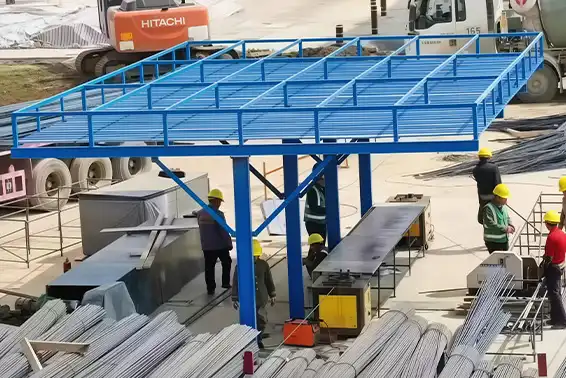
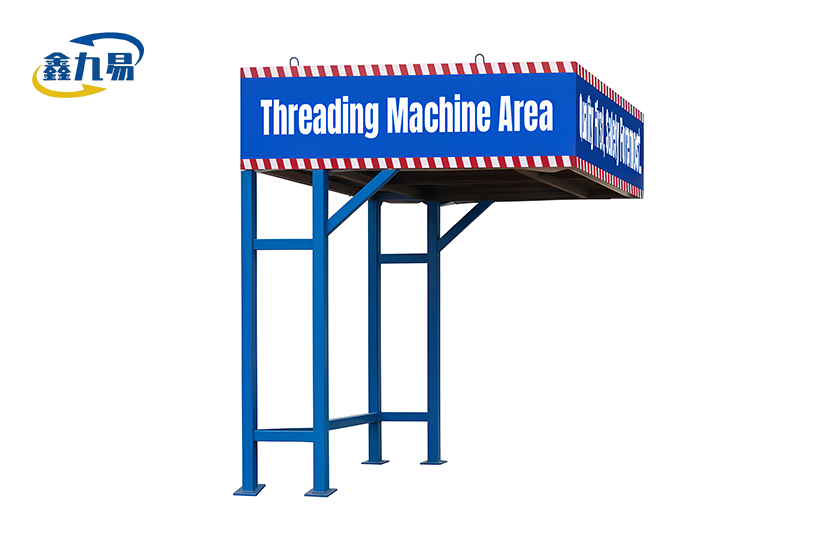
becomes essential for operational continuity and worker safety. These engineered protective systems combine high-strength steel frameworks with advanced anchoring methods to shield material processing zones from wind-driven debris, equipment damage, and weather disruptions. Unlike conventional temporary shelters, reinforced canopies employ thickened galvanized rectangular tubes, precision-welded joints, and strategic double-column designs that distribute loads evenly across large spans—delivering the durability that high-risk environments demand without compromising workspace accessibility.
Understanding Reinforced Steel Structure Processing Canopies
Steel Structure Processing Canopies are a special kind of workplace safety structure that is made to work when regular covers don't. The main difference is the choice of materials and the theory behind structure design.
High-Strength Steel Grades for Superior Performance
We use Q235B and Q345B grade steel to make our protected shields because they have a proven yield strength between 235 and 345 MPa. This ratio of strength to weight lets lengths go over 9000 mm without the need for support beams in the middle. This makes clear work areas for cutting rebar, building things, and moving heavy equipment. The 100 mm x 100 mm thicker rectangular tubes with a 2.0 mm wall thickness offer structural stability that other options with a lighter gage can't match.
Surface Treatment Technologies That Extend Lifespan
Our method for resisting rust is based on hot-dip galvanization. This process makes a metallurgical link between the zinc and the steel substrate, which protects for decades in seaside and industrial settings where chemicals and salt spray speed up wear and tear. After galvanizing, we add an electrostatic powder covering or warning baking paint, which creates a second barrier that doesn't break down in UV light and gives the high-visibility marks needed by OSHA and local safety rules. This two-layer method makes sure that our umbrellas keep their shape and good looks for more than 20 years when they are left outside all the time.
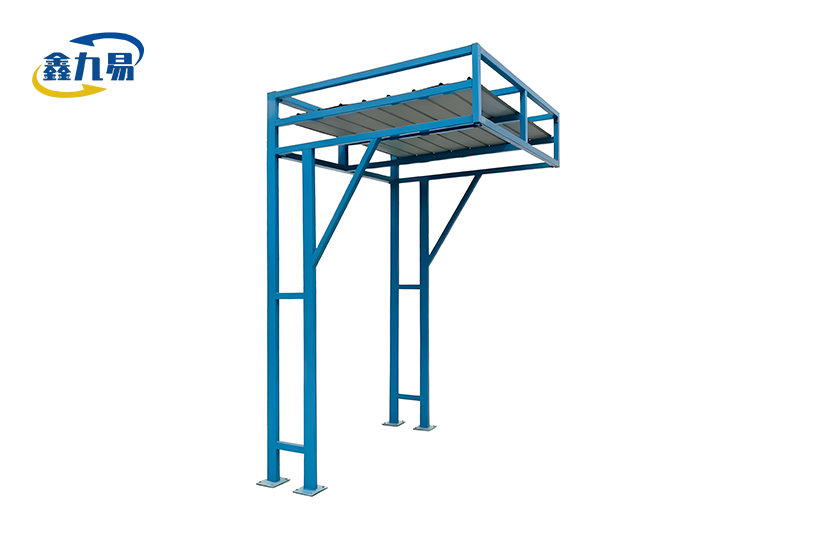
Central Double-Column Architecture Explained
Traditional edge-supported canopies put most of the stress on the connections around the edges, which limits the span's strength and makes it hard for the canopy to bend when snow builds up or wind pressure stays high for a long time. Our central double-column design redistributes these forces by placing vertical supports in the right places at the middle of the structure. This setup evenly distributes the weight across the whole framework, which stops the bowing that happens in single-beam systems that are stretched too far. The end result is a stable, secure envelope that keeps enough space for forklifts and cranes to work while still giving material handling zones the overhead coverage they need.

Design and Manufacturing Process for High Wind Resistant Steel Canopies
Canopies that can stand up to strong winds need to be built with engineering that takes into account the specifics of the site and the needs of the operation.
Wind Load Calculations Tailored to Your Location
At the start of every Steel Structure Processing Canopy project, we look at local meteorological data, such as records of past wind speeds, patterns of gust frequency, and seasonal storm characteristics that are unique to your construction site. This data is used to build computer models that show how pressure changes across the canopy's surface during times of high wind. The formulas figure out the sizes of the members that are needed, the levels of link reinforcement, and the anchoring requirements for the base. Sites that are more likely to be hit by hurricanes or tornadoes get stronger bracing and deeper anchor embedment than areas with milder wind profiles.
Precision Manufacturing Through CNC Fabrication
Computer numerical control (CNC) cutting tools are used in our factory to keep errors to less than one millimeter. With this level of accuracy, the bolt holes will line up properly when the part is put together in the field. This gets rid of the fit-up delays and structural problems that come with hand fabrication. Before the surface treatment, the dimensions of each rectangular tube, I-beam, and purlin are checked. Welds are then inspected with ultrasonic waves or magnetic particles to find any flaws inside that could weaken the joint over time.
Customization Capabilities That Address Unique Challenges
Standard sizes are useful for many things, but some projects need answers that are made just for them. We offer changes to sizes to fit uneven site plans, changes to column placement to fit current equipment, and built-in connection points for lighting or ventilation systems. Our engineering team compares custom requests to structural performance standards to make sure that any changes don't affect the structure's ability to hold weight and fight wind.
Installation Process for Reinforced Steel Structure Canopies
When designed parts are installed correctly, they become a safe system that works and does what it's supposed to do.
Site Assessment and Foundation Preparation
A careful ground inspection is the first step to a successful installation. Before deciding where to put the anchors, our expert advisors look at how much weight the dirt can hold, where utilities are already located, and how the surface drains. If the ground is loose or sandy, you might need concrete foundation pads or helical anchor systems to keep the foundation from pulling away when the wind blows. Our team works with your site supervision team to make sure that foundation work is scheduled at times that don't interfere with ongoing operations too much.
Standardized Assembly Sequence for Rapid Deployment
Each cover comes with connection plates that have already been welded together and numbered parts that match up with detailed assembly plans. First, your team sets up the vertical poles and uses high-strength bolts that have been torqued to the right level to attach them to the foundation supports. The next thing that goes together are the main beams, then the side beams and purlins, which finish off the framework above. The flexible design means that a skilled team can finish installation in days instead of weeks. This cuts down on labor costs and shortens the time it takes to get the system ready for use.
Quality Verification and Compliance Documentation
After the parts of Steel Structure Processing Canopy are put together, we do joint checks with your project management team to make sure the dimensions are correct, the connections are tight, and the structure is stable. Documentation photos, bolt torque verification records, and as-built drawings are all part of this process. They are used for safety checks and regulatory reviews. We offer certification packages that prove agreement with relevant building codes and international standards. These help you keep records and show oversight authorities that you did your job properly.
Comparing Reinforced Steel Canopies With Alternative Materials
The choice of material has a big impact on how well a cover works, how much upkeep it needs, and how much it costs over its whole life.
Steel Versus Aluminum for Wind-Prone Environments
Aluminum awnings are lighter than other materials, which makes them easier to move around during installation. However, because they are less dense, they are not as stiff. When the wind load is the same, metal frames need more middle supports or bigger cross-sections to keep them from bending too much. Steel has a higher elastic modulus, which means it is more rigid per unit weight. This means that wider clear spans are possible with fewer columns getting in the way of work flow. When there is a lot of wind, materials need to be able to fight deformation without permanently giving way. This is where the strength difference comes into play.
Fabric and Membrane Systems: Limitations in Industrial Settings
When compared to steel frameworks, tensioned fabric structures can be set up quickly and cost less at first. Fabric membranes, on the other hand, wear out quickly when they come into contact with welding sparks, grinding debris, and the rough conditions that are common in places where materials are processed. Tears and holes need to be fixed often, and UV damage means that the whole membrane needs to be replaced every five to seven years. Steel awnings get rid of these ongoing costs and offer better fire protection, which is very important in woodworking areas and other places where hot work is done often.
Total Cost of Ownership Analysis
When buying something, choices should be made about costs that go beyond the initial purchase. As an initial investment, Steel Assembly Work Canopy is more expensive, but they require much less upkeep over the course of their decades-long useful lives. The original price difference was canceled out within the first ten years of service, thanks to not having to replace the membrane, fewer inspections, and few repairs. When the costs of weather-related work stoppages and equipment damage are taken into account, Steel Structure Processing Canopies are clearly more cost-effective for companies that manage multiple building projects every year.
Maintenance and Longevity of Reinforced Steel Structure Canopies
Proactive maintenance plans increase the life of a system and make sure that safety standards are always met.
Routine Inspection Schedules and Documentation
We suggest visual checks every three months, paying special attention to the state of the coating, the strength of the connections, and the buildup of debris that could trap water against steel surfaces. Professional inspections should be done once a year, and they should include checking the bolt torque, checking for base movement, and closely looking at the welds for cracks. The keeping of detailed inspection logs helps with following the rules and lets you know about problems early on, before they get worse and need a lot of work to fix.
Corrosion Prevention Strategies for Coastal and Industrial Sites
Even with hot-dip galvanizing and powder finishing, extra safety steps should be taken in places with a lot of salt or chemicals. Washing your clothes on a regular basis gets rid of salt buildup and other contaminants that speed up the zinc layer's breakdown. Touch-up painting fixes small scratches or abrasions before the steel underneath shows. Sites with severe rust can use cathodic protection systems or update to fluoropolymer topcoats, which have better chemical resistance and make it possible to go longer between big refinishing rounds.
Repair Protocols That Restore Full Structural Capacity
When damage happens because of an impact or localized corrosion, fixing it right away stops it from getting worse over time. Minor harm to the coating can be fixed right away with repair paints that are suitable. Deformed parts are either straightened out or replaced, based on how bad the damage is. Our technical support team helps customers figure out how to fix things in a way that keeps the structure strong and keeps the warranty valid. The modular design theory means that parts can be swapped out without taking whole areas apart. This cuts down on downtime and repair costs.
Conclusion
Steel Structure Processing Canopies provide the safety that places that work with materials and are exposed to high winds need. With the help of high-strength steel grades, advanced surface treatments, and engineered structural designs of Steel Structure Processing Canopy, overhead shelter systems are made that last longer and need less maintenance. Procurement managers get benefits like working stability, safety compliance, and lower lifecycle costs that directly help projects make money and meet company risk management goals.
FAQ
What wind speed can these canopies withstand?
Our standard designs can handle wind speeds of up to 12 typhoons, which is about 100 to 130 km/h of sustained winds. The exact rating depends on the choices you make during customization and the rules in your area for building codes. We plan each project by looking at past weather records for the area where your building site will be built, making sure there are enough safety margins above known highest wind events.
How does the central double-column design affect workspace layout?
Support posts are usually put in the middle of the covered area in a dual-column arrangement. This makes two separate work zones on either side. During the design phase, you can change where the columns are placed to match the locations of your equipment or the way your materials flow in your business. Most clients think that the increased structural stability is worth the small difference in workspace, especially when compared to edge-supported options that need multiple intermediate columns.
What is the expected installation timeline?
It takes a four-person crew with basic rigging tools about five to seven working days to fully set up a standard 9000 mm × 6000 mm canopy. This schedule includes getting the base ready, putting together the framework, and doing the final checks. Larger setups or places that are hard to get to may make this plan take longer. During the quote step, our expert team can give you more information about the project timeline.
Partner With a Trusted Steel Structure Processing Canopy Manufacturer
Hebei Xinjiuyi Construction Technology Co., Ltd. has been making things for more than 20 years and can meet your needs for material handling security. Our ISO9001, ISO45001, and ISO14001 certifications show that we are dedicated to quality control, worker safety, and being environmentally friendly throughout all of our production processes. Our solutions are tailored to the building rules and working conditions in Southeast Asia, the Middle East, Africa, and South America. They are used by general builders, infrastructure developers, and safety equipment distributors.
Get in touch with our expert sales team at global@xjy8.com to talk about your canopy needs for a high-wind place. We give you clear price information, thorough technical specs, and customized engineering drawings to help you make smart purchasing choices. As your Steel Structure Processing Canopy supplier, we offer quick development, variable order sizes, and quick support after the sale that goes beyond delivering the product. Visit xjy8.com to explore our complete range of construction safety solutions and request project-specific quotations.
References
1. American Institute of Steel Construction. (2016). Steel Construction Manual, 15th Edition. Chicago: AISC.
2. British Standards Institution. (2019). Eurocode 3: Design of Steel Structures - Part 1-4: General Rules - Supplementary Rules for Stainless Steels. London: BSI Standards.
3. Chen, W.F. & Lui, E.M. (2018). Handbook of Structural Engineering, 2nd Edition. Boca Raton: CRC Press.
4. International Code Council. (2021). International Building Code. Washington, DC: ICC.
5. National Association of Corrosion Engineers. (2017). Protective Coatings for Steel Structures Exposed to Atmospheric Corrosion. Houston: NACE International.
6. Occupational Safety and Health Administration. (2020). Steel Erection Construction Standards - 29 CFR 1926 Subpart R. Washington, DC: U.S. Department of Labor.