What is a pier cap platform used for?
A pier cap work platform is a temporary elevated access structure purpose-built for bridge substructure operations, including rebar fixing, formwork installation, and concrete pouring at the top of bridge piers. Unlike conventional ground-based scaffolding, it mounts directly onto the pier body, transferring working loads through the existing structural frame rather than requiring independent foundations. This approach eliminates costly groundwork, compresses construction schedules, and enforces fall protection at height. For procurement managers handling highway, high-speed rail, or urban overpass contracts, understanding what this equipment does is the first step toward making a sound sourcing decision.
Understanding Pier Cap Platforms: Definition and Core Uses
Building the bridge pier caps is one of the riskiest parts of any bridge project. Tens of meters above the ground or the water, workers move heavy packages of rebar and wet concrete quickly. This problem can be solved by a pier cap work platform, which has a rigid, load-rated working deck that goes around the head of the pier. This gives crews a stable surface like a normal workshop floor, but higher up.
What Makes It Different From Standard Scaffolding?
Ground-supported tube-and-clamp scaffolding needs a base that has been prepared, takes a long time to set up, and adds a different structural system that needs to be planned out individually. A deck attached to a pier brackets straight onto the column, using the bearing capacity of the pier. The China Highway Engineering Consultants Corporation says that pier-mounted platforms can cut the time needed to prepare the substructure for multi-pier viaduct projects by 30–40% compared to traditional scaffolding methods. That saved time immediately leads to a shorter program and lower costs for the equipment manager.
Typical Project Scenarios
Professionals who build bridges use pier cap platforms across three main settings:
- High-speed rail viaducts — The repeated pier cap sequences need short cycle times. Each modular unit is about 26 kg, which means that a crane can be placed without any extra lifting equipment and a crew can set up one pier position in less than four hours.
- Urban highway overpasses — It is illegal and hard to use a ground-supported crane when working above live traffic lines. A pier-suspended platform keeps traffic moving below the busy work zone by not disturbing the ground at all.
- Marine and cross-sea bridges — Steel that isn't covered quickly rusts when it comes into contact with saltwater. Hot-dip galvanized platforms that are rated for coastal environments work reliably during multi-year marine construction projects without speeding up corrosion.

Key Design and Safety Standards of Pier Cap Platforms
Sound engineering starts with standards that can be checked. In the US, OSHA 29 CFR 1926 Subpart R controls how steel is set up and how raised work platforms are used. In Europe, EN 12811-1 sets standards for temporary work equipment load limits and structural performance. A legal pier cap work platform has to meet the needs of both the structural engineer's load calculations and the safety officer's entry needs at the same time.
Load Capacity and Material Selection
Based on the needs of the project, platform load ratings are usually between 2.5 kN/m² and 5 kN/m². The Xinjiuyi pier cap platform has a welded frame made of I-beams, channel steels, and 50 mm × 50 mm galvanized rectangular tubes with 1.5 mm wall thickness. The frame is strengthened at key joints with 50 mm equal angle steel that is 4.0 mm thick. When you put these two things together, you get a rigid frame that spreads point loads out evenly. This stops eccentric stress clusters that lead to early fatigue.
Corrosion Protection and Durability
After mechanically derusting, all structure parts are either hot-dip galvanized or painted with high-build systems. Following ISO 1461 for hot-dip galvanizing results in a coating that is thicker than 85 microns. The American Galvanizers Association says that this coating will last for 50+ years without any upkeep in moderate industry settings and 20+ years in coastal settings. For procurement teams looking at lifecycle cost, this durability cuts down on per-use costs by a large amount over the course of multiple projects.
Types of Pier Cap Platforms and Their Comparative Advantages
Pier cap work platforms are mostly split into two types on the market: fixed-geometry units and modular changeable systems. Fixed units work well for jobs where the pier measurements don't change. Modern bridge designs often use curved shafts, flared heads, and non-standard cap beam shapes, which can all be accommodated by modular systems.
Modular vs. Fixed: Choosing the Right Configuration
Here are the main differences in speed that help choose a platform:
- Modular adjustable platforms — With flexible bracket lengths and deck panels that can be switched out, modular movable platforms can service pier heads that are rectangular, circular, or flared all within the same project. This flexibility lowers the amount of money rental owners and general builders need to spend on capital.
- Fixed-geometry platforms — Fixed-geometry platforms have a lower unit cost and work well for long-term viaduct contracts where hundreds of identical piers are put in place one after the other. The consistency in dimensions speeds up assembly by cutting down on the need for crews to make decisions on-site.
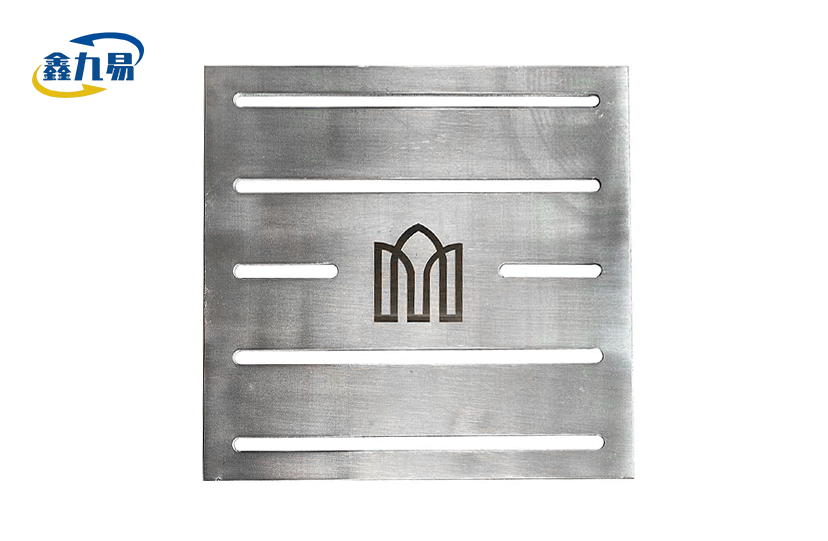
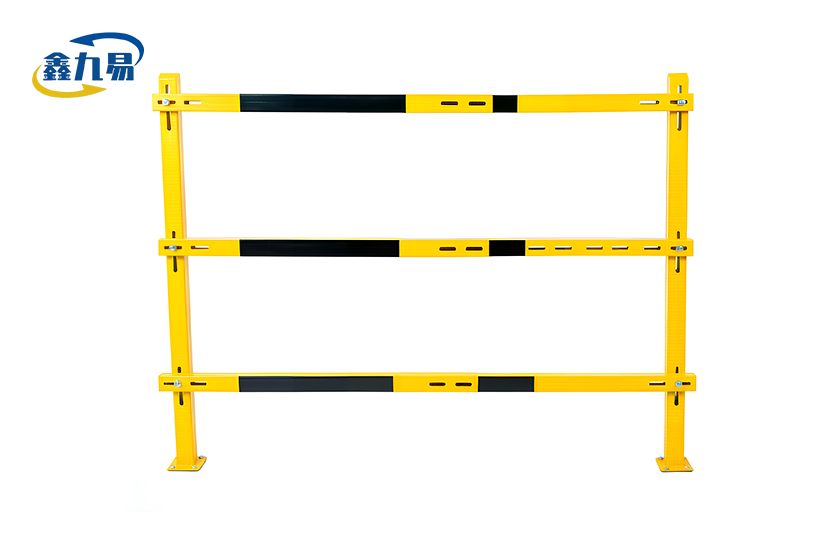
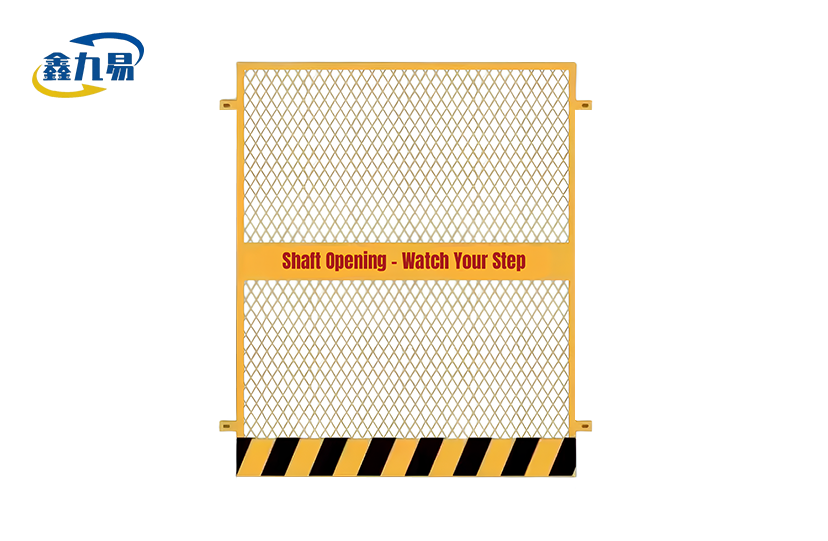
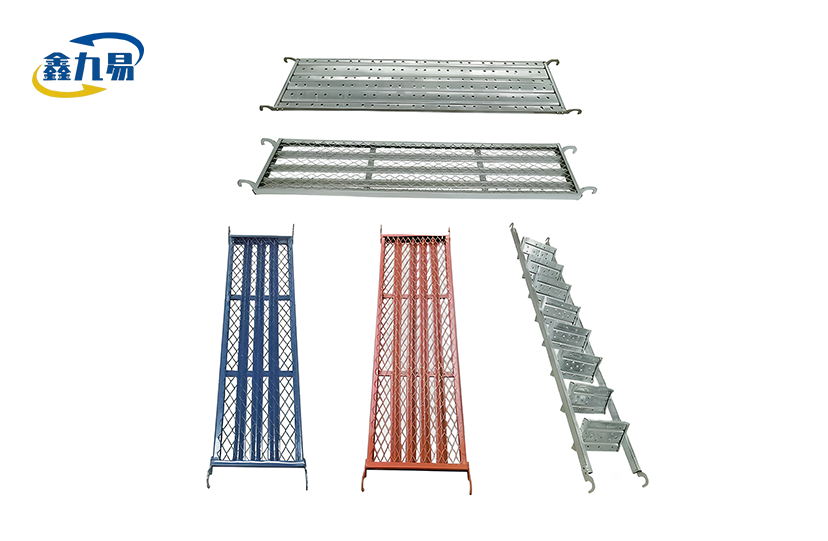
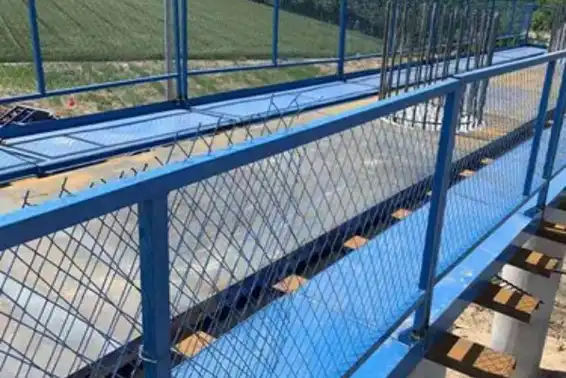
- Heavy-duty configurations — Heavy-duty models have expanded metal mesh infill panels with 60 mm × 100 mm holes and 2.0 mm anti-slip checkered plate decking. These provide three-dimensional fall protection that keeps loose tools inside and stops debris from reaching people or traffic below.
How to Choose and Procure the Right Pier Cap Platform?
When you buy safety equipment for a bridge, you take on technical liability as well as business risk. If a pier cap work platform fails on-site measurements checks, it has to be sent back, re-fabricated, and re-delivered, which can delay important tasks by weeks.
Matching Specifications to Site Conditions
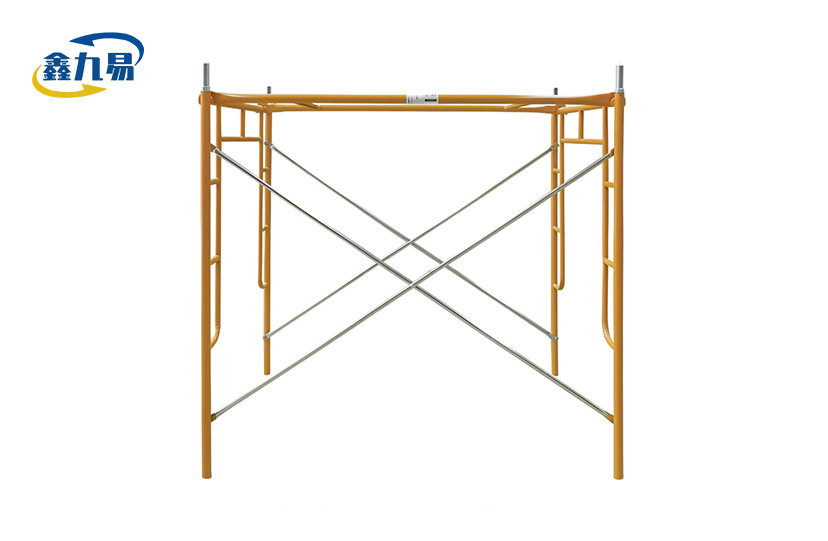
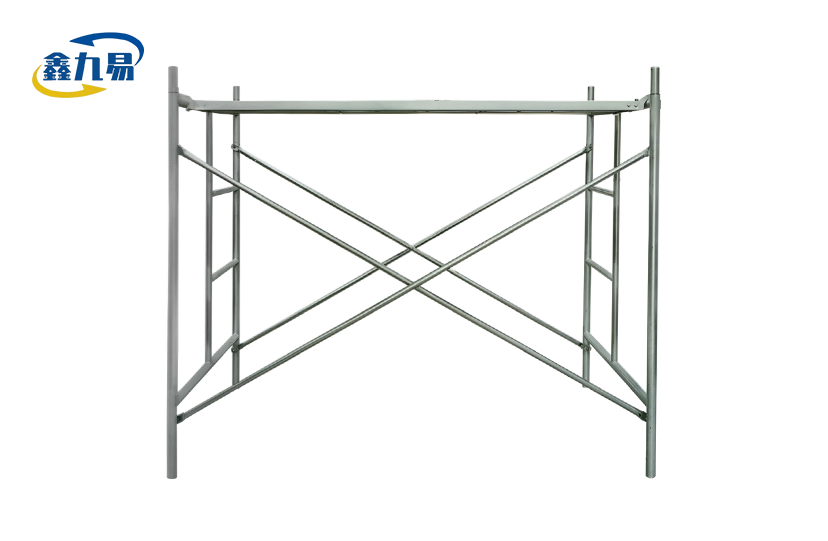
Before sending out a request for quotes, the equipment or procurement manager should make sure they know the following: the pier cap's measurements (width, depth, and overhang); the site's elevation and wind exposure category; the highest working load (including the weights of people and materials working together); and the rust class that is needed. The standard platform size for Xinjiuyi is 800 mm wide and 1200 mm high, but both of these sizes can be changed to fit your needs. The 300 mm wide by 2890 mm high flip board system makes it possible to install formwork panels in larger areas, which is something that many standard platforms don't do.
Bulk Procurement and Customization Options
Ordering in bulk from a single set of approved drawings lowers the cost per unit and ensures consistent size accuracy for whole-bridge projects with 50 or more pier positions. Xinjiuyi provides full paperwork packages that include structural load calculation reports, material mill certificates, and dimensional inspection records. These are the kinds of records that bridge chief engineers and safety inspectors usually need before they approve the installation of a platform.
Installation Process of Pier Cap Platforms
The most common mistakes on the job site can be avoided with a well-thought-out construction plan. As part of the pre-installation process, the pier head's geometry is checked against manufacturing plans, the positions of anchor bolts are confirmed, and parts are staged next to the crane's working area.
The bracket sets are connected to cast-in or through-bolt supports that are strong enough to handle both shear and tension loads. Once the brackets are tightened to the right level, a crane will move the main spanning beams into place. Next will be the deck panels, guardrail tubes, and mesh infill. A modular pier cap work platform that has already been put together usually starts working in two to four hours. After installation, a load test at 1.25 times the rated working load makes sure the structure is strong enough before people can get to it.
The platform stays in good shape during multi-year operations thanks to tests that happen every three months and check the torque of the bolts, the quality of the welds, and the integrity of the deck surface. This repair schedule fits with OSHA's general job rule that all elevated work platforms must have safety checks done on a regular basis.
Conclusion
In conclusion, a pier cap work platform turns an uncovered pier head at high levels, which is one of the most dangerous places to work in building, into a safe area that can be inspected. It improves safety, schedule performance, and the worth of assets that can be used again by moving loads through the pier's construction instead of ground foundations and adding certified fall protection. For procurement professionals in charge of bridge substructure projects on highways, rails, or the water, choosing the right platform configuration from a manufacturer with quality documentation that can be checked is a choice that protects workers and project timelines.
FAQ
How is a pier cap platform secured to the pier?
The platform clamps are attached with high-strength through-wall bolts or cast-in anchor systems that are made to withstand the shear and tension forces that are created by working loads and wind pressure.
Can one platform serve different pier geometries?
Yes. Pier heads that are square, round, or flared can be used with modular designs that have adjustable spanning beams. Xinjiuyi also makes pier cap work platforms that are precisely sized based on project-specific drawings, which makes sure that they fit perfectly across non-standard cap beam profiles.
What is the maximum working load?
Rated load capacity is usually between 2.5 kN/m² and 5 kN/m², which is enough to hold people, rebar bundles, and formwork panels at the same time. The structural load estimate report that comes with the building shows the exact number for each unit.
When should operations stop due to wind?
As per OSHA 1926 Subpart R and EN 12811-1 guidelines for temporary high work tools, most industries have safety rules that say work must stop when wind speeds stay above 15–20 m/s.
What maintenance interval is recommended?
For bridge-site raised platforms that are used during more than one building season, it is normal to check the deck surface state, bolt torque, and weld integrity every three months.
Get a Custom Pier Cap Work Platform Quote From Xinjiuyi
Xinjiuyi is an expert at supplying bridge contractors and infrastructure developers around the world with pier cap work platforms. There are full load calculation records, material certificates, and measurement inspection records for every unit that is shipped. As a reliable manufacturer, our engineering team quickly answers to drawings and specs, whether you need a small batch for a single job or a large order for a long time. Contact us at global@xjy8.com or visit xjy8.com to request a technical proposal tailored to your bridge program.
References
1. American Galvanizers Association. Hot-Dip Galvanizing for Corrosion Protection: A Specifier's Guide. 2022.
2. European Committee for Standardization. EN 12811-1: Temporary Works Equipment — Scaffolds — Performance Requirements and General Design. 2003.
3. Occupational Safety and Health Administration. OSHA 29 CFR 1926 Subpart R: Steel Erection. U.S. Department of Labor, 2001 (revised 2020).
4. China Highway Engineering Consultants Corporation. Technical Manual for Bridge Substructure Construction Safety Management. 2021.
5. International Organization for Standardization. ISO 1461: Hot Dip Galvanized Coatings on Fabricated Iron and Steel Articles — Specifications and Test Methods. 2009.
6. Transportation Research Board, National Academies of Sciences. NCHRP Report 776: Construction of Bridge Foundations in Challenging Environments. 2014.