What is the purpose of a safety experience zone?
A safety experience zone is an immersive, hands-on training facility designed to expose construction workers and site personnel to simulated workplace hazards in a fully controlled environment. Rather than relying on passive instruction, it places participants inside realistic accident scenarios — falls from height, electrical contact, falling object strikes — so their bodies and minds build genuine hazard recognition. The core purpose is threefold: accident simulation experience, safety knowledge education, and emergency response capability training. When deployed correctly, this type of facility measurably reduces on-site violations and strengthens a workforce's instinctive reaction to danger before it becomes a fatality.


Understanding Safety Experience Zones: Definition and Core Benefits
Traditional safety briefings make it hard to remember what was said. The Journal of Safety Research regularly reports that workers remember less than 10% of what they learned in a lesson within one week. Immersive settings for physical training change the whole picture.
What Separates an SEZ from a Classroom
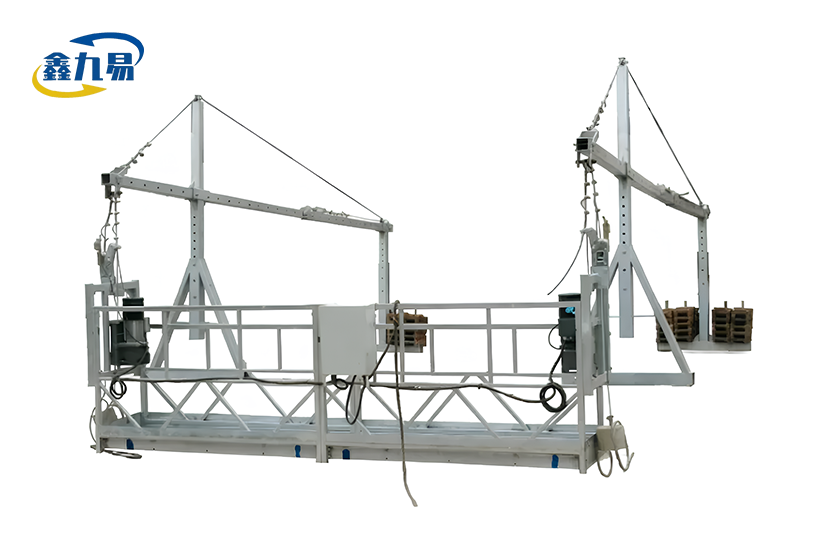
A hazard simulation facility uses sound, sight, and touch all at the same time. When a worker holds a guardrail on a moving platform, that threat is stored in their nervous system in a way that a slide deck can't. The idea behind experiential learning is that the body remembers things that the mind has forgotten.
Core Benefits That Drive Procurement Decisions
When companies put in dedicated construction safety experience zones, they always report three measurable results:
- Reduced incident rates: A 2019 study by the British Safety Council found that within twelve months of starting to use experiential hazard training, companies cut the number of accidents they had to report by up to 28%. When workers actually go through a near-miss simulation, they are more likely to follow PPE rules and fall-arrest procedures on real-life sites.
- Regulatory compliance confidence: Induction training zones help project teams pass safety checks by third parties, government visits, and HSE reviews from other countries. Having a structured, written training environment shows regulators and owners that the organization is competent.
- Reusable investment across multiple projects: Unlike training materials that are used only once, a well-designed physical training zone can be taken apart, moved, and put back together again and again across different projects. This means that the capital cost is spread out over years of use instead of just one project cycle.
These benefits explain why safety managers, project leaders, and HSE procurement officers in the energy, infrastructure, and building sectors are seeing these facilities more and more as necessary rather than nice to have.

How Safety Experience Zones Improve Workplace Safety: A Systematic Approach
There is a lot of research on how interactive training changes behavior. Kolb's Experiential Learning Cycle, which includes concrete experience, reflective observation, abstract conceptualization, and active experimentation, is exactly what a well-designed hazard simulation zone gives you. Workers don't just see danger; they think about it, talk about it, and change how they act on the live site based on what they learned.
Embedding Safety Behaviors Through Sensory Engagement
The neurological stress response is the same in physical simulation modules that cover things like electrical arcing, falling objects, and scaffold collapse, but they are much less dangerous. This managed stress reaction speeds up the learning of behaviors. When these safety experience zones are used on large construction projects, safety managers often find that workers are more likely to report hazards after getting training in a dedicated simulation environment.
Alignment with Global Occupational Health Standards
Modern safety training methods need to be in line with ISO 45001 and OSHA rules, which both stress worker input and checking skills. A training area that was specifically designed for that purpose provides a process for introducing new workers that can be checked and repeated. This process meets the documentation needs of both foreign project owners and local labor authorities at the same time.
What to Consider When Procuring or Designing a Safety Experience Zone?
When buying building safety experience zone infrastructure, you need to think about more factors than when buying regular tools. This investment affects the layout of the site, following the rules, making long-term budget plans, and making sure the supplier is reliable all at once.
Key Design and Specification Factors
Safety managers and procurement officers should look at the following dimensions of any suggested building before sending out an inquiry:
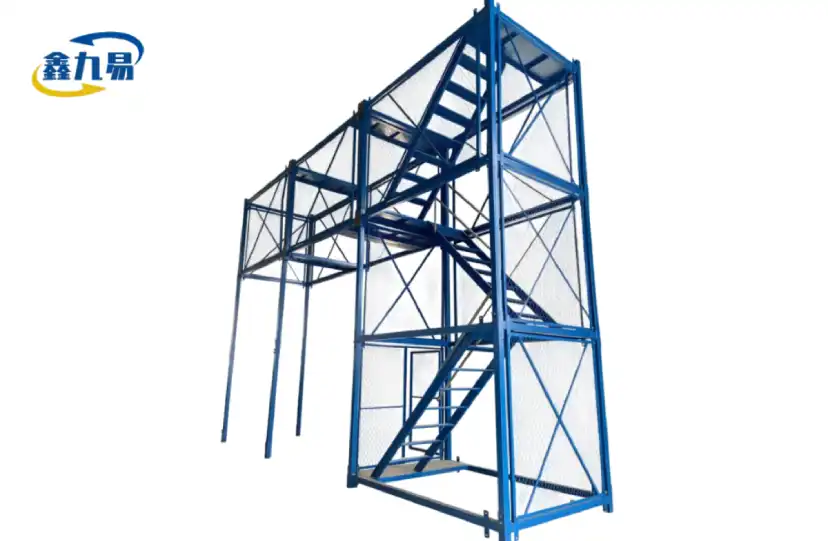
- Module coverage and scenario realism: A reliable facility should cover the main types of construction hazards, such as falls from heights, impacts from falling objects, electrical contact, being aware of confined spaces, and responding to fires. Modules that aren't covered well make training less useful and might not meet the standards of an introduction audit.
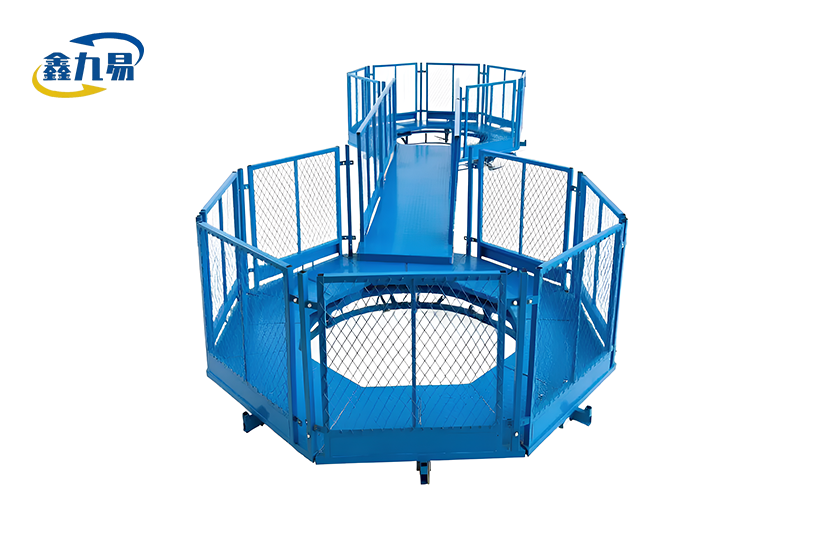
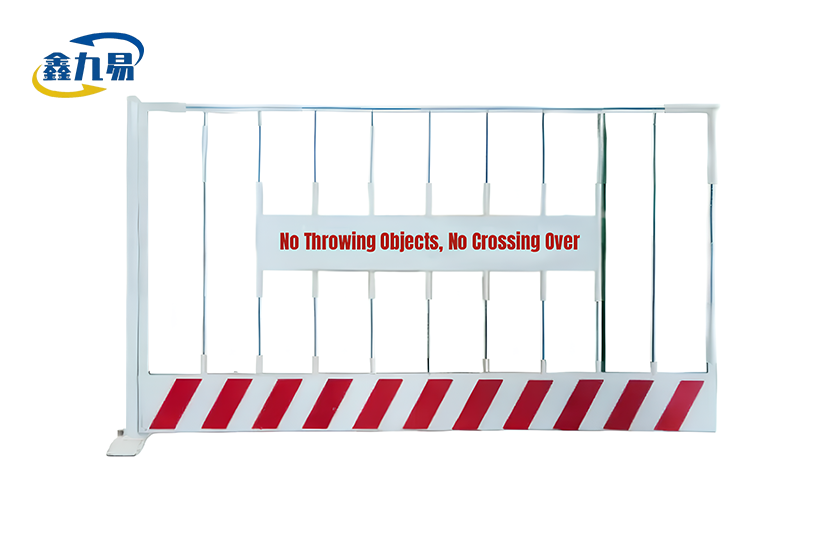
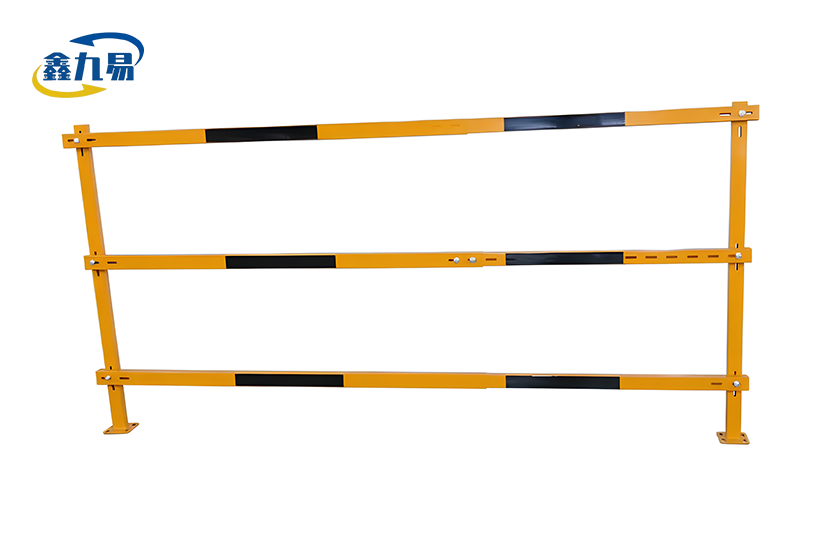
- Structural integrity and material specification: Frames made of thickened galvanized rectangular tubes welded with angle steel provide the load-bearing stability needed for high-frequency training throughput. Standardized guardrails and anti-slip steel plate platforms are necessary for safety. The training zone itself must never become dangerous.
- Modularity and reusability rate: For companies that are in charge of multiple project sites at the same time, a facility that can be quickly taken apart and put back together again with a reusability rate of over 80% turns a single capital purchase into a fleet-level asset.
Matching these specifications against your site footprint and induction throughput volume is the practical starting point for any layout design conversation.
Supplier Qualification Criteria
Selecting a safety experience zone supplier requires scrutiny beyond price. Verified certifications like ISO 9001, ISO 45001, and ISO 14001 show that environmental responsibility, quality management, and health and safety at work are institutionalized rather than claimed. Ask for structural test records from a third party, look over finished project case studies, and make sure the provider can deliver and install at multiple project sites.
Comparison of Safety Experience Zones with Other Safety Training Methods
In a layered safety program, toolbox talks, e-learning modules, and tabletop emergency drills all do different things. None of them, though, can fully simulate the effects on the body of being exposed to a physical danger. When figuring out training ROI, this distinction is the most important one.
Digital VR-based safety scenarios are useful because they let you see everything and work well for big groups of people. Industry research, including findings from the National Safety Council, suggests that hybrid models — pairing VR visual scenarios with physical kinesthetic simulation rigs — produce the strongest retention outcomes. The physical part causes what experts call "kinesthetic shock," which is a recording at the body level that digital material alone cannot trigger.
From a cost-benefit perspective, a well-maintained physical safety experience zone saves money because it cuts down on incident-related downtime, lowers the risk of workers' compensation, and boosts performance during regulatory inspections. Most of the time, these operational savings cover the initial capital outlay within two to three project cycles, making the investment defensible in formal procurement justifications.
Implementing and Maximizing the Value of Your Safety Experience Zone
Deployment success depends on planning, customization, and integration with existing site safety protocols — not simply on equipment quality alone.
Step-by-Step Installation and Onboarding
Effective implementation begins with a site survey and layout consultation before production commences. Matching the flexible layout of the safety experience zone to your available footprint — whether that's a compact 50-square-meter induction bay or a multi-zone 300-square-meter training campus — determines how many workers cycle through daily and how smoothly observation visits proceed.
Post-installation, trainer onboarding is equally critical. Instructors must understand each simulation module's operation, safety reset procedures, and the behavioral objectives each scenario targets. A training zone operated without structured facilitation delivers a fraction of its potential impact.
Measuring Training Effectiveness with KPIs
Tracking meaningful key performance indicators validates the investment and guides continuous improvement. Monitor pre- and post-training hazard identification scores, on-site violation frequency, and near-miss reporting rates across cohorts trained within the zone. Over time, this data builds an evidence base that satisfies both internal safety governance and external regulatory audits.
Conclusion
In conclusion, a safety experience zone addresses a gap that no briefing document or lecture series can close: the gap between knowing a hazard exists and genuinely understanding its consequences. By combining structural engineering discipline, scenario realism, and modular flexibility, these facilities transform worker induction from a compliance checkbox into a behavioral intervention with measurable site safety outcomes. Organizations that invest in well-designed, durable, and customizable immersive training infrastructure protect their workforce, satisfy regulatory requirements, and generate long-term cost efficiencies across multiple project deployments.
FAQ
What is the minimum space required for a functional safety training zone?
A standard multi-module facility typically requires between 150 and 300 square meters. Compact configurations designed for constrained site footprints can function within approximately 50 square meters, though module coverage will be more limited.
How often should structural components be inspected?
We recommend a professional structural audit and safety calibration every six to twelve months, calibrated to trainee throughput volume. High-frequency use environments warrant more frequent interval checks.
Can the facility be relocated between project sites?
Yes. Modular assembly design supports full disassembly and relocation with minimal downtime. A reusability rate exceeding 80% ensures the facility retains structural and functional integrity across successive site deployments.
What hazard categories should a comprehensive facility cover?
A robust induction training zone should address height-related falls, falling object impacts, electrical contact hazards, fire response scenarios, and mechanical equipment risks — aligning with the principal categories recognized under ISO 45001 and OSHA standards.
What certifications should a supplier hold?
Prioritize suppliers verified under ISO 9001 (quality management), ISO 45001 (occupational health and safety), and ISO 14001 (environmental management). Third-party structural test documentation and completed project case studies provide additional procurement confidence.
Build Safer Sites with Xinjiuyi — Request Your Custom Layout Today
Xinjiuyi designs and builds immersive construction safety training facilities that arrive site-ready, built to last, and designed around your specific footprint and induction requirements. As a certified safety experience zone manufacturer, we back every installation with ISO 9001, ISO 45001, and ISO 14001 credentials, over 80% cross-project reusability, and full technical support from layout design through trainer onboarding. Contact our team directly at global@xjy8.com or visit xjy8.com to request a customized configuration proposal.
References
1. British Safety Council. (2019). Health, Safety and Wellbeing: The Business Case for Investment.
2. National Safety Council. (2021). Injury Facts: Work Safety Annual Report.
3. Kolb, D. A. (1984). Experiential Learning: Experience as the Source of Learning and Development. Prentice-Hall.
4. International Organization for Standardization. (2018). ISO 45001: Occupational Health and Safety Management Systems.
5. Journal of Safety Research, Volume 71. (2019). Effectiveness of Experiential Safety Training in Reducing Human Error Probability.
6. Occupational Safety and Health Administration (OSHA). (2020). Construction Industry Safety Standards: Training and Competency Requirements.