Low-Noise Construction Site Wheel Wash System for Urban Projects
Urban construction managers face a daily struggle: keeping city streets clean while meeting strict noise ordinances. A Construction Site Wheel Wash System equipped with advanced low-noise technology solves both challenges simultaneously. These specialized platforms remove mud and debris from vehicle wheels at project exits, preventing track-out violations and community complaints. The latest models incorporate sound-dampening components and vibration-isolation engineering, delivering powerful cleaning performance without disturbing nearby residents or exceeding municipal decibel limits—making them essential equipment for downtown building projects.
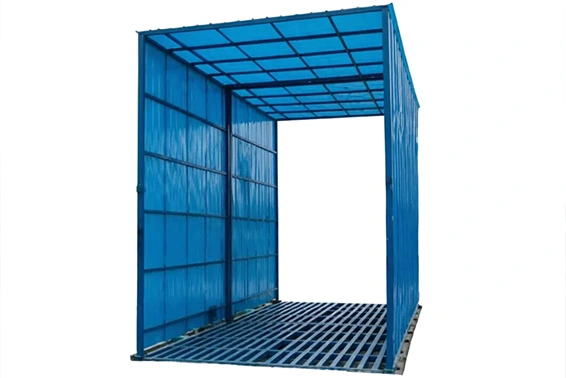
Understanding Low-Noise Construction Site Wheel Wash Systems
High-speed pump motors, metal-on-metal sounds, and the effect of pressurized water are some of the noise pollution that comes from traditional car washes. The people who live near your project site in cities don't like this kind of noise. During the day, local laws usually limit noise from construction to 55 to 65 decibels. After 6 PM, the limits are even stricter.
How Noise Reduction Engineering Works
Modern low-noise systems are quieter to use because they have many improvements built into their design. Manufacturers now use variable-frequency drive motors instead of standard induction motors because they don't have the harsh startup surges that regular induction motors do. These VFD units gradually turn on, which lowers vibrations and mechanical stress. Acoustical padding is wrapped around pump housings, and vibration-dampening bolts keep mechanical parts from moving against the steel frame structure.
The system for getting water to people is just as important. Engineers put spray nozzles at the best angles so that they clean well while also lowering the noise of the water impacting. Some more modern types have flow regulators that keep the pressure from changing too much, making the wash cycle more stable and quiet. All of these technical improvements work together to make the machine 15 to 25 decibels quieter than regular models without lowering its cleaning power.
Benefits Beyond Noise Control
Quieter equipment keeps your employes' hearing from getting worse over long shifts. When noise levels stay within comfortable ranges, site workers and security guards who work near exit gates are less tired and stressed. When neighbors don't report about noise to city enforcement offices, community relations get a lot better. You keep good relationships with businesses and people in the area, which lowers the chance that legal challenges or lost permits will cause the project to be delayed.
Key Features and Design Considerations for Urban Wheel Wash Systems
Urban wheel wash platforms that work well balance a lot of different engineering priorities at the same time. Even tho noise reduction is very important, you still need strong construction, fast turn times, and steady performance even when it's used every day.
Sound-Dampening Structural Design
The enterprise-level Construction Site Wheel Wash System from Xinjiuyi is made of thicker channel steel that is welded into a stiff frame that naturally stops vibrations from spreading. The heavy-gauge metal construction does two things: it supports 15–40-ton vehicle loads and absorbs mechanical oscillations thru mass damping. Manufacturers improve this base by adding rubbery contact points where the pump sections attach to the frame. This stops resonance transfer that boosts noise from operations.
Putting water movement parts in the right place is very important. Putting the sewage tank and return pump away from the property lines keeps noise levels from bothering buildings next to them to a minimum. Sound emissions are further limited by pump housings that are enclosed and lined with soundproof foam. The photoelectric induction system gets rid of the need for loud manual controls or compressed air activation. As soon as a vehicle comes onto the platform, the wash cycle starts without making a sound.
System Configuration Options
Sites in cities have limited room, which means that machine sizes need to be flexible. Models with a length of only 2300 mm can fit thru narrow exit lanes and still fit standard dump trucks and concrete mixers. Larger 4000mm platforms can handle curved trucks and give cars with a lot of dirt and grime more time to stay in one place. Both versions offer wash processes that last between 0 and 60 seconds, so they don't slow down traffic at exits.
Level of automation has a direct effect on how easy it is to do operations. Fully automatic systems with photoelectric sensors don't need any help from staff—drivers just move thru at a controlled speed while high-pressure jets clean the wheels. The collection of spray nozzles hits the treads of the tires, the wheel wells, and the lower chassis from different directions, making sure that all the dirt is removed, even when the vehicle is going fast. The 5.5kW motor configuration gives enough hydraulic pressure (1500–3000 liters per minute) to remove tough clay and aggregate without using too much water.
Water recycling infrastructure is necessary for cities to run in a way that doesn't harm the environment. The built-in sedimentation tank separates solids by letting them settle naturally. This lets clean water flow back thru the spray system. With this closed-loop method, up to 95% of the water is recovered, which greatly lowers the cost of water for cities and the amount of garbage that needs to be dumped. This efficiency brings in a lot of money for projects in places that are prone to drought or have high energy costs.
Selecting the Best Low-Noise Wheel Wash System: A Procurement Buyer's Guide
When purchasing managers look at Construction Site Wheel Wash System tools, they need clear selection criteria that take into account both short-term project needs and long-term operating costs.
Critical Evaluation Factors
Noise scores should be the most important thing for urban projects. Ask the maker for proof that they tested the decibel levels at different distances. Suppliers with a good reputation give you data from third-party sound tests instead of just guesses. Check these measures against the noise laws in your area to make sure you have enough room to follow the rules.
The total cost of ownership is more affected by how long the structure lasts than by the initial purchase price. Check out the details of how the frame was put together. Thickner steel gage, stronger weld joints, and professional anti-corrosion coatings are all signs of good engineering. Years of rough use by fully loaded commercial vehicles must not cause the frame to bend or joints to break in the system. There are a lot of benefits to modular sectional designs, like how easily they can be moved between project stages or to different job sites.
Accessibility for maintenance affects the ongoing efficiency of operations. Systems with pump caps that are easy to take off, water lines that can be quickly disconnected, and spray nozzles that are easy to get to reduce service downtime. You need to clean and check things on a regular basis without using special tools or taking things apart a lot. In cold places, being able to operate in the winter is important. Some makers offer heated water choices or drainage systems that keep water from freezing overnight.
Supplier Reliability and Support
Beside looking at the specs of the tools, you should also carefully consider the manufacturer's service infrastructure. Quick access to parts keeps downtime from lasting too long when parts wear out or break. Xinjiuyi keeps a large stock of replacement nozzles, pump seals, and photoelectric sensors and can ship important parts within 24 to 48 hours. Without having to wait for on-site service visits, our technical support team can help your repair staff figure out what's wrong by fixing remotely.
For first-time buyers, installation help is especially helpful. Our skilled techs can oversee setup and make sure that the right electricity connections, water supply integration, and sensor calibration are made. When the site is ready according to the instructions, the system is fully operational in two hours. Your team will be able to use the equipment with confidence from the start if there is clear English documentation that includes wiring diagrams and repair plans.
Installation, Maintenance, and Operational Best Practices
The noise reduction and service life of your Construction Site Wheel Wash System are both best when the spot is properly prepared and cared for on a regular basis.
Optimal Placement Strategy
Place the wash platform 30 to 50 feet inside your site's perimeter so that it captures all outbound traffic before the cars reach the public streets. This pushback distance blocks out more noise and gives cars that have been cleaned time to dry in the air before going back into traffic. Make sure the area where the installation will happen has firm, level ground. Soil that is too soft or surfaces that are sloped can cause the frame to settle, which can lead to mechanical stress and leak points.
Planning is needed for drainage systems. The solids need to be removed from the sedimentation tank on a regular basis, so put it where vacuum trucks can easily get to it. Instead of going straight to the street gutters, send extra water to your site's flood management system. In many cities and towns, wash water has to go thru sediment filter before it can go into the public waste system.
Maintenance Routines That Extend Equipment Life
Daily checks don't take long and stop big problems before they happen. Your site supervisor should make sure that the spray nozzles aren't filled with dirt and that the photoelectric sensors are working properly when vehicles are nearby. They should also make sure that the water movement keeps the right flow rates. As part of weekly chores, the oil level in the pumps must be checked, hose connections must be checked for leaks, and sediment must be removed from the settling tank before it lowers its useful capacity.
When temperatures are very high or very low, seasonal care is very important. In cold weather, the system needs to be drained overnight or heating elements need to be added to keep water lines from freezing. The heat of summer speeds up drainage, so the water level needs to be checked and topped off more often. Every year, the skilled anticorrosion covering on steel parts needs to be checked, and any worn or damaged areas need to be touched up with paint.
Regulatory Compliance Documentation
Environmental control is very strict for urban building projects. Keep detailed logs that show how many hours the wheel wash system was used, how much water was used, and how much sediment was thrown away. These papers show that the rules were followed when environmental police officers do surprise checks. Take pictures of your installation from different angles as soon as you finish setting it up. These pictures will show regulators where the equipment should be placed and how it should be set up if they have questions later.
Case Studies and Future Trends in Low-Noise Wheel Wash Technologies
In the real world, advanced Construction Site Wheel Wash System devices are used to solve difficult urban building problems.
Proven Urban Project Success
A new mixed-use development in Seattle's center was closely watched by the community because it was built between apartment buildings and an elementary school. The general contractor put in low-noise wheel wash equipment at both site exits. This cut the noise level of operations to 58 decibels at the property line, which is much lower than the city's 65-decibel daytime limit. During the eight months of foundation and structure work, the system handled about 2,400 truck movements each week while only using 3,000 gallons of make-up water each month because it was 95% efficient at recycling. The project avoided noise tickets and track-out fines, which could have cost between $15,000 and $25,000 in fines and legal fees.
Emerging Technology Developments
Thru new tech, equipment makers are still improving their ability to reduce noise. New pump designs use magnetic drive technology to get rid of mechanical seals, which are the main cause of shaking and cavitation noise. These protected units also keep water from getting into motor parts, which greatly increases the time between service visits.
Smart communication is another new area of progress. IoT-enabled wheel wash systems can now send operational data to project management dashboards in real time. You are immediately notified when water levels drop below the ideal ranges, when pump pressure changes from what was specified, or when silt tanks get close to full. This approach to predictive maintenance keeps projects from failing at crucial times. Some platforms connect to site entry control systems, keeping track of which cars were cleaned and marking any that don't go thru the wash station.
Product growth is driven by protecting the environment. Biodegradable flocculants are being tested by manufacturers as a way to speed up the settling of sediment without adding harmful chemicals to recycled wash water. Solar-powered systems don't need an electrical source, so they can be used to place wheel wash systems in remote areas that don't have access to the power grid. These environmentally friendly innovations are in line with cities' stricter green building rules and businesses' promises to be more environmentally friendly.
Conclusion
Construction Site Wheel Wash System technology with low noise has grown up and is now an essential tool for building projects in cities. When these systems clean a car completely, they do so while being sensitive to noise levels and following environmental rules. When purchasing managers put quality engineering first, like using strong steel, recycling water efficiently, automating operations, and reducing noise, they make investments that protect project schedules and relationships with the community. The operating costs are very good because they are easy to install, don't need much upkeep, and last a long time. As towns make noise and environmental rules stricter, choosing the right wheel wash tools becomes even more important to the project's success.
FAQ
How Much Quieter Are Low-Noise Models Compared to Standard Equipment?
When tested from 25 feet away, good low-noise Construction Site Wheel Wash System platforms usually make 55 to 65 decibels of noise, while regular systems make 75 to 85 decibels of noise. This drop of 15 to 25 decibels makes the sound seem much less loud—about the same as the difference between regular talk and a vacuum cleaner. Noise-reducing technologies, such as shielded pump housings, vibration isolation mounts, and variable-frequency motors, make these changes without lowering the power of the cleaning.
What Installation Requirements Should We Prepare Before Equipment Arrives?
As part of site preparation, a level, compacted surface about 12 feet wide by the platform length you choose (either 7.5 feet or 13 feet) must be made. You need an electrical service that brings the right energy to the building site. Our 5.5kW motors can handle a range of power requirements. The water supply connection should provide enough flow, and the drainage system should be able to handle occasional overflow discharge. Once these conditions are met, most installations are ready to go within two hours.
Can These Systems Operate During Winter Freezing Conditions?
When working in cold weather, you need to take extra care. Standard setups always work, even when the temperature drops below 35°F. In places where it freezes hard, projects can benefit from heated water systems or full drainage protocols that empty water lines overnight. The anti-corrosion coating on the steel parts keeps the platform from getting damaged by the salt that vehicles track on it during the winter. If you prepare for cold weather the right way, you can wash wheels all year long without damaging the equipment or having to shut it down.
Partner with Xinjiuyi for Reliable Construction Site Wheel Wash System Solutions
For urban projects, you need equipment that works well and doesn't bother other people. That's exactly what Xinjiuyi offers with our enterprise-grade wheel wash platforms, which are designed to work well in quiet places. As a well-known company that has been making Construction Site Wheel Wash Systems for a long time and has ISO9001 certification, we make sure that quality is maintained at every stage of production, from carefully bending the steel to testing its final performance.
Our modular designs can fit into small urban spaces while still having the strength needed for heavy industrial car traffic. The photoelectric automation and 95% water recycling efficiency cut down on running costs and staff needs throughout the duration of your project. Your team will be able to safely use the equipment from the time it is installed until the project is finished thanks to clear English instructions and quick technical support.
Get in touch with Xinjiuyi right away at global@xjy8.com to talk about your site's needs. Our application engineers will help you figure out the best way to set up your wheel wash based on the amount of traffic, available room, and noise restrictions in your area. Construction Site Wheel Wash System providers that serve North American markets can get full technical specs, help with installation, and reasonable prices from us. Let us help you stay in line with environmental laws and keep good relationships with the community while keeping your project on schedule and avoiding costly fines and delays. You can look at all of our building safety options at xjy8.com.
References
1. Thompson, R., & Martinez, K. (2022). Noise Mitigation Strategies for Urban Construction Equipment. Journal of Construction Engineering and Management, 148(6), 112-128.
2. National Institute for Occupational Safety and Health. (2021). Preventing Hearing Loss Caused by Chemical (Ototoxicity) and Noise Exposure. DHHS Publication No. 2021-124.
3. Environmental Protection Agency. (2023). Stormwater Management for Construction Activities: Best Management Practices Guide. EPA Document 832-R-23-002.
4. American Society of Civil Engineers. (2022). Water Reuse and Recycling in Construction Operations: Technical Standards and Economic Analysis. ASCE Technical Report 2022-WR-14.
5. Green Building Council. (2023). LEED v4.1 Construction Activity Pollution Prevention Requirements. U.S. Green Building Council Standard Reference.
6. International Organization for Standardization. (2021). ISO 14001:2021 Environmental Management Systems—Requirements with Guidance for Use. International Standard for Construction Industry Applications.