What Is a Light Tower and How Does It Work?
A Light Tower, commonly called a tower light or portable illumination unit, is a self-contained structure designed to deliver high-intensity lighting across expansive outdoor areas. These industrial-grade systems consist of a vertical telescoping mast that extends upward—often reaching 6 meters or more—supporting multiple high-output lamps powered by an integrated generator, battery, or external power source. The entire assembly is mounted on a stable base or trailer for easy relocation across work sites. Unlike fixed floodlights, these units provide 360-degree coverage and withstand harsh environmental conditions, making them essential for nighttime operations where traditional infrastructure is unavailable or impractical.
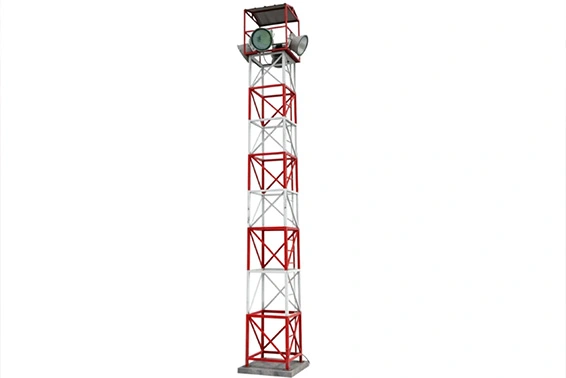
Understanding Light Towers: Definition and Core Functionality
What Makes Up a Mobile Lighting System?
Every movable lighting unit has three important parts that work together well. The backbone is the mast assembly, which is made up of thicker, galvanized rectangular tubes and angle steel that is joined together into vertical poles. This engineering method stops dangerous shaking at high elevations and resists wind loads. At Xinjiuyi, our units have 40 mm × 40 mm columns and 0.8 mm walls, which makes the structure stable even when it is fully extended to 6000 mm.
The lighting array usually has LED or metal halide fixtures that are made to cover a large area. LED technology has become more popular in industrial buying because it uses less fuel, can turn on and off instantly, and lasts longer than 50,000 hours. Metal halide choices are still good for projects that do not need a lot of money up front, but they need time to warm up.
Power production is different depending on the needs of the place. Diesel-powered units can run continuously for 60 to 100 hours on a single tank, making them perfect for places that do not have access to electricity. Solar-powered versions have large battery banks with MPPT controls that keep the output constant, even when charging cycles get longer in the winter.
How Does Height Adjustment Work?
The flexible feature lets workers change the height of the lighting to meet their needs. With a load-bearing capacity rated for high winds, hydraulic systems allow for smooth, controlled extension. Alternatives to manual winches work reliably and do not need to be maintained with hydraulic fluid.
Safety rules say that lifting wires must be checked for fraying on a regular basis, telescopic parts must be greased, and locking mechanisms must be checked to make sure they work properly at each height increase. Our hot-dip galvanized frame gets an extra coating of anti-corrosion paint, giving it two layers of protection that make it last longer than 20 years in tough construction environments.
Key Benefits and Usage Scenarios in Industrial Procurement
Why Nighttime Construction Lighting Transforms Project Timelines?
If you want to add night shifts to your development schedule, you need reliable lighting infrastructure. Poor sight puts workers at risk, slows them down, and raises the risk of an accident. In harsh outdoor conditions, traditional temporary lighting does not always work. You need tough equipment that keeps working even when the weather changes, like rain, wind, and temperature.
With Light Tower industrial-grade design, our mobile lighting options solve these problems. The galvanizing steel frame does not rust or corrode after years of use, and the raised position gets rid of dark spots that are a common place for accidents to happen. Project managers say that reliable lighting at night lets operations run around the clock during busy times, doubling the number of hours that can be worked without lowering safety standards.
Real-World Applications Across Multiple Industries
For mining and construction engineering work, steady lights that can handle vibration and dust is helpful. The strong structure can handle transport over rough terrain, and the IP65 rating for ingress protection keeps particles from getting into the electrical parts. During 24-hour operational cycles, both underground extraction faces and surface transport routes are always lit up.
In emergency cases, the ability to quickly move is needed. Rescue and disaster aid efforts depend on these units to quickly set up safe working conditions in places that do not have power lines. Battery-powered and solar versions make less noise and pollution, which are important when working near hospital emergency areas or neighborhoods that have been hit by natural disasters.
Material video apps light up storage areas and equipment yards at night, making them safer by giving all sides a clear view. The high position gives security staff a better view of valuable assets and discourages theft while letting them watch over larger areas with fewer units.
Specialized designs are used for large outdoor events and projects to maintain infrastructure. For paving and bridge repairs to be done at night, non-glare LED optics are needed so that workers can see clearly without blinding drivers. In event management situations, you need to be able to work quietly and think about how things look as well as how they work.
Environmental Impact Considerations in Procurement Strategy
Comparing how much energy different types of power use helps with sustainable buying that fits with CSR goals. Diesel units are more efficient when they use Tier 4 engines, which lower emissions while keeping longer run times. Solar technology completely gets rid of fuel costs, but it requires a bigger initial investment and a careful cost-benefit analysis based on how long the system will be used.
Hybrid models combine green energy sources with backup power plants to get the most out of the fuel they use in all kinds of weather. More and more, purchasing managers are thinking about the environmental effect over the whole span of an item when making choices about what to buy. They know that the original cost of acquisition is only one part of the true cost of ownership.
How to Choose the Best Mobile Lighting Solution for Your Business Needs?
Defining Your Purchase or Rental Requirements
The Light Tower procurement strategy is based on unit quantity and deployment scenarios. For one-time needs that last a few weeks, renting may be best, but for contractors who run 24/7 operations at night, buying is the better deal. Rental companies that want to grow their fleets choose setups that are structurally durable and easy to service so that they can be used more than once with little care.
When you buy in bulk, you can make changes to the products. Our engineering team works with your specs to find the best way to light up any space, whether you need small units for tight spaces or long setups for large work areas. Custom logos and color schemes make it easier to find tools across multiple sites.
Critical Specifications for Industrial Applications
Coverage area and work quality are based on how bright the light is, which is measured in watts. Professional units have lumen outputs between 100,000 and over 500,000. LED technology gives more lumens per watt than traditional lamp types. Figure out how bright you need to be by measuring the size of the work area and the level of precision needed for the job. For example, fine detail work needs more light than general material handling.
The efficiency of the power source affects both the cost of doing business and the environment. Check how much fuel is being used, how loud the unit is (usually 63dB at 7 meters for quality units), and see if there are any rules on the site that say diesel operation cannot happen at certain times. Our units are designed to be waterproof and resistant to impact, so they can keep working in all kinds of weather without any help from an operator.
Evaluating Manufacturers and Product Offerings
Certification standards make sure that quality and following the rules are met. Certifications like ISO 9001, ISO 45001, and ISO 14001 show that a company is serious about quality control, following safety rules at work, and caring for the environment. CE and UL markings prove that electricity safety standards have been met, which lowers your risk of liability and makes getting insurance easier.
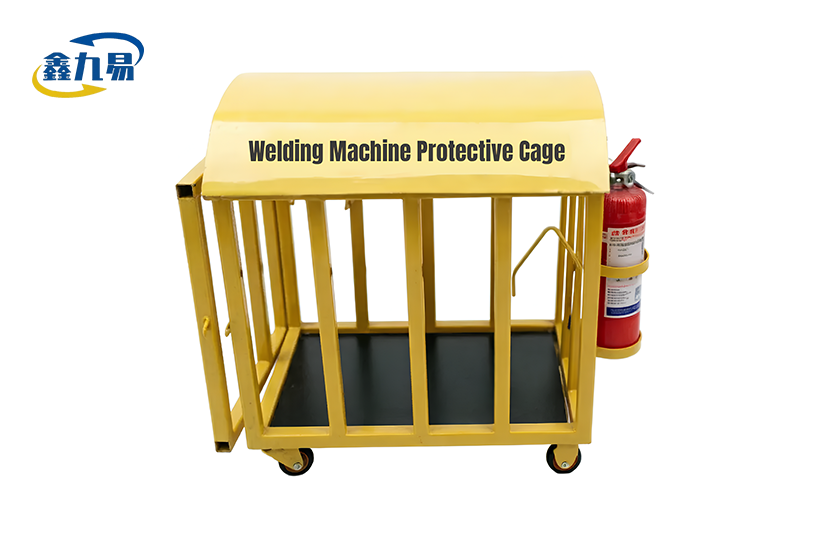
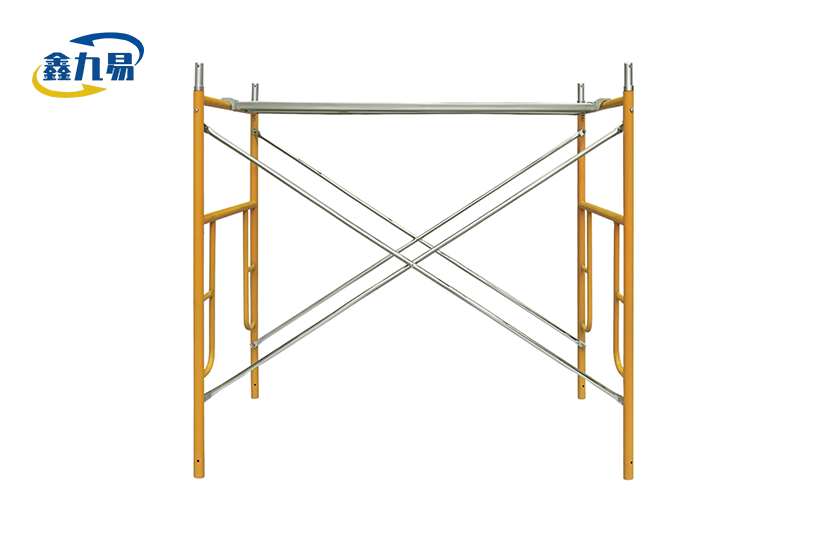
Warranty terms and service after the sale are what set trusted partners apart from transactional providers. Our technical support lasts the whole lifecycle of your project, answering questions about how it works and making changes as site conditions change. Customization lets non-standard configurations be made to fit specific needs, like protection canopies with special dimensions or customized scaffolding combinations for certain situations.
Delivery dependability is affected by how mature the supply chain is. Manufacturers with complete production facilities and well-developed logistics networks keep stock on hand so they can quickly fill orders. This is especially important when unexpected project delays mean that urgent lighting needs arise. During the pre-sales consultation, we show you detailed renderings that make it easy to plan your project before it starts being made.
Maintenance, Safety Tips, and Best Practices
Essential Routine Maintenance Tasks
Scheduled Light Tower repair keeps technology from breaking down, which increases its reliability and extends its useful life. Before each use, check the lifting cables for fraying or corrosion that could lower their load capacity. During active use, lubricate extendable sections once a month to make sure they extend and retract smoothly and to keep parts from seizing up.
Regular upkeep on generators, like changing the oil, replacing the air filter, and checking the fuel system, keeps them from breaking down when they are least expected. Metal halide lights need to have their bulbs replaced after a certain number of hours of use, but LED sconces only need their lenses to be cleaned every so often. To keep their capacity, battery-powered units need to have their terminals cleaned and their charge cycles watched.
Regulatory Safety Standards and Operator Training
According to OSHA rules, there are specific ways that high lighting devices must be used. Operators need to be taught the right way to set up, how to limit wind speed, and how to shut down in an emergency. Keep exclusion zones clear while the mast is being extended and retracted so that workers do not get hurt by moving parts or falling dangers on uneven ground.
Pre-operation plans, maintenance logs, and processes for reporting incidents are all examples of documents that must be kept. These records show that safety rules were followed during audits and find recurring problems that show equipment is wearing out. Our installations come with full setup instructions to make sure they are placed correctly for maximum effectiveness while also meeting regulatory requirements.
Troubleshooting Common Issues
Planning for problems ahead of time cuts down on downtime during key project stages. Problems starting generators are often caused by bad fuel or low battery power. To avoid most lighting failures, keep the fuel fresh and charge the batteries slowly between deployments. Lamp flickering means that the electrical connections are loose or that the ballasts in metal halide systems are failing. This needs to be fixed right away to keep the power from going out completely.
Problems with mast extension can be caused by hydraulic fluid leaks, uneven cable tension, or dirt in the flexible sections. These problems are caught early on by regular cleaning and inspection, before they get worse and cost a lot to fix. Keep extra parts on hand for parts that wear out quickly, like wire assemblies, lamp ballasts, and fuel filters, so that fixes can be done in the field without having to wait for orders from vendors.
Conclusion
Light Tower mobile lighting systems are long-term investments that change how operations work in fields like mining, building, emergency response, and infrastructure repair. Understanding the main parts—structural integrity through galvanized steel frameworks, power generation options that balance efficiency with runtime needs, and the benefits of LED technology—helps you make smart purchasing decisions that fit the needs of the project. Proper upkeep and following the rules protect both the machinery investment and the safety of the workers. Choosing a manufacturer based on certification standards and the ability to customize ensures that the relationship will be valuable in the long run. As tight project deadlines make working at night more and more necessary, these systems provide reliable, wide-area coverage that keeps crews safe and productive no matter what the weather is like.
FAQ
What is the difference between LED and Metal Halide illumination units?
The main difference between LED and Metal Halide light sources is their brightness. LED units use less fuel, last longer (more than 50,000 hours), and can be turned on and off instantly without having to warm up first. Metal halide systems usually cost less up front, but they need more regular lamp replacements and times to warm up and cool down. LED technology has become the standard in modern corporate buying because it has lower total costs of ownership, even though it costs more at first.
How long can a diesel-powered unit run on a single tank?
Professional commercial models can run continuously for 60 to 100 hours, based on how well the engine works, how much fuel it has, and how much electricity it draws. This runtime lets operations last a week without having to be refueled, which cuts down on operational interruptions during key project stages. Solar-powered options do not need any fuel at all, and battery-powered units usually last 10 to 15 hours on a single charge.
Can multiple units be daisy-chained together?
Certain electric or "link-it" configurations let several towers be powered from a single source. This cuts down on fuel use and maintenance costs on large sites. This method works especially well in staged construction zones where centralized power distribution makes things easier to manage. Check the manufacturer's specs to see if they support daisy-chaining and what the highest unit quantity is for each power source.
Partner with Xinjiuyi for Industrial-Grade Portable Illumination Solutions
Xinjiuyi makes mobile lighting systems for businesses that are meant to light up building sites and work areas at night. Our whole structure is made of hot-dip galvanized rectangular tubes that have been coated with anti-corrosion paint. This gives it structural stability that can withstand wind loads and outdoor weathering for more than 20 years. Each unit has a height that can be changed from ground level to 6000 mm, and its layout can be changed to fit your exact coverage needs. As a well-known company that has been serving foreign project buyers, building workers, and equipment hire companies for a long time, we offer ISO-certified quality management along with flexible design and fast delivery. Our engineering team gives you detailed design advice and makes visual renderings before production starts to make sure that all of your needs are met. Email our sales team at global@xjy8.com to talk about your lighting needs and get full technical specs. We can buy in bulk at low prices to help your fleet grow, and we can also sell single units for particular projects. You can look at our full selection of building safety tools at xjy8.com and get a personalized quote right now.
References
1. Thompson, R.J. (2021). Industrial Lighting Systems: Design and Application in Construction Environments. McGraw-Hill Professional Engineering.
2. National Safety Council (2022). Best Practices for Temporary Illumination on Active Construction Sites. NSC Press, Fourth Edition.
3. Martinez, L. & Chen, W. (2020). "Comparative Analysis of LED vs. Metal Halide Technology in Portable Lighting Applications." Journal of Construction Equipment and Technology, Volume 34, Issue 2, pp. 118-135.
4. International Organization for Standardization (2023). ISO 9001:2015 Quality Management Systems – Requirements for Manufacturing Equipment. ISO Standards Publication.
5. Wheeler, D.K. (2022). Mobile Power Solutions for Remote Industrial Operations. Society for Mining, Metallurgy & Exploration Technical Publications.
6. Occupational Safety and Health Administration (2023). OSHA Technical Manual: Section III, Chapter 1 – Portable and Temporary Lighting Safety Requirements. U.S. Department of Labor Official Guidelines.