Can a Light Tower Be Used as a Generator?
Many project managers ask whether Light Tower mobile illumination systems can serve dual functions on construction sites. The straightforward answer is that most industrial-grade lighting systems are designed primarily to deliver high-intensity illumination for nighttime operations, but they do not function as standalone generators. A specialized mobile illumination unit focuses on providing consistent, wide-area coverage through robust vertical structures equipped with high-output fixtures. These units typically require external power sources—either diesel generators, battery packs, or solar arrays—to operate their lighting components. Understanding this distinction helps procurement teams evaluate equipment configurations and plan site power needs effectively.
Understanding the Dual Role: How Does a Light Tower Work as a Generator?
Core Components of Mobile Illumination Systems
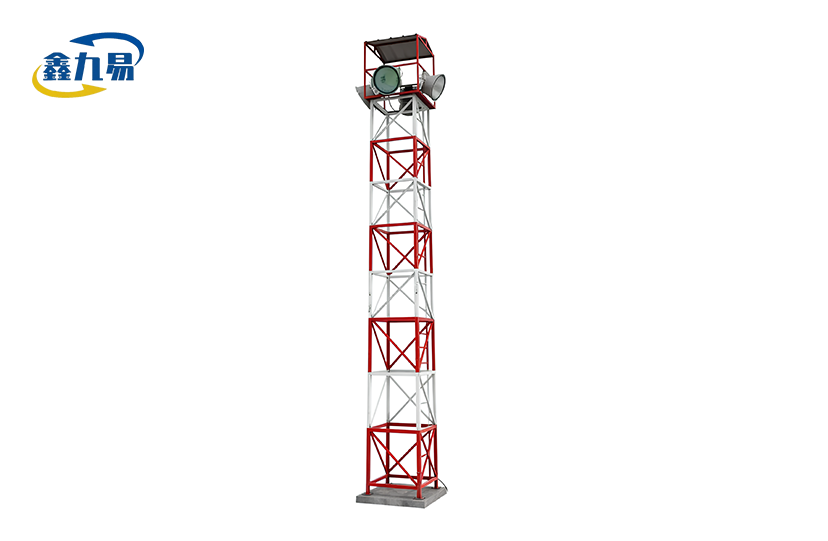
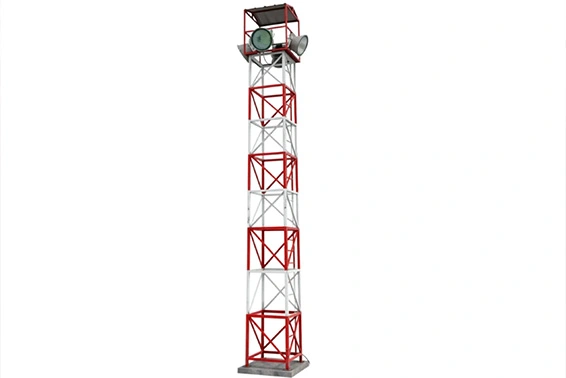
There are three main parts that make up the structure of a professional mobile lighting unit. Made of thickened galvanized rectangular tubes and angle steel, the vertical mast can reach heights of six meters or more. This engineering method makes sure that the structure stays strong in windy conditions and stops dangerous oscillations at high elevations. The light units are attached to the top and usually have LED or metal halide lamps that can produce 100,000 to 500,000 brightness. The base frame keeps the system stable and houses the control systems. However, the power production part is usually kept separate.
Hebei Xinjiuyi Construction Technology Co., Ltd. makes lighting structures out of national standard steel that has been hot-dip galvanized and then painted with high-temperature baking paint. This two-layer protection keeps the product from rusting and weathering in the outdoors for a longer time. Our 40 mm × 40 mm rectangular tube system is 0.8 mm thick and keeps the structure strong even at its highest point.
Power Generation Integration and Limitations
Mobile lighting equipment that has its own power source usually comes as a matched gas engine set. These units are easier to move around because they have both lighting and power generation built into a single towable chassis. Usually, the generator puts out between 5 and 20 kW, which is enough to power the lighting array and maybe even some extra things like power tools or small pumps.
But lighting structures that stand alone, like the ones we make, need to be connected to an outside power source. This way of thinking about design has clear benefits. By separating the lighting system from the power generation, customers can use the generators they already have, change the power sources based on the supply of fuel, or add green energy sources like solar panels. This method also lowers the cost of initial equipment and makes maintenance easier because electrical and structural parts can be fixed separately.
When you try to use Light Tower lighting-only units as power sources, you run into problems. Without built-in power creation, these buildings don't produce any electricity other than what they need to light up. Professionals in procurement need to carefully check the specs and tell the difference between all-in-one powered units and lighting-only frames that need an outside power source.
Types of Light Towers and Their Generator Features
Portable Units with Integrated Power
Fully integrated mobile lighting systems with diesel engines built in are often used in the building business. When these trailer-mounted units get to the job site, they are ready to light up big areas of work without needing any extra power equipment. Depending on the load and how well the engine works, the generator on board can usually run nonstop for 60 to 100 hours on a single tank of fuel.
Modern buyers mostly choose models with LED lights because they use less energy. The use of about 40 percent less fuel with LED technology than with metal halide options while providing the same or better lighting levels. LEDs' instantaneous strike feature gets rid of the need for warm-up periods, letting them work at full brightness right away, which is very important for emergency situations.
Standalone Lighting Frameworks
At Xinjiuyi, our specialized lighting frameworks are in a different group. These buildings are only concerned with providing stable, high-level lighting and don't have any power production equipment built in. Durability and life are more important than movement in this design. These units can last up to 20 years in tough building sites because they are made of thicker galvanized steel and coatings that stop rusting.
This setup works well for projects with already-built-in power systems or for clients who are in charge of handling a variety of generator companies. The modular design lets you choose the best power source for the job, whether it's diesel, propane, a battery bank, or a connection to the power grid. This is possible because each job site and government rules are different. This flexibility is especially helpful for mining operations, long-term infrastructure projects, and buildings that already have electrical systems.
Fuel Types and Operational Considerations
Diesel-powered integrated units are most common in big building and mining because they can run for a long time and fuel is easy to get. Modern engines that are Tier 4 compliant meet strict pollution standards while still putting out a lot of power. At seven meters, noise levels are usually about 63 dB, which is fine for most commercial settings but could be a problem in cities or near homes.
Alternatives to propane offer cleaner burning and quieter operation, but getting fuel and moving tanks can be hard in remote areas. Battery-powered systems don't make any noise or emissions, so they are becoming more and more popular for indoor venues, construction zones in cities, and projects that stress being environmentally friendly. Solar-hybrid setups combine charging from renewable sources with storing in batteries, but performance changes a lot depending on the time of year and the weather.
Practical Benefits of Using Light Towers as Generators on Worksites
Cost Efficiency Through Simplified Logistics
When mobile lighting systems are integrated, less equipment needs to be brought to the spot. Instead of moving around different generators, Light Towers, and cables that connect them, staff use single units that do all three. This reduces the number of people needed for installation, cuts down on setup time, and lowers the cost of transportation. This method works especially well for contractors who are working on multiple projects at the same time or for emergency response teams that need to be able to deploy quickly.
There are different financial benefits to lighting frameworks that stand alone. Because they are cheaper to buy at first, smaller companies and people who are slowly building up their machine fleets can use them. Keeping lighting and power generation separate makes equipment last longer, since structural parts last for decades while generators need to be replaced more often. When electrical and structural systems work separately, trained technicians can service each part more quickly, maintenance costs go down.
Enhanced Safety Through Reduced Cable Clutter
Having power and lighting systems that work together makes construction sites much safer for everyone. Power lines that are hundreds of feet long often run thru work areas in traditional setups, making it dangerous for people who are moving materials or running machines. All-in-one units put the power production right under the lighting panels, so there aren't many wires to run to the work area.
At Xinjiuyi, our stand-alone lighting systems help keep the site safe by being structurally stable. The thickened rectangle tube system can handle wind speeds of up to 100 km/h, which stops the mast from shaking, which can be dangerous when using smaller equipment. Hot-dip galvanization and high-temperature baking paint make sure that the structure stays strong even after years of being exposed to rain, dust, and extreme temperatures. The strong construction means that there is no chance of a sudden structure failure that could put workers below in danger.
Environmental Considerations for Modern Projects
Compared to traditional metal halide lamps, LED technology uses a lot less energy. This means that less fuel is used, which means less pollution. The recorded energy savings help projects that are trying to get LEED certification or meet business sustainability goals. Battery and solar hybrid systems completely get rid of combustion pollution, which lets building happen at nite in places that are sensitive to the environment or have strict rules about air quality.
The choice of materials has an effect on the world over time. Our galvanized steel construction keeps its structural integrity for at least twenty years, so you don't have to deal with the waste that comes with equipment that is disposable or doesn't last long. By fixing up and using lighting frames for more than one project, you can cut down on the energy and resources that go into making new equipment.
Maintenance, Safety Features, and Best Practices for Dual-Use Light Towers
Essential Maintenance Protocols
Systematic maintenance schedules are needed for mobile lighting equipment to work reliably. Integrated diesel engine units need to have their oil changed, fuel filters replaced, and cooling systems checked at times set by the maker. Not doing these regular maintenance tasks greatly raises the risk of breakdowns and the cost of repairs. LED lighting parts don't need much maintenance other than cleaning the lenses every so often and making sure the electrical connections are correct. This is a big cost savings compared to metal halide systems that need to replace bulbs all the time.
Our stand-alone lighting structures need to be inspected to make sure that the paint and galvanization coats are still in good shape. An annual inspection finds any places where rust protection has been compromised, so repairs can be made quickly before the structure is damaged. For the telescopic mast system to work, the moving parts need to be greased and the pulling wires need to be checked for fraying or damage. If there are hydraulic systems, the fluid level needs to be checked and the condition of the seals needs to be checked.
Critical Safety Features and Standards Compliance
Mobile lighting equipment made for professionals has a lot of safety features built in. Automatic stop systems keep generators from breaking down completely when there is low oil pressure, high engine temperature, or too much load. Ground fault circuit interrupters keep people from getting shocked by electricity when it's wet, which is common on building sites. Overload safety circuits keeps damage from happening when users try to use too much power from the built-in generators.
On U.S. building sites, OSHA rules make sure that temporary lighting devices are used safely. To be compliant, all electrical parts must be properly grounded, moving parts must be properly guarded, and the stability of the whole thing must be tested to make sure it won't fall over in windy conditions. CE certification shows that a product meets European safety standards, which is important for international businesses or products that will be sold around the world.
Best Practices for Optimal Performance
Properly handling fuel makes generators last longer and stops failures caused by contamination. Diesel that is stored in clean, covered cases keeps water out and stops microbes from growing, which can clog fuel systems. Propane tanks need to be mounted securely and their valves need to be checked regularly to stop leaks. Battery systems need to be watched to make sure they don't go into deep discharge loops that lower their capacity over time.
The location of the Light Tower site has a big impact on how well the lighting works and how safe the equipment is. Lens fouling doesn't happen as quickly when lighting structures are placed upwind of dusty activities. Putting units on level ground keeps the mast stable and keeps the hydraulic system from having to work too hard. Keeping a safe distance from overhead power lines during mast raising and lowering operations removes the risk of getting electrocuted.
Procurement Considerations: How to Choose the Right Light Tower with Generator Features?
Assessing Project-Specific Power and Lighting Requirements
To choose the right tools, you should first carefully look at how much light and power you will need. Find out how much light your work area needs in order to do your job safely. For example, building a highway might need 50 lux of average horizontal lighting, while welding needs 200 lux or more. Check to see if you need extra power for things like tools, heaters, or pumps. Add up the wattage to make sure the generator's capacity matches the demand with a safety margin.
Runtime needs affect how much fuel to keep in the tank and how often to fix it. Projects that only work eight-hour shifts need less fuel than ones that work 24 hours a day. Extended running powers are useful in remote areas where getting fuel is hard, even if they cost more to buy at first. Think about whether battery or solar-hybrid systems could get rid of the need for fuel logistics completely in some situations.
Rental Versus Purchase Decision Framework
It's more cost-effective to rent equipment for short-term projects, work that needs to be done at nite, or for contractors who want to see how well the equipment works before buying it. Renting takes away the need for maintenance and capital expenditure, but if you use it for more than a few months, the total costs will be higher than the purchase price. Having established rental relationships gives you access to spare equipment when the main units need to be serviced, which lowers the risk of project delays.
Buying tools is a good idea for workers who work at nite or who are building hire fleets. Being an owner lets you make changes, like adding your company's logo and special configurations that aren't offered in normal rental inventory. At Xinjiuyi, we can completely customize all of our products by changing the height of the poles, the number of fixtures, and the structure details to fit the exact needs of each project. During the planning process, our engineering team makes detailed renderings that make sure everything looks good before production starts.
Evaluating Suppliers and Support Infrastructure
The reputation of the supplier has a big effect on long-term customer happiness and the reliability of the tools. Generac, Caterpillar, and Allmand are well-known brands that have been making mobile power and lighting equipment for decades. Check for qualifications like ISO9001 quality management, ISO45001 health and safety at work, and ISO14001 environmental standards when choosing sources for structural parts.
Support after the sale determines whether equipment stays useful or sits idle while it waits to be fixed. Check to see if parts are available, especially for unique parts. Find out if the people who work in technical help really know what they're doing or if they're just reading from a script. At Hebei Xinjiuyi Construction Technology Co., Ltd., our expert team helps with everything from the initial design to the installation and for as long as your equipment is in use. They also answer questions about how it works and make changes as projects change.
Warranty terms show that the company that made the product is confident in its durability. Longer structural warranties, like our 20-year service life guaranty on galvanized steel frameworks, show that you care about how well the building works in the long term. Make it clear what situations, like misuse or poor upkeep, will void the warranty and whether it covers work or just new parts.
Conclusion
When it comes to building safety and productivity, Light Tower mobile lighting systems are very important. However, their ability to make power on their own varies by design. Integrated units that include lighting and generators on board make deployment easier and reduce the amount of logistics needed. On the other hand, lighting frames that work on their own offer freedom, durability, and lower starting costs. When choosing tools, project managers have to think about things like the amount of light they need, whether they need extra power, how mobile the workers need to be, and their budgets. Maintaining equipment properly, following safety rules, and carefully evaluating suppliers are all things that make sure that equipment works reliably for as long as it's supposed to.
FAQ
Can Mobile Lighting Systems Power Additional Construction Tools?
Integrated units with generators on board can provide extra power if the total demand is less than the generator's capacity. A typical 10 kW unit that powers LED lights might have 4 to 6 kW spare for tools, which is enough for drills, grinders, or small compressors. Lighting frames that don't have built-in generators can't power extra tools unless they are linked to power sources that have enough power.
How Long Do Diesel-Powered Units Operate Continuously?
Depending on the size of the generator, the type of lights, and the extra load, most commercial models can run for 60 to 100 hours on a single tank. About 40% less fuel is used by LED systems than by metal halide systems, which greatly increases the runtime. Battery-powered units can usually work for 8 to 12 hours on a single charge. For longer deployments, they need to be charged regularly or with solar panels.
What Structural Maintenance Do Lighting Frameworks Require?
Every year, inspections should be done to check the galvanization, paint, and structural connections. Our hot-dip galvanized steel with high-temperature baking paint doesn't need much care other than cleaning and fixing coatings that get damaged from time to time. Telescopic parts of mast systems need to be oiled, and cables need to be checked. We guaranty that the product will work for 20 years, but only if it is installed correctly and maintained regularly.
Partner with Xinjiuyi for Professional Site Illumination Solutions
Hebei Xinjiuyi Construction Technology Co., Ltd. makes lighting frameworks that are strong and designed to work in tough construction environments. Our galvanized steel structures provide stable, high-level lighting across your work areas. They are made to your exact specifications in terms of height, fixture mounting, and structure layout. Our plans can be changed to fit the exact needs of your project, whether you need units for mining, building infrastructure, or emergency action.
We know that operations at nite need equipment that works well and technical support that is quick to respond. Our engineering team works directly with project managers and site workers to make sure that the lighting coverage is perfect and that it works with the power systems you already have in place. We are a well-known manufacturer seller with ISO certifications and equipment that has been used for 20 years and still works well. Our quality saves your workers and your investment.
Get in touch with our team at global@xjy8.com to talk about your project needs and get full technical specs. We offer professional pre-sales design services, such as renderings, so that you can see exactly what you want before the manufacturing process starts. You can look at our full line of building safety products at xjy8.com or contact us directly to talk about volume discounts and delivery times that work with your project's plan.
References
1. American Society of Civil Engineers. (2021). Standards for Temporary Lighting Systems in Construction Environments. ASCE Publications, Reston, Virginia.
2. International Association of Lighting Designers. (2020). Industrial and Construction Site Illumination: Best Practices Guide. IALD Technical Paper Series, Chicago, Illinois.
3. National Institute for Occupational Safety and Health. (2019). Preventing Worker Injuries and Deaths from Mobile Lighting Equipment on Construction Sites. NIOSH Alert Publication, Cincinnati, Ohio.
4. Society of Manufacturing Engineers. (2022). Galvanization and Corrosion Protection in Outdoor Construction Equipment. SME Technical Journal, Volume 47, Issue 3.
5. Occupational Safety and Health Administration. (2020). Temporary Lighting Standards for Construction Worksites: Compliance Guide. U.S. Department of Labor, Washington, D.C.
6. Construction Industry Institute. (2021). Lifecycle Cost Analysis of Mobile Illumination Systems: Rental Versus Purchase Decision Framework. CII Research Report 2021-08, Austin, Texas.