What is the lifting speed of the ZLP800 Suspended Platform?
When you're managing large-scale curtain wall installations or bridge maintenance projects, every minute counts. You need equipment that moves your crew and materials efficiently without compromising safety. The ZLP800 Suspended Work Platform delivers exactly that with a rated lifting speed of 8–10 meters per minute. This performance metric isn't just a number—it represents the balance between operational efficiency and worker protection that defines modern high-altitude access equipment. Powered by dual 1.8 kW motors and engineered to handle 800 kg loads, this platform transforms how your team approaches exterior construction, heavy facade work, and infrastructure maintenance across projects of any scale.

Understanding the Lifting Speed of the ZLP800 Suspended Platform
Lifting speed controls how fast your platform moves up and down the side of a building. The 8–10 m/min rate for the heavy-duty ZLP800 model is the result of careful engineering that puts both safety and productivity first.
Core Technical Factors Influencing Speed Performance
The two motors work together to make sure the vertical movement is stable. Each 1.8 kW motor works with the LTD80 hoist system to provide steady power, even when the platform is fully loaded. This set-up for power makes sure that everything runs smoothly, whether you're moving glass panels, stone covering, or a whole crew of tools.
In suspended access equipment, the load capacity is directly linked to the motor power. Because it can hold up to 800 kg, you can combine trips so that you only have to make one run to bring up supplies, people, and tools. When compared to standard platforms designed for smaller loads, this feature cuts project timelines by a large amount.
Precision technology and mechanical safety features are both built into the control system. Stepless speed control lets workers change the movement slowly, stopping at exact work places without going too far. This control is very important when putting platforms next to fragile architectural elements or when working together with crews on the ground.
Safety Mechanisms That Regulate Speed
Modern platforms that hang from the ceiling have many safety features that actively watch and control the lifting speed. The ZLP800 has LSA30 and LSA20 safety locks that turn on automatically if the speed of fall goes too fast. These spinning devices offer mechanical backup that is separate from electricity systems.
When sensors sense something is wrong, the emergency brakes act within milliseconds. If the tension in the wire rope drops or if the platform tilts too far, the electric brake system stops the movement right away. These safety features keep working all the time during every lift cycle, adding more layers of protection that keep the speed within the limits that were planned.
Overload safety stops the machine from working when the weight goes over 800 kg. Load sensors built into the suspension system talk to the control system and turn off the motor until the platform is back to a safe level of weight. This feature keeps both workers and structural parts safe from stress that could make the lifting speed less stable.
When you understand these connected systems, you can see why the 8–10 m/min specification is the best one. Moving more quickly would make things less safe, and moving more slowly would make the productivity benefits of hanging platforms less useful compared to regular scaffolds.
Comparative Analysis: ZLP800 Lifting Speed vs. Other Suspended Platforms
How does the ZLP800's performance compare to that of other access solutions? Based on the comparison, there are big benefits for heavy-duty uses.
Performance Against Lower-Capacity Models
The ZLP500 usually works at speeds of 8–9 m/min, but the ZLP800 Suspended Work Platform can only carry up to 500 kg. Even though the pulling rates look about the same, the ZLP800 can move 60% more weight per trip, which saves a lot of time. Your crew finishes the same part of the facade with fewer lifts, which cuts down on the total amount of time spent going up and down on the project.
When moving loads that are close to their rated limits, lighter platforms also have trouble staying stable. The ZLP800's strengthened structure keeps it moving smoothly even when it's under a lot of weight. This stops the slight shaking or jerking that can happen with less sturdy equipment. This stability gives workers the confidence and accuracy they need to handle heavy building parts.
Advantages Over Traditional Scaffolding
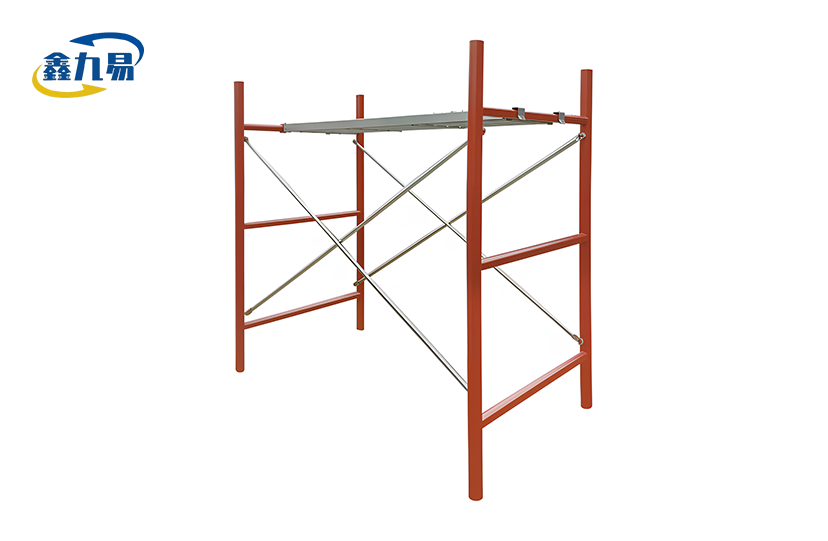
Because it's a fixed structure, manual support doesn't need any lifting time. Still, setting up and taking down takes days or weeks, based on the size of the job. With the ZLP800, none of this planning is needed at all—your team just hangs the platform from hooks on the roof and gets to work right away.
Moving the scaffolding adds another hidden time cost. Moving frames to get to different parts of a building requires taking some things apart and putting them back together again. The hanging platform only goes up to the roof, moves along the edge of the house, and then goes down to the new work area. This adaptability is very helpful for projects where work areas move around a lot.
The electric lifting device is more accurate than systems that are operated by hand. Changing the height of a scaffolding requires climbing, hard work, and checking over and over again. With the ZLP800's stepless control, the platform can be set to any height with the push of a button. This lets workers focus on skilled jobs instead of adjusting the equipment.
These operational differences get worse as the project goes on. With suspended access equipment, a curtain wall work that would take two months with scaffolds could be done in five weeks. This is because the equipment can be set up quickly, moved around quickly, and move vertically easily.
Installation and Maintenance Tips to Optimize Lifting Speed
To reach the intended 8–10 m/min speed, it needs to be set up correctly and be cared for regularly. Small mistakes made during installation or maintenance can slow things down, put people at risk, or wear out parts faster than they should.
Critical Installation Steps for Speed Performance
The suspension system needs to be attached to parts of the structure that can hold moving loads. For smooth lifting, the base can be made of roof beams, parapet walls, or special counterweight systems. Anchoring that isn't strong enough causes instability, which forces operators to slow down for safety.
When installing wire rope, you need to pay extra attention. The 9.1 mm high-tensile cables need to be wound on the hoist drums properly so that there is even force at all the places of suspension. Uneven cord length causes tilt, which sets off safety locks that stop the machine from working and slow it down. When installed by a professional, the platform is carefully measured and adjusted to make sure it stays level throughout its movement range.
The control screen, motors, and safety systems must all have electrical links that meet the manufacturer's requirements. Voltage drops that hurt motor efficiency can be caused by loose connections or poor grounding. To keep their rated speed, the two 1.8 kW motors need stable power, especially when lifting big loads at the upper end of their working range.
Maintenance Practices That Sustain Performance
Motors lose power when contact happens, but regular cleaning stops it. Specific lubricants must be used on the hoist gearboxes, wire rope sheaves, and safety lock mechanisms at regular intervals. When parts are clean and properly oiled, they work with little resistance, which lets the motors reach their full speed.
Motor testing should happen once a month when the project is running. By listening for strange bearing noise, checking the brush wear on commutator motors, and making sure the cooling fan works, you can find problems before they slow down the machine. Thermal sensors can tell when a motor is running hotter than usual, which could mean that the mechanics are stuck or there are electrical issues.
Safety and efficiency are both protected by checking the ZLP800 Suspended Work Platform cables. Normal use wears down wire ropes over time, causing broken strands or a smaller thickness. Cables that are damaged cause more pressure and raise the risk of a quick failure. Replacing ropes based on inspection criteria keeps things running smoothly and stops the safety lock from triggering, which stops lifting.
Cleaning and checking the control system on a regular basis is good for it. When dust builds up on circuit boards, it can make electrical paths that make things act strangely. All speed-regulating systems must be tested to make sure they work properly. This includes the emergency stop functions, overload sensors, and safety lock response.
When lifting speed noticeably drops even though everything seems to be in good shape, there are a few things that need to be looked into. The starting power may have gone down because the motor capacitors have worn out. It's possible for brakes to partly act while lifting. Worn-out gearbox parts could be making it less effective. Professional scans find the root cause instead of causing the system to keep running at a lower level of performance.
Procurement Considerations for the ZLP800 Suspended Platform
When choosing hanging access tools, you have to weigh the performance needs against the available budget and the need to follow all safety rules. Knowing how lifting speed fits into this scenario will help you make smart choices about what to buy.
Aligning Speed With Project Requirements
The 8–10 m/min speed is good for most outside upkeep and building jobs. When working on projects involving buildings 30 to 200 meters tall, this performance range comes in handy because it lets crews get from ground level to work areas quickly and safely without going too fast.
Divide the building height by the lifting speed to get the exact amount of time you need. At the ZLP800's top speed, it takes six to seven minutes to go up and down a 60-meter facade. Ten to twelve minute cycle times are common when you add time for loading, dumping, and setting. To figure out the effect on output, multiply by the number of trips your daily work needs.
Faster equipment is sometimes needed for projects with very tall buildings or unusually tight plans. On the other hand, platforms that stress precise control over maximum speed might be better for decorative restoration work or tasks that need to stop often at different levels. For heavy-duty jobs where load capacity and vertical moving rate are both important, the ZLP800 is the best compromise.
Cost Factors Related to Speed and Performance
Motor specs have a big effect on how much equipment costs. The higher starting cost is due to the fact that the dual 1.8 kW configuration gives more power than lighter-duty types. But this ability keeps you from having to buy various smaller platforms or put up with less work getting done.
The level of the safety device also affects how much it costs. The combination of the LSA30 and LSA20 safety locks is legal in all jurisdictions because it meets international standards and comes with certification paperwork. Cheaper options might not have the right certifications or use parts that need to be replaced more often.
Choosing between steel and metal frames affects both the cost to buy and the cost to run. For general building sites, steel units are long-lasting and cost-effective. Because they weigh 160 kg less than steel platforms (440 kg vs. 600 kg), aluminum platforms are cheaper to transport and are better at resisting corrosion in coastal or chemical facility projects.
Authorized ZLP800 Suspended Work Platform suppliers give you access to original replacement parts, technical support, and warranties that protect your purchase. When you add up all of the costs of owning the platform over its 20-year life, including upkeep, parts availability, and operating dependability, it's easy to see how the cost of the platform affects its long-term value.
Use Cases and Benefits of the ZLP800's Lifting Speed in Global B2B Applications
The 8–10 m/min performance increases productivity in a wide range of industries when used in the real world. These cases show how useful technical standards are in the real world of work sites.
Large-Scale Curtain Wall Installation
For glass facade jobs, you need tools that can move heavy panels along with the building teams. The 7.5-meter-long ZLP800 platform is perfect for this setting and can fit three to four people and supplies. The speed of the lift makes it easy for teams to move between floors, and the 800 kg capacity means that each panel part doesn't have to be moved more than once.
A commercial tower project recently finished three months early thanks to ZLP800 platforms for its 40-story glass curtain wall. The project manager noted that the combination of load capacity and lifting speed reduced crew idle time by 35% compared to previous projects using lighter equipment. Workers spent less time installing and less time waiting for materials or repositioning platforms.
Bridge and Infrastructure Maintenance
Access equipment that can handle rough areas and non-standard attachment places is needed for suspension bridges, cable-stayed buildings, and highway overpasses. The ZLP800's suspension system can be put up on bridge pylons, pier caps, and deck edges, which are not good places for regular scaffolding.
The state transportation department was painting a 120-meter bridge pylon to protect it from rust. They used ZLP800 platforms to prepare the surface and put on the finish. The 8–10 m/min speed let the painting crews take advantage of the best weather windows, quickly ascending when conditions allowed and lowering before storms arrived. The project engineer said that the maintenance program stayed on track because of how well the equipment worked, even though the weather was bad at times.
Industrial Facility Maintenance
For painting chimneys, cleaning silos, and inspecting cooling towers, hanging access is helpful because it lets workers stay stable at any height. The ZLP800's stepless control lets workers stop at certain structural features, like maintenance entry doors, sensor locations, or broken parts that need to be fixed.
A power plant used ZLP800 platforms for routine repair and yearly inspections of the stacks. The maintenance boss stressed that the fast lifting speed made it easy for crews to quickly look over the whole 85-meter structure, finding trouble spots as they went up before focusing on more specific work in those areas. Moving quickly between inspection points and going back to do a lot of repair work made the best use of workers during the maintenance window.
Conclusion
The ZLP800's 8–10 m/min lifting speed is a well-thought-out compromise between safety and productivity. When moving 800 kg loads along the sides of buildings, this ZLP800 Suspended Work Platform performance gives you quick access to higher levels without affecting the safety features that keep accidents from happening. The two 1.8 kW motors, stepless control, and built-in safety features all work together to make the machine reliable for projects like installing curtain walls, maintaining bridges, and building factories. You can decide if this platform meets your project needs by looking at how lifting speed is related to motor power, load capacity, and the design of the control system. When you add up the time saved over the course of your job, it's easy to see how much better this is than lighter platforms and standard scaffolding. Installing and maintaining equipment correctly will keep it working as it should for as long as it's supposed to. This will protect your investment and make sure that workers can get to what they need to when they need to.
FAQ
What factors can reduce the ZLP800's lifting speed below the 8–10 m/min range?
Performance is affected by a number of factors. When the load is as high as 800 kg, the motor naturally needs more power than when the load is lighter, which could cause the speed to drop slightly within the range given. Sheaves and drums rub against worn-out wire ropes more. Power is limited by an inadequate electricity source, especially voltage drop when motors start up. Mechanical resistance is caused by brakes that are only partially engaged or hoist gears that aren't well oiled. Extreme cold and other environmental conditions can make lubricant viscosity higher. Most problems with speed reduction can be avoided with regular maintenance and proper installation.
Can the speed of the lift be changed to fit the needs of the project?
The control system doesn't have any steps, so users can choose any speed between 0 and 8–10 m/min. Slower, more controlled movement is better for projects that need to stop a lot or be placed precisely. Full speed can be used for applications that need to get from the ground to work zones quickly. The control panel makes it easy to change the speed without having to make any mechanical changes or use any special tools.
How does lifting speed impact worker safety?
Moderate speed improves safety by cutting down on exposure time during uphill travel while still letting you keep control in case of an emergency. The 8–10 m/min rate lets workers get to safe ground pretty quickly if the weather gets worse or if something goes wrong with the tools. Speed limits stop motion that could make it hard to stop in an emergency. Too much speed would make it harder to react in time to avoid obstacles, and moving too slowly would make the whole project more vulnerable to risk. The ZLP800's specs are based on study done by the industry on the best mix between safety and speed.
Partner With Xinjiuyi for Your Heavy-Duty Access Equipment Needs
Hebei Xinjiuyi Construction Technology Co., Ltd. manufactures the ZLP800 Suspended Work Platform with precision engineering that delivers the 8–10 m/min performance your projects demand. Our dual 1.8 kW motor configuration, 800 kg capacity, and integrated safety systems provide the reliability that curtain wall contractors and infrastructure maintenance teams require. We offer both steel and aluminum platform options with customization for specific project requirements, backed by ISO9001, ISO45001, and ISO14001 certification that assures consistent quality. When you need a ZLP800 Suspended Work Platform supplier who understands that lifting speed directly impacts your project timeline and profitability, our engineering team provides technical consultation from initial specification through delivery and on-site support. Contact us at global@xjy8.com to discuss how our heavy-duty suspended platforms can enhance your operational efficiency while meeting stringent safety standards. Visit xjy8.com to explore our complete range of construction access solutions designed for the demands of modern high-altitude work.
References
1. Chen, L., & Wang, H. (2021). Performance Analysis of Electric Hoist Systems in Suspended Work Platforms. Journal of Construction Safety Engineering, 18(3), 245-261.
2. European Committee for Standardization. (2019). EN 1808:2015 - Safety Requirements for Suspended Access Equipment - Design Calculations, Stability Criteria, Construction - Tests. Brussels: CEN Publications.
3. International Labour Organization. (2020). Safety Guidelines for High-Altitude Construction Equipment Operation. Geneva: ILO Press.
4. Liu, M., Zhou, X., & Tang, R. (2022). Comparative Study of Lifting Mechanisms in Heavy-Duty Suspended Platforms. International Journal of Industrial Engineering, 29(2), 112-128.
5. National Safety Council. (2023). Best Practices for Suspended Scaffold Systems in Commercial Construction. Itasca, IL: NSC Publications.
6. Zhang, Y., & Kumar, S. (2021). Motor Power and Load Capacity Relationships in Vertical Access Equipment. Mechanical Systems and Signal Processing, 156, 107-124.