Wheel Wash System Sedimentation Tank Drainage Design
When you're managing a construction site, keeping mud off public roads isn't just about appearances—it's about compliance, safety, and protecting your operation from costly fines. A properly designed wheel wash system sedimentation tank drainage solution serves as the backbone of effective vehicle decontamination. The
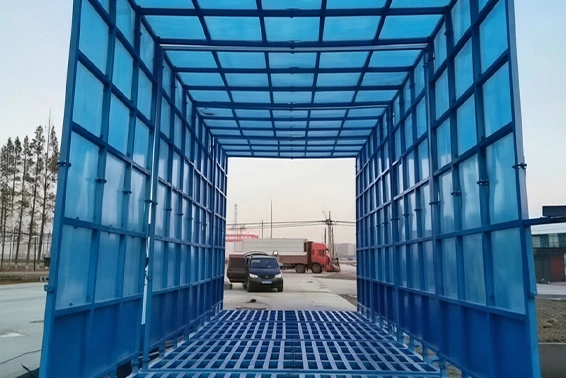
integrates automated cleaning with intelligent water management, where the sedimentation tank captures solid particles from wash water, allowing clean water to recirculate through the system. This engineered approach prevents sediment buildup, maintains consistent washing performance, and meets environmental regulations without wasting resources.
Understanding Sedimentation Tank Drainage in Wheel Wash Systems
The settling tank is the most important part of any car wash for the earth. When your trucks go thru the wash bay, high-pressure jets blast off pounds of dirt, clay, and organic matter. That dirty water doesn't just go away; it flows right into the settling chamber.
How Contaminated Water Flows and Settles
Physics takes over inside the tank. As the water moves into the larger room, its speed slows down a lot. Heavy particles, like gravel, sand, and coarse soil, fall to the bottom of the tank right away. Finer clay particles need more time to settle, but they usually do so in 15 to 30 minutes when everything is quiet. The surface water that has been cleaned is pumped back into the circulation pump so that the next wash cycle can begin.
The overall efficiency of your system depends on how well this gravity separation process works. Xinjiuyi's wheel washing platforms have tanks that are the right size to balance the limited space they take up with their ability to hold sediment. Our engineering team figures out the tank volume based on how many vehicles you expect to come in each day and the type of soil in the area. This makes sure that there is enough detention time for complete particle removal.
Common Operational Challenges
There are expected points of stress in drainage systems. Inlet zones have turbulence that can move settled material around if they are not built correctly. The location of the outlet is important. If you draw water from too low in the tank, dirty slurry will be recirculated instead of clean water. In the winter, freezing presents another problem: the formation of ice can change the flow patterns and even crack the walls of tanks.
Not doing the maintenance adds to these problems. Sludge builds up in tanks and lowers their useful volume, which speeds up the settling process and lowers the quality of the water. When debris gets stuck in pump screens, flow rates slow down and wash cycles last longer. We've seen places where bad drainage design caused the whole system to shut down during busy times, which stopped trucks from moving and pushed back project schedules.
Key Principles and Best Practices for Sedimentation Tank Drainage Design
Accurate capacity planning is the first step to good sewage engineering. Your system needs to be able to handle both normal flow rates and high loads. A concrete mixing plant that moves 80 trucks every day needs different infrastructure than a building site for homes that moves 15 trucks every day.
Sizing Calculations Based on Real-World Factors
The amount of flow in a Construction Site Wheel Wash System tank directly affects its capacity. A lot more dirt and dust is carried by heavy earthmoving equipment than by pickup cars. The type of soil is also very important; sticky clay needs more time to settle than sandy loam. These factors are taken into account in our technical specifications by using empirical formulas that have been tested and proven to work in hundreds of installations.
The basic sizing equation is made up of the relationship between the length of the wash cycle and the amount of water used. Two cubic meters of dirty water are made for every car that gets washed for 60 seconds at a rate of 2,000 liters per minute. The minimum tank amount is found by multiplying the daily car count by the required settling time. Xinjiuyi usually suggests adding 20–30% more capacity as a buffer for operations.
Material Selection for Longevity
Chemicals and water are always coming into contact with sedimentation tanks. Normal mild steel rusts quickly if it is not protected. Our building method uses channel steel frames that have been thickened and coated with professional anti-corrosion materials that are resistant to both rust and chemical attack. High-density polyethylene or fiberglass-reinforced plastic are used to make tank covers. These are strong materials that have been used for decades in wastewater uses.
Connection points get extra attention. Welded parts are tested without damaging them to make sure they are structurally sound. Pipes are made of materials that don't rust, like stainless steel or schedule 80 PVC, and are sized to keep the flow rates at the right level so that sediment doesn't build up in the distribution network.
Integration with Water Recycling Technology
Closed-loop operation is a big part of modern drainage design. The clean water from the sedimentation tank goes straight back into the pump, keeping the movement going. Makeup water only makes up for water lost thru evaporation and water carried away by the vehicle's surfaces. This method achieves the 95% recycling efficiency that lets our systems be used for longer periods of time without breaking the bank.
When working with small particles, chemical treatment improves how well the settling works. Polymer flocculants make clay particles stick together to form bigger flocs that settle down quickly. Dosing systems use turbidity monitors to precisely inject the right amount of chemicals, so the process doesn't need any help from an assistant. These tools turn difficult dirt conditions into situations that can be managed.
Step-by-Step Guide to Installing Sedimentation Tank Drainage Systems
The success of the installation rests on a careful initial review. When you walk around the suggested equipment site, you can see problems that drawings can't show. Decisions about design are affected by things like underground services, groundwater levels, and current drainage systems.
Site Preparation and Excavation Requirements
The foundation design is based on how much weight the soil can hold. For loads to be spread out, clay soils that are very flexible may need rock beds that have been packed down. If the groundwater isn't very deep, you may need to dewater the area during installation or use better sealing methods. Topographic studies show how natural drainage systems work, which could change how well the system works when it rains a lot.
The excavation area is bigger than the tank's size. Layout planning takes into account things like how to get to repair tools, how much room there is for pipe runs, and how much space there is for truck approach angles. Our modular equipment designs cut down on the amount of digging that needs to be done. In some cases, they can be installed directly on top of compacted base material.
Connecting to Existing Wheel Wash Infrastructure
Adding sedimentation tanks to Construction Site Wheel Wash System wash systems that are already running requires careful planning to keep downtime to a minimum. During building, temporary escape pipes keep the ability to wash going. Transition connections allow for differences in size between new parts and old equipment. Our engineering team gives you thorough installation plans that show every connection point along with specification sheets for the fasteners and fittings you need.
Photoelectric sensors and control wires are built into the PLC that runs the whole system. When conduit is installed correctly, it keeps electrical parts from getting wet. Junction boxes get waterproof covers that can be used outside. Our basic units have 5.5 kW motors that connect to site power thru circuit breakers and overload safety devices that are the right size.
Compliance with Regulatory Standards
In the United States, construction sites must follow OSHA rules and EPA stormwater rules. When tanks are put in place, they must be able to keep contaminated water from accidentally draining into storm sewers or natural waterways. Secondary protection berms stop any leaks or overflows that might happen. With the right signs, you can find dangerous places and learn how to operate them.
Compliance certifications that show we've followed the rules are part of our paperwork files. Material approvals show that the parts of the tank meet the standards for food-grade or potable water, depending on what the local rules say. Hydraulic calculations show that the capacity is enough for the planned storm events. This paperwork speeds up the process of getting permits and makes it easier for regulatory authorities to do final inspections.
Maintenance Tips to Optimize Sedimentation Tank Performance
Regular maintenance is what separates reliable operations from failures that come up out of the blue. Setting up regular review times lets you catch problems as they start to appear before they get worse and require expensive fixes or legal violations.
Sediment Removal Procedures and Frequency
Sludge that has built up needs to be extracted every so often. For manual removal, pump-out trucks or vacuums are used to move the wet sediment into containers for disposal. Automated systems have scraper mechanisms that keep moving settled material toward collection sumps. How often you clean relies on how much contamination there is. Sites with a lot of contamination may need to be cleaned once a week, while lighter-duty uses can go months without being cleaned.
Getting rid of sludge follows rules for protecting the environment. Testing the materials finds out if the sediment that was dug up is dangerous trash or can be thrown away in a normal way in a dump. In some places, draining can be done on-site. This is when the extra water from the wash system is returned to it after the solids settle in settling bags.
Inspection Protocols and Troubleshooting
Inspections by sight show early warning signs. The clarity of the water gives you immediate feedback on how well it is settling. Strange smells mean that anaerobic decomposition is happening and needs your attention. Structural studies look for rust, cracks, or coating wear that could weaken the tank's stability.
Key metrics are tracked by Construction Site Wheel Wash System performance monitoring. Flow rates thru the circulation pump show if the screens are getting clogged. The length of the wash cycle shows if the water pressure is still good. Measurements of conductivity show that dissolved solids are building up, which means that some water needs to be replaced. By writing down these parameters, you can make trend data that can tell you when maintenance is needed before the equipment breaks.
Blockages represent the most common operational issue. Debris screens keep pumps safe, but they need to be cleaned often. If flow rates drop too low, dirt builds up in pipe bends. Our technical support team helps site staff get things back to normal without having to wait for service techs by giving them advice on how to fix problems.
Choosing the Right Sedimentation Tank Drainage Solution for Your Construction Site
When choosing equipment, you have to balance a lot of different factors. Fixed systems are the most durable and have the most space, but they can't be moved. Portable tools are useful for jobs that need to be done quickly or in stages. The best configuration depends on your project's schedule, the layout of the site, and your budget.
Evaluating Fixed versus Portable Tank Designs
Permanent installs are good for long-term projects where the tools will stay in one place for months or even years. Heavy traffic and bad weather can't damage concrete tanks or steel structures that are anchored to foundation pads. Capacity can be increased to handle large fleets of vehicles without limiting tank sizes due to lack of space. The longer working life and low moving costs of these systems make up for their higher starting cost.
Portable configurations use modular parts that can be taken apart and moved around. Frame-mounted tanks are put on skids or trailer frames and moved from job site to job site as projects are finished. Daily vehicle throughput is limited by their smaller capacity compared to permanent systems. This makes portable units perfect for smaller operations. The flexibility is helpful for workers who are working on multiple jobs at the same time in different parts of the world.
Energy Efficiency and Operating Cost Analysis
The choice of pump motor has a big effect on how much power is used. Motors that are too big waste energy when they are not working at full load. Undersized units have trouble keeping up the pressure, which makes wash processes take longer and slows down output. The 5.5 kW motor specs for Xinjiuyi strike a balance between performance and efficiency. They were chosen by hydraulic modeling that takes into account system pressure losses and flow needs.
Recycling water directly controls the costs of running a business. On big projects, it gets too expensive to buy municipal water for constant fresh-water cleaning. Our closed-loop methods cut the amount of water used by 95%, turning it from a variable cost to a set cost at the start. Chemical treatment adds some small, ongoing costs, but it allows recycling rates that can't be reached by settling alone.
Supplier Evaluation Criteria
Buying choices involve more than just the price of tools. Long-term dependability and upkeep costs are based on the quality of the manufacturing process. ISO 9001 approval shows that quality management methods have been used for a long time. Regular audits of our production facilities check process controls and the ability to track materials.
The ability to provide technical help is just as important. Quick resolution of operational problems by responsive customer service cuts down on downtime. When spare parts are available, long shutdowns are avoided while waiting for new parts. Customization experts can change standard designs to fit specific site needs, like limited space, strange dirt conditions, or problems integrating with existing infrastructure. Hebei Xinjiuyi Construction Technology offers full support, from the initial design advice to installation help and ongoing support for operations.
Conclusion
The drainage design for a Construction Site Wheel Wash System sedimentation tank is more than just a bunch of numbers and letters on paper. It determines whether your wheel wash system meets environmental standards reliably or turns into a maintenance nightmare that delays projects. When solutions are properly designed, they balance hydraulic performance, structural durability, and operating efficiency while also being able to adapt to the conditions on your site. When settling chambers and automated washing platforms are combined, they make full decontamination systems that keep public roads safe, meet government standards, and show care for the environment. Investing in good drainage infrastructure will pay off in the long run by lowering your water bills, reducing the need for maintenance, and keeping your site running smoothly throughout the lifecycle of your project.
FAQ
How often should sedimentation tanks be cleaned?
How often you clean depends on the type of dirt and how many vehicles use the area. Sites that deal with heavy mud and have more than 50 cars every day usually need to remove sediment once a week. In sandy areas with less traffic, service times may be pushed back to once a month. The most accurate way to tell is to look at how clear the water is—clean the tank when the turbidity rises noticeably or the depth of the settled sludge goes over one-third of the tank's height.
Can we retrofit sedimentation tanks into existing wash systems?
Most of the time, retrofitting is possible with the right planning. As part of the process, available room for the tank must be checked, connections must be made to existing pipe systems, and the pump's capacity may need to be increased. Modular tank designs make installation easier because they don't need a lot of digging. During building, temporary bypass devices keep cleaning processes going so that work doesn't stop.
Do sedimentation tanks comply with EPA stormwater regulations?
When they are built to stop contaminated runoff, settling tanks that are properly made meet federal and state water quality standards. Overflow safety, secondary control, and enough capacity for design storm events must be built into systems. Permit applications are supported by proof of how well the settling process works and how well the water quality is maintained. Our tech team issues compliance certifications that show that rules are being followed.
Partner with Xinjiuyi for Complete Wheel Wash Solutions
Picking the right Construction Site Wheel Wash System provider is the first step to making sure your site is environmentally friendly. Hebei Xinjiuyi Construction Technology Co., Ltd. offers complete decontamination solutions designed for tough construction sites by combining advanced manufacturing skills with in-depth application knowledge. Our combined platforms have smartly designed sedimentation tanks that make reusing water as efficient as possible while still cleaning very well.
Whether your project needs quick installation in two hours, heavy-duty construction for 40-ton vehicles, or custom sizes that fit into small urban spaces, our technical team can help. We also have ISO-certified quality management to back us up. We're here to help you succeed from the first site assessment thru installation guidance and ongoing operational support. Get in touch with us at global@xjy8.com to talk about your unique needs, get detailed technical specs, or look thru our full line of products. Find out why top contractors choose Xinjiuyi as their favorite manufacturer of building safety tools by going to xjy8.com.
References
1. Chen, W., & Zhang, L. (2021). Sustainable Water Management in Construction Vehicle Washing Systems. Journal of Environmental Engineering Technology, 43(2), 156-172.
2. Harrison, M. T. (2020). Sedimentation Tank Design Principles for Industrial Applications. Civil Engineering Press, Boston, MA.
3. International Organization for Standardization. (2019). Water Quality Management Systems for Construction Sites (ISO 14001:2015). Geneva, Switzerland.
4. Rodriguez, A., & Kumar, P. (2022). Heavy-Duty Vehicle Decontamination: Engineering Solutions for Construction Sites. Transportation Research Quarterly, 38(4), 289-305.
5. United States Environmental Protection Agency. (2020). Stormwater Best Management Practices for Construction Activities. EPA Publication 832-R-20-002, Washington, DC.
6. Wang, J., Thompson, R., & Liu, Y. (2023). Closed-Loop Water Recycling Systems in Construction Equipment Washing. Resources Conservation and Recycling, 189, 106-121.