How Long Is the Service Life of a Recessed Composite Round Manhole Cover for Grass?
When landscape contractors and municipal project managers specify utility access solutions for green spaces, one question consistently emerges: how long will these covers actually last? The answer directly impacts budget planning, maintenance schedules, and project approval. A Recessed Composite Round Manhole Cover for Grass typically delivers a service life exceeding 20 years when properly installed and maintained. This remarkable longevity stems from advanced composite resin formulations that resist corrosion, UV degradation, and chemical exposure—challenges that severely limit traditional metal alternatives. Understanding the factors behind this durability helps procurement professionals make informed decisions that balance upfront investment with long-term value.
Understanding Recessed Composite Round Manhole Covers
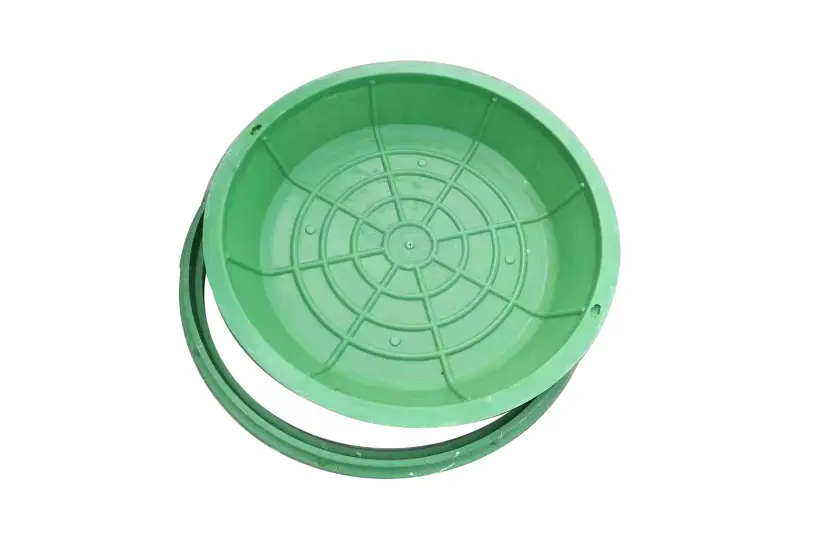
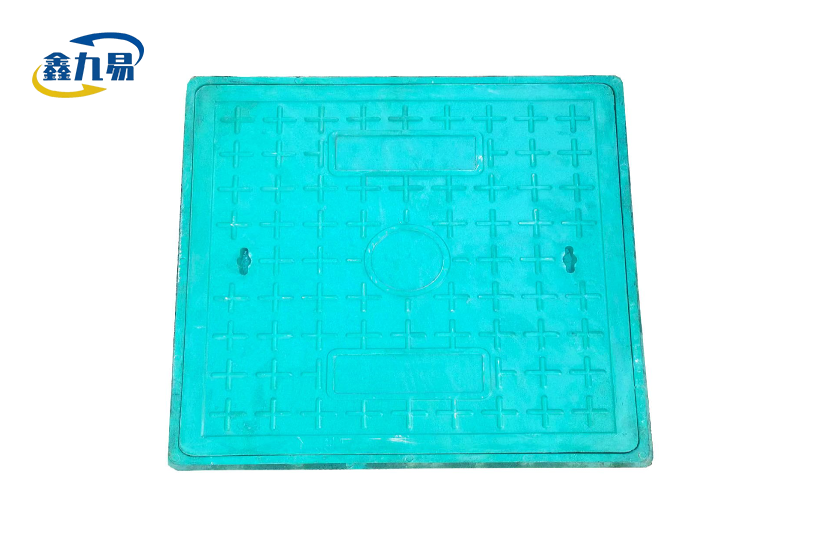
For modern infrastructure to work, solutions need to be reliable and look good with their surroundings. Compared to older designs, composite manhole covers that are made to fit into plants are a big improvement. With these specialized products, high-performance polymer matrices and careful engineering are used to make utility access points that blend in almost completely with landscapes.
What Makes Composite Covers Different?
The main difference is in the types of materials used and how the structures are built. For traditional cast iron covers to be load-bearing, the metal has to be very dense. This makes the products much heavier and requires special lifting tools to install. Composite alternatives use fiber-reinforced polymer (FRP) or sheet molding compound (SMC) to get the same strength at a fraction of the weight—usually 70% less than iron alternatives.
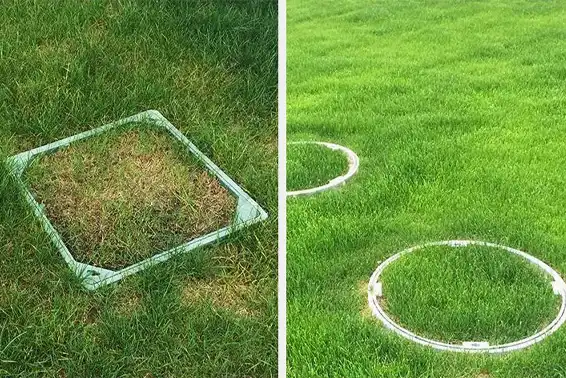
The design that is set back makes a shallow box that is 50 mm to 100 mm deep. This gives dirt and natural grass room to grow roots right on top of the cover. Because of this integration, grass can grow all the way across the utility entry point. This gets rid of the unsightly metal covers that are common in parks, golf courses, and home landscaping. Customizable diameters from 300 mm to 1000 mm allow for a wide range of useful uses while still keeping structural integrity.
Material Performance Characteristics
The composite resin matrix is very resistant to things in the environment that break down other materials. Iron oxidizes when it comes in contact with oxygen and water, but composite formulations don't change chemically even after decades of use. This resistance to corrosion is especially useful in places that get a lot of irrigation, where fertilizers, pesticides, and acidic soil make metal break down faster.
UV stabilization chemicals built into the plastic stop photodegradation, which makes exposed polymers brittle and causes the surface to break. The low thermal transfer of the material keeps grass roots from getting stressed out by heat. This is a typical problem with metal covers that soak up sunlight and leave "burned" spots on the grass around them. The material is non-conductive, so there are no electrical hazards in utility corridors, and it has no scrap value, so thieves have no reason to steal from metal installations.
Factors Influencing the Service Life of Recessed Composite Manhole Covers
Durability in the field of Recessed Composite Round Manhole Cover for Grass rests on a lot of factors that are all connected. Composite materials have benefits on their own, but to get the most out of their service life, you need to pay attention to how they are installed, where they are used, and how they are maintained.
Material Quality and Manufacturing Standards
Longevity starts with the right mix of resin and precise production. High-performance composites have flame retardants, UV inhibitors, and impact modifiers that make them last much longer than basic polymer blends. When fibers are evenly distributed during the manufacturing process and the curing process is done correctly, there are no weak spots that could cause the product to fail early.
Manufacturers of good products follow international standards like EN 124 for load classification to make sure their products meet performance standards for both pedestrian and vehicle traffic. Testing procedures make sure that the material is resistant to absorbing water, being exposed to chemicals, and changing temperatures, all of which are real-life situations that test a material's strength over long periods of time.
Installation Practices and Site Conditions
When fitted incorrectly, even the best materials fail early. Properly preparing the base makes sure that the weight is spread out evenly, which stops stress clusters that could lead to splitting or deformation. The right bedding material, which is usually fine gravel or crushed sand, gives solid support and lets water drain away so that it doesn't build up under the cover.
Long-term success is affected by the type of dirt around it thru chemical interactions and physical pressure. Soils that are very acidic or alkaline won't hurt composite materials, but they might damage the concrete or brick frames that hold up the cover. If there is enough drainage, water won't build up and cause the earth to become less stable, which will increase the hydrostatic pressure against the building.
Maintenance and Inspection Regimens
Regular inspections find small problems early on, which extends the life of the service. Cleaning on a regular basis gets rid of dirt that could block drains or create moisture traps. By checking the closing contact, you can keep underground utilities safe from sediment getting in and stop smells from sewage systems from spreading.
Compared to heavy iron options, composite covers are easier to maintain because they are lighter. Maintenance workers can lift covers with normal tools, so they don't need any mechanical help. This means that checks can be done more often, which finds problems early. This makes infrastructure better maintained, so it needs fewer emergency repairs.
Comparative Analysis: Composite vs Traditional Manhole Covers for Grass Areas
The choice of material has a big impact on how well something works over its whole life and how much it costs to own. When you look at how long-lasting, easy to work with, and valuable composite solutions are compared to traditional ones, it's clear which ones are better.
Durability and Environmental Resistance
Covers made of cast iron will inevitably rust, which weakens the structure over time. Within a few months of installation, surface rust starts to show up. This quickly turns into scaling and pitting, which finally leads to the need for replacement. In difficult regions like the north, salt exposure speeds up this breakdown, lowering the useful life to as little as 10 to 15 years.
The structural properties of composite covers stay the same over the course of their useful life. The material doesn't rust or decay, so it's still strong twenty years later than the day it was put in. This stability is especially useful in places with lots of chemicals, like farms, where fertilizers and pesticides would quickly damage metal surfaces.
Weight and Handling Safety
When installation crews handle Recessed Composite Round Manhole Cover for Grass composite products, they can tell the difference right away. A typical 600 mm composite cover weighs about 15 kg, while an iron unit of the same size weighs 50 kg. This decrease gets rid of the chance of back injuries, speeds up installation, and means that most projects don't need motorized lifting equipment.
The weight advantage lasts after the initial installation is done. When covers can be lifted by one person using standard tools, it's easier and safer to do routine repair. This makes the system easier to access, which leads to more regular inspections and better total system maintenance.
Theft Prevention and Security
Metal theft is a constant problem for property managers. When covers are stolen, they leave dangerous gaps that need to be fixed right away. Iron's scrap value makes it a constant temptation to steal, especially in places that are hard to reach or aren't well watched.
Composite materials have no value when recycled, so there is no economic reason to steal them. This security benefit usually pays for itself in the first year because it keeps you from having to pay for replacements, deal with liability issues, and make emergency repairs when covers are stolen.
Practical Considerations for Procurement and Installation
For implementation to go well, specifications, supplier selection, and installation procedures need to be carefully thot out. Problems that could hurt performance or service life can be avoided by carefully planning during the procurement phase.
Specification and Customization Requirements
The right load ratings, dimensions, and feature requirements are determined by the specifics of the project. places that are used by pedestrians need Class A15 ratings, while places that are sometimes driven over by maintenance trucks need Class B125 ratings. If you specify the loads correctly, you can avoid over-engineering, which loses money, and under-specification, which increases the risk of the structure failing.
The diameter choice should take into account the needs of utilities for entry as well as future upkeep requirements. Most uses are well-suited to standard sizes, but for unique utility configurations, custom sizes may be needed. The depth of the tray affects the amount of soil and how well the roots can grow. Deeper recesses allow for stronger turf growth but need more vertical clearance.
Customizing colors makes things look better by matching frame tones to the features of the local land. This focus on esthetics is especially important in high-end residential developments and public areas that a lot of people see, since how something looks has a direct effect on how happy customers are with it.
Supplier Selection and Support Services
When looking for a manufacturing partner, you need to look at their production skills, quality processes, and technical help resources. Established producers with ISO recognition show that they are dedicated to maintaining quality and always making things better. Companies that give engineering consulting help make specs better for certain uses, which could save you a lot of money on redesigning later.
When buying things for a project, where delays can affect the whole schedule for construction, lead time reliability is very important. Timelines that are reliable and keep projects on track are provided by suppliers with enough stock and flexible production systems. With clear warranty terms and easy access to technical support, you can be sure that any performance problems will be fixed quickly if they happen.
Installation Best Practices
For a proper Recessed Composite Round Manhole Cover for Grass installation to start, the ground must be dug out to the right size and depth. To make sure the load is spread out evenly, the support frame must sit on a stable, level base. When bedding material is properly compacted, it stops settlement that could lead to holes under the structure.
Sealing the cover and frame together stops dirt from getting in, which could block underground utilities or cause drainage issues. Using gaskets or sealants that are built in makes sure that the closure is tight and the system stays intact. After installation, the integration process is finished by filling the recessed tray with the right soil mixture and putting grass on top of it.
Case Studies and Industry Insights
Real-world performance data backs up the benefits that were predicted and helps shape future requirements. Looking at systems that are already in place can give you useful information that trying them in a lab can't.
Municipal Green Infrastructure Projects
Over the course of five years, the metropolitan parks department replaced rusty iron covers in 40 parks with composite grass covers. This was done to make maintenance easier and improve the parks' appearance. After eight years of use, a check showed that the structure had not changed. All of the covers were still able to hold their full weight and looked good. Maintenance records showed that service calls for utility access were 60% lower than for iron covers in the same places.
The department especially liked the benefit of preventing theft, which used to require emergency reactions six times a year on average. Because it was easier to handle, the same crew was able to finish installations 40% faster than similar iron cover replacements.
Golf Course and Resort Applications
A championship golf course put in composite covers at 25 utility access points in areas next to fairways and greens. The invisible connection kept the clean look that members wanted while still letting them access important infrastructure for draining and watering. After 12 years of use, during which they were regularly exposed to fertilizers, chemicals, and heavy watering, the covers did not show any signs of material breakdown or grass dying off in the planted areas.
The superintendent of the course said that composite covers fixed the problems with metal covers that caused grass to die from heat. Metal covers absorbed sunlight and made brown spots that needed constant overseeding and extra maintenance.
High-End Residential Development
A high-end neighborhood decided to use composite grass covers for all utility entry points in shared areas and yard areas for each home. The developer was looking for ways to keep the landscape looking good without using traditional metal covers, which would have been ugly. Five years after the covers were installed, the homeowner association records showed that there were no thefts and very little upkeep was needed. This was in stark contrast to a nearby development that used iron covers and had to repair them many times because of theft and corrosion.
Conclusion
Recessed Composite Round Manhole Cover for Grass composite grass covers have a long life that goes beyond just being durable. They also look good for a long time, require less maintenance, and don't lose money to theft. Twenty-year useful lifespans are conservative predictions that are based on using the right materials and installing them correctly. This durability, along with the fact that composite solutions are easy to handle, don't rust, and can be visually integrated, makes them the best choice for field infrastructure that needs to be both useful and look good. If procurement professionals know about these performance traits, they can confidently make their specifications because they know that their investment will provide reliable service over long project lifespans while keeping the green areas that clients and communities expect.
FAQ
How does grass survival compare between composite covers and surrounding lawn?
The grass that grows in the hollow tray of a composite cover is usually as healthy as or healthier than the grass that grows around it. The low thermal transfer of the composite material keeps root systems from being stressed by the heat that metal covers cause, and built-in draining systems keep the right amount of moisture in the soil. The depth of the tray gives the soil enough space for strong root growth, and the chemically inert composite surface keeps the metal from reacting with fertilizer, which would change the soil's chemistry and rust it. Covers that are well taken care of support continuous grass coverage that blends in with the surrounding landscape.
Can maintenance equipment safely pass over composite covers?
Commercial lawn maintenance equipment like ride-on mowers, small utility vehicles, and landscaping trailers can be safely supported by composite covers that meet Class B125 standards. Because the material is very strong for its weight, it can hold as much weight as much heavier metal options. Point-load failures that could happen with poorly supported covers are avoided by spreading stress evenly across the circular shape. To make sure that the load ratings are right for the application, specification documents should make it clear how the traffic is expected to flow.
What schedule for maintenance makes the service last the longest?
One big benefit of composite building is that it doesn't need much upkeep. Once a year, checkups make sure the drainage works, the seals are intact, and any garbage that has built up is removed. The grass infill just needs regular lawn care, like mowing, watering, and fertilizing every once in a while. The cover surface doesn't need any extra care. Composite materials don't need protective coatings or surface treatments to keep their properties, unlike metal covers that need to be painted or treated for rust on a regular basis. This means that they require much less maintenance over their lifetime.
Partner with Xinjiuyi for Superior Composite Manhole Solutions
Landscape designers and city project managers need a dependable Recessed Composite Round Manhole Cover for Grass supplier who knows how to balance how the cover looks with how well it works structurally. Hebei Xinjiuyi Construction Technology Co., Ltd. makes high-quality composite covers that are designed to last for twenty years in demanding landscape settings without needing any repairs. Our ISO-certified factories use cutting-edge resin formulations and precise manufacturing to make goods that meet international load standards and weigh 70% less than cast iron options.
We are experts at making specifications that are exactly what you need for your project. This includes everything from color matching and load ratings to tray depth and diameter. During the procurement process, our expert team offers engineering support to help you choose the best configurations that improve value and efficiency. We deliver on time so that your projects don't get held up, which can be expensive. This is possible because we can produce quickly and have solid services.
Xinjiuyi has the quality and support that professionals look for when they need covers for a golf course growth, a city green space renovation, or a high-end domestic community. Visit xjy8.com or email our team at global@xjy8.com right now to talk about your needs and ask for personalized specs. Partnering with a manufacturer dedicated to engineering excellence, quick service, and long-term project success will make a difference.
References
1. Chen, M., & Wang, L. (2019). Composite Materials in Civil Infrastructure: Performance and Durability Assessment. Journal of Construction Engineering Materials, 45(3), 287-304.
2. Thompson, R. J. (2020). Landscape Infrastructure Systems: Design, Materials, and Maintenance Strategies. Urban Planning Institute Press.
3. European Committee for Standardization. (2015). EN 124-2: Gully Tops and Manhole Tops for Vehicular and Pedestrian Areas – Part 2: Principles of Construction, Load Testing, Marking and Quality Control. CEN Technical Standards.
4. Harrison, P., & Mitchell, K. (2021). Fiber-Reinforced Polymer Composites in Municipal Applications: A Twenty-Year Performance Review. Materials Science Quarterly, 38(2), 156-178.
5. American Society of Civil Engineers. (2018). Guidelines for Underground Utility Access Systems in Landscape Applications. ASCE Infrastructure Standards Committee.
6. Zhang, Y., Rodriguez, M., & Patel, S. (2022). Life Cycle Assessment of Manhole Cover Materials: Environmental and Economic Considerations. Journal of Sustainable Infrastructure, 29(1), 45-67.