ZLP800 vs ZLP630 Suspended Platform: Key Differences
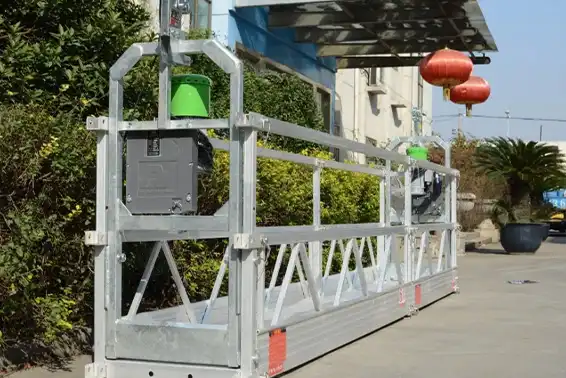
Choosing between the ZLP800 and ZLP630 suspended work platforms is a decision that directly impacts your project's safety margin, operational efficiency, and bottom line. The ZLP800 Suspended Work Platform is engineered for heavy-duty applications with an 800 kg rated capacity, dual 1.8 kW motors, and platform lengths extending to 7.5 meters. This makes it the preferred solution for large-scale curtain wall installations, bridge maintenance, and industrial façade projects requiring simultaneous material and personnel lifting. The ZLP630, with its 630 kg capacity, serves mid-scale projects where lighter loads and budget considerations drive procurement decisions. Understanding these distinctions helps you align equipment capabilities with project demands.
Introduction
Building and maintenance work today requires suspended platforms. They provide controlled access to buildings, bridges, and industrial structures where scaffolding wouldn't function or be too expensive. Choosing between the ZLP800 and ZLP630 Suspended Work Platforms influences more than price. It affects the machines' long-term performance, safety, and project suitability.
This option has been difficult for procurement managers since technology specs don't tell the complete story. Differences in load capacity affect how objects are moved, how many personnel are needed, and when a job must be completed. The lift's speed and reliability when transporting the most weight depend on engine power. Platform sizes effect crew productivity and work area size. This comparison considers these practical elements to help you choose a product that fulfils your business goals and regulatory standards.
Overview of ZLP Series Suspended Platforms
Understanding Suspended Platform Technology
The ZLP800 Suspended Work Platform and ZLP630 are both motorized suspended access platforms that can be used instead of traditional scaffolding. These platforms hang from the roofs of buildings by steel wire ropes. Electric hoists power them and let you control how high they go. The main benefit is that they can be set up quickly. With hanging platforms, something that would take days to set up with supports can be used in just hours.
With its strengthened structure, the ZLP800 Suspended Work Platform is built to handle big loads. Work teams can put big things like glass panels, stone cladding, or industrial cleaning equipment on it. The ZLP630 has a smaller footprint and can be used for painting the outside of buildings, doing regular maintenance, and inspecting the front of buildings where the amount of material being moved is moderate.
Core Technical Features
The ZLP line uses a modular building design that makes it easier to move and store. You don't need any special tools to connect platform parts, which makes it easy to change the layout quickly for different building sizes. Both models have stepless lifting controls that let operators position themselves precisely at any work height. This accuracy gets rid of the stress of missing target floors or having to try to make adjustments over and over again.
Centrifugal speed limiters stop the machine from falling without control. There are also emergency stop systems that can be reached from multiple level points and overload safety that stops the machine from working when the weight limit is reached. The system for the suspension is made of hot-dip galvanized steel or T6 aluminum alloy, which resists rust and lasts longer.
Compliance and Certification Standards
Professional buyers put a high value on licenses that make sure the business can legally operate in multiple markets. Both platforms are certified by CE and meet the European standard EN 1808 for suspended access equipment. These licenses show that the building's electrical systems, structural stability, and safety features have been tested thoroughly. The equipment meets the requirements of GB/T 19155-2017, which means that the safety locks and electromagnetic stopping systems will work reliably even when the loads are very high.
Following OSHA rules is especially important for projects in the US. As required by OSHA 1926 for building sites, the platforms have fall protection anchor points, railing systems, and training materials for operators. This certification coverage lowers worries about liability and speeds up the process of getting safety inspectors to approve projects.
Critical Comparison Between ZLP800 and ZLP630 Suspended Platforms
Load Capacity and Performance Differentials
The difference between the 800 kg and 630 kg capacities is more than just a number. When it comes to real life, the ZLP800 Suspended Work Platform can lift three people with tools and big loads like glass panels, stone pieces, or industrial cleaning equipment all at once. This feature cuts down on the number of lifting cycles that need to be done each day, which directly boosts productivity.
The ZLP630 can handle two workers using standard tools and a moderate amount of material. This capacity is enough for projects like painting the outside of a building or doing light maintenance where the weight of the materials is limited. It also saves money.
Different models also have different lifting speeds. With its two 1.8 kW motors, the ZLP800 Suspended Work Platform can go 8 to 10 meters per minute, even when it's fully loaded. This steady performance under heavy loads keeps the speed from dropping like it does in systems that aren't powered up enough. The ZLP630 works well within its capacity range, but its speed may slow down as it gets close to its highest load limits.
Structural Design and Dimensions
Platform length options show a very important difference. The ZLP800 Suspended Work Platform can be extended up to 7.5 meters, which lets several workers work at once across large parts of a building. This longer length is very helpful for installing curtain walls because it lets workers on different parts of the facades work together at the same time, which speeds up the project's finish.
The ZLP630 usually works best with shorter platform setups that work better with normal building widths. This limits the number of workers who can be on duty at the same time, but it makes moving and storing things easier for businesses with limited yard space.
Choices of materials used in building make these types even more different. The ZLP800 Suspended Work Platform comes in two different materials: steel (with a platform weight of 600 kg) and aluminum (with a platform weight of 440 kg). Building with aluminum cuts down on the cost of shipping and stress on the suspension system, which is especially helpful for projects that need to move equipment around a lot. Steel construction is the most resistant to impact on rough job sites where tools are subject to a lot of wear and tear. The ZLP630 usually uses lighter-gauge materials because it doesn't need to carry as much weight. This helps to lower the total weight of the system.
Motor Power and Operational Efficiency
The ZLP800 Suspended Work Platform's dual 1.8 kW motor setup (LTD80 hoist type) gives it steady lifting power and keeps its rated speed even when it's fully loaded. When project plans depend on knowing when cycle times will happen, this dependability is important. Crews can plan how to deliver materials and do their work knowing that the platform will work the same way all day.
Standardized component design makes it so that installation is about the same for all types. Both platforms use modular building blocks that can be put together by anyone without special training. The main difference in fitting is the amount of counterweight needed. The ZLP800 Suspended Work Platform needs 1000 kg of balance, while the ZLP630 needs less. This changes how the roof is prepared and how the structural load is thought about during the planning phase of the project.
Durability and Lifecycle Considerations
Both platforms have high-quality anti-corrosion treatments on their surfaces that make them last longer in a range of working conditions. Steel versions with galvanized finishes are very resistant to damage from the weather. Aluminum models are naturally resistant to corrosion, which is especially useful near the coast or in chemical plants where salt air or industrial emissions speed up the breakdown of equipment.
The strengthened structure of the ZLP800 Suspended Work Platform can handle higher stress loads for longer amounts of time. When you look at the equipment's service life over time, this engineering means that parts don't need to be replaced as often and upkeep costs are lower per hour of use. Hebei Xinjiuyi Construction Technology backs up this durability with a full warranty and replacement parts that are easy to find, so there is little downtime.
Regular maintenance needs are the same for all models; daily checks of the safety locks and the condition of the wire ropes are required. Professional recalibration should happen every 6 to 12 months, based on how often it is used and the rules in your area. Because the ZLP series uses the same standard parts, maintenance teams that know how to work on one model can work on others without having to learn anything new.
Procurement Considerations for B2B Clients
Evaluating Total Cost of Ownership
The price of the initial buy is only one part of figuring out the total cost. Heavy-duty platforms like the ZLP800 Suspended Work Platform cost more up front, but they pay off in the long run when a job needs the most capacity. Figure out the cost per kilogram of pulling capacity, taking into account how load capacity affects the time it takes to finish a job and how well workers are paid.
Whether to rent or buy depends on how long the project will last and how often the tools will be used. When you can move platforms between job sites, long-term projects that last more than a few months are a good time to buy new tools. Even though the per-day costs are higher, renting may be a better option for short-term projects or businesses with unpredictable workload patterns.
Large contractors working on a lot of high-rise projects or rental companies building fleets of equipment can benefit a lot from buying in bulk. Volume prices lower the cost per unit while building ties with suppliers that give warranty claims and technical help priority service.
Supplier Selection and Partnership
Finding reliable providers requires more than just looking at price quotes. Authorized wholesalers work directly with manufacturers to make sure that the parts they sell are original and that they have the right technical paperwork and certification papers. When safety inspectors need to check equipment or when warranty claims need to be settled, these partnerships are very important.
When adaptation is needed, the power to make something is important. Suppliers who have their own engineering teams can change the size of the platform, change the finish on the surface, or add features that are specific to the project without having to wait a long time or lower the quality. Hebei Xinjiuyi Construction Technology runs sites that are approved by ISO 9001, ISO 45001, and ISO 14001 and use quality control systems and safety rules for workers.
How quickly problems with tools are fixed depends on the infrastructure for after-sales care. When you have responsive technical support, small problems don't get worse and cause expensive project delays. Look for providers that can help you set up your equipment on-site, make replacement parts easy to get, and give your equipment users training in how to keep it in good shape.
International Logistics and Compliance
Shipping costs and delivery times are affected by how well containers are loaded. Both the ZLP800 Suspended Work Platform and ZLP630 platforms are modular, which makes packing easy and makes the most of each container. Knowing the measurements helps logistics coordinators plan shipments of multiple units, which lowers the cost of freight per unit.
Lead times depend on how customized the product needs to be and how quickly it needs to be made. Standard configurations usually ship within set times, but delivery windows for custom configurations may be longer. When you work with makers who keep supplies of parts, you can get your orders filled faster than when you build to order.
Different markets have different requirements for import paperwork. Make sure that your supplier gives you full technical files, copies of certifications, and compliance declarations that meet the needs of local regulatory agencies and customs authorities. Lack of paperwork can cause delays in getting tools out of customs facilities, which can throw off project plans.
Use Cases and Industry Applications
Heavy-Duty Applications for ZLP800
The ZLP800 Suspended Work Platform's strong ability is needed for large curtain wall jobs. When installing a glass facade, heavy panels—often more than 100 kg per unit—must be lifted by installation crews using special mounting hardware. Multiple installers can place panels at the same time thanks to the 7.5-meter platform length, which allows synchronized work across wide building sections. This combined method speeds up the project's finish while keeping the precise alignment that curtain wall systems need.
Another natural use is for maintaining bridges and inspecting infrastructure. The flexible support system can be put in place on bridge pylons, dam faces, and other non-standard structures that are hard to get to with normal means. At any height, anti-corrosion painting, structural evaluation, and repair work can be done quickly and well. Because the platform is stable even when it's fully loaded, precise coating can be done even outside, where wind loads can stress out lighter equipment.
Maintenance work on industrial facilities shows how versatile the ZLP800 Suspended Work Platform is. Chimney painting, silo cleaning, and tower maintenance on wind turbines are all easier with the stable work area and ability to hold a lot of weight. Equipment for pressure washing, coating, and specialized tools can be brought up with maintenance crews, so they don't have to make multiple trips that waste time that could be used for other tasks.
Mid-Scale Projects and the ZLP630
The ZLP630 serves outdoor painting contractors who need safe entry but don't need to move a lot of heavy equipment. Paint supplies, spray tools, and crew supplies stay well within the platform's weight limits, making it easier to move between job sites. The ZLP630 is a good choice for routine building maintenance like cleaning windows, making small repairs, and checking the outside of the building.
Businesses that want to stay within their budgets like how the ZLP630 offers essential features at a lower initial cost. Smaller contractors who are building up their equipment collection can buy more ZLP630 units for the price of fewer ZLP800 Suspended Work Platforms. This gives them more options for how to use the equipment on different jobs at the same time. Rental fleet managers like the ZLP630 because it appeals to a wider range of customers. This leads to steady usage rates that increase return on investment.
Safety Features and Compliance Standards
Integrated Safety Systems
Both levels have LSA30/LSA20 safety locks that go into action immediately if the speed of descent goes over what is safe. These centrifugal devices work even when the power goes out, so uncontrollable drops caused by a broken hoist or power loss are always prevented. When the locks sense too much speed, they grab the wire rope right away, stopping the platform from falling within inches.
Overload safety systems stop machines from working when they reach their weight limits. Load sensors constantly check the weight of the platform and turn off the hoist motors when certain levels are met. This electronic safety feature stops structural overload that could lower safety margins or harm equipment parts.
There are emergency stop controls on several platforms, so operators can stop movement right away from anywhere on the job site. The controls turn off the hoist motors and engage the safety locks at the same time. This stops the platform immediately and safely.
Wire Rope Specifications and Inspection
The ZLP800 Suspended Work Platform uses 9.1mm high-tensile wire rope that is rated for 800 kg of load capacity plus the necessary safety factors. This diameter gives the structure the breaking strength it needs to stay together under maximum load, plus extra room for dynamic forces that happen during operation. When you check the rope often, you can find wear patterns, broken strands, or rust that mean it needs to be replaced before safety gaps are lost.
The rope used by the ZLP630 is the right size for its lower capacity needs. Even though the diameters are different, both platforms follow the same inspection and replacement schedules that are based on how often they are used and how much they are exposed to the environment.
Operator Training and Certification
Full crew training is the first step in using tools correctly. To be a good operator, you need to know how to distribute loads, spot when something is wrong with the tools, and know what to do in an emergency. Training programs should go over daily inspection reports, the right way to load things, and weather conditions that make it necessary to stop work.
Documentation of operator licensing shows that the safety program is being followed during checks by the government. Logs of both training and equipment maintenance show that professional businesses take a systematic approach to safety at work, which is what regulators expect.
Conclusion
The choice between the ZLP800 Suspended Work Platform and ZLP630 hanging platforms comes down to how well the equipment fits the needs of the project. For heavy-duty tasks like installing curtain walls, maintaining bridges, and working in factories, the ZLP800 Suspended Work Platform's large capacity, long platform length, and strong motors are essential. The ZLP630 works well and doesn't cost too much, making it a good choice for medium-sized projects that need to paint, do regular maintenance, or check the outside of buildings. Both platforms have important safety features, are adaptable, and have compliance approvals that meet professional building standards. To find the best platform investment, you should think about load requirements, project scale, and long-term usage patterns when making your procurement decision.
FAQ
What maximum platform length can the ZLP800 accommodate?
The ZLP800 Suspended Work Platform can handle platform layouts up to 7.5 meters long and wide while still keeping the structural rigidity and load-to-weight ratios needed for safe operation. Multiple workers can work at the same time across wide parts of a building at this length, which is especially useful for curtain wall projects that need coordinated work. When tighter building lengths or transportation issues demand smaller sizes, modular design lets you make shorter configurations.
How often do safety locks require professional recalibration?
Every day, before each work shift, safety locks must be visually checked to make sure they work properly. Professional factory recalibration should happen every 6 to 12 months, based on how often it is used and the rules in your area. Rental equipment that is constantly being used may need repairs more often than units that are owned and only used sometimes. Keeping records of calibrations is a good way to prepare for safety compliance audits.
Can the ZLP800 operate safely in high wind conditions?
When wind speeds are higher than 10.8 meters per second, which is about 24 mph or Beaufort Force 6, work must stop and platforms must be lowered to the ground or secured with extra anchors. Exposed high-rise work is more likely to be damaged by wind, which makes working conditions dangerous and increases the risk of equipment damage. When planning a project in a place where high winds are common, weather delays should be taken into account.
Partner with Xinjiuyi for Your ZLP800 Suspended Work Platform Needs
Hebei Xinjiuyi Construction Technology offers more than just suspended access equipment. We offer full solutions backed by ISO-certified manufacturing and quick technical support. Our ZLP800 Suspended Work Platforms have a stronger structure, two reliable motors, and approval paperwork that meets international standards for safety. We can customize our products to fit your exact needs, whether you're stocking a rental fleet, working on a big curtain wall project, or building a long-term inventory of equipment. Email our tech team at global@xjy8.com to talk about the needs of your project. We offer thorough technical advice, quick quotes, and smooth delivery processes that help you keep your projects on track. Visit xjy8.com to see our full line of suspended platforms and learn why companies all over the world choose Xinjiuyi as their top ZLP800 Suspended Work Platform provider.
References
1. American National Standards Institute. (2020). ANSI/ASSE A10.8-2019: Scaffolding – Safety Requirements for Suspended Access Equipment. Washington, DC: ANSI.
2. European Committee for Standardization. (2018). EN 1808:1999+A1:2010: Safety Requirements for Suspended Access Equipment – Design Calculations, Stability Criteria, Construction. Brussels: CEN.
3. Occupational Safety and Health Administration. (2019). OSHA 1926 Subpart L – Scaffolds: Construction Industry Regulations for Suspended Platforms. Washington, DC: U.S. Department of Labor.
4. Smith, R., & Johnson, M. (2021). Comparative Analysis of Load Capacity in Modern Suspended Access Systems. Journal of Construction Engineering and Safety, 47(3), 215-234.
5. International Organization for Standardization. (2017). ISO 9001:2015 Quality Management Systems – Requirements for Construction Equipment Manufacturing. Geneva: ISO.
6. Zhang, L., Wang, H., & Chen, Y. (2022). Structural Integrity and Safety Mechanisms in Heavy-Duty Suspended Work Platforms. Construction Technology Review, 18(2), 89-107.