What Makes Stainless Steel Grating Essential for Modern Construction
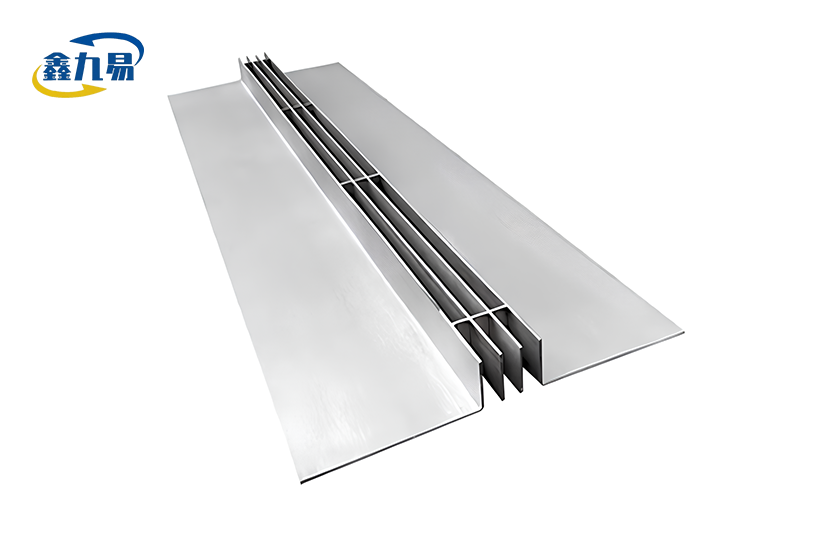
Stainless steel bar grating has become one of the most relied-upon structural components in modern construction—and for good reason. At its core, this product separates liquids like rainwater, sewage, and wastewater from solid debris such as leaves, stones, and garbage, preventing costly blockages in drainage networks and pipe systems. Fabricated from alloy grades including 304 and 316, it delivers corrosion resistance, structural integrity, and a service life of 15 to 30 years. Whether you are managing a municipal drainage project or outfitting a food-grade facility, this material solves real problems that cheaper alternatives simply cannot.

Understanding Stainless Steel Bar Grating and Its Core Benefits
Not every type of flooring or draining is made to last. Stainless steel bar grating is different because it is made in a way that makes it strong enough to be used in places where failure could have serious effects.
What Makes It Structurally Reliable?
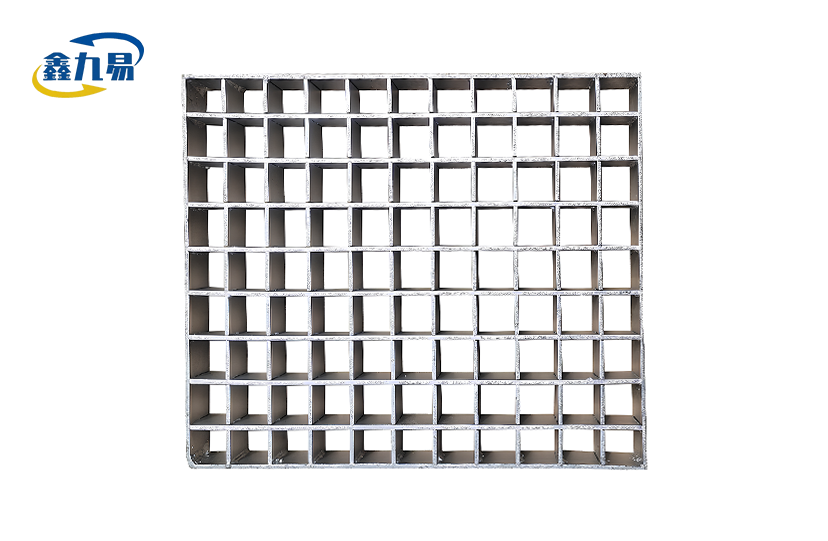
Each unit has a high strength-to-weight ratio because it is made by carefully welding or swaging lengthwise bearing bars with crosswise cross bars. NAAMM MBG 531 is the standard for metal bar grating in the industry. Units that are properly made must not deflect more than a certain amount under certain load classes. At Xinjiuyi, CNC cutting and welding machines make sure that every panel is the right size and has a strong joint before it leaves the building.
Common Types and Specifications
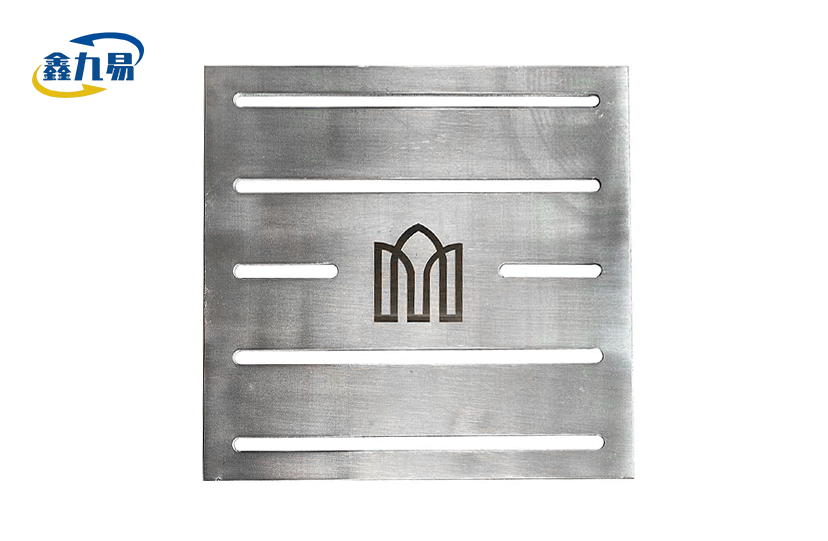
Xinjiuyi makes grating panels from grades 201, 304, 316, and 430 steel. The plate thickness can be between 2 mm and 8 mm, and the slot spacing can be between 20 mm and 100 mm. The sizes of the panels can be changed to match project drawings. There are mill finish and polished surface choices, and for food processing and hospital settings, hygiene-optimized polished surfaces are available.
These requirements really give buying engineers a lot of freedom. A city contractor ordering trench covers for a road drainage project and a cleanroom facility manager looking for floor grates for a drug plant can both use the same product line and have it customized to their exact needs.

Comparing Stainless Steel Bar Grating to Other Materials
The choice of materials made during the purchase stage has a direct effect on the cost over time, the frequency of upkeep, and compliance with regulations. Here's how stainless steel stacks up against the most popular choices.
Stainless Steel vs. Galvanized Steel, Aluminum, and Fiberglass
Galvanized steel has a low initial cost, but its zinc covering wears off in places with a lot of moisture or chemicals that react with metal, so it usually needs to be replaced every 5 to 8 years. Aluminum is easy to work with because it is light, but it doesn't have the tensile strength needed for load-bearing pit covers in areas where cars drive. Fiberglass grating is good at resisting chemicals, but it breaks easily when exposed to UV light over time and can't hold as much weight as steel.
Stainless steel bar grating solves all three issues. Its chromium oxide passive layer fixes itself when it gets scratched, so it doesn't need to be painted or coated again to keep its corrosion resistance. A properly specified 304-grade panel in a pedestrian drainage channel should last more than 20 years with only regular cleaning. With its 2 to 3 percent molybdenum content, 316-grade alloy is better at resisting pitting than any coated option in chloride-rich marine or industrial settings.
When looking at the total cost of ownership over the course of a 15-year project, stainless steel always does better than galvanized and painted options because it requires less maintenance and replacements.
Procurement Guide: How to Choose and Source Stainless Steel Bar Grating?
It's just as important to find the right provider as it is to select the right product. When purchasing managers look at suppliers of stainless steel bar grating, they should pay attention to a few real things.
Before agreeing to an order, here are the most important things you should check:
- Material traceability: A reliable manufacturer will give you mill certificates and Positive Material Identification (PMI) test results that prove the alloy composition. This lets you tell the difference between real 304 and lower-grade 201, which has been known to happen when you order a lot of it.
- Dimensional accuracy: Ask for records that prove the panel's length, width, slot spacing, and flatness tolerances. This is because installing panels that don't meet specifications costs money and cuts into project margins.
- Load-testing records: Make sure that the sample panels have been deflected tested against NAAMM load tables or other standards that are similar. This keeps structures from falling apart in areas where vehicles or heavy tools are allowed to move.
- Delivery capability: For phased infrastructure projects, a supplier's ability to schedule batch deliveries within 15 to 30 days of each shipment keeps project timelines from getting pushed back.
- Export documentation: People who are looking for goods to ship overseas for projects or to combine containers should make sure that the seller gives them certificates of origin, packing lists with weight and size information, and ocean freight-safe packaging that doesn't rust.
These checks greatly lower the risk of buying. Xinjiuyi, which is approved by ISO 9001, ISO 45001, and ISO 14001, helps buyers at every step, from reviewing the first drawings to making sure the final delivery meets all the agreed-upon requirements.
Technical Insights: Manufacturing, Maintenance, and Performance Optimization
How Corrosion Resistance Is Achieved
Stainless steel has a passive way of protecting itself. Chromium reacts with oxygen to make a thin, stable oxide layer that keeps growing back. This is why you don't have to paint or galvanize stainless steel bar grating. For installations in food processing or pharmaceutical plants, electropolishing lowers the surface roughness (Ra value) even more, getting rid of the tiny cracks where bacteria can grow.
Maintenance Best Practices
Routine upkeep is meant to be very low-key. Drainage ditches can get rid of top debris by flushing them with water every so often. To keep up with cleanliness checks in areas that need to be very clean, alkaline cleaning products that work on stainless steel surfaces are used. In highly active settings, it is best to look at the weld joints once a year to find any early signs of surface pitting.
Serration and Slip Resistance
Serrated bearing bar surfaces make it much easier to walk on platforms, walkways, and ramps where there are liquids, oils, or grease. This is not just an upgrade to the specs; it is a useful safety measure. Serrated grating should be the standard for any project where workers will be walking on wet surfaces.
Why Stainless Steel Bar Grating Is the Rational Choice for Sustainable Construction?
Sustainability in building procurement is more than just choosing the right materials. It also includes things like lifecycle effect, recycling, and using fewer resources over time. All three tests show that stainless steel is good. The International Stainless Steel Forum (ISSF) says that more than 60% of new stainless steel is made from recycled materials around the world. It can be recycled completely when its useful life is over. Because it lasts a long time, it needs to be replaced less often, which saves energy and cuts down on waste during a 20- to 30-year project.
Stainless steel drainage grating has been used in infrastructure projects around the world, especially in Southeast Asia, the Middle East, and Europe, where chemicals and high humidity make coated steel impractical. Export buyers who combine orders of different specifications into full containers can use Xinjiuyi's multi-grade, multi-dimension production freedom to get what they need without having to go to multiple plants. This makes managing the supply chain easier.
Conclusion
Modern building requires materials that don't let rusting happen, can hold a lot of weight, are safe for cleanliness, and are cost-effective in the long run. All of these needs can be met by stainless steel bar grating, which has performance that has been tested and is backed by international standards. The longer a project takes, the more reasons there are to choose stainless steel over other materials. This is true for everything from cleanroom floors and coastal platforms to urban drainage infrastructure. Xinjiuyi's production skills, ability to track materials, and customization services are all tailored to meet the needs of procurement workers who can't afford to have their specifications not met.
FAQ
When should I choose 316 over 304 grade?
Choose 316 if the installation site will be exposed to chloride for a long time, like on the coast, on marine platforms, in desalination plants, or in food processing areas where salty cleaning agents are common. The molybdenum in 316 stops pitting corrosion, which 304 can't handle when it's immersed in chloride or salt spray for a long time.
How long does stainless steel grating last in industrial conditions?
Service life is between 15 and 30 years if the right grade is chosen and basic maintenance is done. Xinjiuyi gives buyers material certifications and load-test records so that they can back up claims about how long things will last during project audits.
Can grating panels be customized to non-standard dimensions?
Yes, Xinjiuyi can make panels in any length, width, height, slot spacing, or thickness that is specified in the project plans that are sent to them. This includes uniform-gap designs that are better for cleanliness in food-grade and medicinal settings.
Is serrated grating necessary for all applications?
Serration is especially helpful for areas where people walk on wet, oily, or greasy surfaces. If you only need to drain water from areas where cars drive on them, smooth bearing bars with the right load rating thickness will do.
What documentation should I request before placing a bulk order?
For orders going overseas, you should ask for mill certificates that confirm the alloy grade, dimensional inspection reports, load-deflection test records, and, for export orders, certificates of origin and packing specs that confirm the anti-corrosion treatment for ocean freight.
Partner With Xinjiuyi for Reliable Stainless Steel Bar Grating Supply
Certified and customizable stainless steel bar grating made by Xinjiuyi is available for export, municipal, and industrial projects. As a reliable company making stainless steel bar grating in Cangzhou, Hebei, we offer full export paperwork, the ability to track materials, and variable batch delivery. Give our team your project's plans or drawings, and we'll set up the best solution for your load class, environment, and schedule. To get a quote, email us at global@xjy8.com or go to xjy8.com.
References
1. National Association of Architectural Metal Manufacturers (NAAMM). Metal Bar Grating Manual MBG 531. 2015.
2. ASTM International. ASTM A666: Standard Specification for Annealed or Cold-Worked Austenitic Stainless Steel Sheet, Strip, Plate, and Flat Bar. 2015.
3. International Stainless Steel Forum (ISSF). Stainless Steel in Figures. 2023.
4. Euro Inox. Maintenance of Stainless Steel Surfaces in Construction. 2012.
5. Baddoo, N. R. Stainless Steel in Construction: A Review of Research, Applications, Challenges and Opportunities. Journal of Constructional Steel Research, 2008.
6. Outokumpu Stainless. Corrosion Handbook: Stainless Steel. 2015.