What are the benefits of steel column formwork?
Steel column formwork delivers measurable advantages that directly impact project timelines, structural quality, and long-term cost control. At its core, square column steel formwork is a modular, high-rigidity forming system built from cold-rolled Q235 steel plates, channel steel, and angle steel reinforcements. It holds concrete precisely during pouring, maintains dimensional accuracy within ±1 mm, and produces fair-faced column surfaces that require minimal remediation. Compared to timber or plastic alternatives, steel formwork withstands 300+ reuse cycles, resists deformation under hydrostatic pressure, and supports faster stripping — all of which translate into genuine operational value for contractors, rental companies, and international distributors alike.

Understanding Steel Column Formwork: Definition and Applications
What It Is and How It Works?
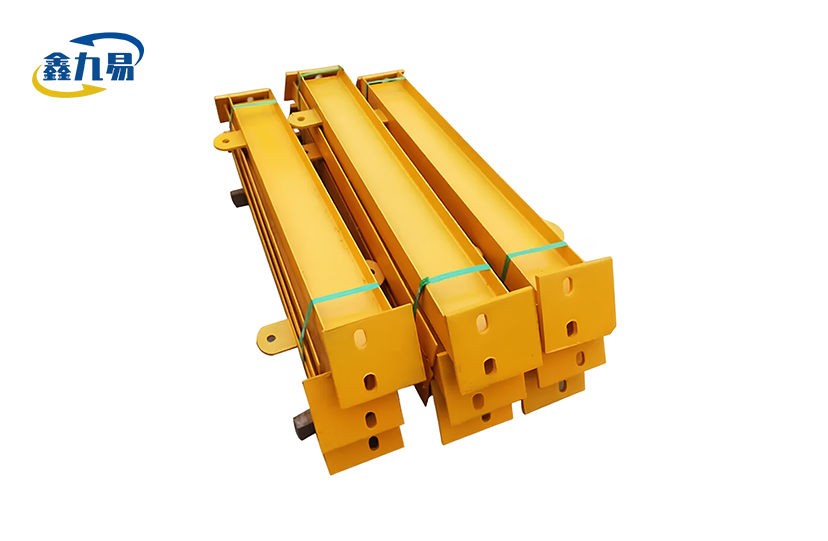
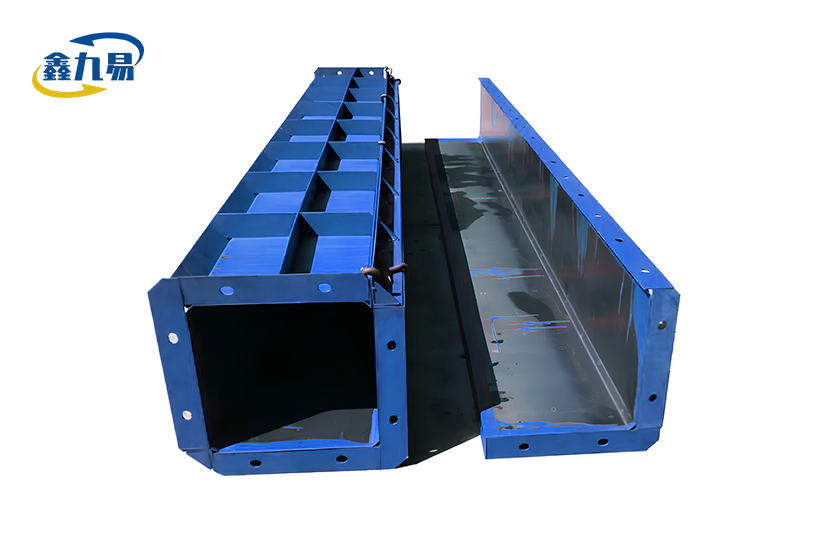
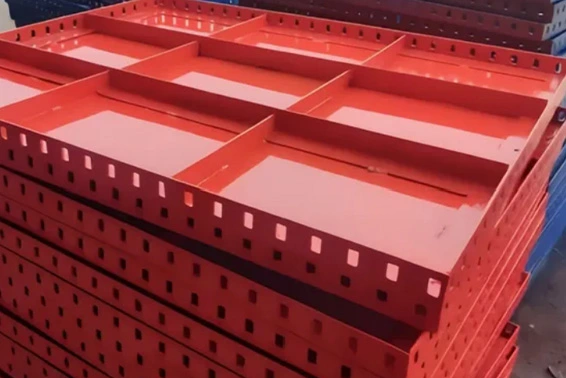
The square column steel formwork is a load-bearing concrete forming system designed to fit square and rectangular columns, beam-column joints, wall sections, and prefabricated column parts that are placed vertically. Each panel is made up of a cold-rolled steel face plate that is strengthened with channel steel and angle steel strengthening ribs. The panels are put together by cutting, bending, and fully welding the steel together. Weld seams are smoothed out to make grout-tight joints that keep paste from leaking out when the concrete is poured.
It can handle lengths of 300 mm to 1600 mm and heights of up to 3000 mm, which is the range of sizes needed by apartment buildings, business centers, and big infrastructure projects.
Where It Gets Deployed?
Steel column forming systems are used in three main types of construction sites. They are used in core walls and column grids of high-rise residential and commercial buildings, where pump-placed concrete creates a lot of lateral pressure. Government building rules say that infrastructure projects, like bridge piers and highway overpasses, must have a smooth surface and be perfectly square. The system's modular reconfigurability helps industrial facilities like chemical plants and logistics hubs run more efficiently by allowing for a faster three-day floor cycle and better use of capital equipment.
Compliance-driven procurement teams like that these systems are in line with ISO 9001 quality management standards and GB 50204 concrete structure construction specifications. This means that they can provide documentation that meets the needs of engineering audits on regulated projects.
Key Benefits of Steel Column Formwork Compared to Other Materials
A lot of the time, procurement managers compare steel, aluminum, and wood. Every material works well in some situations, but steel stands out in the most important ways when it comes to large-scale applications. The main things that make square column steel formwork systems stand out are these:
- Structural rigidity under pressure: Q235 steel panels with U-ribs or C-channel stiffeners built in don't bend at lateral pressures of up to 80 kN/m², which is a level of pressure that plywood systems often can't handle without warping or grout leaking. The maximum bend is limited to L/400, which is the strictest tolerance allowed by architecture for column grids with more than one story.
- Reuse economy across hundreds of cycles: Steel column formwork can be used 300 to 500 times with proper upkeep. Plywood usually lasts between 5 and 30 cycles before the finish starts to wear off. Cost per use goes down a lot when the cost of acquisition is spread out over hundreds of pours. This is a key measure for total contractors handling multi-building projects.
- Fair-faced concrete finish: Smooth, even column surfaces are made by full-welding and polishing the gaps. The amount of secondary filling that needs to be done drops by a large amount, which saves both time and money on finishing work.
- Sustainability credentials: Steel can be recycled in its entirety when it has reached the end of its useful life. Formwork made of wood adds to construction waste and the use of forest resources. On the other hand, steel panels go back into the material supply chain and help green building certification goals set by LEED and similar programs.
Over the course of a project's life, these benefits grow. When a procurement team switches from using wood to steel for column forming, they usually get their money back in two to three projects. After that, the cost curve drops sharply compared to disposable options. Because of these factors, steel formwork is the best choice for builders who are working on multiple projects at the same time.
How to Maximize the Benefits: Installation and Maintenance Best Practices?
Proper Assembly Sequence
Before putting panels in place, clean and level the base of the column. Use a plumb line or laser level to line up each panel, and then use standard pin-and-wedge connectors to connect the sections that are next to each other. To avoid joint gaps, tighten all of the link points the same amount. Before filling, put a thin layer of release agent on the face plate to make it easier to strip and protect the quality of the surface.
Maintenance Protocols That Extend Service Life
Once the stripping is complete, use a steel brush to get rid of any concrete dust before it hardens. Check each panel for face plates that are dented, welds that aren't strong enough, or stiffening ribs that are bent. Put the panels away flat or vertically on a clean, dry surface that isn't near any water. Fix any paint damage right away to stop alkaline weathering from concrete that is still there. If you follow these steps, the square column steel formwork shape and surface quality will stay the same over hundreds of rounds, allowing for fair-faced finishes.
Selecting the Ideal Steel Column Formwork: A Procurement Perspective
Evaluating Suppliers Beyond Price
Competitive unit price is not enough to ensure a steady supply. There is objective proof that a supplier follows consistent production standards in the form of dimensional tolerance documentation, weld quality inspection records, and flatness test data. If suppliers can make custom widths and heights from structure plans instead of only selling standard sizes, there is less chance that non-standard square column steel formwork grids will not fit well.
Aftersales support is just as important. When a panel gets damaged in the middle of a project, being able to quickly replace it keeps the schedule on track. Ask possible providers how long it takes to get replacement parts, how they package items for sending in containers, and how they handle technical paperwork for foreign shipments.
For international buyers, the most efficient bundling in containers, export-friendly paperwork, and technical drawings in English are all must-haves. These details decide how easily a package gets through customs and how quickly it can be put to use.
Future Trends and Innovations in Steel Column Formwork
The building formwork industry is moving toward better material performance and digital integration. Engineers can make formwork layouts directly from 3D building models with modular panel systems that work with BIM. This cuts down on configuration mistakes before a single panel ships. Lightweight high-strength steel alloys are now being made. They aim for the same rigidity standards but lighter panels, which makes them easier to move around in crowded urban areas.
Environmental laws are speeding up the switch from wood to steel. High-waste forming methods are getting more and more punished by green building rules in North America, Europe, and the Middle East. Because square column steel formwork can be recycled and has a small environmental impact per cycle, it is the standard choice for developers who want to meet LEED, BREEAM, or local similar standards. When contractors stick to adaptable steel systems, they increase both their purchasing options and their compliance headroom at the same time.
Conclusion
Square column steel formwork systems clearly perform better than alternatives made of wood or plastic in all areas that matter for professional procurement, including structural accuracy, surface quality, cost-effective reuse, and compliance with regulations. The lifecycle value case is easy to understand for builders who are in charge of multiple building projects, rental companies that are building cross-project asset portfolios, and foreign wholesalers that are providing developing markets with high demand. Buying a high-rigidity modular steel system lowers the cost of repairs, speeds up the vertical structure cycles, and provides consistent fair-faced finishes that pass engineering inspections without the need for extra finishing work.
FAQ
How many times can steel column formwork be reused?
With regular care, like cleaning after each pour, quick paint touch-ups, and flat storage, good square column steel formwork panels can be used 300 to 500 times. The exact number depends on how it is handled and whether the right release agents are always used.
Can one panel set accommodate different column sizes?
With slotted hole designs on modular devices that can be adjusted in 50 mm steps, a single order can cover columns of different sizes within the same building. Custom-engineered panels made from structural drawings can handle cross-sections that aren't standard and don't fit into standard width series.
What standards apply to steel column formwork quality?
ISO 9001 and GB 50204 standards are met in terms of process quality. Dimensional tolerance is kept to ±1 mm, and flatness deviation on the panel face is kept to 2 mm. Before shipping, all load-bearing weld joints are inspected to make sure they are solid.
What is the typical lead time for custom sizes?
Most standard modular lengths can be ordered right away. Custom widths or heights made from project-specific drawings usually need 14 to 21 days for production and quality control.
Partner with Xinjiuyi for Your Steel Column Formwork Needs
Enterprise-grade square column steel formwork is made by Xinjiuyi and is trusted by construction professionals all over the world. Our tools have measurement accuracy of ±1 mm, can be used more than 300 times, and come with all the paperwork needed for export. Our team answers quickly whether you need standard widths or unique measures made just for your project. To get a price from a reputable square column steel formwork maker, email us at global@xjy8.com or go to xjy8.com right now.
References
1. Hurd, M. K. Formwork for Concrete (7th ed.). American Concrete Institute, 2005.
2. Peurifoy, R. L., & Oberlender, G. D. Formwork for Concrete Structures (4th ed.). McGraw-Hill, 2011.
3. Construction Industry Research and Information Association (CIRIA). Formwork — A Guide to Good Practice (3rd ed.). CIRIA, 2012.
4. Gambhir, M. L. Concrete Technology: Theory and Practice (5th ed.). Tata McGraw-Hill, 2013.
5. American Concrete Institute. ACI 347R-14: Guide to Formwork for Concrete. ACI, 2014.
6. International Organization for Standardization. ISO 9001:2015 Quality Management Systems — Requirements. ISO, 2015.