What are the advantages of a steel structure canopy?
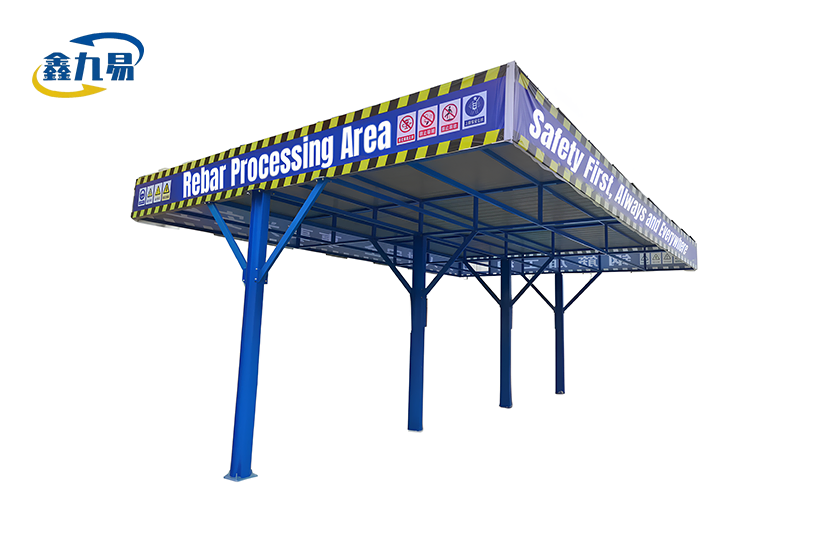
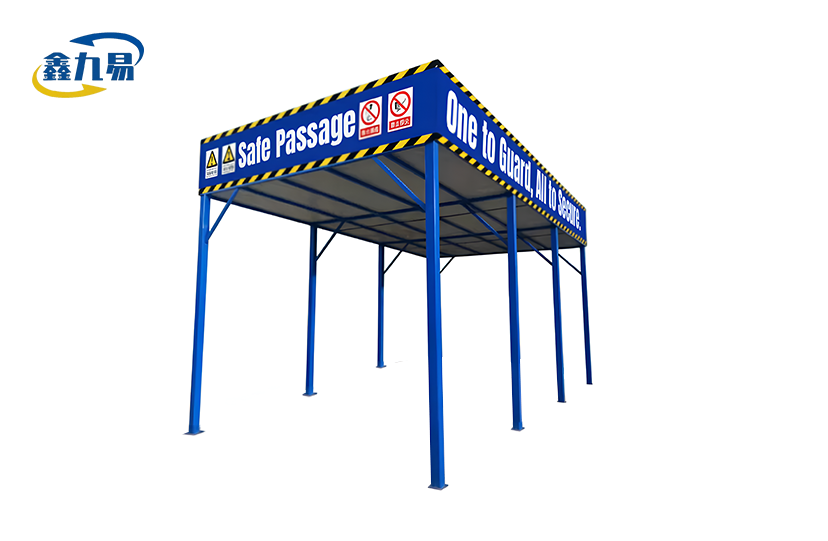
Steel structure canopies deliver unmatched durability and versatility for construction sites requiring robust overhead protection. The Steel Structure Processing Canopy from Hebei Xinjiuyi Construction Technology Co., Ltd. exemplifies these benefits through its central double-column design, which balances large-span coverage with exceptional load-bearing capacity. Built from high-grade Q235B or Q345B steel with hot-dip galvanizing and electrostatic powder coating, these canopies protect personnel and equipment from falling debris while resisting corrosion and extreme weather conditions. Their modular construction enables rapid deployment across heavy-load material processing zones, steel bar fabrication areas, and woodworking stations where both safety compliance and operational efficiency remain non-negotiable.
Understanding Steel Structure Canopies: Key Features and Benefits
Steel structure canopies are engineered answers to important problems that come up in construction sites. Unlike temporary shelters, these permanent installations are built to last and can be used in a variety of ways. On building projects, construction managers are always under pressure to keep workers safe while also getting the most work done on the site. This problem can be solved with steel canopies, which make controlled work areas that keep operations safe from environmental hazards without getting in the way of work.
Core Design Characteristics
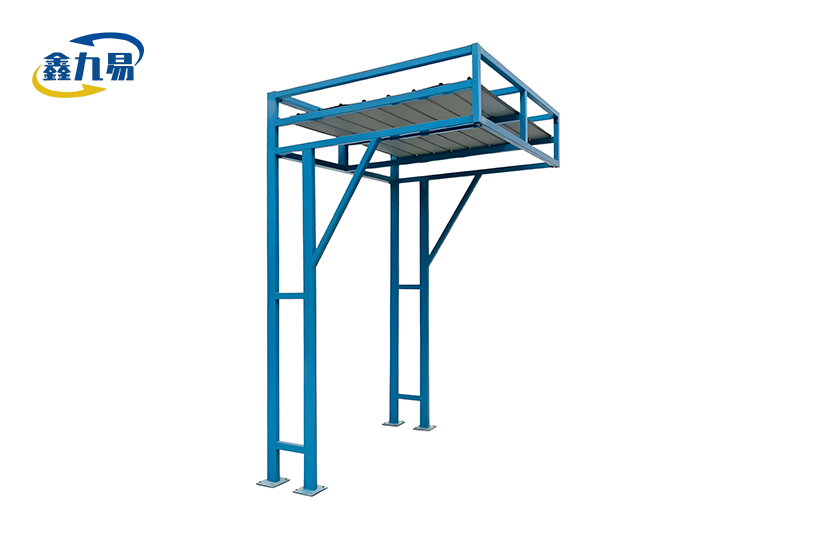
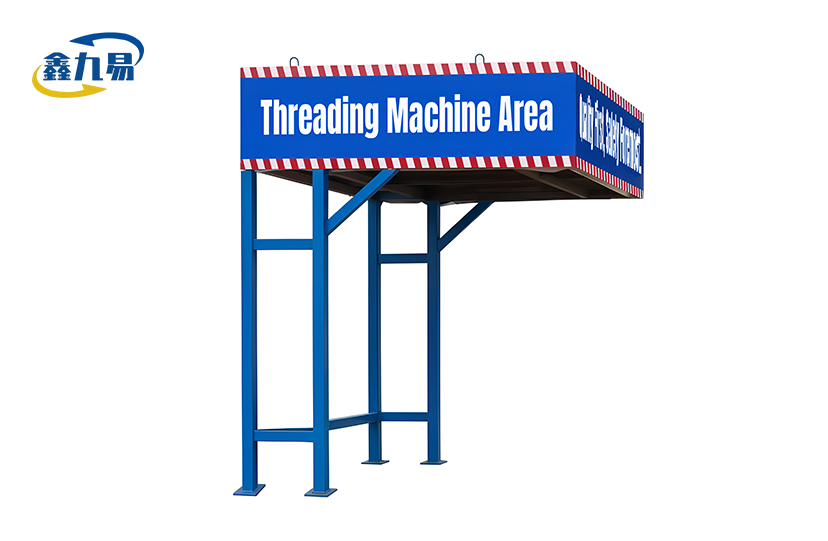
Modern steel awnings are made with parts that are carefully designed and made to exact specs. The center double-column design spreads weight evenly across the frame, stopping the sagging that can happen with edge-supported options. This way of designing leaves room on both sides for equipment to move, but the structure stays stable even when heavy things like lights, air systems, and stored items are hanging from the ceiling.
Material Excellence Through Advanced Processing
Reliable cover systems are built on high-strength structural steel types. Q235B steel has a yield strength of 235 MPa, which is good for normal building tasks. Q345B steel, on the other hand, has a 345 MPa capacity, which is better for heavy-duty industrial situations. Columns made of thickened zinc rectangular tubes 100 mm × 100 mm in size and with a wall thickness of 2 mm can hold spans up to 9000 mm without any middle supports.
Protection Mechanisms for Operational Safety
Overhead risks at construction sites include falling tools, trash from upper floors, and accidents involving moving materials. Steel canopies put up physical walls between dangerous areas and the people below. At 3700 mm high, it can protect tall tools while still being comfortable to use. This vertical space is very important in places where steel bars are processed because rebar packages need to be moved by an overhead crane.
Advantages of Steel Structure Canopies Over Alternative Materials
When looking at Steel Structure Processing Canopy housing options, procurement managers have to weigh the short-term costs against the long-term benefits. The choice of material has a direct effect on how often the structure needs to be maintained, when it needs to be replaced, and how much it costs to own the whole structure over its operational life.
Structural Performance Under Real-World Conditions
Aluminum canopies are appealing because they are lighter at first, but they can't hold as much weight when they get hit by snow, hung equipment, or materials being moved. Because steel is stronger than most other materials, it can span longer lengths with fewer support columns, which saves important ground-level room. A comparison shows that steel structures keep their shape when temperatures change, while aluminum structures grow and shrink too much.
Wooden alternatives pose fire risks that are not acceptable in areas where people are welding or storing materials that contain flammable materials. Fabric canopies wear out quickly in UV light and rough dust, so they need to be replaced every three to five years. Steel structures that have been hot-dip galvanized and electrostatically powder coated stay strong for decades with little maintenance.
Cost Efficiency Through Extended Service Life
The initial purchase is only one part of the total cost. Steel roofs save money because they need less upkeep and will last longer before they need to be replaced. The galvanizing process makes a metallurgical bond between the zinc coating and the base steel. This bond protects the steel and fixes any minor surface damage that happens. This resistance to rust makes the product last longer than 20 years in normal building settings.
Reusable steel canopies are helpful for sites that are moving from one phase of a project to the next. Bolted connections make it possible to take everything apart and put it back together again in a different place. This spreads out the cost of the initial investment over several projects. Cast-in-place concrete structures or permanent wooden installations can't move in this way.
Environmental Sustainability and Compliance
Modern construction companies are under more and more pressure to show they care about the environment. Over 85% of steel that has reached the end of its useful life is recycled, making it one of the most recycled materials in the world. When canopy parts are taken out of service, they still have value as scrap metal, which helps the circular economy and lowers the cost of disposal. Companies like Xinjiuyi that have ISO 14001 certification use environmental management systems to make sure they are producing in a responsible way.
Design and Engineering Benefits of Steel Structure Canopies
When engineering teams are in charge of complicated buying needs, they give priority to sellers who can deliver custom solutions that work well with the site's current infrastructure. Steel is naturally easy to work with, which gives designers more freedom than with hard materials.
Modular Prefabrication for Accelerated Deployment
Off-site production changes how long it takes to build a Steel Structure Processing Canopy. CNC-cut parts come with precisely machined connection points, so there are no delays or quality problems with welding on-site. When compared to field-fabricated buildings, installation teams finish putting together structures 40–60% faster. This speed advantage keeps disruptions to busy work areas to a minimum and speeds up security covering for processing areas that have just been set up.
Customization Capabilities for Project-Specific Needs
Many uses can be met by standard sizes, but irregular site layouts need solutions that are made just for them. Different equipment sizes can be accommodated by span lengths that can be changed, and changes to the placement of columns can be made to work around existing supports or utility runs. In addition to corrosion protection, surface finishing choices include high-visibility warning colors that meet OSHA and city safety sign standards. Some buyers want the company logo or safety instructions in more than one language to be put directly on the structure.
Load Capacity Engineering for Heavy-Duty Applications
Processing zones create a lot of concentrated loads that are heavier than what is usually needed for shelter. The weight of steel coil storage racks, elevated train systems for moving materials, and overhead cable trays for power distribution all add up to put stress on canopy structures. When engineers do their math, they take into account three types of loads: dead loads (like the structure itself), live loads (like tools and stored materials), and environmental loads (like wind pressure and snow buildup). The center form with two columns handles all of these forces while keeping the deflection within reasonable limits.
Compliance With International Construction Codes
Projects that serve foreign markets have to meet a lot of different rules. Eurocode-compliant steel shelters meet the strict requirements of Europe, while IBC compliance makes sure that they will be accepted in all North American states. Getting ISO 9001 certification shows that your quality management system can keep production standards consistent. This paperwork makes it easier for government procurement offices and international companies to get approvals in a variety of regulatory settings.
Installation, Maintenance, and Lifecycle Cost Advantages
The total cost of ownership includes more than just the initial buy price. It also includes the labor costs for installation, ongoing upkeep, and the costs of replacing the item in the future. Every part of this ownership cycle is better with steel roofs.
Streamlined Installation Minimizing Site Disruption
Prefabricated parts greatly reduce the amount of work that needs to be done on-site. A normal 6000 mm × 4000 mm canopy can usually be set up in two working days by a group of four people. This efficiency comes from assemblies that have already been welded together, connection points that are labeled, and standard bolt patterns. Only basic tools are needed—standard wrenches and lifting slings are enough—so you don't have to rely on expensive machinery rentals or hard-to-find skilled workers.
Maintenance Requirements Supporting Long-Term Reliability
Every two to three years, routine inspections find small problems before they become major ones that threaten the structure's stability. Visual checks make sure the coating is in good shape, the connections are tight, and the draining works. Isolated scratches in protected finishes are fixed, which stops rust from starting. When the top coatings get damaged, the galvanized base layer protects again, making two layers of defense against external attack.
Compared to this low-maintenance schedule, fabric canopies need to be tensioned and replaced on a regular basis, and wooden structures need to be treated with preservatives and checked for rot on a regular basis. Steel's dimensional stability means it doesn't sag or warp like less rigid materials do.
Financial Analysis of Extended Service Life
Cost modeling over 20-year periods makes steel's financial benefits very clear. Even tho the original cost of purchasing may be higher than cloth options, the savings from not having to replace the fabric as often add up over time. Lifecycle costs are also improved by less maintenance work and supplies. Steel Assembly Work Canopy structures that are about to be taken down can still keep their value thru steel recycling, which can't be done with discarded cloth or rotting wood.
Sites operating multiple projects annually recognize additional value in canopy reusability. A single steel building serves multiple sites in a planned way, spreading the cost of construction over many uses. This adaptability lets project portfolios change over time without having to go thru multiple buying processes.
Procurement Considerations and Supplier Selection for Steel Structure Canopies
To choose the right protection structures, you have to compare project-specific factors to options that are already available. Procurement decisions that are well-informed balance technical needs, delivery times, and the supplier's abilities.
Evaluating Project-Specific Requirements
Doing load estimates is the first step in writing a good plan. Material processing areas that work with steel support bars have different needs than areas that work with wood or store equipment. Environmental exposure varies a lot. Salt air along the coast speeds up rusting, while temperature changes and UV strength are problems in inland areas. Keeping track of these factors makes sure that the canopies chosen are right for the real working circumstances.
Dimensional limits are just as important. Configurations that can work are affected by things like ground space, ceiling height, and how well they fit with other structures. When normal sizes don't work with the way things are set up on the site, the ability to customize becomes very important.
Assessing Manufacturer Qualifications
Portfolios of certifications show how committed a company is to safety and quality. ISO 9001 shows that quality control systems are well-established, and ISO 45001 shows that health and safety rules at work are followed. ISO 14001 certification shows that a company cares about the earth during all of its producing processes. These references give you peace of mind that the goods you get will always meet the written specifications.
How reliable shipping is depends on how much can be made, especially for big orders or tight deadlines. Companies that depend on external manufacturing are less able to meet pressing needs than suppliers with their own specialized production lines and inventory systems.
Support Services Enhancing Project Success
Technical help during the development of specifications keeps expensive mistakes from happening when bought equipment doesn't meet actual needs. Expert suppliers offer design advice, load calculations, and rendering visualizations to help stakeholders weigh their options before making a decision. This help before the sale is especially helpful when customization is needed.
Post-delivery services including installation help, training in upkeep, and guarantee support. If there are problems, you can get help by reading the clear warranty terms that cover manufacturing flaws, coating performance, and structural integrity. Quickly answering questions from responsive customer service teams keeps project delays to a minimum.
Conclusion
Steel Structure Processing Canopy offers many benefits that meet the needs of the building industry for safe, long-lasting, and cost-effective site security. Better load-bearing capacity, longer service life, and low maintenance needs all work together to make compelling value propositions in a wide range of applications. The material is naturally strong, so it can cover a big area and keep its shape even when it's under a lot of stress from operations and the environment. Compared to aluminum, wood, or fabric options, steel clearly performs better and costs less over longer times of ownership. Modular prefabrication shortens the time it takes to install, and the ability to customize it makes sure it fits the needs of the project perfectly. Working with certified manufacturers makes sure that you follow international standards and gives you access to the technical support you need for a successful implementation.
FAQ
What Makes Steel Superior to Aluminum for Construction Canopies?
When compared to aluminum, steel has a much higher load-bearing capacity per unit cross-section. This means that lengths can be longer with fewer support posts. Because of this structural benefit, there is more usable space under the canopy. Even tho steel has a higher starting density, it costs less per unit strength over the life of the building. When steel is galvanized and coated, it gets corrosion resistance that is the same as or better than aluminum in normal construction settings.
How Quickly Can Steel Canopies Be Installed on Active Sites?
Depending on the size and conditions of the site, installing a prefabricated steel canopy usually takes two to four days. Precision-machined connection spots are already on the components when they are delivered, so there is no need for field welding or expert labor. This shortened schedule keeps ongoing operations as smooth as possible by letting covered work zones be set up quickly without having to close the site for long periods of time.
Do Steel Canopies Perform Reliably in Extreme Weather Conditions?
The area climate data, such as the highest amounts of snow, wind speeds, and temperature ranges, are used in engineering formulas. Hot-dip galvanizing makes things resistant to rust, so they can be used in harsh places like seaside areas, industrial zones, and places that freeze and thaw a lot. The design of the structure stays strong even when environmental loads are added up. It meets international building codes for areas with severe weather.
Secure Reliable Site Protection With Xinjiuyi Steel Canopy Solutions
Protection systems for your building jobs should be made to work in tough conditions and last a long time. For many years, Xinjiuyi has been making steel structure canopies that are both strong and useful. Our central double-column processing canopies cover a big area without lowering the load capacity. They keep people and tools safe in heavy-duty material processing areas. We offer ISO-certified Steel Structure Processing Canopy that can be fully customized to meet the specific size and functionality needs of your site. Email our technical team at global@xjy8.com to talk about the details of your project and get accurate quotes. You can look at our full line of products at xjy8.com and learn how standard safety solutions improve the speed of building work while lowering risk.
References
1. Smith, J.R. and Thompson, M.K. (2021). Structural Steel Design for Industrial Applications: Engineering Principles and Best Practices. Construction Press International.
2. Williams, D.L. (2020). "Comparative Life-Cycle Analysis of Construction Site Protective Structures." Journal of Construction Engineering and Management, 146(8), pp. 04020097.
3. Anderson, P.T. (2022). Corrosion Protection Systems for Structural Steel: Hot-Dip Galvanizing and Coating Technologies. Materials Engineering Publishing.
4. International Code Council (2021). International Building Code: Structural Design Requirements for Temporary and Permanent Protective Structures. ICC Publications.
5. Martinez, R.S. and Chang, H.W. (2023). "Modular Prefabrication Benefits in Construction Safety Equipment Deployment." Safety Science, 158, pp. 105-118.
6. European Committee for Standardization (2020). Eurocode 3: Design of Steel Structures - Part 1-1: General Rules and Rules for Buildings. CEN Technical Standards.