Everything You Need to Know About American Type Frame Scaffolding
There will probably be scaffolding up against the sides of buildings on any big construction site in the United States. This holds up workers, supplies, and the whole rhythm of the project. There are many types of scaffolding systems on the market today, but American type frame scaffolding is one of the most useful and widely used. This flexible system uses cross braces, platform decks, and base plates along with pre-made steel frames to make safe, stable work platforms at height. Its design puts an emphasis on being easy to put together, having a strong structure, and being compatible with a wide range of projects, from home improvements to industry repair. Knowing about this type of scaffolding is important for procurement professionals who are in charge of multiple construction sites or infrastructure projects. It helps them make decisions that affect worker safety, project timelines, and overall operational costs.

What Is American Type Frame Scaffolding
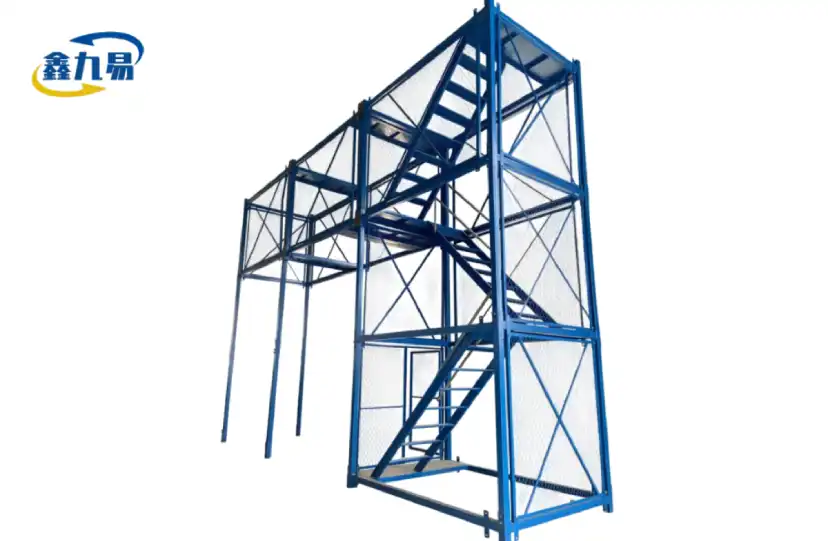
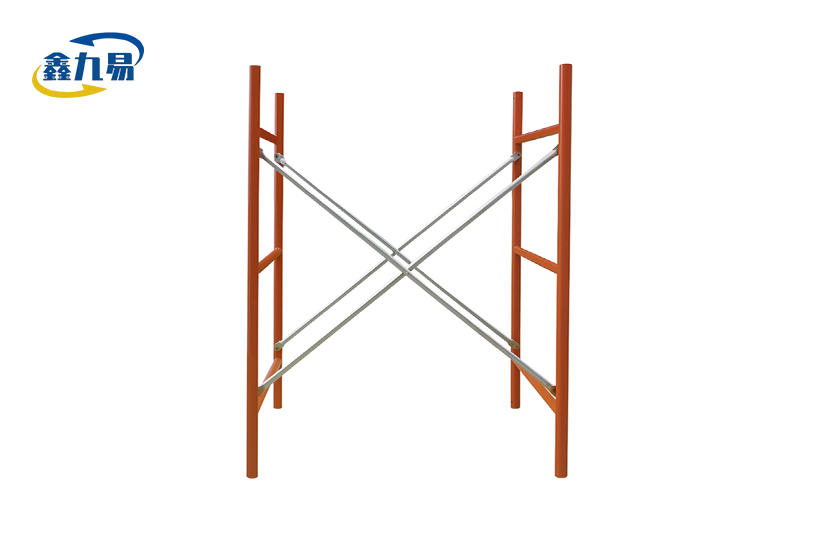
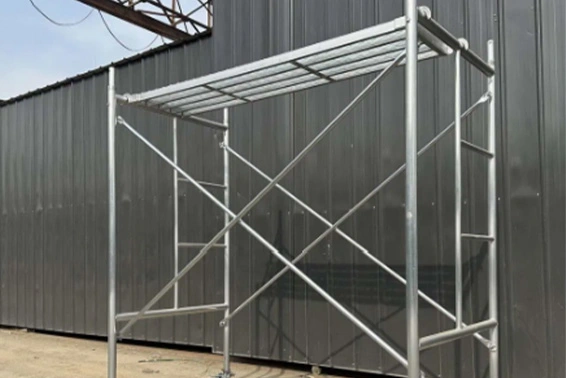
The American type frame scaffolding is a flexible support system made up of vertical steel frames that have ladder rungs built right into them. Unlike regular scaffolding, which needs separate steps, this design lets workers climb safely inside the frame itself, so they don't need any extra tools and the setup time is shorter. Each frame is usually between 1524 mm and 1930 mm tall, and between 950 mm and 1250 mm wide. This makes standard parts that fit together easily between makers and project stages.
Core Structural Components
The system is made up of several important parts that work together. The vertical backbone is made up of main frames that are made of Q235 or Q355 high-strength steel and have walls that are 2.0 mm to 2.5 mm thick. Cross braces link frames across the horizontal plane, keeping them stable and stopping them from swaying while they're being used. Parts can be locked together without special tools using coupling pins, and the work area is made of platform planks where people and things can rest. Base plates spread the weight evenly across the ground, and movable screw jacks make up for rough ground.
Key Advantages Driving Adoption
This type of structure has many uses because it is useful in many ways. The high-frequency welded steel structure and protective surface treatments like hot-dip galvanising or powder coating make it very durable. They can last up to 20 years in harsh settings. The method is affordable because it can be used again and again and doesn't need much maintenance. This lowers the cost of each job over time. User-friendly assembly means that workers can quickly put up or take down structures, often without a lot of training. This speeds up project plans and cuts down on labour costs.
Safety and Maintenance Protocols
Consistent check schedules are needed to keep structures in good shape. Visual checks should be done every day to find any bent parts, loose pins, or weak welds before workers go up. Every month, thorough checks make sure that the load limits stay safe and that the coats on the outside don't show any major rust. Keeping frames dry, stacked horizontally, and away from ground moisture while they are stored properly between tasks protects their properties and stops them from breaking down too quickly.
How to Assemble American Type Frame Scaffolding — A Step-by-Step Guide
Assembling American type frame scaffolding correctly starts before any of the parts get to the site. The people in charge of a project have to check the ground to make sure it can hold enough weight and look for possible dangers, like power lines or unstable soil. The right frame spacing and bracing patterns are found by figuring out the needed load capacities based on the number of workers, the weight of the materials, and the surroundings.
Essential Components and Their Roles
Knowing what each part does makes putting it together and fixing problems go more quickly. Frames offer vertical support and built-in climbing access, with ladder rungs separated to meet safety standards for ergonomics. Cross braces, which are usually set up in an X-pattern for best stiffness, keep the frame aligned and stop it from moving side to side. Using simple drop-lock or flip-lock mechanisms, coupling pins keep connections between frames and braces safe. Platform boards, which are usually made of aluminium or reinforced wood rated for certain load classes, make up the work area. Base plates and screw jacks make sure that the base is level and stable on a variety of surfaces.
Assembly Sequence for Maximum Stability
The building process is organised in a way that makes things more stable over time. Place the base plates on firm, level ground first, and then adjust the screw jacks to make up for any small slopes. Place the first frame upright on the base plates and use a spirit level to make sure it stands straight. Place the second frame in place to finish the bay and attach the cross braces to the first frame at the marked connection points. Make sure that connections are fully engaged before locking coupling pins in place. Place the platform planks at the height you want to work at, making sure there are no holes between them. To get the coverage area you need, do the steps again and again, adding guardrails and toe boards at each working level.
Safety Tips and Ongoing Maintenance
During setup and use, certain things that should be done to keep things safe and increase the life of tools. Do not go over the estimated load limits, which change based on the frame's size and spacing. OSHA rules say that guardrails must always be in place before workers can get on platforms. This is to make sure that workers are safe from falling over six feet. Before each use, check the pins and welds for damage and take any broken parts out of service right away. Frames should be cleaned often to keep rust from building up, especially in coastal or chemically harsh areas. Keep track of a component's history and who is responsible for what by writing down the results of inspections and maintenance tasks.
Comparing American Type Frame Scaffolding with Other Types
Construction workers use a variety of scaffolding systems, and each one has its own features that affect which projects are best for it. Tubular scaffolding is made up of separate tubes and couplers. It is very flexible and can be used in a wide range of shapes, but it takes more time and skilled workers to put together. Cuplock scaffolding has horizontal ledgers that lock into vertical standards using a spinning cup device. It can be set up faster than tubular systems while still being flexible. Ringlock scaffolding uses a rosette connection system that lets it be set up in eight different directions. It works especially well for big projects that need to hold a lot of weight and grow in modules.
Structural Design and Usability Differences
American type frame scaffolding is different from other brands because it has an integrated ladder design. Instead of using external stairs, workers climb inside the protected building. This lowers the risk of falling and speeds up the movement up and down. When compared to tubular systems, which need custom measurements, standardised frame dimensions make planning and managing inventory easier. However, this standardisation makes it harder to change to different shapes. This means that frame scaffolding isn't as good for curved walls or other irregular structures, where cuplock or ringlock systems work better.
Durability and Cost Analysis
Longevity depends on the quality of the material and how it is treated on the outside. When Q235 steel is hot-dip galvanised and used to make frame scaffolding, it effectively resists corrosion, keeping its structural integrity even after years of being outside. When coupler connection points are tightened over and over, they may wear out faster in tubular systems. Both cuplock and ringlock scaffolds are very durable, but they usually cost more to buy at first. When figuring out the total cost of ownership, you need to look at more than just the buying price. Frame scaffolding is easy to put together quickly, which cuts down on the number of hours needed for each project. It can also be used more than once, which spreads the cost of the equipment over more sites. Financial results are also better because upkeep is easier than with systems that have a lot of small parts. To figure out lifetime value, procurement professionals should guess how often something will be used, how much it will cost to maintain, and when it will need to be replaced over the course of its predicted service life.
Procurement Considerations for American Type Frame Scaffolding
Choosing the right supplier and procurement model has a big effect on how well the project works and how much it costs. Companies that manage ongoing construction projects on various sites can save money in the long run by buying American type frame scaffolding instead of renting. This is because they don't have to pay rental fees every month. Renting is good for short-term projects or one-time needs because it lowers the amount of money you need up front and lets the supplier handle maintenance.
Identifying Reliable Suppliers
Several important traits are shown by good providers. Modern welding equipment, precise cutting tools, and controlled surface treatment facilities should be part of a manufacturer's arsenal to make sure that product standards are always met. Compliance with ANSI/SSFI SC100-5/05 guidelines and certifications like ISO 9001 and ISO 45001 show that safety and systematic quality control are taken seriously. Proven project knowledge, shown by case studies from similar types of building, shows that the person knows what is needed in the real world. Customisation lets suppliers change frame sizes, material types, or surface finishes to fit the needs of a specific project. This is especially helpful for coastal areas or projects with floors that aren't the standard height.
Pricing Overview and Value Optimization
Knowing how prices work can help you negotiate better terms. When ordering full scaffolding systems for big projects, you can usually get a volume discount. The more you buy, the more you save. In a lifecycle value estimate, not only the original cost is taken into account, but also the costs of repairs, replacements, and the ability to sell the item again. Frame framing is often a better deal than systems that need to have parts replaced often because it lasts 20 years and doesn't need much maintenance. Logistics and delivery speed affect how much a project costs all together. Suppliers with streamlined shipping methods and open supply plans keep sites from being late, which costs a lot of money. To avoid problems with customs when buying things from other countries, look at the import taxes, shipping ways, and how much experience the seller has with cross-border paperwork.
Professional Installation and After-Sales Support
Offering a wide range of services sets exceptional suppliers apart from commodity providers. Help with installation, like specific instructions or technical help on-site, makes sure that everything is put together correctly and lowers the risk of accidents. If parts break too soon, you can get them fixed through the warranty, which covers flaws in the making process. Ongoing expert service, such as training in inspections and upkeep tips, helps equipment last longer and work better.
Hebei Xinjiuyi Construction Technology Co., Ltd. is a good example of this type of seller because it has advanced factories in Cangzhou and is an expert at making custom safety solutions. From the first design to delivery, our engineering team works with clients to make sure that the scaffolding configurations perfectly match the needs of the project and the conditions on the site.
Conclusion
In conclusion, for building and industry projects that need reliable and effective entry systems, American type frame scaffolding is a good choice. It meets important needs for safety compliance, quick setup, and long-term value with its integrated ladder design, standard sizes, and sturdy construction. Knowing how to put things together, the pros and cons of each option, and the best ways to buy things lets you make smart choices that protect workers, keep costs down, and help the project succeed. Whether you're working on a high-rise building, a bridge, or an industrial facility, buying quality frame scaffolding from a maker with a track record of success is the best way to make sure that your job is safe and productive.
FAQ
1. What load capacity does American type frame scaffolding support?
Standard setups can usually hold between 225 and 450 kilograms per platform level, though this depends on how the frames are spaced and how they are braced. For heavy-duty uses, closer frame spacing and stronger cross bracing may allow for higher capacities. Always check load ratings with the maker to make sure they are accurate for your setup and planned use.
2. How frequently should inspections occur?
Visual checks are done every day before each shift to find clear damage like frames that are bent or pins that are missing. Comprehensive monthly reviews by trained staff check the state of the coating, the welds, and the correctness of the measurements. Do immediate inspections before using again after major weather events or impacts.
3. Can frame dimensions be customized for unique projects?
Many reputable makers let you change the sizes, thicknesses, and types of material to fit your needs. Custom frame heights are helpful for projects with non-standard floor-to-floor lengths, and seaside areas may need stronger galvanisation or special coatings that don't rust in saltwater for your American type frame scaffolding.
Partner with Xinjiuyi for Superior Scaffolding Solutions
Xinjiuyi's quality, service, and expertise make it a great choice for procurement managers looking for a reliable American type frame scaffolding manufacturer. Our factory in Cangzhou uses high-frequency welding and strict inspection procedures to make sure that every frame meets safety standards around the world. We are experts at custom solutions, which means that we can change the size and finish of our products to fit the needs of your project and its surroundings. Our quality management systems are backed by ISO 9001, ISO 45001, and ISO 14001 certifications, so you can be sure that every part is thoroughly tested before it is shipped. Our engineering team looks over your site plans and load needs and suggests the best configurations that work with the tools you already have. Email us at global@xjy8.com to talk about your structure needs, get technical specs, or set up a meeting. See how dedicated manufacturing expertise and service that focuses on the customer can make a difference in your construction safety programs.
References
1. American National Standards Institute. "ANSI/SSFI SC100-5/05: Safety Requirements for Scaffold and Scaffolding – Supported Scaffold Systems." Standards Institute Publications, 2015.
2. Occupational Safety and Health Administration. "Scaffolding in Construction: A Guide to the Scaffold Standard." U.S. Department of Labor OSHA Publication 3150, 2018.
3. Construction Industry Research and Information Association. "Guide to Good Practice in Scaffolding with Prefabricated Frame Systems." CIRIA Publication C720, 2014.
4. British Standards Institution. "BS EN 12810-1:2003 – Facade Scaffolds Made of Prefabricated Components – Part 1: Product Specifications." BSI Standards Publication, 2003.
5. National Institute for Occupational Safety and Health. "Preventing Worker Injuries and Deaths from Falls During Construction and Maintenance of Telecommunication Towers." NIOSH Alert Publication No. 2001-156, 2001.
6. Canadian Standards Association. "CAN/CSA Z797-09: Code of Practice for Access Scaffold." CSA Group Standards Development, 2009.