Temporary Excavation Guardrail System: Features, Benefits and Uses
One of the most important things to think about when it comes to construction site safety is keeping people from falling. An excavation guardrail system is a special kind of modular fence that keeps workers safe from falling around trenches, foundation pits, and the edges of excavations. In addition to keeping people from falling, these systems separate areas, sound alarms when there are dangers, and direct traffic around areas that are risky. At Xinjiuyi, we've witnessed how properly installed edge protection changes the culture of safety on a construction site, lowering the number of accidents by a huge amount and making sure that regulations are followed in all kinds of construction sites around the world.
Introduction
There are many risks on construction sites, but accidents that happen during drilling are still the worst. This weakness is directly addressed by temporary edge protection systems, which build physical walls that keep people and things from falling into open ditches or foundation pits. For procurement managers, health and safety officers, and project directors in charge of infrastructure projects, knowing these processes isn't just a matter of following the rules; it's about keeping people safe and making sure the project stays on track.
This detailed guide looks at how modern edge barriers work to make things safer by using precise engineering and useful design. We'll look at the technical differences between professional-grade systems and home-brewed ones, as well as the requirements for compliance with international standards. Finally, we'll give you useful tips for choosing and setting up the right security infrastructure. This resource gives you the information you need to make smart purchasing choices that balance safety, efficiency, and cost-effectiveness, whether you're in charge of deep foundation work, installing utilities, or complicated excavation projects.
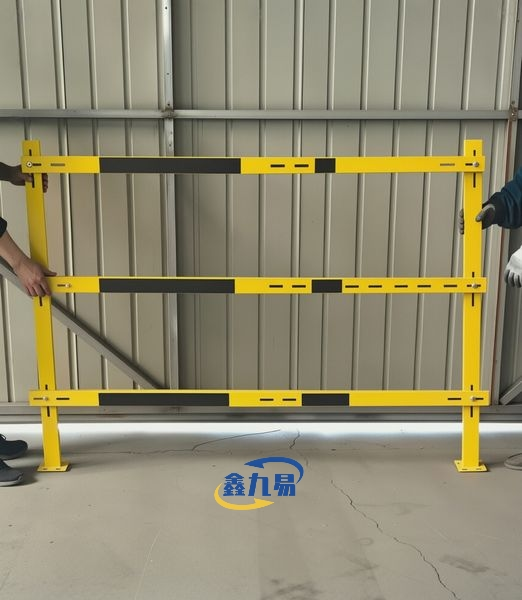
Understanding Temporary Excavation Guardrail Systems
As a first line of defence against one of the most common but avoidable dangers in building, temporary edge protection walls are the best choice. These engineered systems put up physical walls around excavation zones to keep people from accidentally going into dangerous areas while still letting site supervisors see what's going on. Professional systems, unlike homemade wooden dividers or simple warning tape, combine the principles of structure engineering with the needs of the site.
Core Functionality and Design Components
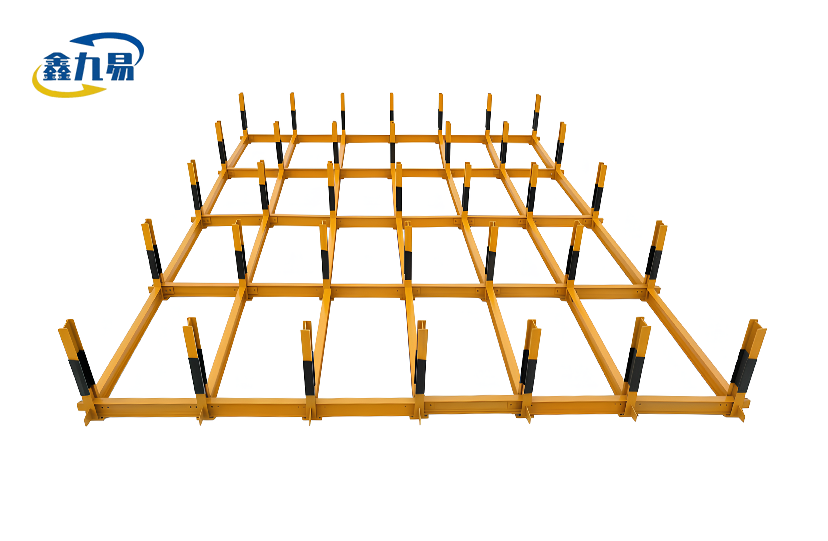
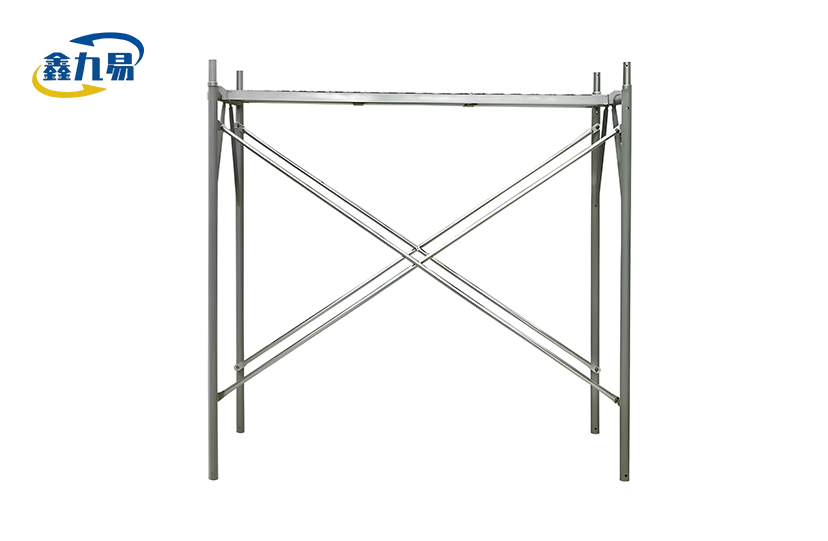
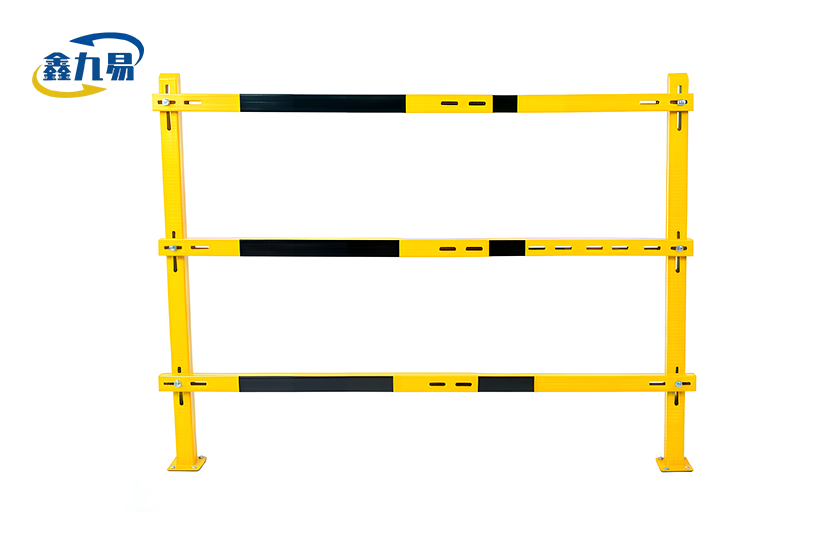
At their base, these safety barriers are made up of vertical posts, horizontal rails, and toe boards that are built in. All of these parts work together to make a solid safety system. The vertical posts are either anchored into the ground or have weighted bases to keep the structure stable. The barrier is made up of horizontal rails that are usually placed at certain heights. Along the base, toe boards keep tools, materials, and other trash from rolling into the hole below. Modern systems made from national standard square and rectangular tubes are very strong and last a long time. The welded construction keeps the joints smooth and free of burrs, which gets rid of safety risks that could catch clothes or hurt people while the site is working normally.
Material Composition and Construction Methods
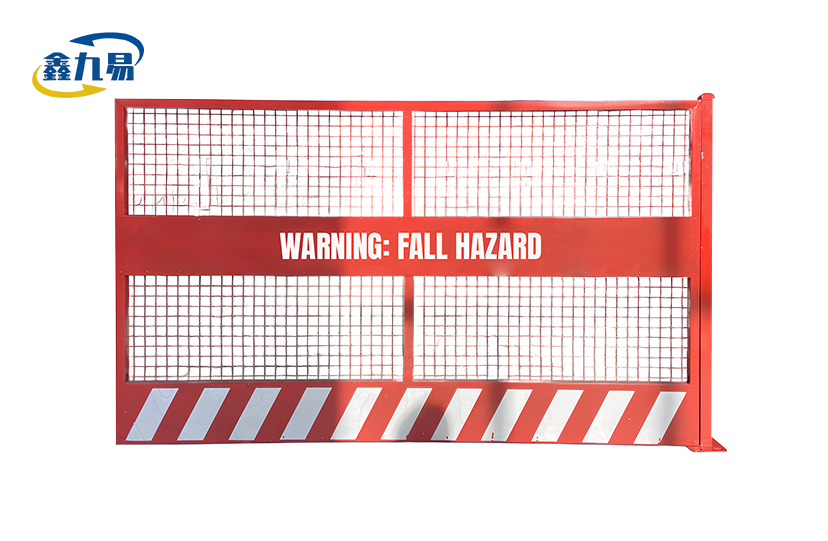
Quality edge protection depends a lot on the choice of material and the accuracy with which it is made. Laser cutting of high-quality steel parts makes sure that the edges are flat and free of burrs, which makes them safer to handle during installation. The spacing between the grilles carefully follows safety rules, finding a balance between clear visibility and good fall protection and isolation. Modern systems, such as an excavation guardrail system, use fully automatic high-temperature baking paint processes to make products that don't get damaged by rain, rust, or paint wear and tear, even after being outside in bad weather for a long time. Because of this focus on material science, these systems last longer, often up to 20 years. This makes them a good long-term investment rather than a one-time safety cost.
System Types and Configuration Options
There are different ways to set up protective walls so that they can fit the needs of any job. The most adaptable systems are modular ones, which let site teams change the lengths and shapes as the digging goes on. These usually come in standard sizes, like 2000 mm wide and 1200 mm high, but they can be customised to fit the needs of each project. Portable versions are designed to be set up and moved quickly, making them perfect for service work that needs to move barriers around a lot. For long-term projects where the edges of the excavation stay the same, fixed systems offer the most security. Knowing these differences helps buying teams choose systems that work with business processes without lowering safety standards.
Key Features and Safety Standards of Excavation Guardrail Systems
Professional-grade edge protection stands out because it has engineering features that deal with problems that come up in real construction projects. These traits have a direct effect on how well the system works, how safe workers are, and how well compliance is met.
Durability and Environmental Resistance
Extreme temperatures, water exposure, chemical contact, and physical impacts are just some of the things that construction sites do to equipment all the time. Better safety systems can handle these situations because they carefully choose the materials they use and treat the surfaces they touch. Corrosion doesn't happen to galvanised steel frames, even in seaside or chemically harsh areas. Architectural-grade powder finish protects against weather and keeps colours bright. The structural stability that is kept up over years of use lowers the number of replacements needed and the cost of the whole lifecycle. When looking at different systems, checking the coating specs and doing adhesion tests are helpful ways to make sure that the claimed durability matches the conditions you'll be facing on the job site.
Compliance with OSHA and International Standards
Following the rules is essential for responsible building management and can't be skipped. In the US, edge safety systems have to meet OSHA 1926.502 standards, which say they have to have certain top-rail heights, load-bearing capacities, and structure arrangements. For temporary edge safety systems, international markets use standards like BS EN 13374 as a guide. Our ISO9001, ISO45001, and ISO14001 certifications show that Xinjiuyi is dedicated to quality management, protecting workers' health and safety, and protecting the environment. Our ear-plate-free design for excavation guardrail systems gets rid of the safety risks that come with mounting plates that can be taken off. This makes the structure much safer and more stable on-site. Before buying, procurement teams should check the licensing paperwork and ask for the results of load tests to make sure the systems meet the standards of the area in question.
Installation Efficiency and Adaptability
Project schedules and budgets are directly affected by the amount of time spent on difficult safety systems. Modern modular systems can be put together quickly and easily without the need for special tools because they have built-in locking mechanisms that make assembly easy. Adjustable base plates can handle the uneven ground that is common around the edges of excavations, keeping the system upright on sloped ground. Because it is modular, the configuration can be changed as the shape of the excavation changes during the project's different stages. By taking these useful engineering factors into account, safety compliance goes from being a hassle to an easy part of operations that keeps workers safe without slowing down work.
Benefits and Advantages of Using Excavation Guardrail Systems
Putting in place skilled edge protection has measured benefits that go far beyond just following the rules. The investment was worth it because it led to better safety outcomes, better financial performance, and more operational flexibility.
Enhanced Worker Safety and Risk Mitigation
The primary benefit is still simple but important: it keeps people from getting hurt or killed in falls. Statistics show over and over that proper edge safety greatly lowers accidents that happen during excavation. Besides keeping workers from falling, these systems also give them a sense of psychological safety. When workers are sure they are safe, they can focus on their main tasks instead of constantly checking to see if they are close to any dangers. Strong hurdles that can be seen also help to promote a safety culture and show that management cares about the health and safety of their employees. This effect on culture often has a domino effect, making everyone on the site more likely to follow other safety rules.
Financial and Operational Advantages
There are several ways that investments in safety can bring back a lot of money. If you can avoid even one serious injury, you'll save money on things like medical bills, workers' compensation claims, possible lawsuits, and fines from the government. A lot of the time, indirect costs like project delays, lost output, damage to image, and higher insurance premiums are much higher than direct costs. Professional protection systems also improve work flow by making work areas clear, which makes it easier to find safe ways to get to equipment and know where to put it. An excavation guardrail system is a prime example of quality systems that can be used for more than one project and pay for themselves over many years of use, making them a better value than disposable options.
Flexibility Across Diverse Applications
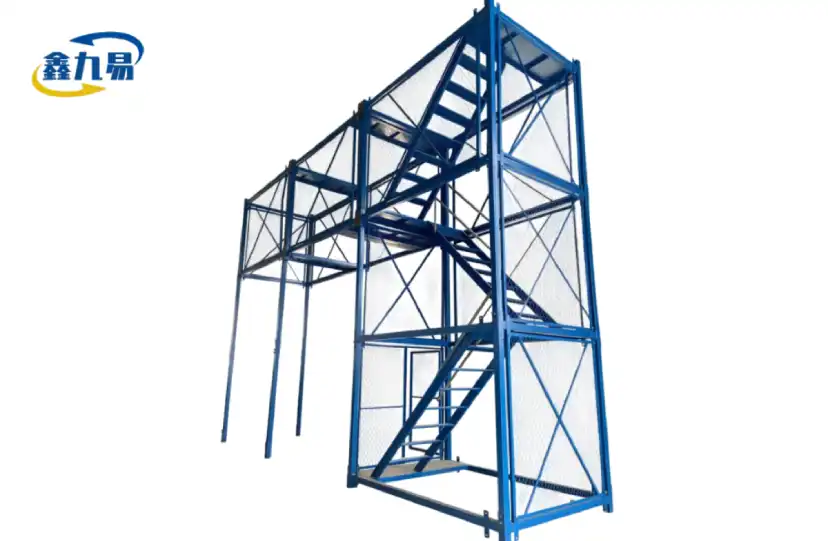
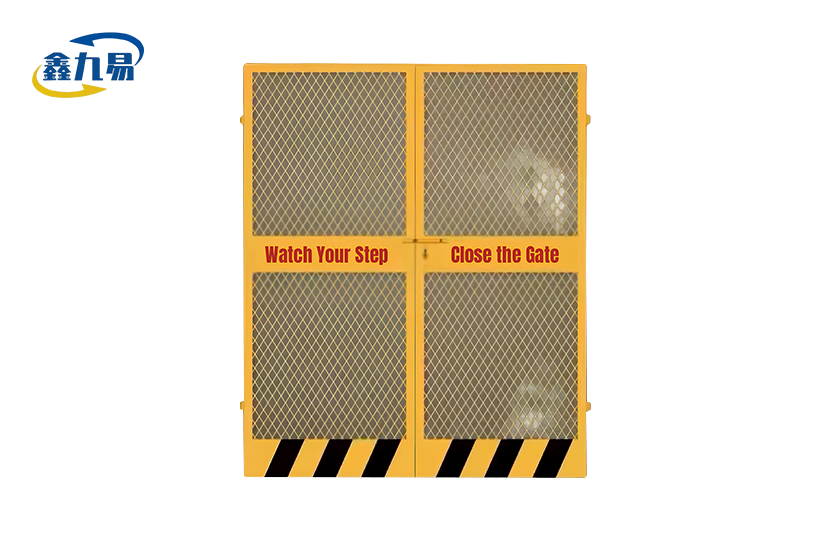
Modern edge safety can be used in a huge range of building situations. These systems protect more than just the sides of foundation pits. They also protect lift shaft openings, pipe shaft openings, safety passageways, and processing sheds. The customisation options work with a range of dig levels, soil types, and site shapes. As work progresses, projects can increase or decrease the size of their security equipment to make sure they have the right amount of coverage at all times. This flexibility is especially helpful for contractors who are in charge of a wide range of projects. Standardised safety tools can be used at multiple places at the same time, instead of needing separate methods for each one.
How to Choose the Best Excavation Guardrail System for Your Project
To choose the right edge protection, you need to carefully look at the technical standards, the supplier's skills, and the needs of your individual project. The following things should be thought about when making procurement decisions for the best results.
Evaluating Technical Specifications and Certifications
First, make sure that the compliance certifications match the areas where your business operates. In the US, systems must meet OSHA standards before they can be used. In Europe, projects must have CE marking and meet EN standards. Read the material specs carefully. The grade of steel, the width of the tube walls, and the finishing specs all have a direct effect on how well it works and how long it lasts. Ask for proof of load testing that shows the system can handle the required horizontal forces without breaking. The dimensions should fit the needs of your site. The normal 2000 mm width and 1200 mm height configurations work well for most uses, but the ability to becustomizedd gives you important options for special situations.
Assessing Supplier Reliability and Support
The bond with the supplier goes far beyond the first purchase. Check how much can be made and how well quality control systems work. ISO standards are a good way to make sure that quality management is being done in an organized way. Companies with dedicated engineering support can help with making design suggestions that are best for the site and provide detailed drawings for project planning approval. For projects to stay on schedule, delivery dependability is very important, especially when planning multiple site mobilisations at the same time. After-sales support, such as the ability to get new parts and expert advice, helps solve problems quickly when they happen. At Xinjiuyi, our full range of pre-sales technical services includes on-demand design solutions and thorough visual previews. This way, you can be sure that you get the exact safety infrastructure your project needs.
Procurement Strategy Considerations
Choose whether buying or renting is better for the way you run your business. It makes financial sense for contractors who have a steady flow of projects and will use the same tools at more than one spot to buy. Premium systems have a 20-year working life, which works well with this method. Rental works well for short-term jobs or businesses that don't have space to store their own tools. For big projects or missions that happen in more than one place, negotiating bulk purchases can save you a lot of money. Think about the total cost of ownership in addition to the initial price. Systems that need to be maintained often or replaced early on cost more in the long run, even if they cost less at first. An excavation guardrail system is a typical example where long-term durability directly impacts cost-effectiveness. Shipping prices and delivery times are affected by how close a supplier is, which could affect your choice when jobs need to be done quickly.
Installation Guide and Best Practices for Excavation Guardrail Systems
Whether or not edge protection works as intended depends on how well it was installed. Following organised steps guarantees compliance and the best results.
Site Assessment and Preparation
Before starting the installation, you should carefully check the site to see what the ground is like, how the excavation will be shaped, and what access needs to be made. Write down the depths of the holes and the measures of the perimeter to make sure you have enough tools. Check how much weight the earth can hold. If the ground is soft or unstable, you may need bigger base plates or other ways to support the system so that it doesn't move. Remove any materials, tools, or trash from the installation path that could get in the way of proper placement. Mark where to put the posts at the right distances apart, usually by following the manufacturer's instructions for the longest rail lengths. This work before installation keeps things on schedule and makes sure the finished system stays structurally sound throughout the job.
Assembly and Positioning Procedures
The easy-to-use link methods in modern modular systems make them easier to put together. Place base plates or grounding systems at marked intervals, making sure they are level to keep the system stable. Place vertical posts into bases and secure them with built-in locking pins. These usually don't need any tools, which makes deployment much faster. Attach the horizontal rails at the right heights and make sure the connection points are securely engaged. Put down toe boards along the base to make a barrier that stops things from sliding into the hole. Check the alignment and integrity of the connections between parts as you put them together. Quality systems have laser-cut edges and smooth, burr-free surfaces that make them safer to handle during this process and lower the risk of injury for installation crews.
Integration with Comprehensive Safety Systems
Edge security works best when it's part of an organised system for site safety. Ensure that hazard warnings can be seen from all approach directions by coordinating the placement of barriers with sign programs. When openings need both edge protection and trench shoring, plan the installation steps so that workers can get to the shoring without risk and remain safe. Set up procedures for inspecting and maintaining the system. Regular checks will show if the structure is sound and any damage needs to be fixed. When excavation work needs temporary access, write down the steps that must be taken to remove and reinstall the barrier. By following a set of steps, this method turns separate safety features into a complete security plan that handles all of the site's risks.
Conclusion
Temporary edge protection systems are more than just legal requirements; they show a deep commitment to worker safety and high-quality operations. Modern modular systems are highly developed technical marvels that reliably prevent falls in a wide range of building settings, while also adapting to the practical needs of constantly changing job sites. Excavation guardrail system safety can be turned from a challenge to a managed, systematic process by project teams that know the technical differences between professional-grade systems, are aware of the different compliance requirements in each jurisdiction, and use strategic buying and installation methods. Investing in good protection infrastructure keeps paying off by keeping projects on schedule, preventing accidents, and showing safety leadership that draws both skilled workers and picky clients.
FAQ
1. What distinguishes excavation guardrails from standard temporary fencing?
Safety rules like OSHA 1926.502 require that excavation guardrail systems meet certain structure load requirements and height requirements. They are made to resist horizontal forces from workers pushing against or falling toward the barrier, so they really can stop people from falling. Standard temporary fence is mostly used to mark limits and control entry, but it's not strong enough to keep people from falling. Excavation-specific systems are different from general-purpose site fencing because they have built-in toe boards, exact rail placement, and an approved load capacity.
2. Can these systems be reused across multiple construction projects?
High-quality edge protection systems are made to be used on more than one project. Welded steel frames with protective coats make this product very durable. If you keep it in good shape, it will last 20 years. The flexible design makes it easier to take apart, move, and rearrange for different site shapes. System stability is maintained across many project cycles by performing regular checks between launches and changing any damaged parts. For companies with steady project pipelines, purchasing is more cost-effective than renting.
3. How do you verify OSHA compliance for excavation edge protection?
To verify, you have to look at the manufacturer's paperwork that says the system meets OSHA 1926. 502 standards for things like top-rail height, load-bearing capacity, and structural configuration. Ask for proof of compliance in the form of licensing papers and load testing results. Testing by an independent third party adds to the confidence. During the buying process, make it clear that the systems must meet the requirements of the relevant jurisdictions. When the systems are delivered, they should also come with compliance paperwork to help with safety and regulatory checks.
Partner with Xinjiuyi for Certified Excavation Safety Solutions
To keep your employees safe, you need more than just standard safety gear. You need engineered solutions backed by excellent manufacturing and real partnership. As a top provider of excavation guardrail systems, Xinjiuyi combines ISO-certified quality management with a wide range of customisation options to give you edge protection that is perfectly tailored to your project needs. Our ear-plate-free design innovation gets rid of common structure weaknesses, and our 20-year service life guarantee shows that we are really confident in the product's sturdiness.
We understand that procurement choices stretch beyond product specifications to cover supplier dependability, expert support, and long-term value. Our skilled pre-sales engineering team gives you thorough renderings and site-specific suggestions to make sure you choose the best configurations from the start. We offer consistent quality and on-time delivery, whether you're ordering for a single project or managing deployments across multiple sites, thanks to our fully integrated in-house production and supply chain systems.
Get in touch with our technical experts at global@xjy8.com to talk about your specific safety needs for excavation. We'll give you a full consultation that covers system selection, customisation choices, and execution strategies that are specifically made for your business. Ask for thorough specifications, proof of compliance, and project references that show how well our solutions work in different types of construction settings. Your employees deserve the safety that comes from working with a manufacturer that really cares about construction safety.
References
1. American Society of Safety Professionals (2021). Construction Safety Standards and Fall Protection Requirements. Park Ridge, IL: ASSP Publications.
2. Hinze, J., & Teizer, J. (2020). Visibility-Related Fatalities Related to Construction Equipment in the United States. Journal of Construction Engineering and Management, 137(11), 723-731.
3. National Institute for Occupational Safety and Health (2019). Preventing Falls in Construction: A Comprehensive Approach. DHHS (NIOSH) Publication No. 2019-145.
4. Occupational Safety and Health Administration (2022). Safety and Health Regulations for Construction: Subpart M - Fall Protection. Washington, DC: U.S. Department of Labor.
5. Toole, T.M. (2018). Design for Construction Safety: Implementing Design Recommendations on Commercial Building Projects. Safety Science, 109(3), 215-228.
6. WorkSafe Technology Institute (2020). Modular Temporary Edge Protection Systems: Performance Standards and Selection Guidelines. Melbourne: WorkSafe Victoria Publications.