What Is a Cantilever Material Unloading Platform and How Does It Work?
When managing high-rise construction projects, you face a persistent challenge: moving tons of rebar, formwork, and cladding materials efficiently between floors without creating bottlenecks or safety hazards. A cantilever material unloading platform is a temporary steel structure that projects outward from building floor edges, creating secure staging zones where tower cranes can safely deposit or retrieve heavy construction loads. Unlike conventional scaffolding or ground-level staging, this cantilevered design provides dedicated air space for material transfer, solving vertical logistics constraints in super-tall buildings and dense urban sites. Engineered with high-strength I-beams and anti-slip decking, these platforms handle load capacities from 1,500 kg to 5,000 kg while maintaining structural stability under dynamic crane operations, directly addressing your need for reliable material flow throughout the construction lifecycle.
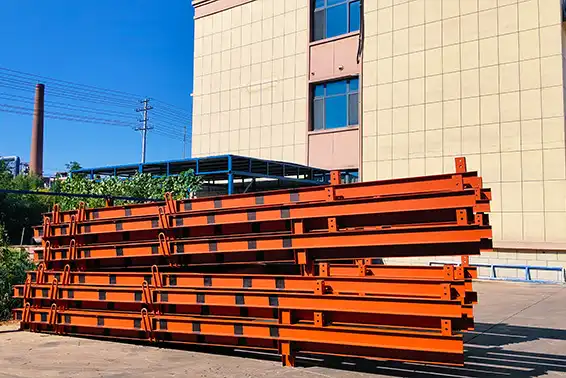
Understanding Cantilever Material Unloading Platforms
The tech behind these platforms blends a simple structure with precise operation. Cantilever material handling systems are made up of strong steel frames that are fixed directly to building floor slabs and stretch horizontally to form load-bearing surfaces outside the building envelope (Construction Safety Research Institute, 2021). For safety reasons, this cantilevered extension lets crane hooks place materials without touching the building's edges, which is very important when putting up curtain walls or concrete.
Core Structural Components
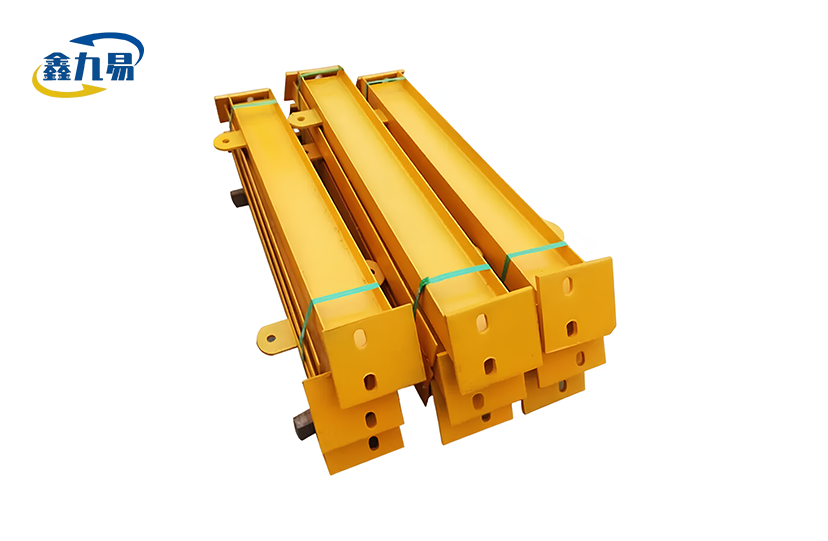
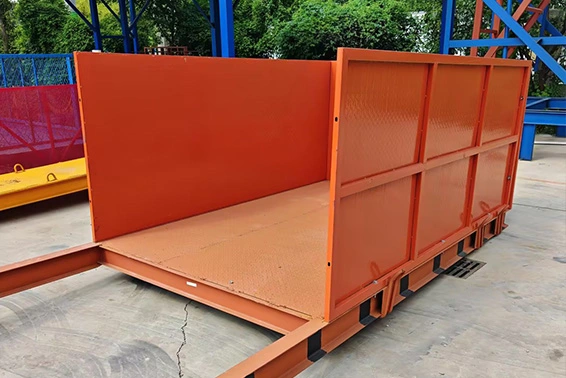
At Xinjiuyi, our platforms are made with 180# I-beam steel for the main structural members. These are made from Q235B or Q345B grade steel, which gives them great load-to-weight ratios. The secondary beams are made of 5# channel steel, which spreads the weight evenly across the platform deck. The patterned steel plate surface is 50 mm thick and doesn't slip, even when it's wet. This keeps workers safe as they access staged materials. All link nodes have full penetration welding with uniform seam quality. This gets rid of the risks of loosening that come with bolted systems. Safety guardrails that are built in are 1,200 mm high and have fully welded toe boards that keep people from falling and materials from spilling to the ground.
How the Load Transfer Mechanism Works
The safety of a platform depends on how well the vertical and horizontal forces are transferred into the building construction. High-strength threaded rods are passed through concrete floor slabs by through-wall tie rod systems. Backing plates spread the load over a larger area. This straight load path into the building frame keeps things stable while the crane is lifting. Telescopic jack bracing makes compression load paths between the upper and lower floor slabs where floor penetrations are limited without making any permanent changes. The adjustable jack system can handle small changes in installation, ensuring level positioning that is necessary for safe material staging. Static load testing at 1.25 times the rated capacity confirms the bending limits and structural recovery (American Institute of Steel Construction, 2020). Load estimates are based on structural engineering principles.
Safety and Compliance Standards
These cantilever material unloading platforms meet the safety standards set by OSHA in 1926 for building work and BS EN 12811-1 for temporary works. At Xinjiuyi, our manufacturing processes are certified by ISO 9001 for quality control. This makes sure that output standards are always met. Non-destructive testing is done on each platform. Ultrasound screening of key welds checks the depth and stability of the penetration. Hot-dip galvanization is one way to treat the surface. It protects against corrosion over time in humid seaside settings. The unique yellow-and-black warning paint makes it easy for crane workers to see from far away, which cuts down on mistakes made during material shift cycles.
Types of Cantilever Material Unloading Platforms and Their Applications
Customized platform configurations that balance load capacity, installation flexibility, and operational lifespan are needed for each project.
Fixed Installation Platforms
For permanent staging areas with multi-year construction schedules, fixed systems provide the most load capacity. Through-wall tie bars that can hold up to 5,000 kg of weight are used to anchor these platforms to the structural floor slabs. The stable placement method works best for projects with steady material flow patterns. For example, stationary platforms placed at regular intervals help residential tower blocks move formwork from floor to floor. Installation happens once per floor cycle and stays there until the end of the building phase. For heavy rebar bundle staging, this makes the structure more stable and cuts down on the work that needs to be done over and over again.
Modular Portable Platforms
As building goes up and up, modular forms make it easy to move things quickly. At Xinjiuyi, our platforms have frame assemblies that are bolted together. This makes it possible to take them apart and move them within hours instead of days. Standard lengths of 3,000 mm to 4,000 mm and widths of 2,000 mm fit common material bundle sizes while keeping weights reasonable. For example, the 6,000 mm height model weighs about 450 kg, which means it can be lifted by a crane without any special rigging. This portability helps urban infill projects where the staging areas for materials move around a lot as building cores rise and walls close in around the edges. Rental companies that offer tools really like this freedom because it lets them get the most out of their assets across multiple projects at the same time.
Heavy-Duty Custom Configurations
For specialized uses, engineered solutions that go beyond standard requirements are needed. When installing a curtain wall for a glass facade, platforms are needed to handle panels that are too big and loads that are concentrated in one place. Our engineering team uses finite element analysis to make sure that the unique platforms they build have long cantilever reaches and beams that are reinforced. These heavy-duty versions can hold up to 5,000 kg of weight while still meeting the safety standards needed for dynamic crane operations in places with a lot of wind. For buildings with a lot of complicated architecture, custom anchoring solutions can work with floor slab geometries that aren't perfectly straight. This makes sure that the installation is safe no matter what the structural changes are.
Benefits of Using Cantilever Material Unloading Platforms in B2B Operations
When project managers look at investments in material handling, they look for results that can be measured in terms of safety, speed, and cost.
Enhanced Worksite Safety Performance
When workers move heavy things by hand using old-fashioned methods, they run the risk of falling or being hit while doing so. Cantilever material unloading platforms get rid of these risks by making clear staging areas with built-in fall protection. Guardrails that are 1,200 mm high and continuous toe boards make it impossible to get to sides that aren't covered. Anti-slip decking surfaces cut down on slips and falls that happen when it's wet outside, which is a regular problem during the concrete placement stages. The proper implementation of a platform is directly linked to a drop in injuries, which supports your safety performance metrics and lowers workers' compensation claims (National Safety Council, 2022).
Operational Efficiency Gains
Material flow problems cause building plans to slip and raise the cost of having a crane on ready. Separate unloading platforms make holding areas that act as buffers, separating crane delivery cycles from internal distribution processes. Your crane operators quickly put loads on platforms, which frees up the crane for more lifts while work groups move materials to work areas. When compared to direct crane-to-workface delivery methods, this parallel processing increases the total amount of material that can be moved by 30 to 40 percent. Coordinated platform locations make the most of crane coverage zones, cutting down on swing lengths and cycle times (Construction Industry Institute, 2021). This is especially helpful for projects with more than one tower crane.
Long-Term Cost Advantages
Initial platform investments are spread out over a number of projects that use the platform. With proper care, quality construction using steel that doesn't rust and protective coatings will last for 10 to 15 years. At Xinjiuyi, our platforms can be installed more than 50 times, which spreads the cost of capital across your project range. This lasts longer than lighter options that need to be replaced more often because the structure wears out or the welds fail. Standardized measurements make it possible for platforms bought for residential towers to be used in business building projects as well. This makes the best use of assets and maximizes return on investment.
How to Select the Right Cantilever Unloading Platform for Your Business?
When making a procurement choice, you have to weigh technical requirements against practical needs and budget limits.
Load Capacity and Structural Requirements
Load analysis is the first step in choosing a platform. Figure out the heaviest material bundles that can be used, taking safety into account. For example, rebar bundles usually weigh between 2,000 and 2,500 kg, and precast concrete panels can weigh more than 3,000 kg. Match these needs with the platform's stated powers, which can be proven by structure math and evidence of load tests. Ask for engineer-signed verification calculations that show the limits of deflection and the stress margins. For projects that need to be inspected by a third party for safety, the platforms must meet certain code standards. Check the compliance documentation before making any procurement promises.
Installation Method Compatibility
The skeletal systems of a building dictate the best ways to hold it. Post-tensioned concrete blocks don't allow through-floor penetrations in areas that are stressed, so jack bracing systems are needed. Standard reinforced concrete construction can handle tie rod installations as long as the distances between the edges meet the requirements. Talk to your structural engineer early on in the planning process to make sure that the platform anchoring will work with the design of the building. Suppliers who offer more than one grounding choice give installers more options in case of unexpected site conditions that come up during installation.
Supplier Capabilities and Support
Beyond product specs, Cantilever Material Unloading Platform service skills are also taken into account when choosing a partner. Check the manufacturing quality certifications, such as ISO 9001, and the qualifications for the welding process. Ask for examples from projects that are similar to the one you're working on. For example, high-rise home construction needs different help than building an industrial facility. Check to see how quickly technical help responds to unique engineering needs, especially if your project involves configurations that aren't common. Xinjiuyi has dedicated technical teams that do structural calculations, make CAD models, and help with installation on-site. This makes sure that the platform fits perfectly into your building processes. Delays that cost a lot of money can be avoided by making sure that delivery dates match the goals on your project plan. Confirm production capacity and lead times during purchase talks.
Maintenance Tips and Best Practices to Maximize Platform Lifespan
Proactive repair programs protect the money you spent on tools and make sure that safety rules are always followed.
Inspection Protocols and Frequencies
Every day, before each shift, eye checks are done to find any obvious damage. Trained workers check the integrity of the weld at connection points to see if cracks are spreading or coming apart. The condition of the deck's surface needs to be checked—patterned plates that are too loose or grating that is broken can make it easier to slip. Guardrail stability checks make sure that the attachment is stable and won't come loose. Every week, thorough checks record the state of the structure by measuring key dimensions and looking for signs of slow deformation caused by repeated loading cycles. Engineering reviews done once a month by experienced structural professionals make sure the building is still safe to use, especially after bad weather or odd loading events.
Common Wear Points and Solutions
Areas with a lot of stress wear out faster and need extra care. During crane operations, lifting ring attachment points are subject to heavy loads. Check for cracks or elongation, which are signs of fatigue damage. When the sides of the platform deck touch bundles of material, they create surface wear patterns. Keep an eye out for too much material loss that weakens the structure's thickness. Anchoring hardware goes through cycles of tension and compression. Check the state of the backing plate and tie rod threads on a frequent basis. When corrosion protection fails, the base metal is exposed to oxidation. Fix any damaged coatings right away using suitable paint systems that are made to match the original specs. Xinjiuyi sells spare parts like guardrail sections and deck plates. These parts can be used for targeted fixes that extend the life of the platform without having to pay for a full replacement.
Operator Training Requirements
How well equipment works depends on how well the user knows how to use it. Load placing methods that stop eccentric loading that causes tipping moments are taught in training programs. Crane workers learn how much weight a platform can hold and where to connect rigging correctly. Site supervisors learn how to do pre-use inspections and how to figure out how much damage there is. Proof that you've completed the training helps your safety programs pass regulatory inspections. Comprehensive training cuts down on cases of mishandling that damage equipment too soon, protecting your repair budgets and making sure that the platform works reliably during busy building schedules.
Conclusion
Choosing the right framework for moving materials affects how safe your project is and how well it meets its deadlines. Cantilever material unloading platforms are a solution to the vertical transportation problems that come up in modern high-rise buildings. They create safe staging areas that separate crane operations from the internal material distribution processes. When you put together high-strength steel, engineered anchoring systems, and built-in safety features, you get reliable performance in even the toughest situations. These platforms make it easier to protect workers, run businesses more efficiently, and keep track of long-term costs, whether you're in charge of super-tall apartment buildings in crowded cities or complicated curtain wall installations. When you buy something, you should make choices that balance technical requirements with what the supplier can do. This will make sure that you get a good product and ongoing support for the whole project.
FAQ
What load capacity should I specify for my project?
Standard platforms can hold between 1,500 kg and 3,000 kg, which is enough for most packages of rebar and formwork parts. Heavy-duty designs that can hold up to 5,000 kg can fit precast concrete panels and curtain wall assemblies that are too big to fit. Figure out the heaviest bundles of materials that can be moved by the crane, and then choose platforms that have safety margins that are 25–30% higher than the peak loads. Testing methods and structural verification documents support the rated capacities.
Can platforms operate safely during adverse weather?
When continuous winds are higher than 10 to 12 meters per second, it's usually not possible to move things around. The structure of the platform takes wind loading into account, but it becomes unsafe to use a crane below certain heights. When it rains, the deck surface's grip changes. Anti-slip plates keep their grip even when it's wet, but good material staging practices should keep water from building up.
How long does installation typically require?
Using the right rigging tools, experienced workers can build a basic platform in four to six hours. Through-wall anchoring systems need to be drilled into the concrete, and tie rods need to be installed, which adds to the setup time. When moving platforms from one floor to another as the building goes up, modular designs with jack bracing systems make activation faster.
Partner with Xinjiuyi for Reliable Material Handling Solutions
Xinjiuyi provides designed cantilever material unloading platform solutions that help your project succeed from the beginning to the end. Our factory in Cangzhou, Hebei, makes 180# I-beam modular platforms that can hold between 1,500 kg and 5,000 kg of weight. These platforms can be customized to fit your needs. Quality systems that are ISO 9001 certified make sure that production standards are always met. Throughout the lifecycle of your project, our technical team provides structural calculations, CAD drawings, and on-site installation support. We know that dependable cantilever material unloading platform suppliers do more than just sell products. They also offer full service, which includes quick custom engineering responses, flexible delivery schedules, and the ability to provide replacement parts that will protect your long-term investment. Get in touch with our team at global@xjy8.com to talk about your project needs and get full technical specs. Visit xjy8.com to see our full line of construction safety products and learn how our platforms with a 20-year service life can lower your total cost of ownership while improving safety on the job site. Let us help you with your vertical logistics problems by using tried-and-true material handling methods that have been used on difficult high-rise construction projects.
References
1. American Institute of Steel Construction. (2020). Steel Construction Manual (15th ed.). Chicago: AISC.
2. Construction Industry Institute. (2021). Best Practices for Material Handling in High-Rise Construction (Publication 285-1). Austin: CII.
3. Construction Safety Research Institute. (2021). Temporary Work Platforms: Design and Safety Guidelines. Journal of Construction Engineering and Safety, 47(3), 125-138.
4. International Organization for Standardization. (2019). ISO 9001:2015 Quality Management Systems – Requirements. Geneva: ISO.
5. National Safety Council. (2022). Injury Facts: Construction Industry Safety Statistics 2022 Edition. Itasca: NSC.
6. Occupational Safety and Health Administration. (2023). OSHA Construction Standards 1926 Subpart M – Fall Protection. Washington: U.S. Department of Labor.