How to Choose a Rebar Processing Shed for Construction Projects
Choosing the right rebar processing shed demands careful evaluation of structural integrity, safety compliance, and operational efficiency. Your selection directly impacts worker safety, material quality, and project timelines. A well-engineered steel bar protection structure centralizes cutting, bending, and storage operations while shielding equipment from weather damage and falling hazards. The ideal solution balances durability through hot-dip galvanized frames with practical features like modular assembly and standardized dimensions. Procurement managers must verify load-bearing capacity, anti-corrosion treatments, and compliance with OSHA or ISO standards to ensure long-term value across multiple construction phases.
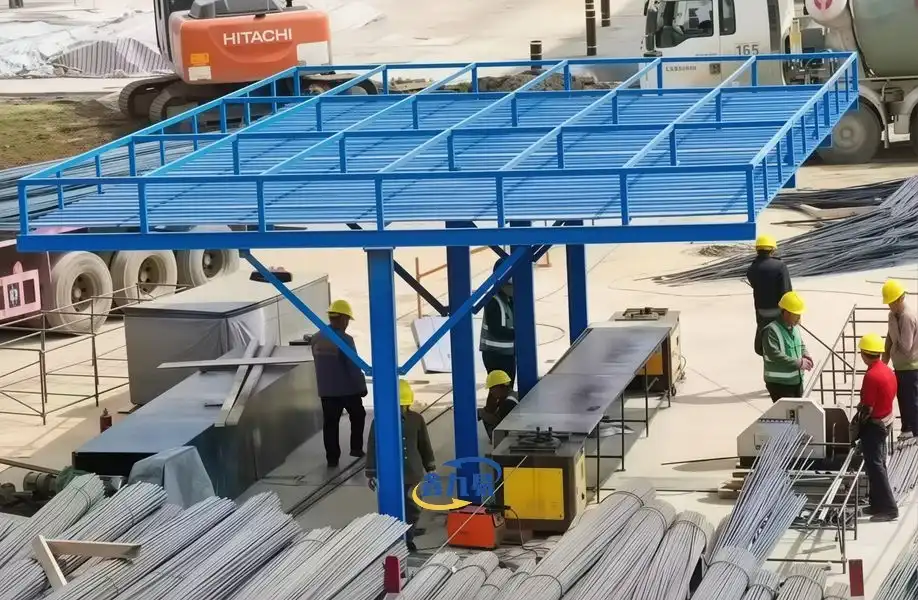
Understanding Rebar Processing Sheds and Their Role in Construction Projects
Making reinforcing steel on busy construction sites comes with risks that need to be contained. Handling steel bars is turned into a controlled process by a rebar processing Shed that keeps people from damaging the materials and keeps dangerous machines away from people walking by. These prefabricated buildings solve several problems at the same time. Surface oxidation from weather exposure weakens the bonding strength of concrete, and workers in open cutting zones are at risk of being hurt by falling objects and noise. Precision measurement systems in organised processing areas cut down on scrap waste and make it easier for contractors to follow the rules during civilised building checks.
Why Modern Sites Require Dedicated Steel Bar Protection?
Bridge piers, tunnel linings, and high-rise supports all rely on carefully manufactured reinforcing elements. When processing outside without protection, measurements can be off because rain can bend measuring tools or wind can move cut pieces around. Centralised Rebar Processing Sheds with overhead protection keep working conditions stable no matter what the weather is like outside. Statistics on safety show that accidents are less likely to happen when rebar is made in certain areas. The physical barrier keeps people who aren't supposed to be there from getting into machinery areas while they're running, and the roof structures keep falling items from higher building levels from hitting the ground. This two-way protection covers both ground-level and overhead dangers that are common on busy job sites.
Core Functions Beyond Basic Shelter
Aside from being weatherproof, professional Rebar Processing Shed facilities have fire safety rules for welding operations and enough air flow to get rid of metal dust. Structured environments help with quality control by having clear workflow stations for everything from storing raw materials to putting together finished products. This cuts down on handling mistakes that slow down projects.
Key Criteria to Consider When Choosing a Rebar Processing Shed
Picking the right Rebar Processing Shed means matching the technical specs to the needs of your project and the weather. System choices that aren't good enough cause jams or fail too soon when the site is stressed.
Material Quality and Structural Engineering
The underlying framework of the Construction Rebar Protection Shed affects how long the Rebar Processing Shed will last and how much weight it can hold. Premium options use structural steel of the Q235B or Q345B grade, with thicker, galvanized rectangle tubes making up the main frame. Standard rebar handling equipment can work with column spacing between three and six meters without getting in the way of work. It is important to pay attention to how the joints are built. Welded connections are stronger than simple bolt assemblies, but modular bolt systems are better for moving. For a good balance of durability and adaptability, the best designs use welded main frames and bolted secondary parts. Surface treatments have a direct effect on how much it costs to maintain a building over its lifetime. Starting with hot-dip galvanizing, multiple steps are used to make the base resistant to rust. Electrostatic powder finishing or high-temperature warning paint then adds an extra layer of protection. Coastal projects need anti-corrosion solutions in the C4 or C5-M group to work in salt spray settings.
Dimensional Planning for Equipment Compatibility
Standard sizes for configurations range from 6,000 mm to 9,000 mm in length, from 4,000 mm to 6,000 mm in width, and from 3,700 mm to 3,800 mm in height. These sizes work for most machines that cut and bend bars, but automatic stirrup formers and other specialized machines may need to be sized differently. Figure out how big of a footprint you need by drawing out where the machines will go, how the materials will flow, and where the safety zones are. In the secured area, make sure there is room for trash cans and places to check the quality of the work. When Rebar Processing Sheds are too small, equipment has to be put in areas that aren't covered, which wastes the money spent on protection.
Safety Certifications and Compliance Standards
Make sure that the Rebar Processing Shed you've chosen meets the safety rules in your area. In the United States, building projects must follow OSHA rules for safe worker safety and moving materials. Depending on what the contracting authority wants, international projects may need EN or ISO certifications. Look for safety features that are built in, such as kick plates with two colors (red-white or yellow-black), reflective warning strips to help you see at night, and standard safety signs in many languages. To keep people safe during storms, electrical grounding systems should have resistance below four ohms.
Comparing Popular Types and Models of Rebar Processing Sheds
The market has a range of configurations that are best for different operational sizes and budgets. Knowing these differences keeps you from making investments in a Rebar Processing Shed that aren't right for you.
Standardized Versus Custom-Engineered Solutions
Standard models that are already made save money and can be used quickly. These are made in Rebar Processing Shed standard sizes and with tried-and-true designs, which cuts down on research time and costs. They work well for projects with standard equipment and average processing loads. Custom-engineered structures can work with odd-shaped plots or that need to fit in with other buildings that are already there. For projects that need overhead gantry cranes, special crane-load columns with corbels and rail beams that can hold three to ten-ton lifting systems are needed. These changes require more money up front, but they get rid of practical compromises. Xinjiuyi's method is a mix of standardization and freedom. Our core frame designs are based on tried-and-true specs, but we can make changes to the sizes and add features based on the site plans and equipment lists you send us.
Manual Versus Automated Processing Environments
Simple manual Rebar Processing Sheds let you use hand tools or semi-automatic machines for standard cutting and turning tasks. These small designs keep capital costs low while still giving smaller worker teams the safety they need. CNC rebar processing lines, multi-head cutting stations, and computerized bending centers are all housed in highly automated factories. For these, you need stronger floors, their own electrical systems, and bigger spaces to fit material conveyors and systems for sorting finished goods. Higher structural investments are needed for big building projects with repetitive reinforcement patterns because they lead to higher output.
Temporary Versus Permanent Installation Approaches
Mobile Modular Rebar Processing Sheds are put together with bolts, so they can be moved between three to five project stages without the structure getting worn out. This is good for contractors who are in charge of handling multiple projects at once or temporary staging places. Certified techs take apart parts so that they can be used again in the future. Concrete foundation footings and welded structural links are used for permanent placements. This method works well for setting up long-term processing hubs in precast concrete plants and steel fabrication yards. Heavy machinery and bigger output rates can work with the fixed infrastructure.
Procurement Considerations: How to Buy the Right Rebar Processing Shed
A successful rebar processing shed purchase involves more than just comparing technical specs. It also involves figuring out how reliable the maker is and what kind of terms and conditions will protect your investment.
Evaluating Manufacturer Credentials
Give top priority to suppliers who have ISO 9001 quality management systems and show consistent production standards through documented processes. Ask for proof of ISO 45001 environmental compliance and workplace health certification; these show responsible manufacturing practices that lower supply chain risks. Look at the manufacturer's project resume to see rebar processing. Shed setups that were done in settings like yours. Coastal areas with a lot of salt, areas with very high or very low temperatures, or areas with a lot of earthquakes all need special engineering. Manufacturers who have done well in similar situations in the past bring valuable application knowledge.
Understanding Total Ownership Costs
The purchase price is only the beginning cost of buying the Rebar Processing Shed property. Lifecycle costs include logistics for transportation, preparing the foundation, labour for assembly, and regular maintenance. Structures that need to be painted or have parts replaced often end up costing more than high-end options that are more resistant to rust. Ask for specific wait time estimates. Standard configurations may ship within seven days, but adding custom features can take longer. To avoid critical path delays, plan for the time it takes to put together the project (usually three to five days) and get the site ready.
Verifying Installation and Support Services
Professional Rebar Processing Shed installation makes sure that the structure is safe and that all safety rules are followed. Manufacturers who give on-site expert support check that the bolt torque standards are met, that the grounding system works, and that the protective coating is still intact after assembly. When installation goes wrong, this service stops the need for expensive repairs. After-sales support includes having spare parts on hand, offering structural inspection services, and helping with changes when site needs change. Larger companies keep parts on hand and hire expert staff to help customers all the time, but smaller companies might not have the means to form long-term partnerships.
Exploring Flexible Acquisition Options
Direct purchase works well for contractors who are working on multiple jobs at once or who are setting up fixed rebar processing shed facilities. When you order in bulk across multiple projects, you can often get volume discounts and get production scheduled earlier. Rental agreements are good for short-term projects or clients who want to test the benefits of a Rebar Processing Shed before committing capital. Some companies let you rent something and then eventually buy it through a program called "lease-to-own."
Expert Tips for Maximizing the Value and Longevity of Your Rebar Processing Shed
Careful planning during Rebar Processing Shed installation and regular upkeep will protect your investment and make the structure as useful as possible for as long as it lasts.
Site Selection and Foundation Preparation
Pick level ground that drains well so water doesn't pool around the Rebar Processing Shed. Place the shed so that it takes as little time as possible to move materials from where they are stored to where they are processed and then from where they are made to where they are installed. Think about the direction of the prevailing wind. Place openings away from the main weather patterns to keep inside air from getting wet. What kind of foundation is needed depends on how much weight the dirt can hold and how much the machinery vibrates. Heavy machinery has separate footings that keep moving loads from putting stress on the main frame. This keeps the structure from wearing out. Geotechnical engineers should be consulted on sites with bad soil to keep structures from settling and becoming out of alignment.
Implementing Routine Maintenance Protocols
Set up Rebar Processing Shed inspection times once a week to look for loose bolts, damaged coatings, and structural deformation. Use measured tools to tighten high-strength screws to the required torque levels. Fix any paint chips or galvanising scratches right away with touch-up paint to stop corrosion from spreading. Weld quality checks, grounding system resistance tests, and roof panel security checks should all be part of monthly deep inspections. Write down what you find in repair logs so you can keep track of trends of wear and plan to replace parts before they break.
Optimizing Workflow Efficiency
Set up internal Rebar Processing Shed zones in a way that makes sense. For example, put cutting stations near the entrances for raw materials, bending equipment further down the line, and holding areas for finished products close to the exits. This straight-line flow cuts down on steps that waste time, like going backwards and handling things. Make sure there is enough lighting in the shaded area to help with quality checks and to keep your eyes from getting tired while you work carefully. In addition to natural daylight, LED fixtures that meet the standards for lighting for complex production jobs can be used. Good lighting also makes things safer by making warning signs easier to see.
Adapting to Evolving Project Needs
As project steps change, check to see if the current Rebar Processing Shed layout still meets new needs well. With modular designs, you can add extra bays or move the whole building to a better spot. Manufacturers that offer modification services can add new features like crane integration or better ventilation to older models without having to replace the whole thing.
Conclusion
Finding the right Rebar Processing Shed is a balance between what the project needs right now and what it will be useful for in the long run. Make sure the structure is strong by using high-quality materials like hot-dip-galvanized Q235B-grade steel that can withstand the weather and hold big machines. Check that the relevant safety standards are being followed, such as OSHA for U.S. projects or ISO certifications for international work, to meet regulatory requirements and keep your employees safe. Look at the manufacturer's qualifications, such as ISO 9001 quality systems and past project knowledge in similar settings. Figure out the total costs of ownership after the initial purchase, including repairs that need to be done and possible moves that need to be made during different stages of the project. Professional installation, careful site placement, and regular maintenance schedules will help your investment last longer and work better.
FAQ
What is the typical service life of a rebar processing shed?
When kept according to the manufacturer's instructions, high-quality Rebar Processing Sheds made with galvanised steel frames and the right surface treatments will last twenty years. In harsh coastal areas or places with a lot of commercial use, the lifespan may be cut to fifteen years. In mild conditions, however, it can last longer than twenty years. Regular inspections and treating corrosion at the right time have a big effect on how long something lasts.
Can prefabricated sheds be customized for unique site requirements?
Standardized Modular Rebar Processing Shed designs allow for changes in size, different roof layouts, and built-in features like overhead crane systems. Manufacturers usually let you change the basic structure of their products so that it fits the needs of your site while keeping costs low. Fully built unique solutions with longer lead times may be needed for needs that are very complicated.
How do automated processing sheds compare economically to manual alternatives?
Automated Rebar Processing Shed facilities need more money up front, but they save money in the long run because they are more productive and accurate. Within two to three years, projects that process a lot of repeated reinforcement patterns start to make money. Smaller contractors with unpredictable workloads or tight budgets can still save money by using manual systems.
Partner with Xinjiuyi for Your Steel Bar Protection Needs
Hebei Xinjiuyi Construction Technology Co., Ltd. is a trusted seller of Rebar Processing Sheds that procurement managers can turn to for all of their needs. Our factory in Cangzhou has ISO 9001, ISO 45001, and ISO 14001 certifications, which mean that we always take care of quality management, worker health, and the environment. We design security structures with 18# I-beam steel poles and Q235B grade frames that are hot-dip galvanised and electrostatically powder coated to make them more resistant to corrosion. Each structure has a modular bolt assembly that allows for three to five moves between project phases, which makes the best use of your capital equipment. Before production starts, our technical team does thorough site assessments and custom design renderings to make sure that the sizes will work with your processing equipment. Standard setups ship within seven days and come with skilled fitting help. Email our global buying department at global@xjy8.com to talk about your project needs and get custom specs. We support bulk ordering programs with discounts for large orders, and we keep spare parts on hand to help customers all the time. Xinjiuyi provides the standard safety options that your building projects need, along with quick service for as long as your equipment is in use.
References
1. Johnson, M. (2023). Construction Site Safety Systems: Engineering Standards and Best Practices. Industrial Safety Press.
2. Chen, L., & Rodriguez, A. (2022). Modular Steel Structures for Temporary Construction Facilities. Journal of Construction Engineering and Management, 148(7), 142-156.
3. National Institute for Occupational Safety and Health. (2024). Guidelines for Rebar Fabrication Area Design and Worker Protection. NIOSH Publication Series.
4. American Concrete Institute. (2023). ACI 315: Details and Detailing of Concrete Reinforcement – Guide for Fabrication Facilities. ACI Standards Committee.
5. Williams, P. (2022). Corrosion Protection for Construction Equipment in Harsh Environments. Materials Engineering Quarterly, 39(4), 88-102.
6. International Organization for Standardization. (2024). ISO 12482: Construction Site Temporary Facilities – Safety and Performance Requirements. ISO Technical Committee Documentation.