How to Choose the Best Excavation Guardrail System for Construction?
To pick the best Excavation Guardrail System, you need to look at how safe it is, how long the materials last, how flexible it is, and how reliable the provider is. Look for systems that are made from high-tensile steel and have finishes that won't rust and meet OSHA 1926.502 or EN 13374 standards. Prioritise modular designs that can be changed to fit different trench levels and soil conditions. This will allow for quick rollout without affecting the structure's strength. Check the certifications, production capacity, and customer service provided by suppliers to make sure that the quality of their products is consistent and that they deliver on time for your construction projects.
Safety on the job site is a must when you're in charge of deep digging, underground services, or base work. There is a lot of responsibility on your shoulders—keeping workers safe while also sticking to project deadlines and budgets. This guide will go over the important things that procurement managers, safety officers, and project directors need to think about in order to make smart choices about trench protection systems.
Understanding Excavation Guardrail Systems and Their Role in Construction Safety
Excavation guardrail systems are the first line of defense against falls into open pits, which is one of the most avoidable dangers in building. These aren't your average walls. They are engineered safety systems that are made to handle horizontal loads, catch falling objects, and show clearly around dangerous openings.
Core Components That Define Quality Systems
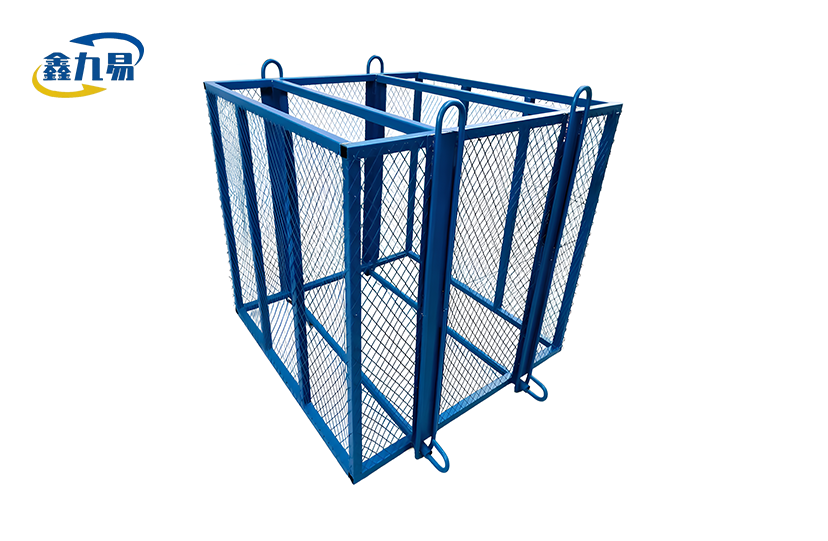
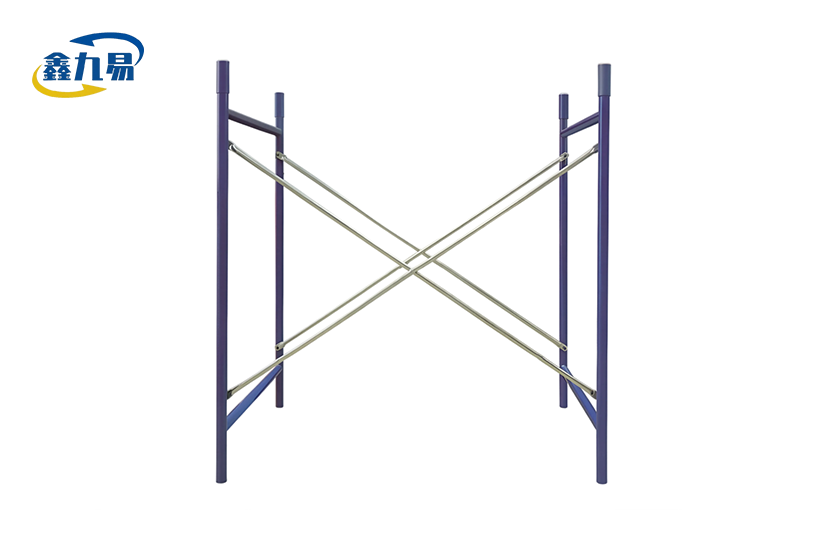
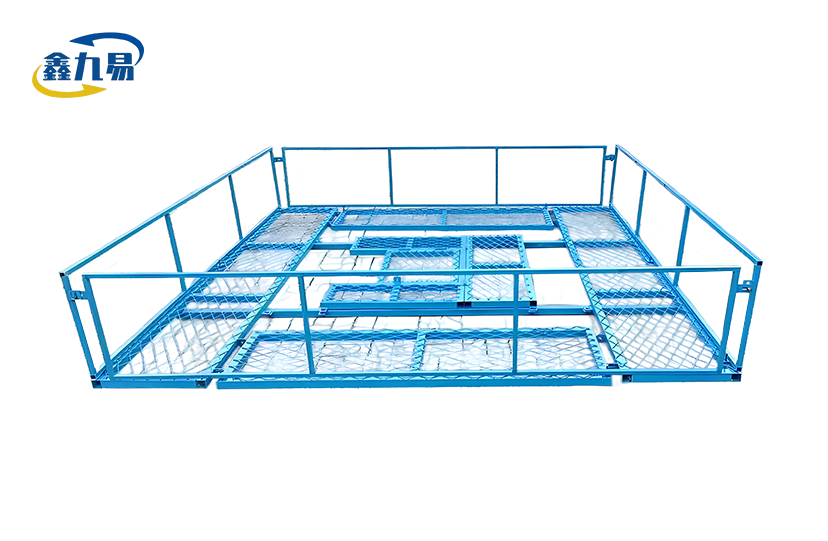
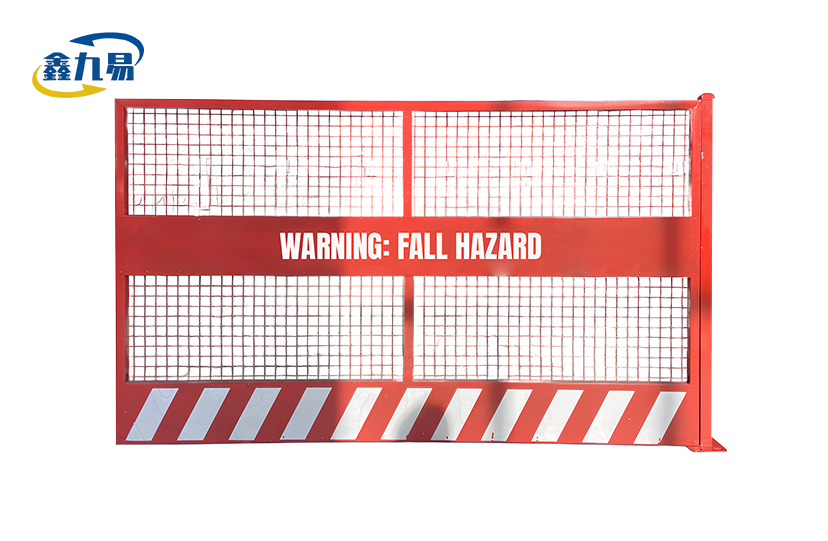
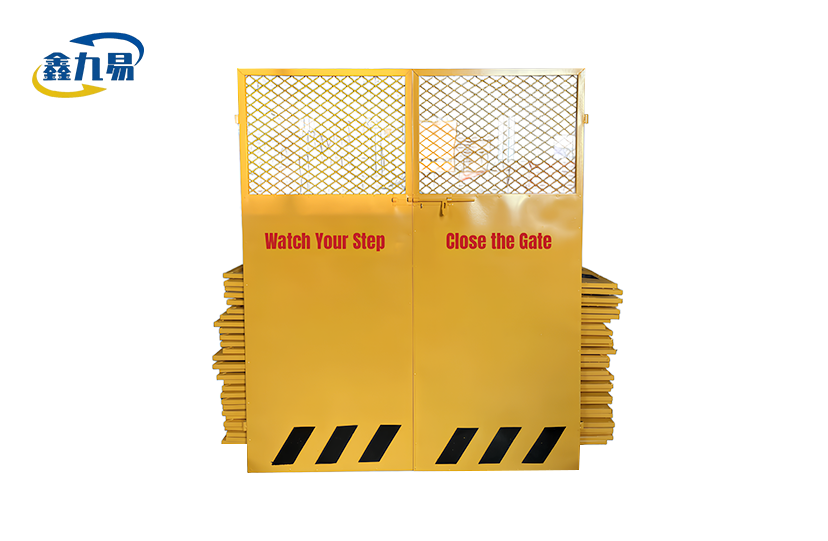
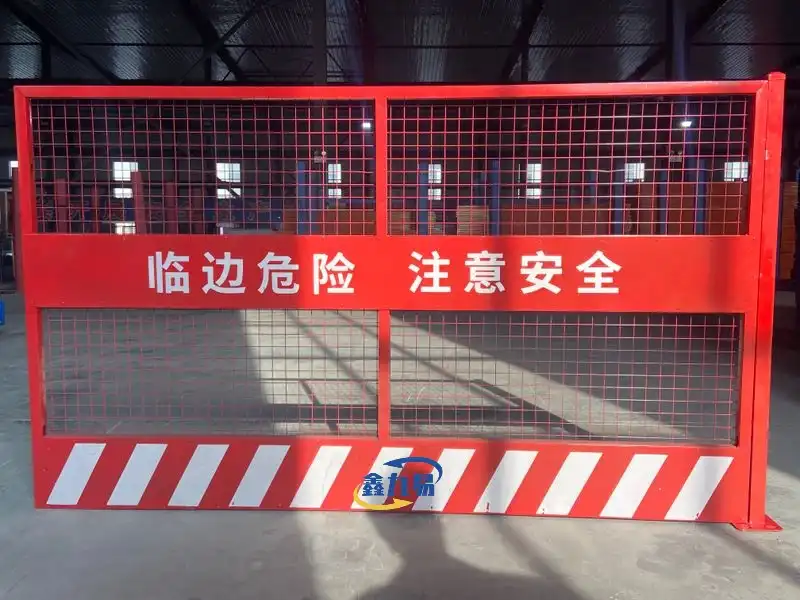
A well-designed trench protection barrier has several important parts that work together. The standard height of 42 inches puts the top rail in the most danger of being hit by accident. Mid-rails protect workers in between the main barrier and the next one, keeping them from going through or under it. Toe boards are very important and are often forgotten. They keep tools, debris, and other materials from falling into the excavation below. Base plates or anchoring systems keep the whole thing from moving when it gets hit by something or the wind.
We use welded square and rectangular tubes to build our buildings. This makes a rigid framework that spreads impact forces throughout the structure instead of putting all the stress on weak spots. Each joint is laser-cut and carefully welded, and then it is ground smooth to get rid of any burrs that could catch on clothing or hurt someone while they are handling it.
Why Regulatory Compliance Matters Beyond Avoiding Fines
The United States' OSHA rules and Europe's EN 13374 rules weren't made up on the spot by bureaucrats. They are the result of decades of studying accidents and doing technical research to find ways to keep people from dying. If you choose a barrier system that meets these standards, you're basically buying proven protection instead of trying out solutions that haven't been tried before.
In addition to meeting your legal duties, keeping compliance paperwork safe will help your business during insurance claims and liability investigations. There have been times when builders lost big bids because their old jobs didn't have the right safety records. Putting money into systems that are legal pays off in the form of lower insurance rates, a better image, and, most importantly, workers coming home safely every day.
The True Cost of Inadequate Fall Protection
A lot of building workers die every year because they trip and fall, according to the Bureau of Labor Statistics. What the numbers don't show is how each event affects other people: projects are held up while probes are going on; workers' morale is lowered; contracts could be terminated; and families are left with unimaginable emotional and financial costs. A strong edge protection system changes this risk profile a lot by putting up physical hurdles that make up for the short breaks in attention that happen all the time on busy sites.
Key Criteria to Consider When Choosing an Excavation Guardrail System
Instead of price alone, the decision process should be based on the needs of the project. We've been providing building sites around the world for decades and have learned that the cheapest choice always ends up being the most expensive when you add up the costs of replacement, the risk of harm, and the time lost from work.
Material Selection: Balancing Strength and Practicality
Steel is still the best material for protecting the edges of excavations because it is strong for its weight and lasts a long time. The Q235 or Q345 grade steel we use in our production gives our products the strength they need to hold weight while still being easy for two-person teams to install by hand.
Long-term performance is based on the finish that is put on the base metal. Hot-dip galvanization joins zinc and steel together, making them more resistant to corrosion in harsh chemical settings, like seaside projects or industrial sites with polluted soil. Powder coating resists UV light very well and lets you choose colors that are easy to see, which makes things safer by making them more visible. The high-temperature baking paint process we use is fully automatic and makes sure that the paint covers evenly and sticks well, even in rough construction sites.
Wood barriers are cheaper at first, but they break down quickly when they are exposed to changes in temperature and moisture. We've seen wooden systems fail structural integrity tests after only one season of storage outside. On the other hand, steel systems that are well taken care of can provide reliable protection for up to 20 years.
Modular Design: Flexibility That Saves Time and Money
Standardized modular parts make sites much more efficient. Our Excavation Guardrail Systems have standard sizes—2000 mm wide and 1200 mm high—but this can be changed to fit the needs of the project so that parts can be used on different sites and projects. By standardizing, your inventory stays useful no matter how the trench is set up, and when replacement parts arrive, you can be sure they'll fit perfectly in existing installations.
Tightly designed socket connections and locked pins make it possible to put things together without using any tools. We've seen skilled workers put up 100 linear meters of protection in less than two hours, while it took whole days to install systems that needed special fasteners or adjustments.
Evaluating Supplier Credentials Beyond Marketing Claims
Certification paperwork is an objective way to check that performance claims are true. We have ISO 9001, ISO 45001, and ISO 14001 standards, which cover quality management, health and safety at work, and being environmentally responsible, in that order. The certificates you see here aren't just for looks; they show that our systems and processes have been checked to make sure they are consistent from order to delivery.
The dependability of your project schedule is directly affected by how much you can make. Suppliers with dedicated production lines and large stockpiles of raw materials can meet both urgent and large-scale needs without sacrificing quality by working too quickly. At our factory in Cangzhou, Hebei, we keep enough stock and production ability to handle large orders and requests for customization.
After-sales Support distinguishes partners from mere vendors
Support after the sale is what sets partners apart from sellers. Technical advice during the planning stages, help with installation on-site, and helpful customer service throughout the lifecycle of the product create value that goes far beyond the initial purchase. Our team has built long-term relationships with workers because we're always available when questions come up or changes need to be made.
Comparing Excavation Guardrail Systems with Alternative Solutions
There are different ways to protect trenches, and each one works best in certain situations. By knowing these differences, you can better match solutions to the needs of the site instead of just choosing choices that are known.
Guardrails Versus Trench Boxes: Complementary, Not Competing
Protecting workers inside the excavation from cave-ins and soil collapse are trench boxes. Excavation guardrail systems keep people from falling into the hole around the edges of the dig. For many projects, both systems need to be used together. The box protects workers at the bottom who are installing utilities, and the perimeter barriers keep people on the top from accidentally stepping into the opening.
Excavation guardrail systems have clear benefits when access needs make enclosed protection impractical. For example, when digging the foundations for big buildings, the edges need to be open so that materials can be brought in and out and so that multiple jobs can be done at the same time. Fall safety is provided by perimeter walls that don't get in the way of these important tasks.
Standard, Custom, and Modular Configurations
Standard systems come in sizes that are already set and work with most trench widths and depths, so they can be used right away. It's easy to use these off-the-shelf methods for simple excavations with standard shapes and known site conditions.
Custom configurations solve problems that aren't easily solved by standard ones, like uneven excavation shapes, unusual depth needs, or integrating with existing structures. Our design team works directly with project engineers to come up with custom solutions that keep the structure strong while also meeting certain requirements, and we can integrate the Excavation Guardrail System into these tailored designs as a key safety and support component. We can make complicated shapes with laser cutting technology, which doesn't require expensive tools or long lead times like other ways of making things.
Modular platforms give you the benefits of standardization and the freedom to make changes as needed. Base parts stay the same, but configuration changes because of different ways to connect and add accessories. This method makes it easy to set up standard systems quickly while still being flexible enough to adapt to changing site conditions.
Maintenance Protocols That Extend System Lifespan
Small problems don't turn into safety risks when they are checked on a regular basis. Before each installation, we suggest that you look over it visually to look for bent parts, broken welds, worn-out coatings, and missing hardware. By keeping records of these checks, auditors can see that proper care was taken.
Regular load testing makes sure that the structure hasn't lost its strength from being used and stored over and over again. The horizontal force requirement of 0.3 kN set by safety standards is a useful guideline. Parts that fail these tests should be taken out of service right away instead of putting themselves at risk of breaking down in the field when they are actually being loaded.
Keeping services in good shape between deployments greatly increases their useful life. Putting systems on flat surfaces keeps them from bending, covering stored items keeps finishes from fading from UV light, and sorting parts by type keeps them from getting damaged while being retrieved. These simple steps set rental companies that are 95% serviceable apart from those that are only 60% available.
Installation and Compliance: Ensuring Proper Use of Excavation Guardrail Systems
If it's not put right, even the best excavation guardrail system won't work. We've looked into cases where compliant equipment was present but placed wrongly, giving people a false sense of security instead of real safety.
Site Preparation That Sets Installation Up for Success
Installing a safe fence starts with making sure the ground is level and stable. If the ground near the sides of a dig is soft or has recently been worked, it may need to be compacted or other anchoring methods used. To keep anchor points from being undermined, we suggest keeping at least two feet of space between the edge of the excavation and the surrounding ground. This is the case when the ground is stable and higher when the ground is not.
Clearance surveys find underground utilities, power lines in the sky, and other dangers that could make installation harder or add to the risks. Marking these spots before starting the installation keeps things from getting damaged and makes sure that putting up the barrier doesn't create any new dangers by accident.
Step-by-Step Installation Procedures
First, set up the barrier line, which should be aligned to the edge of the trench and a certain distance away. Place base plates or grounding systems at intervals that match the span ratings of your system. For example, place them closer together in areas with a lot of wind or where vehicles might hit the barriers.
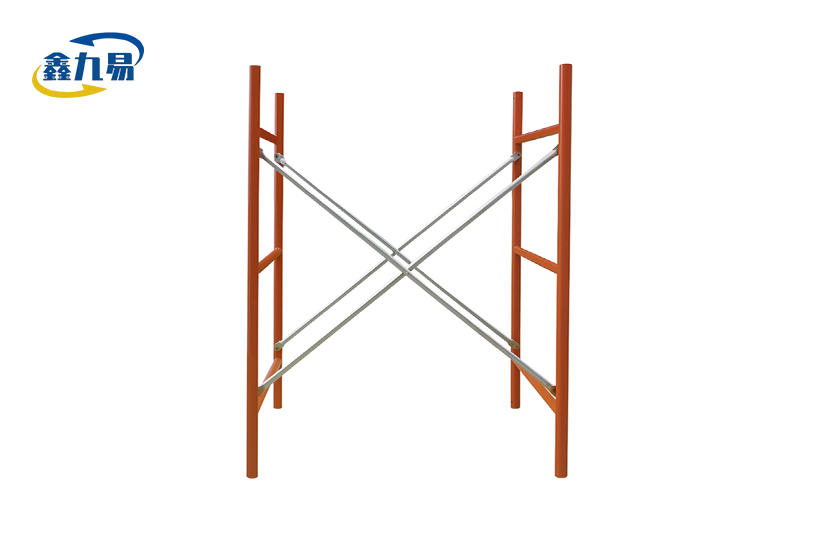
Set up the vertical posts, using levels or alignment guides to make sure they are straight. Our systems have base plates that can be adjusted to account for small differences in the ground without affecting the verticality. To stop domino-effect collapses during assembly, make sure all the posts are in place before moving on to the next section.
Working from the bottom to the top, put up horizontal bars for the excavation guardrail system. Toe boards go down first, placed just 0.25 inches from the ground to catch moving items. The mid-rails come next, and then the top rails. Fully engaging the connection hardware is important—partially inserting the locking pins is a common installation mistake that greatly lowers the load capacity of the excavation guardrail system.
Put up warning signs at regular times and entrance points. High-visibility colors built into the structure of the system act as passive warnings, but if your workforce includes people who don't speak English, you can use extra signs to explain specific dangers and access limits in more than one language.
Documentation Practices That Survive Audits
Photographic records show how the work was done, how the parts were set up, and how far along the project is. Images with timestamps make it impossible to deny that rules were followed if something goes wrong or if inspectors ask for proof. We tell our clients to keep their digital archives organized by date and project.
Checklists for installations make the process of checking official and make sure that no steps are missed during rushed deployments. The fact that these documents were signed by the right people shows that safety rules were consistently followed. Template plans that are made just for your safety system make it clear what needs to be done.
Inspection logs keep track of ongoing checks that are being made during the whole excavation project. Making daily entries about the condition, what was done to fix it, and who is responsible makes people accountable and lets you know early on when problems are starting to arise that need your help.
Making the Purchase: Procurement Options and Supplier Selection for Excavation Guardrail Systems
Strategic decisions about what to buy weigh the needs of the current job against the needs of the fleet in the long run. We work with contractors who are in charge of everything from single-site operations to infrastructure portfolios across multiple countries. Each of these types of projects needs a different approach to acquisition.
Purchase Versus Rental: Analyzing Total Cost of Ownership
When utilization rates stay high across multiple projects, it makes economic sense to buy an excavation guardrail system outright. The initial investment is spread out over many years of use, and with proper care, it will last much longer than the average rental period. Owning a home also gets rid of schedule problems and worries about availability during busy building seasons, when rental inventory is low.
Rental is best for specific uses, short-term projects, or cases where it's hard to store things between uses. Rental flexibility is helpful for projects with changing needs because it lets specifications change from job to job without leaving capital in inventory that isn't being used.
Hybrid methods use owned base goods for regular needs and rental additions for high demand or one-time needs. This approach keeps working flexibility while making the best use of cash.
Evaluating Global Suppliers for U.S. Projects
When done strategically, international sourcing can be very valuable, especially from well-known manufacturing hubs in Asia. The important thing is to tell the difference between trustworthy manufacturers with tried-and-true quality systems and dishonest suppliers who offer incredibly low prices without delivering any goods.
Our name is based on being honest, which means that all of our materials are fully certified, we welcome workplace inspections, and we keep full records of all our tests. Our ISO licenses are checked every year by qualified third-party auditors, who give us independent proof that what we say is true. This same commitment to transparency applies to our Excavation Guardrail System, which undergoes rigorous documentation and verifiable quality checks throughout production. Lead times for shipping containers from one port to another are usually between 4 and 6 weeks, and reliable delivery is ensured by established logistics partnerships.
Communication skills are very important. Our team includes technical experts who speak English as their first language and are available across time zones. This way, questions get quick, accurate answers instead of unclear translations that cause confusion.
Negotiating Terms That Protect Your Interests
When you commit to buying a lot of something, you can often get better prices, but make sure that the minimum order amounts are reasonable and don't force you to buy more than you need. We set up deals that allow for phased deliveries that fit the schedules of the projects, so there are no storage problems and no cash is stuck.
The warranty should cover both problems with the way the product was made and problems with how it works. Our standard warranty covers both problems with the materials and the way they were put together. There are clear steps for filing a claim and set dates for replacements. Understanding what the guarantee doesn't cover—for example, damage caused by misuse, change, or carelessness—avoids problems down the road.
Payment terms depend on how old the relationship is and how big the order is. Most of the time, deposits or letters of credit are needed for first orders. However, established clients with a history of on-time payments may be able to get longer terms. We've found that open communication about financial goals and limits is much more likely to lead to agreements that work for everyone than confrontational bargaining.
Conclusion
When choosing excavation guardrail systems, you need to carefully look at safety standards, the quality of the materials, the supplier's skills, and the needs of your specific project. The barriers that keep your workers safe are more than just legal requirements; they're promises to get everyone on the team home safely. Effective trench safety programs are built on steel construction that is properly protected against corrosion, modular design that makes deployment easy, and supplier partnerships that are based on quick support. We've seen how investing in good protection systems changes the way people think about safety and makes operations more efficient by using reliable, long-lasting tools. Your choice today sets up the safety system that will protect many projects in the future.
FAQ
1. What advantages do guardrail systems provide compared to trench boxes?
Excavation guardrail systems keep people from falling into ditches from the top by surrounding the excavation. Trench boxes protect people working in the dig from cave-ins. Both are useful for different things, and they are often used together on big projects. While still protecting against falls, perimeter barriers let tools and materials pass through freely. This makes them perfect for big foundation excavations and utility paths where enclosed security would make work more difficult.
2. How often should excavation barriers undergo inspection?
At the very least, you should look over everything every day before each shift to make sure nothing is broken and that everything is in the right place. After big weather events or hits, integrity is checked right away to make sure it hasn't been damaged. Load-bearing ability is checked on a regular basis, every three months for rental fleets that get a lot of use and once a year for systems that are owned and managed by the owner.
3. Can guardrail systems adapt to sloped or irregular terrain?
Swivel couplers and adjustable base plates can handle uneven ground while keeping the rails at the right height and level. Extreme irregularities are taken care of by custom configurations that use engineered solutions that are tailored to the site's geometry. Our design team often comes up with custom solutions for tough installations to make sure that the usefulness of security isn't affected by the terrain.
Partner with Xinjiuyi for Superior Excavation Safety Solutions
Xinjiuyi is ready to meet your building safety needs with excavation guardrail systems that are built to last, meet regulations, and work efficiently. Our manufacturing skills combine cutting-edge production technology with strict quality control to provide protection solutions that are trusted on infrastructure projects around the world. As an experienced provider of trench protection, we can make any changes you need to the sizes, finishes, and configurations to fit the needs of your project. Our expert team offers pre-sales advice, thorough design renderings, and ongoing help for the whole lifecycle of your project. Email us at global@xjy8.com to talk about your protection needs and get a quote that fits your needs. We want to help you make building sites safer by giving you reliable, certified safety tools and quick service.
References
1. American Society of Safety Professionals. (2021). Construction Safety Standards and Best Practices for Excavation Protection. Des Plaines: ASSP Publications.
2. Bureau of Labor Statistics. (2022). Census of Fatal Occupational Injuries: Construction Industry Analysis. Washington: U.S. Department of Labor.
3. European Committee for Standardization. (2020). EN 13374: Temporary Edge Protection Systems - Product Specification and Test Methods. Brussels: CEN Publications.
4. National Institute for Occupational Safety and Health. (2019). Preventing Falls in Construction: Evidence-Based Safety Interventions. Cincinnati: NIOSH Research Reports.
5. Occupational Safety and Health Administration. (2023). OSHA 1926 Subpart P: Excavations Safety and Health Regulations for Construction. Washington: U.S. Department of Labor.
6. Smith, Robert & Chen, Wei. (2022). Modular Safety Systems in Modern Construction: Design, Implementation, and Performance Analysis. Journal of Construction Engineering and Management, 148(7), 112-128.