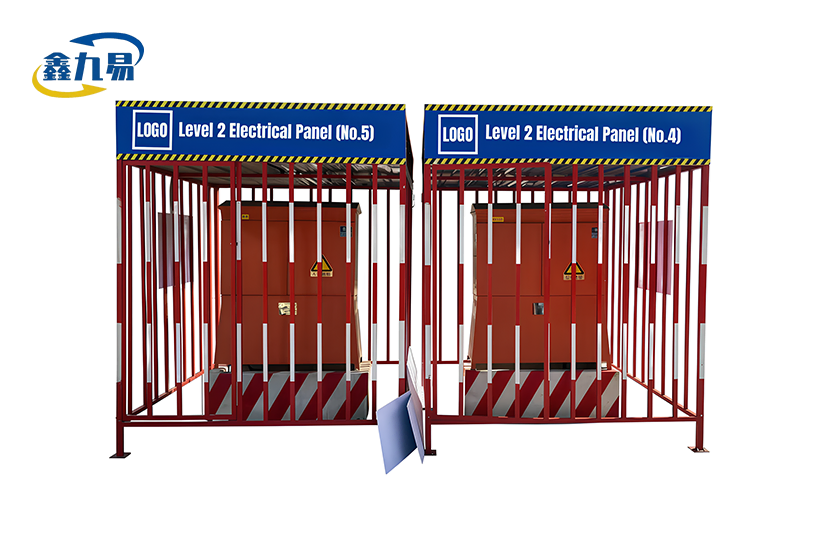
Top Benefits of Using an Excavation Guardrail System on Job Sites
Safety is a must when you are in charge of construction projects that have deep trenches, foundation pits, or excavation work. An excavation guardrail system is one of the best physical hurdles that can be used to keep people from falling, keep people from getting in without permission, and clearly mark dangerous areas. These modular safety structures are your first line of defence against accidents at work. They also make sure that you are in full compliance with OSHA 1926.502 standards and other foreign safety rules. As rules and regulations get harder to understand for construction companies, project managers, and safety officers, it's no longer a choice but to invest in well-designed perimeter protection to keep operations running smoothly and protect people and companies' reputations.
What Is an Excavation Guardrail System and How Does It Work
Defining the Core Safety Infrastructure
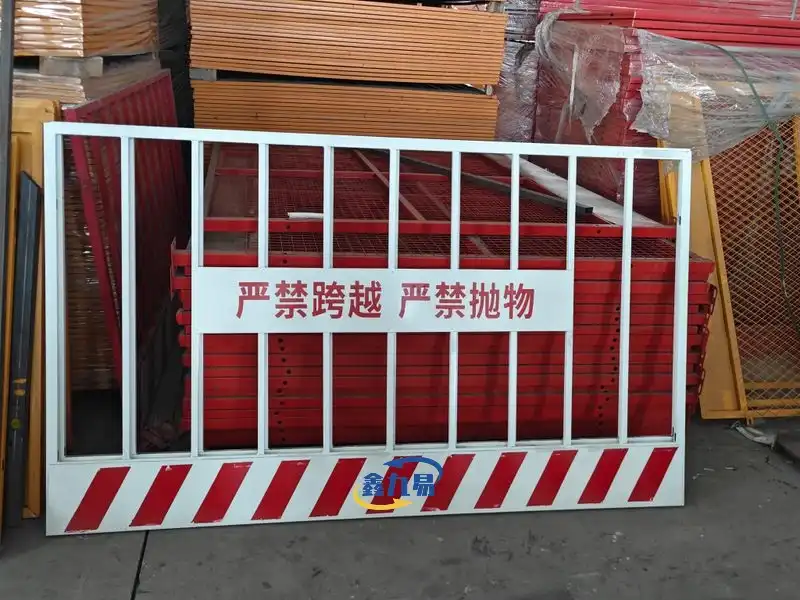
An excavation guardrail system secures open ditches, foundation excavations, and high-rise work zones. These systems use precision welding and national standard square and rectangular tubes. They're not like wood or warning tape barriers. Carefully determined load-bearing capability strengthens the structure. Even if workers accidentally lean against the barrier while working, it's designed to endure horizontal stresses and maintain vertical stability.
Key Components and Material Engineering
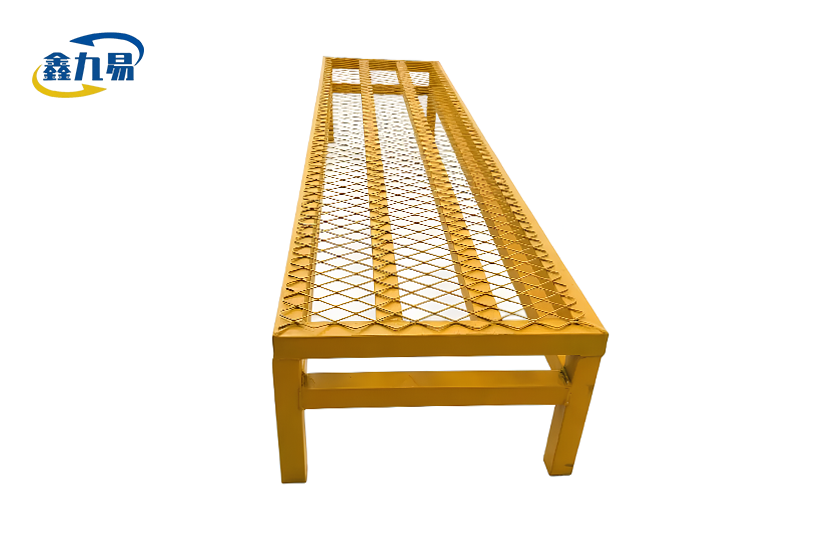
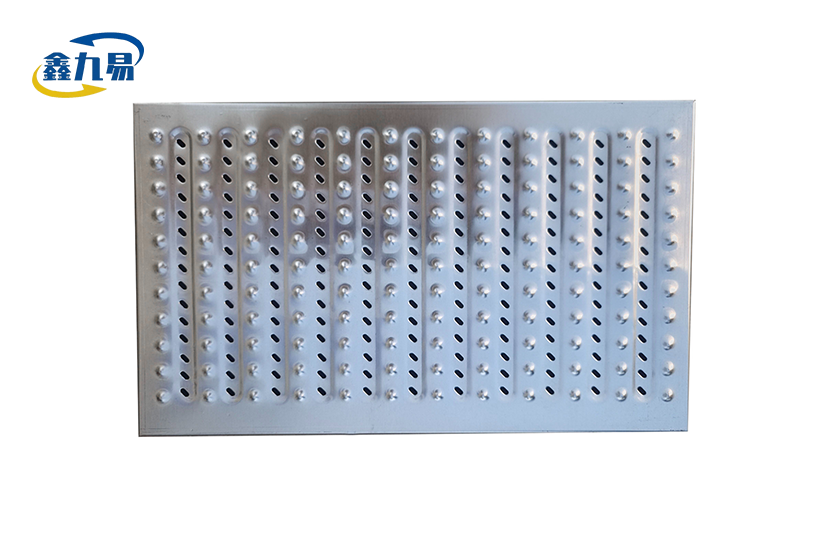
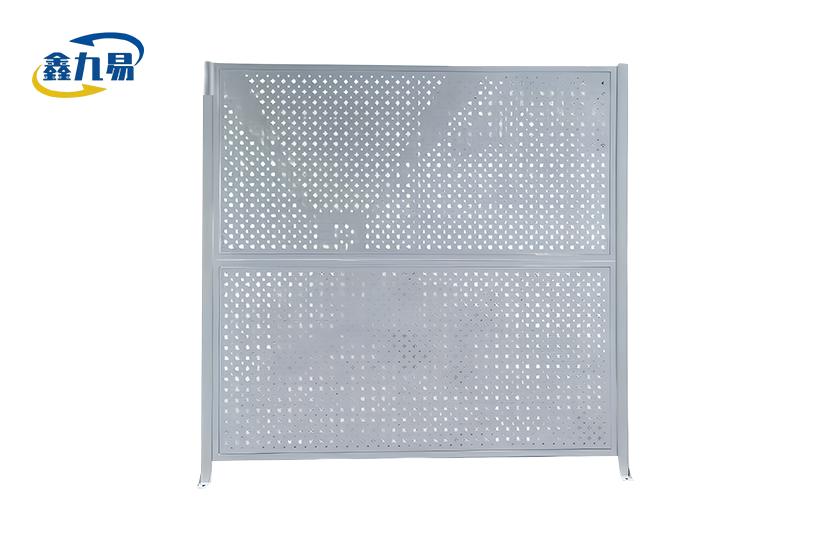
Built-in vertical posts, horizontal top rails, mid-rails, and toe boards are typical. Our guardrail systems at Xinjiuyi use national standard modular components that may be sized. Standard width is 2000 mm and height is 1200 mm, although they may be adjusted to suit the location. The area between the grilles meets safety standards, providing fall protection and site control vision. To remove burrs, which might rip protective gear or harm humans, every joint is ground carefully.
Material choice affects performance and lifespan. High-tensile steel and our completely mechanized high-temperature baking paint process make it impact- and weather-resistant. This coating process prevents barriers from becoming wet, rusting, or losing paint after long-term exposure to severe building infrastructure weather.
Material choice affects durability and performance. Highly tensile steel offers impact resistance, and our completely mechanized high-temperature baking paint process provides weather resistance. This coating method keeps barriers rainproof, rustproof, and paint-resistant even after lengthy exposure to tough infrastructure building conditions.
Installation Mechanics and Operational Flexibility
The exhibit is well designed. Laser cutting raw materials ensures smooth edges and precise proportions. Manufacturing precision allows parts to fit together properly without specific tools or training, improving field productivity. Because it is modular, it may be swiftly assembled in a straight line to protect a trench, a corner setup around a lift shaft hole, or a pipe shaft installation. Base plates may be secured with drill-in methods for concrete, ground spikes for soil, or weighted ballast where drilling isn't permitted.
Top Benefits of Using Excavation Guardrail Systems on Job Sites
Enhanced Worker Safety and Fall Prevention
Preservation of life is the main value argument. There is a natural risk of falling on construction sites where work involves digging, especially around the edges of foundation pits where the depth can be more than a few meters. When edge protection is placed correctly, it forms a physical barrier that keeps workers from accidentally walking into empty spaces during busy work times. The required combined toe-board part holds loose materials, tools and other trash that could fall into the excavation, keeping workers below safe from second-impact injuries.
In addition to keeping people from falling and hurting themselves, these excavation guardrail systems also help people feel safe. When workers know that dangerous areas are surrounded by reliable perimeter protection, they can do their jobs with more confidence. This emotional peace of mind leads to higher output and fewer mistakes caused by stress, which happen a lot when people feel threatened.
Regulatory Compliance and Liability Mitigation
Meeting OSHA standards isn't just about dodging fines; it also shows that your company cares about the health and safety of its workers and keeps you from facing serious legal problems. Excavation safety barriers made to meet the requirements of OSHA 1926.502 and BS EN 13374 classifications show that proper care was taken during accident investigations or insurance checks. The guardrail systems we make in Xinjiuyi go through strict quality control procedures, such as load testing to make sure they can withstand 0.3kN of horizontal force and weld integrity inspections to make sure the structures don't break when hit suddenly.
Compliance goes beyond what the federal government says. Many cities and project owners now want to see proof that the company is ISO certified and follows foreign safety standards. Our ISO9001, ISO45001, and ISO14001 certifications show that the way we make things meets international standards for quality management, worker health, and caring for the environment. This multi-layered compliance framework protects freelancers from liability risks while meeting the stricter buying needs of government agencies and global companies.
Cost Efficiency Through Durability and Reusability
Procurement choices are based on financial sense, especially for companies that are working on multiple projects at the same time. When compared to throwaway options, excavation guardrail systems that are made to last longer give a better return on investment. When properly maintained, our systems can last up to 20 years. This means that the same equipment can protect dozens of different sites over the course of its useful life. This ability to be used again and again greatly lowers the cost of safety tools for each job and gets rid of the ongoing costs of buying temporary solutions.
The flexible form makes the economic value even higher. Damaged parts that get lost or broken during travel or use can be changed one at a time instead of throwing away whole sections. Standardised measurements make sure that different stages of a project and places can work together. This means that your inventory won't become useless when you move to sites with different layouts. Rental programs and choices to buy in bulk give companies more financial freedom by letting them match capital expenditures with cash flow patterns and project pipelines.
Operational Efficiency and Rapid Deployment
Construction plans are always under time constraints, so the speed of installation is a key success indicator. Traditional barrier methods, like building them out of wood or having unique solutions welded together, take a lot of work and skilled workers. These problems are taken care of by modular guardrail systems. Lift-off prevention pins and built-in locking mechanisms make installation possible by general labourers who have been trained in basic techniques. Using properly designed modular parts, a normal perimeter defence setup that might take a whole day to do the old-fashioned way can usually be done in just a few hours.
This efficiency also applies to needs for reconfiguration. As the digging process goes on and the site changes, the walls must also change to fit. Being able to quickly take down, move, and reinstall safety systems without special tools keeps the project moving forward and makes sure that everyone is safe at all times. Less time spent setting up and taking down means lower labour costs and faster project completion dates. These are competitive benefits that make bids more competitive and increase profit margins.
Visual Clarity and Hazard Communication
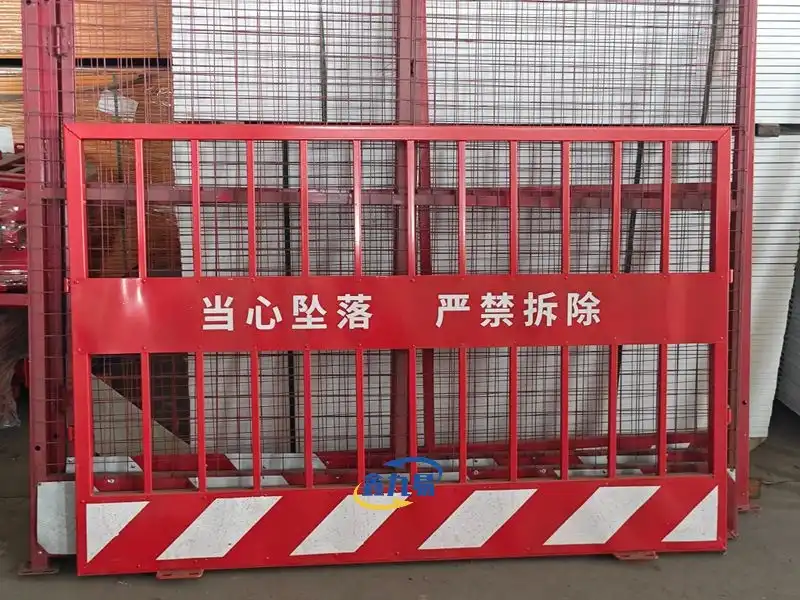
Clear danger labelling is a big part of safety culture. High-chroma safety yellow or orange finishes make sure that machine operators, delivery workers, and site guests who might not know where the excavations are can see them 24 hours a day, seven days a week. Our powder painting process creates a bright, long-lasting finish that keeps its colour even when exposed to UV light and extreme weather, so visual signs stay the same throughout the project.
The form of the barrier lets warning signs, safety directions, and site identification placards stand out. This communication feature makes construction sites look more professional to clients, government inspectors, and people in the neighbourhood. Well-marked and well-kept perimeter security is good for a contractor's reputation, which helps them get new business and keep old clients.
Types of Excavation Guardrail Systems and Their Applications
Temporary Versus Permanent Installation Options
Depending on the needs of the project, either temporary or permanent solutions will give the best value. Contractors who work on multiple places or projects with set due dates can use temporary tools that are made to be mobile. These designs focus on portability without losing structural integrity. They have base plates that can be used on a range of surfaces and parts that are the right size to be easily moved from one place to another.
Permanent installations are good for places that need to dig all the time, like mines, wastewater treatment plants, or factories with access pits that need to be protected all the time. These excavation guardrail systems might have stronger ways of grounding and extra ways to protect against rust so they can last for years without breaking down.
Lightweight Portable Systems for Dynamic Environments
Urban utility building projects are great examples of situations where barriers that are light and easy to move can be very useful. When installing fibre optics, maintaining sewage lines, or fixing water mains in areas with a lot of foot traffic, workers need protection systems that can be set up quickly, take up little space, and be moved easily as work moves along street routes. The small size and sturdiness of the design keep civilians out while still allowing people to use the pavements and business openings.
Heavy-Duty Solutions for Extreme Conditions
Deep foundation engineering is needed for business buildings, bridges over rivers, and oil pipeline projects in remote areas. These projects need strong protection systems that can handle harsh weather conditions. Heavy-duty versions have thicker wall tubing, more cross-bracing, and treatments that make them more resistant to corrosion. These requirements make sure that the structure will hold up even in acidic soil, saltwater, or settings with big changes in temperature that would weaken smaller options.
Customized Configurations for Specialized Applications
Most protection needs can be met by standard catalogue items, but sometimes unique engineering problems call for custom solutions. At Xinjiuyi, we can change everything about your order, including the size, style, colour, and functionality. For elevator shaft openings, pipe shaft installations, safety routes, and processing sheds where standard rectangular plans don't work, we've made custom layouts. Technical advice during the planning phase makes sure that the supplied system works well with formwork, shoring equipment, and other temporary buildings that are in the same area.
Installation Guidelines and Safety Standards for Excavation Guardrail Systems
Step-by-Step Deployment Process
A correct site survey is the first step to a successful installation. Check the area around the excavation to find anchor point locations, ground conditions, and how close the area is to buildings or utilities that are already there. Mark the locations of posts at the intervals described in the system instructions. For structural reasons, these intervals should usually not be longer than 2.5 meters. Prepare anchor points based on the condition of the ground: for concrete, drill holes and install expansion bolts; for compacted soil, drive ground spikes; and for surfaces that can't be penetrated, place ballast bases.
Assemble the upright posts, using a spirit level to make sure they are straight. Secure base plates or anchoring systems according to the instructions from the maker, making sure that all of the connections have the right force values. Place horizontal rails in this order: top rail first, then mid-rails, and finally toe boards. Make sure that all of the connection points are fully engaged and that the locking mechanisms work properly. Do a final check by applying horizontal force to make sure it is stable and looking for any sharp edges, bolts that stick out, or other things that could hurt workers.
Compliance with International Safety Regulations
Understanding how regulations work can help you avoid costly violations and keep you from being sued. According to OSHA 1926.502, excavation guardrail systems must have certain measurements. The top rails must be between 39 and 45 inches above the walking surface, the mid-rails must be about half as tall as the top rail, and the toe-boards must be at least 3.5 inches tall. A force of at least 200 pounds must be able to be applied along the top edge of the system from any direction, either down or out.
The European standards in BS EN 13374 have similar rules and use classification methods based on fall height and type of use. Class A systems are good for falls up to 2 meters high, Class B systems are good for falls up to 6 meters high, and temporary edge safety classes spell out how much weight can be put on them. Choosing systems that are certified to meet the right standards guarantees compliance no matter where the project is located or what the client wants.
Avoiding Common Installation Mistakes
When put incorrectly, even systems that were well thought out can fail. Some common mistakes are not anchoring the structure well enough in loose soil, leaving too much space between posts, which weakens the structure, and not installing toe boards, which let tools and materials fall into holes. Another common mistake is not adjusting the height of the barriers when the ground level changes during excavation. This leaves gaps under the bottom rails that make the barriers useless as protection.
The performance is also affected by the weather during placement. If the ground is frozen or very wet, anchoring systems might not be able to hold the weight they're supposed to. Future stable issues can be avoided by planning construction times around good weather and using the right type of anchors for the ground conditions.
How to Choose the Right Excavation Guardrail System for Your Business
Evaluating Site-Specific Requirements
A typical work should be examined before making a purchase decision. Building deep foundations for tall structures requires different regulations than city utility providers. Think about typical excavation depth and breadth, soil quality, weather exposure, project duration, and barrier movement frequency. For work along the ocean and with heavy equipment, improved corrosion resistance and impact safety are essential.
Projects running concurrently determine whether buying or renting is cheaper. Companies with solid project pipelines might profit from owning multi-site inventory. Hiring agreements allow companies who only conduct excavation work occasionally or are exploring new markets to proceed without investing.
Material Properties and Performance Characteristics
Steel types determine load-bearing power and durability. Q235 steel is a cheap, sturdy material for most applications. However, extreme circumstances suit Q345 high-tensile steel. Vital is wall thickness. A minimum of 2.0 mm ensures performance. Better for heavy-duty applications: 2.5 or 3.0 mm.
Effects of surface treatment include maintenance frequency and lifespan. Hot-dip galvanization preserves steel surfaces best by coating them with zinc that can repair tiny scratches. Coastline and long-term installations benefit from this approach. Although powder coating keeps colors true and lets corporations mark their items, severe conditions may need additional maintenance. We employ an autonomous high-temperature baking paint method at Xinjiuyi to create durable, attractive paint that lasts for years.
Supplier Evaluation and Partnership Considerations
Not merely the product parameters determine the best manufacturing partner. Do they have the ability to satisfy huge order deadlines for your project? Quality control processes should show planned testing techniques rather than random sampling. Ask for certificate of qualifications and product-specific safety testing results.
After-sales support distinguishes excellent providers from outstanding players. Specifying excavation guardrail systems with technical guidance ensures they meet your demands. On-site training helps prevent placement errors that endanger individuals. Reactive customer service fixes difficulties promptly, preventing project delays.
Comprehensive assistance is Xinjiuyi's business model. Custom design and detailed models are provided by professional technical services before a sale. No matter the project location, direct communication lets us interact fast and efficiently. Without intermediaries, we control quality, pricing, and shipment dates as excavation guardrail system manufacturers.
Conclusion
Excavation guardrail systems are an important part of protecting building sites, and their benefits go far beyond just following the rules. Because they avoid falls, lower liability, improve working efficiency, and are financially sustainable thanks to their reusable modular design, these systems are a must-have for responsible workers. Modern methods for making things and studying materials have turned these products into high-tech safety solutions that can be used in a wide range of situations, from digging deep foundations for famous buildings to digging utility ditches in cities. As safety rules continue to get stricter around the world and corporate responsibility standards rise, it becomes easier to see why you should use properly designed border protection. Now the question is not whether to buy good safety systems, but which supplier partnership will help your long-term business goals the most.
FAQ
1. What is the typical lead time for excavation guardrail system delivery?
Standard configurations made at Xinjiuyi usually ship 15 to 20 business days after an order is confirmed, but this time frame can change depending on the number of orders and the level of customisation needed. For large orders for big infrastructure projects, production times may need to be extended. However, we keep common parts in stock so that we can meet urgent needs more quickly. There are options for quick production in case of an emergency, but planning ahead always leads to better price and supply.
2. Can guardrail systems be used for more than one project?
Without a doubt, reusability is one of the main business benefits. When an excavation guardrail system is properly maintained, it protects dozens of different sites over the course of its useful life. The modular design with standard sizes makes sure that it works with a wide range of project setups. Safety performance is maintained by checking on a regular basis for broken parts, bent rails, or old locking mechanisms. Individual parts can be replaced instead of having the whole system taken apart.
3. How do excavation guardrails compare to trench shoring systems?
These do things that work together instead of against each other. Shoring devices keep trench walls from falling down by supporting the sides of the excavation, and guardrails keep people from falling from the top into the excavation. For most projects, both methods need to be used together. Perimeter barriers keep workers at grade level from falling into the dig, while shoring keeps workers inside the trench safe from cave-ins. Neither system can be used instead of the other because they protect against very different types of danger.
Partner with Xinjiuyi for Reliable Excavation Protection Solutions
Safety systems for your construction projects should be designed to work in the real world and meet all government standards. When Xinjiuyi works with a client, they bring decades of experience in production, full ISO certifications, and a track record of success on global infrastructure projects. Our capabilities as an excavation guardrail system supplier go beyond just delivering products. We offer full solutions that include customised design advice, fast production for large orders, and technical support that lasts the entire lifecycle of your project.
The unique ear-plate-free design gets rid of common failure points in detachable mounting systems, and our dedication to exact measurements means that all parts can be swapped out without any problems, which makes field logistics easier. Whether you need to protect a single foundation pit or an entire infrastructure development project, our team is ready to take your site-specific needs and turn them into the best safety solutions possible. Email our procurement experts at global@xjy8.com to talk about project details, get full technical paperwork, or set up a sample evaluation. We're dedicated to making construction sites safer by providing top-notch goods and working together in a flexible way.
References
1. Occupational Safety and Health Administration. (2021). Safety and Health Regulations for Construction: Fall Protection Systems Criteria and Practices. U.S. Department of Labor, Washington, DC.
2. British Standards Institution. (2020). Temporary Edge Protection Systems—Product Specification, Test Methods (BS EN 13374:2013). BSI Standards Publication, London, United Kingdom.
3. National Institute for Occupational Safety and Health. (2019). Preventing Falls in Construction: Safety Guidance for Contractors and Project Managers. NIOSH Publication Series, Centers for Disease Control and Prevention.
4. American Society of Safety Professionals. (2022). Best Practices for Excavation Safety Management in Commercial Construction. ASSP Technical Report Series, Park Ridge, Illinois.
5. Construction Industry Research and Information Association. (2020). Temporary Works: Guidance on Design, Procurement, and Management of Excavation Support Systems. CIRIA Publication C768, London, United Kingdom.
6. International Labour Organization. (2018). Safety and Health in Construction: Guidelines for Excavation Work and Fall Protection Systems. ILO Sectoral Activities Programme, Geneva, Switzerland.