Cantilever Material Unloading Platform: Features, Benefits, and Applications
A cantilever material unloading platform serves as a specialized vertical material transfer station designed for high-rise construction projects. This engineered steel structure projects from building floor edges to create secure staging zones where tower cranes can safely deposit heavy loads—including rebar, formwork panels, and curtain wall components—without making contact with the building perimeter. By addressing critical logistics bottlenecks in super-tall structures and urban infill sites with limited ground space, these platforms enhance material flow efficiency while meeting stringent safety compliance standards essential for modern construction operations.
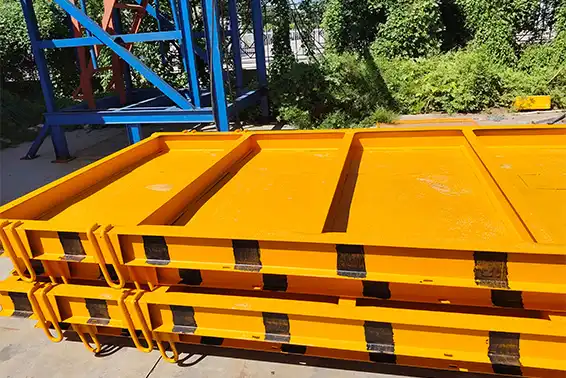
Understanding Cantilever Material Unloading Platforms
For modern building, answers are needed that go beyond the old ways of moving materials. When your project gets to a height where construction elevators can't go or where tower crane blind spots make it hard for people to get to, you need a system that lets you work higher.
These platforms are made up of steel structures that stick out from concrete floor slabs and hold them securely in place. Their cantilevered design makes a special air-space reception zone. This lets crane operators place loads precisely while keeping safe distances from the edges of buildings. In contrast to set staging areas on the ground level, this method changes as building moves up each floor cycle.
Core Structural Components
Material dumping platforms are only as strong as the structure steel that is used to make them. Our systems at Hebei Xinjiuyi Construction Technology Co., Ltd. use 180# I-beam main beams made from Q235B or Q345B steel types. These beams can hold between 1,500 kg and 3,000 kg of weight, and heavy-duty setups can hold up to 5,000 kg³. 5# channel steel is used in the secondary support members to make sure that the load is spread out evenly across the platform area.
The 50 mm thick patterned steel plate decking is very good at keeping people from slipping, even when it's wet. This is a very important safety issue for people who are moving things around. All of the connection points have full penetration welding with even weld lines, which gets rid of the risk of loosening that comes with bolted systems. This quality of welding has a direct effect on how reliable the structure is when the crane is lifting and moving heavy things.
Mechanical Principles and Operational Workflow
How well the platform works with the tower crane determines how efficiently materials are moved. Our special lifting ring is curved, which makes it easier to thread steel wire ropes. This cuts down on the time it takes to set up and the places where stress builds up during lifting. The shape of the platform makes sure that it can be lifted safely for as long as it is used, even after hundreds of moves between projects.
When the materials reach the ground, the people who work on tower cranes connect the loads and lift them to the right floor level. The structure of the platform that sticks out lets the crane hook safely clear the building edge and drop materials on the safe staging surface. Then, workers can get to the platform through built-in safety gates. This lets them move goods to work areas inside the building without putting too much stress on the elevator plans.
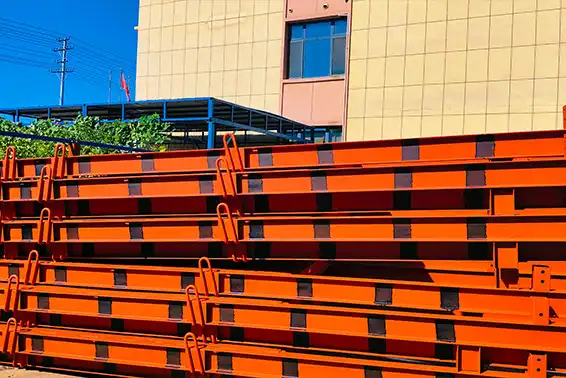
Benefits and Safety Standards of Cantilever Unloading Platforms
Dedicated unloading platforms improve safety and project timeframes. These benefits affect site efficiency beyond just moving objects.
Space optimization is a major benefit, especially on urban building sites with limited ground-level staging. By adding staging space to the air space next to each floor, you can avoid adding ground space and maintain material flow rates to meet the timetable. This is useful when surrounding buildings are on property lines, preventing regular staging sites.
When goods are where workers need them, they're easier to manage ergonomically. Your teams can reach staging materials at installation spots instead of using internal hoists that can only lift specified amounts of weight or hand-moving large pieces through partially constructed floor structures. This speeds up rebar placement, formwork assembly, and curtain wall installation by decreasing physical strain and steps.
The modular design philosophy allows easy assembly and disassembly. Construction rises because shifting platforms to higher floors doesn't require special tools or time off. Because our platforms may be utilised on several projects, you get a solid ROI. Keep them in good condition and they can last 20 years, so you can spread the capital expense across numerous project sites.
Compliance with International Safety Standards
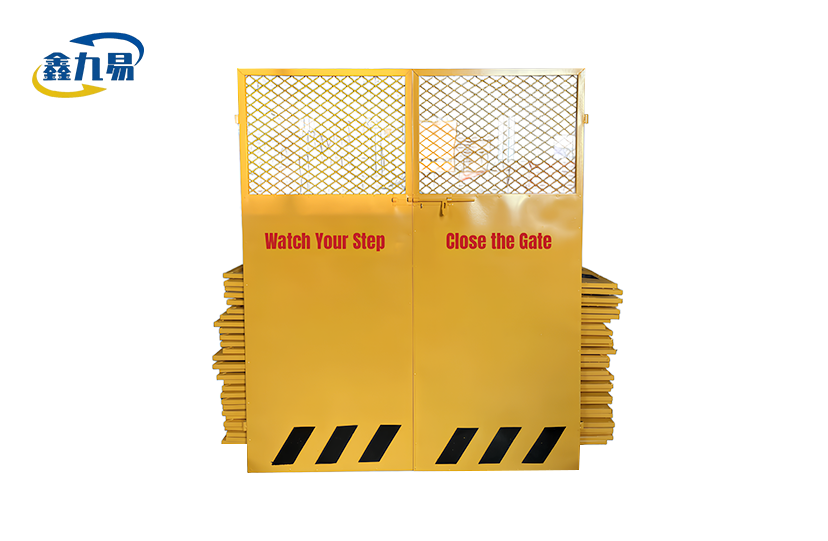
Responsible Cantilever Material Unloading Platform purchases start with safety. Our platforms must follow strict technical requirements for operation safety and structure stability. The 1,200-mm guardrails and toe boards of the built-in safety system are structurally welded. Falling and being hit by an object are the leading causes of work site injuries. This design eliminates these.
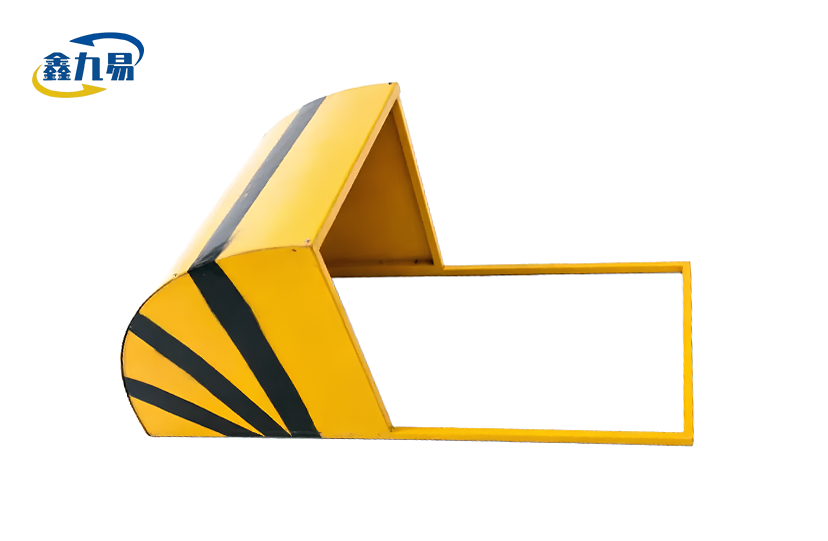
The platform's anti-slip coatings maintain OSHA-compliant friction coefficients despite exposure to rain, concrete dust, and hydraulic fluids². Because the yellow-black warning paint is visible in all lighting situations, crane operators can detect platforms from afar and workers can see how close the edges are.
Material verification ensures that every steel part has mill certificates proving grade and thickness. Because of our ISO 9001 quality management system, all load-bearing welds are visually and measured before platforms leave our facility to ensure they match specifications. To avoid gaps, cracks, and partial fusion at important connection points, seams are carefully inspected. This eliminates the main failure of welded steel buildings.
Types of Cantilever Unloading Platforms and Their Applications
The selection criteria for material unloading platforms are very different depending on the type of project, the configuration of the crane, and the amount of material that needs to be moved. Knowing the different configurations helps you match the specs of the tools to the needs of the business.
Fixed versus Modular Platform Systems
In normal building sites, fixed-length platforms make things easier. When your high-rise apartment building has consistent floor plates and needs to stage materials over many levels, standard 3,000 mm or 4,000 mm length platforms make the buying and setting up process easier. The set shape cuts down on the number of parts needed and makes structural calculations easier for engineering review.
Modular systems can be used for projects with different space limitations. When the floor sizes change between the podium and tower levels, or when different building faces need different projection distances, these changes can be made with adjustable configurations without having to make completely new platform inventories. This flexibility is especially helpful for general contractors who are in charge of several projects at once that have different geometric needs.
Load Capacity Classifications
Standard-duty platforms with a weight limit of 1,500 kg to 2,500 kg are good for moving things like rebar bundles, formwork panels, and bags of cement. These arrangements strike a balance between the structure's strength and the platform's reasonable weight. This lets the crane be moved without going over its normal lifting powers at standard radii.
Heavy-duty platforms designed to hold between 3,000 kg and 5,000 kg are used for specific tasks like putting up precast concrete panels, placing mechanical equipment, and storing a lot of material for big concrete pours. The stronger structural parts and better fastening systems can handle these heavy loads while still meeting the safety standards set by the structural calculations. Before choosing heavy-duty configurations, make sure that your tower crane's load chart supports the weight of the platform and the loads you want to carry at the necessary operating radius³.
Industry-Specific Applications
High-rise commercial buildings are the principal use. Super-tall commercial skyscrapers and mixed-use projects need a consistent flow of materials to the higher floors, which challenges construction lift capacity. Our platforms are ideal for transferring formwork systems between floors, storing tonnes of rebar bundles until the placement crews arrive, and installing curtain wall assemblies near to outside installation points.
Urban infill designs with zero-lot-line restrictions use cantilevered platforms to stage above ground. Building sites in the city center take up every square meter of ground space, thus platforms must be raised to allow place for staging. Delivery trucks unload at street level, and tower cranes carry the cargo to upper platforms. This simplifies handling in tight spaces.
Windy conditions require precise material placement while installing a building envelope or curtain wall. Heavy glass pieces several meters wide need solid platforms near mounting locations. Wind dangers and crane hookup time are reduced when the platform is properly placed. This speeds up outside building system installation, where weather delays may derail timetables.
Comparative Analysis and Procurement Guidance
To choose the best material handling tools, you have to compare different options based on certain project factors. Although cantilever platforms work best in high-rise settings, it's important to know what makes them better than other options so that you can make smart purchasing choices.
Platform Systems versus Alternative Solutions
Even though construction hoists can move things, they don't have staging places on each floor. When materials come by hoist, workers have to move them right away to places where they can be stored or installed. This slows down work during times when a lot of materials are being delivered at once. Cantilever Material Unloading Platform platforms separate the arrival of materials from their distribution, which lets overflow storage keep the flow of materials smooth between work shifts.
Ground-level stockpiling with direct crane lifts looks like a good way to save money, but it makes handling less efficient. To place each piece of material, you have to work with the schedules of tower cranes, wait for cranes to become available, and carefully time lifts to meet the needs of the current installation. Platform staging lets you send large amounts of materials at off-peak crane times, so you can store enough materials to support ongoing work cycles without having to coordinate the cranes over and over again.
Material Selection: Steel Grade Considerations
Q235B structural steel is the standard grade for most uses because it has reliable strength properties and is reasonably priced. This grade is good for standard-duty platforms that are used in moderately exposed areas and where coating systems are used as part of normal maintenance to avoid rust.
Q345B high-strength steel has a higher load capacity in smaller cross-sections. This makes the platform lighter while keeping or even improving its structural performance. When the crane's lifting capacity at the minimum working radii is limited, choosing Q345B construction lets you get the load ratings you need without making the platform heavier. The extra cost of the material usually pays off in heavy-duty configurations or projects that need to move platforms around a lot, since less weight speeds up the installation process⁹.
Key Procurement Decision Criteria
Add the necessary safety factors to the heaviest materials you anticipate to deliver to calculate load capacity. Standard structural estimates account for contact forces, unequal platform load distribution, and crane-induced dynamic loading. Request structural verification math sheets and verification by licensed structural engineers.
Easy installation and construction strength depend on how effectively an anchoring system functions with your structure. Through-wall tie rod systems can transfer enormous loads straight into concrete floor slabs, but the edges must be far from the reinforcements, and the concrete placement must be coordinated to embed anchor sleeves. Telescopic jack bracing systems don't require permanent building alterations, although they need floor-to-floor height. Consider which option fits your building's plan and construction order.
Surface treatment impacts durability and maintenance costs. Hot-dip galvanization protects moderately exposed sections from corrosion with regular touch-ups and inspections. In coastal or industrial locations with high corrosion, extra powder coating systems can aid. These systems prolong product life and reduce maintenance. Compare initial surface treatment expenses to estimated platform maintenance costs over its expected lifespan.
Project phases and delivery timing prevent schedule disruptions. Platform arrival should coincide with the floor level reaching the first installation height. This prevents the platform from being delivered too early, taking up ground storage space, or too late, stopping material handling. When negotiating a purchase, discuss wait periods, especially for complex configurations that require technical review and specific methods.
Maintenance, Installation, and After-Sales Support
For a platform to be operationally reliable over its entire service life, it needs to be installed correctly and maintained consistently. By knowing these requirements before you buy something, you can be sure that you'll be able to afford all of its upkeep after the initial purchase.
Installation Procedures and Technical Support
The first step in a professional installation is structural verification, which means making sure the concrete floor slab meets the strength and size standards listed in the platform engineering papers. Anchor point locations need to avoid problems with mechanical penetrations, embedded reinforcement, and edge distance limits that could weaken the structure.
To install a Cantilever Material Unloading Platform through-wall tie rod, you have to carefully cut holes through floor blocks, thread high-strength rods, and tighten backing plates to the right torque values. Coordinating with structure plans is needed to make sure where the rebar is placed before drilling starts. Our technical team gives you full installation drawings and can arrange for on-site coaching for the initial platform rollout. This way, you can be sure that your crews know how to do things right before they can install other units on their own.
When through-wall penetrations are not an option, telescopic jack bracing systems can be installed in a variety of ways. The jacks can be adjusted to fit between the upper and lower floor slabs and create compression load lines without making any lasting changes to the building. To install something correctly, you need to make sure that all of the jack points are bearing the same amount of weight and that the floor-to-floor height is right for good bracing geometry. Adjustment steps let you fine-tune to get a level platform position even if the floor height changes a little.
Preventive Maintenance and Inspection Protocols
Visual checks done every day before use are the basis of preventive maintenance. Prior to each shift that involves using the platform, the right people should make sure that the welds are still solid and haven't cracked or deformed, that the safety railings and toe boards are still attached securely, that the deck surfaces keep their non-slip properties without too much damage to the coating, and that the anchor connections are still properly engaged and haven't come loose⁵.
Monthly structural inspections by qualified staff give a more complete picture of the condition of the platform. These reviews should keep track of any bending or lasting damage that shows overloading, corrosion that needs coating repair, and wear patterns that show incorrect use or too much loading. Photographic recording makes maintenance records that help with making choices about long-term asset management.
Maintaining the surface covering on a base greatly increases its useful life. When zinc-rich primers or powder coatings show signs of wear from contact or impact, they need to be touched up right away to keep the steel underneath from rusting. Coatings need to be inspected once a year, and damaged areas need to be fixed in a planned way. This is especially important in humid seaside areas where rusting happens more quickly.
Warranty Coverage and Parts Availability
As standard, our warranty covers structural flaws and faulty welding for 24 months from the date of delivery. This protection shows that we believe in the quality of our manufacturing and gives you a way to get your money back if something unexpected fails during normal use within the load ratings that were given. The warranty covers the stability of the structural members, the quality of the welds at all connection points, and the adhesion of the coating to the surface when exposed to normal weather conditions.
Having access to replacement parts means that broken parts can be fixed quickly and without any long periods of downtime. Items that are often changed are deck plate sections that have been damaged by impact or too much abrasion, safety fence parts that can get damaged while being handled on the job site, and lifting ring hardware that has been used a lot and is showing signs of wear. Our inventory includes standard parts that can be shipped right away, and we also have custom parts that can be made quickly if you need a replacement right away.
When you work with approved providers, you can be sure that the parts you get are original and meet all the requirements. Aftermarket replacements may seem like a good way to save money, but they can weaken the structure if the materials used don't match the engineering calculations. Our direct delivery plan makes sure that the parts you get match the original platform specs. This keeps the structural verification ground that safe operation certifications are based on.
Conclusion
Cantilever Material Unloading Platforms are an important part of high-rise building transportation infrastructure. These systems solve basic problems with material flow that affect project plans and safety by setting up safe holding areas at higher work levels. For proper specification, you need to think about the load capacity, compatibility with anchoring systems, surface treatment needs, and long-term maintenance. Hebei Xinjiuyi Construction Technology offers enterprise-level platforms that are built to last and meet regulations. These platforms come with full expert support and the ability to be delivered anywhere in the world. When your project needs reliable vertical material transfer solutions, working with experienced manufacturers will make sure that the equipment meets operational needs and lasts for a long time.
FAQ
What load capacity should I specify for my cantilever platform?
The load capacity you choose will depend on how much stuff you expect to send at once. Formwork panels and rebar bundles that are standard usually need a capacity of 2,000 kg to 2,500 kg. Ratings of 3,000 kg to 5,000 kg may be needed for precast concrete elements or staging for a lot of mechanical equipment. Add safety factors according to structural engineering standards to the total weight that includes the materials, packing, and rigging gear. Give detailed loading situations during the buying process to make sure that the right platform is chosen.
How long does platform installation take at each floor level?
With through-wall tie rod anchoring, experienced crews can install each platform in 4 to 6 hours. When adjusting telescopic jack systems, it may take a little longer to get the right bracing shape. The time it takes to install something gets shorter as crews practice the steps over a number of floor cycles. Scheduling installation for off-shift hours keeps construction activities from getting in the way of each other as much as possible.
Can platforms relocate between different projects?
Modular design lets you take everything apart and move it from one job spot to another. Platforms that are well taken care of will keep their structural integrity through dozens of moves over the course of their service life. Standard flatbed trucks with the right tie-downs are needed for transportation. Before moving to new projects, make sure the platform configuration meets the structural needs and get new engineering calculations if the loading conditions are different from the original design parameters⁗.
Partner with Xinjiuyi for Reliable Material Handling Solutions
You can trust Hebei Xinjiuyi Construction Technology Co., Ltd. to make high-quality cantilever material unloading platforms. They have advanced manufacturing skills and strict quality control. Our ISO 9001, ISO 45001, and ISO 14001 standards show that we are dedicated to producing high-quality goods, keeping workers safe, and caring for the environment. Before being shipped, each platform goes through a thorough inspection to make sure it meets international standards and is structurally sound. All of our products can be fully customized to fit your needs. Our technical teams can provide thorough engineering calculations, CAD drawings, and on-site installation advice that are specific to your project. Get in touch with our team at global@xjy8.com to talk about how our material staging services can help your construction go more smoothly. You can look at our full selection of construction safety equipment at xjy8.com and ask for technical information to help you make an informed purchase decision.
References
1. American Institute of Steel Construction. (2017). Steel Construction Manual (15th ed.). AISC.
2. Occupational Safety and Health Administration. (2020). Safety and Health Regulations for Construction. U.S. Department of Labor.
3. Crane Manufacturers Association of America. (2018). Specifications for Mobile Cranes (CMAA 74). CMAA.
4. Chinese National Standard. (2015). Technical Specification for Safety of Steel Tubular Scaffold with Couplers in Construction (JGJ 130-2011). China Architecture & Building Press.
5. American Society of Civil Engineers. (2019). Minimum Design Loads and Associated Criteria for Buildings and Other Structures (ASCE/SEI 7-16). ASCE.
6. International Organization for Standardization. (2021). Temporary Works Equipment – Part 1: Scaffolds – Performance Requirements and General Design (ISO 12812-1:2017). ISO.