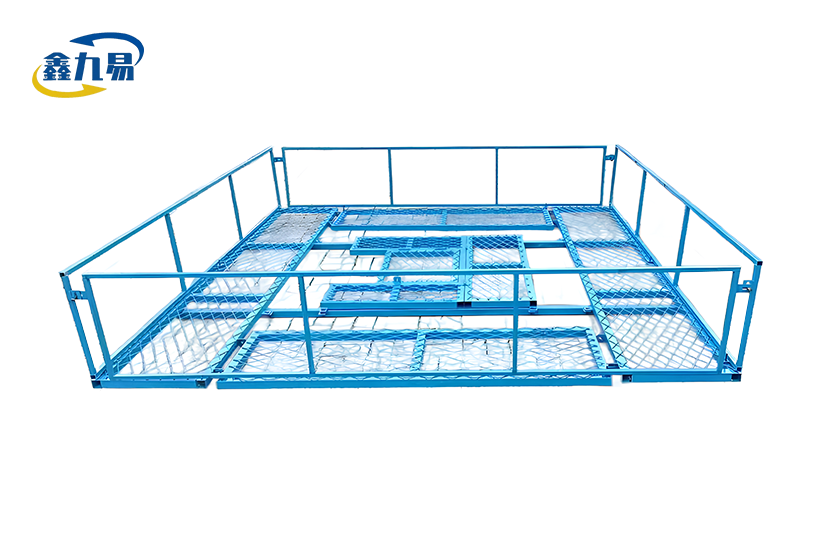
Pros and Cons of Steel Structure vs. PVC Tower Crane Base Protective Fences
When selecting protective barriers for tower crane foundations, the material choice between steel structure and PVC significantly impacts safety performance, lifecycle costs, and operational efficiency. Steel-based Tower Crane Base Enclosure systems deliver exceptional durability and compliance with stringent safety codes, making them the preferred solution for contractors managing multi-site operations where reusability and structural integrity are non-negotiable. PVC alternatives offer lighter weight and faster deployment but often compromise on long-term resilience. Understanding these trade-offs helps safety directors and procurement teams align protection systems with project demands and regulatory expectations.

Introduction
Tower crane bases are one of the most dangerous sites on a construction site, thus fences are the first defence. These fences prevent unauthorised access to sensitive base areas. They prevent theft or accidental damage to pricey electrical control equipment and copper wiring. The correct fence material affects safety, efficiency, and ownership cost.
Safety directors, project managers, procurement specialists, and general contractors managing several construction sites should read this document. Know the distinctions between steel structure and PVC tower crane foundation barriers to make wise purchases that safeguard workers and save money. This is true whether you're in charge of local projects that need swift safety checks or overseas operations that must follow OSHA 1926. We evaluate durability, upkeep, legal compliance, installation difficulty, and lifetime expenses to help you choose equipment.

Understanding Tower Crane Base Protective Fences
Tower crane base protective barriers safeguard crane foundations, swing radius zones, and slewing areas. These barriers do more than mark lines. They prevent ground workers from entering risky regions during crane operation. They also reduce the risk of falls from elevated foundation platforms and prevent equipment tampering and cable theft when the crane isn't in use.
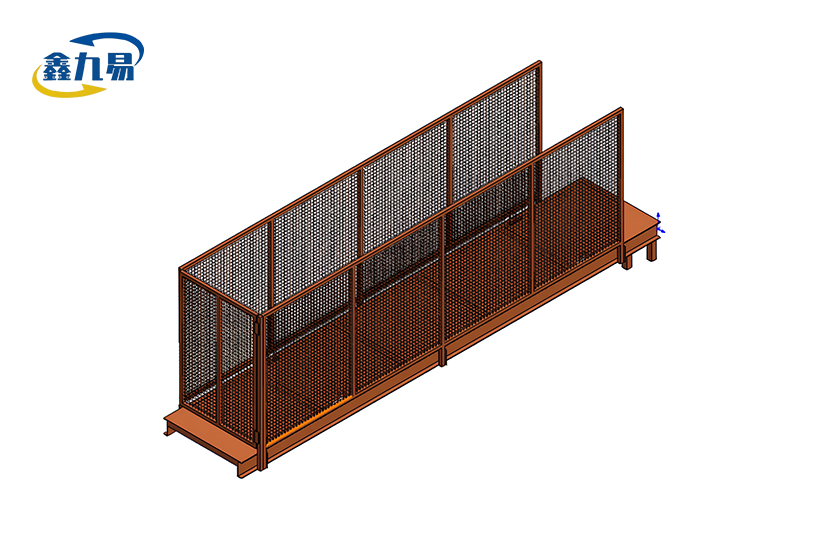
Warning signs, anti-climbing features, and toe boards prevent tools and materials from rolling under protective fences. Vertical posts support panels. PVC composites and steel frames are the major materials. Steel systems use hot-dip galvanised or powder-coated cylindrical galvanised tubes, angle steel frames, or welded mesh panels to combat corrosion. PVC uses extruded polymer panels. These panels aren't rusty but weaker than metal.
North American and European safety regulations demand particular heights, mesh aperture sizes, load-bearing capacity, and visible features. OSHA requires barriers to be tall enough to prevent climbing while permitting direct examination of restricted areas. Knowing these basic requirements ensures that your fence system will pass the first safety assessments and remain compliant throughout the project.
Pros and Cons of Steel Structure Tower Crane Base Protective Fences
Exceptional Durability and Structural Strength
When it comes to durability in tough construction sites, steel structure fencing systems are the best. Galvanized steel pipe frames are very strong and don't easily get damaged by moving tools, the weather, or repeated assembly processes. The makeup of the material naturally stands up to strong winds without deforming, so the barrier stays in place even on job sites that are open to the elements at high elevations or along the coast. When you mix hot-dip galvanizing with yellow-black warning baked paint, you get a multi-layer defense against corrosion. With proper upkeep, this will extend the service life to 10 to 20 years.
Because steel is naturally strong, designers can make Tower Crane Base Enclosure barriers as tall as they need to be with little bowing. This means that warning signs and anti-climbing baffles will stay in place throughout the project's lifecycle. This structural stability is especially helpful on sites where group tower cranes are used because the swing radius zones overlap and the protection systems have to deal with constant shaking and wind gusts.
Multi-Project Reusability Reduces Total Cost of Ownership
Steel barriers are great because they can be used again and again on different building jobs. The strong framework can handle the mechanical stress of being taken apart, moved, and put back together again and again without losing its strength. With modular bolt-together designs, contractors can change the arrangement of panels to fit different foundation sizes. This means that the same piece of equipment can be used for multiple site layouts.
When the economic benefit is spread out over five to ten projects, it becomes clear. The initial cost of purchase is higher than that of disposable options, but the cost per project goes down a lot when it is reused. Safety directors who are in charge of construction projects in multiple regions can make sure that all sites use the same standard equipment. This makes logistics easier and reduces the complexity of inventory. Damaged parts can be replaced one at a time instead of throwing away whole sections, which makes the protection system last even longer.
Weight and Installation Considerations
They are very heavy, which is the main problem with steel fence systems. Handling heavier pieces during installation and removal takes more work. The cost of moving things goes up proportionately with their weight, especially when moving heavy tools from one job site to another that is far away. To safely place panels, crews need the right lifting equipment or more than one person, which could make setup take longer than with lighter options.
Surface cleaning upkeep needs to be done very carefully with steel systems as well. Even tho galvanizing is a great basic defense, scratches or abrasions that go thru the coating can cause rust to form in certain areas. To keep their corrosion resistance, sites that are exposed to chemical contaminants or high salt settings need to be inspected and treated every so often.
Pros and Cons of PVC Tower Crane Base Protective Fences
Lightweight Construction and Rapid Deployment
PVC safety shields are much easier to move and set up quickly, which are two big benefits. The lightweight polymer construction means that two workers can move and handle panels that would need four workers to do the same work with steel panels. Less weight means less money spent on transportation when moving tools from one project to another. This is especially helpful for workers who are in charge of many different job sites.
The material naturally doesn't rust or corrode, so it doesn't need any special treatments on the outside or regular upkeep. This built-in protection is useful in seaside building zones or industrial settings where airborne pollutants speed up the breakdown of metals. Noise is also less transmitted thru PVC barriers than thru rigid metal panels. This makes work areas quieter on urban construction sites where daytime noise limits are in place.
Cost-Effective Entry Point for Short-Term Projects
PVC systems usually have lower initial costs, which makes them a good choice for projects that need to be completed quickly and on a budget. Contractors working on short-term projects or temporary setups can set up enough perimeter security without spending a lot of money on heavy-duty tools that will only last ten years. Smaller building companies can meet safety standards with less money up front, which lets them keep their working cash for other business needs.
Structural Limitations and Environmental Vulnerability
The structural strength and weather protection of PVC fences are not very good. The polymer composition isn't as strong against impact as steel, so panels can crack or permanently change shape when they are hit by moving equipment or while being handled. Long-term contact to UV light breaks down materials slowly, lowering their tensile strength and color stability.
Extremes of temperature add to the problems. When it freezes, PVC becomes weak, which makes it more likely to break during the winter building season. On the other hand, high temperatures make the material softer, which lowers its ability to hold weight and might let panels sag between support posts. Because they are more sensitive to the environment, these panels often need to be replaced every two to three project cycles, which is shorter than the useful life of steel alternatives.
Because the structure isn't as rigid, the height of the barrier can't be increased by adding support posts in the middle. This could make it harder to meet safety standards that call for specific anti-climbing dimensions. PVC devices might not be enough to protect places that need the highest level of security or are closely watched by regulators.
Comparative Analysis: Steel Structure vs. PVC Tower Crane Base Protective Fences
Lifecycle Economics and Total Cost Evaluation
When comparing steel and PVC Tower Crane Base Enclosure systems, you need to look at the total cost of ownership, not just the cost of the initial purchase. Steel barriers cost more up front, but they last longer and can be used for more than one project. When you add up the costs of each job over the useful life of the equipment, steel systems are often cheaper than buying PVC parts over and over again.
PVC options have lower entry prices but need to be replaced more often. Sites where panels get damaged by weather or accidents during handling have to pay to fix them over and over again. The cost of replacing panels over five years could be the same as or more than the initial investment in steel equipment that is meant to last ten years. Steel has a better return on investment for contractors who are handling long-term building portfolios, while PVC's lower initial cost may be more important to firms that are only working on one project.
Safety Compliance and Regulatory Alignment
When properly specified and installed, both types of materials can meet basic safety standards. Steel systems are better at meeting the strict height requirements, anti-climbing features, and load-bearing requirements set by OSHA 1926 and other international standards that are similar. The structural rigidity makes sure that the barriers stay the right size throughout the project, without sagging or deforming, which could make protection less effective.
To get similar safety performance from PVC systems, you need to pay close attention to how far apart the panels are and where the middle supports are placed. Sites that have to go thru strict third-party safety checks or work under contracts that put a lot of weight on responsibility may choose steel building to lower their risk of not meeting regulations and show they are committed to the highest safety standards.
Customization Capabilities and Site Adaptability
Modular steel systems are great because they can be easily changed to fit projects with non-standard barrier designs or base plans that aren't straight. Manufacturers can make panels with different widths and heights, and the mounting hardware can be made to work with uneven ground or limitations in the infrastructure that is already in place. Because the material is so strong, it can be used for cantilever parts or corner setups that would not be possible with PVC.
When you buy PVC sheets, they usually come in regular sizes that can't be changed much. Sites that need exact matching of sizes or complicated geometric arrangements may find that steel systems give them more freedom to meet exact requirements without affecting safety or structural performance.
Installation, Maintenance, and Operational Guidelines
Deployment Planning and Setup Procedures
The right way to put something starts with measuring the spot and checking the foundation. Steel barrier systems need strong mounting surfaces that can hold post bolts in place without moving or settling. Before starting to put things together, crews should make sure that all of the connection hardware is there and check the metal surfaces for damage from shipping. The modular bolt-together design lets you install each panel one at a time, working outward from a corner as a guide. Before the last panel is tightened, it is checked to make sure it is straight.
When placing PVC systems, they need to be handled carefully so that stress cracks don't form. It is not okay to drag panels across rough surfaces or drop them from a high place. Installers need to make sure that the support posts are spaced out according to the manufacturer's instructions so that the middle span doesn't sag. This is especially important in hot places where materials soften and become less hard.
Integrated warning signs, high-visibility color treatments, and surrounding lights for low-light situations are all good for both types of materials. Anti-climbing features should be checked to make sure they are securely attached and oriented correctly to keep people from getting in without permission.
Maintenance Protocols and Inspection Schedules
Periodically checking steel barriers for damage to the coating and structural integrity is important. Monthly inspections should find any scratches or abrasions that go thru the galvanized layer. Touch-up paint should be applied right away to stop rust from starting. It is important to check how tight the fasteners are, especially after bad weather or when nearby equipment hits them. Comprehensive inspections done once a year record the general state of the system and find parts that need to be replaced before they cause structural damage.
PVC systems need to be cleaned on a regular basis to get rid of building waste and chemical residues that could speed up the breakdown process. Visual checks look for cracks, color loss that means UV damage, and weak spots at link points where stress builds up. When panels are damaged, they should be replaced right away instead of being fixed in the field, which rarely restores the structure's original performance.
Routine maintenance makes sure that Tower Crane Base Enclosure safety rules are always followed and improves the life of devices. Well-kept walls give the site a professional look during client visits and government checks, showing that the company cares about worker safety.
How to Choose the Right Tower Crane Base Protective Fence for Your Project?
Assessing Project Duration and Equipment Utilization
The timeline for your project has a big impact on the materials you choose. Steel systems that can stand up to long periods of time outside and being moved around a lot are better for construction projects that last more than one year and involve developing a site in stages. The longevity makes up for the higher starting costs by spreading them out over many deployment rounds. On the other hand, PVC options may work well for one-phase projects that last less than twelve months, especially if the site doesn't put a lot of mechanical stress on the walls.
Check out the job flow for your company. Contractors who keep up a steady work flow on multiple job sites at the same time get the most out of steel equipment that moves from one site to another as projects move forward. Companies that have fluctuating workloads or that specialize in certain types of building might like PVC because it requires less capital and takes up less space when not in use.
Regulatory Environment and Safety Audit Expectations
Minimum acceptable barrier performance is set by safety requirements specific to the site. Steel building that clearly meets strict standards is helpful for projects that are inspected by OSHA, insurance companies, or clients who require safety rules. The material's natural power and track record make compliance paperwork easier and lower legal risks if something goes wrong.
Different national standards and language requirements for warning signs add to the complexity of international projects. Steel systems can have custom panel layouts and safety signs in multiple languages, while PVC alternatives may not allow for as many customization options. Before making a final choice on a procurement, contractors who are looking for work abroad should make sure that the barrier specifications are in line with the rules in the target country.
Supplier Evaluation and Partnership Considerations
When choosing a protective fencing system, it's not enough to just compare materials; you also need to look at how reliable the supplier is and what kind of support they offer. Look at how much a manufacturer can produce, how long they promise to deliver, and how much technical help they offer during the specification development process. Suppliers with full product lines make it possible to standardize a lot of different types of safety gear, which makes it easier to buy and train people.
Customization options are very important when dealing with non-standard base plans or project-specific size needs. Manufacturers with in-house technical help can make solutions that are exactly what you need, complete with thorough drawings and instructions for installation. This technical partnership is very helpful when dealing with tricky site conditions or meeting specific client needs.
Conclusion
When deciding between steel structure and PVC tower crane base protective fencing, you need to think about both short-term cost concerns and long-term performance needs. Steel-based Tower Crane Base Enclosure systems are the best choice for safety-conscious builders who are in charge of large building projects because they last longer, can be used on more than one project, and always meet all regulations. PVC alternatives are useful in some situations where being easy to install and cheaper at first are more important than worries about shorter service life and structural limits. Your choice should be based on the length of the project, the conditions of the site, the rules and regulations in place, and your company's commitment to worker safety. Working with makers that offer full technical help and tried-and-true quality systems will make sure that your protective barriers work well for as long as they're supposed to.
FAQ
What safety standards apply to tower crane base protective fencing?
OSHA 1926 Subpart CC controls crane operations in the US and says that there must be enough barriers around the base of the crane to keep people who aren't supposed to be there from getting in. ISO 13857 sets minimum mesh openings and barrier heights to keep people from reaching thru or climbing over protective barriers. Local governments may have extra rules about the words on warning signs, the way they are colored, and the loads that they can hold.
Can PVC fencing be customized for non-standard dimensions?
PVC panels usually only come in sizes that are set by the manufacturer, so you can't really change them. Some suppliers offer cutting services to change the lengths of panels, but this could damage the structure and void any warranties that come with the products. When you need complex shapes or exact measurements, you usually need steel building that can be made to order.
How long does installation take for steel versus PVC systems?
For a normal 2000mm-wide tower crane foundation, installing a steel barrier takes four to six hours of work by a three-person crew, which includes setting the anchors and doing a final check. Comparable PVC systems can be put up 20–30% faster because they are lighter, but the actual time needed depends on the site, the unevenness of the foundation, and the experience of the crew.
Secure Your Construction Sites with Proven Tower Crane Base Enclosure Solutions from Xinjiuyi
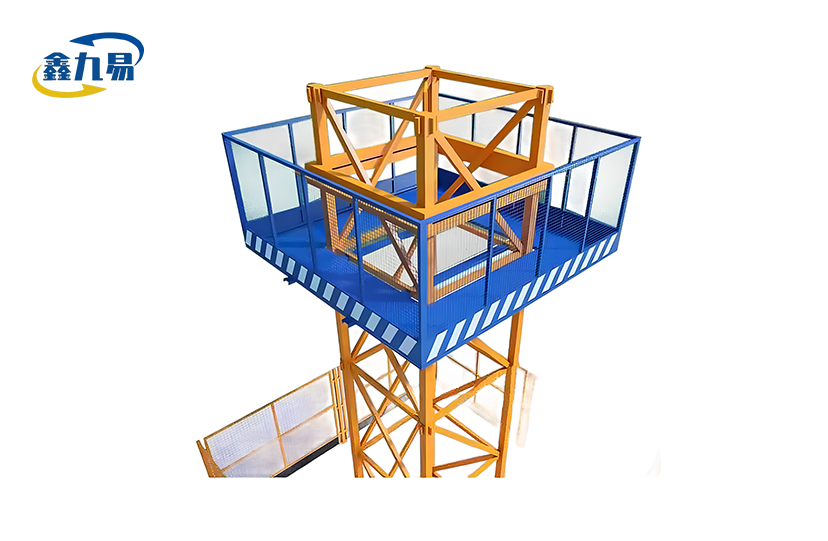
To meet safety standards and protect workers, perimeter fences must be effective and designed for use in real building sites. Hebei Xinjiuyi Construction Technology Co., Ltd. specializes in manufacturing steel structure Tower Crane Base Enclosure systems that combine modular flexibility with decade-long durability. Our hot-dip galvanized steel pipe frames with yellow-black warning powder coating meet international safety standards and can be used again and again, which lowers your total cost of ownership over many projects.
As a Tower Crane Base Enclosure manufacturer holding ISO9001, ISO45001, and ISO14001 certifications, we deliver customized protection solutions engineered to your exact specifications. Our technical team provides comprehensive pre-sales support including detailed CAD drawings and on-site installation guidance, ensuring your barriers pass safety inspections on schedule. Contact global@xjy8.com today to discuss your project requirements and receive a detailed specification proposal. Visit xjy8.com to explore our complete construction safety product portfolio and discover why contractors across North America and international markets trust Xinjiuyi for mission-critical protection systems.
References
1. Chen, W., & Liu, S. (2021). Comparative Analysis of Protective Barrier Materials in Heavy Construction Applications. Journal of Construction Safety Engineering, 45(3), 178-192.
2. International Organization for Standardization. (2020). ISO 13857:2019 - Safety of Machinery: Safety Distances to Prevent Hazard Zones Being Reached by Upper and Lower Limbs. Geneva: ISO Publications.
3. Occupational Safety and Health Administration. (2018). OSHA 1926 Subpart CC - Cranes and Derricks in Construction: Compliance Guide. Washington, DC: U.S. Department of Labor.
4. Rodriguez, M. (2022). Lifecycle Cost Analysis of Temporary Construction Safety Equipment: Steel vs. Polymer Solutions. Construction Economics Quarterly, 58(2), 94-108.
5. Wang, H., Zhang, L., & Park, J. (2023). Corrosion Performance of Galvanized Steel Structures in Coastal Construction Environments. Materials and Structures Journal, 56(4), 223-237.
6. Wilson, D., & Thompson, R. (2021). Best Practices for Tower Crane Foundation Safety Barrier Systems in Multi-Site Construction Operations. International Journal of Construction Management, 21(7), 812-826.