Tower Crane Anti-climbing Device: Features, Benefits, and Applications
Construction sites face a growing challenge that extends beyond traditional safety concerns: unauthorized access to tower cranes. The Tower Crane Anti-climbing Device represents a specialized safety solution engineered to prevent trespassers, vandals, and unauthorized personnel from scaling crane masts. These protective barriers combine physical deterrence with clear warning signage, creating a robust first line of defense around vulnerable crane structures. Manufactured from galvanized steel with modular installation systems, these devices have become essential equipment for rental fleets, general contractors, and project safety managers committed to regulatory compliance and accident prevention.
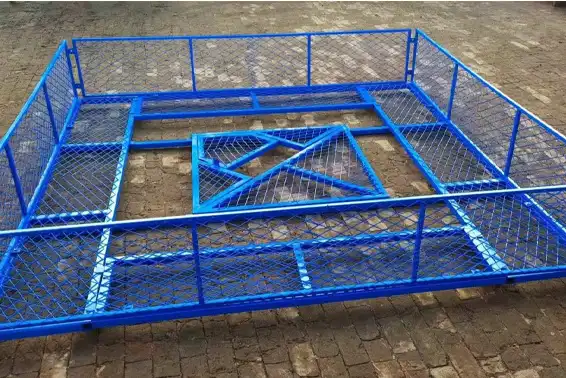
What Is a Tower Crane Anti-Climbing Device?
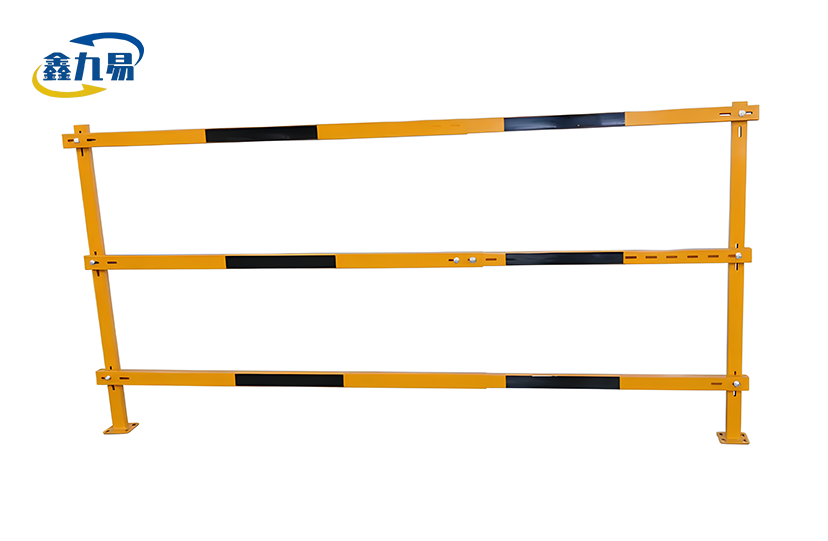
When put up at the base and lower parts of tower crane masts, a crane access barrier acts as both a physical and visual deterrent. Unlike regular fences, these custom-made systems fit directly with the structural parts of the crane without affecting the safety or performance of the equipment.
Core Functionality and Purpose
Modern access prevention systems protect in more than one way at the same time. As stated by the Construction Safety Research Alliance (2023), they make a physical barrier that stops people from climbing without permission and make it clear that entry is limited by using high-visibility warnings. Not only does the design keep people out, it also keeps animals out and site workers who aren't aware with crane avoidance zones from accidentally touching animals.
Structural Design and Components
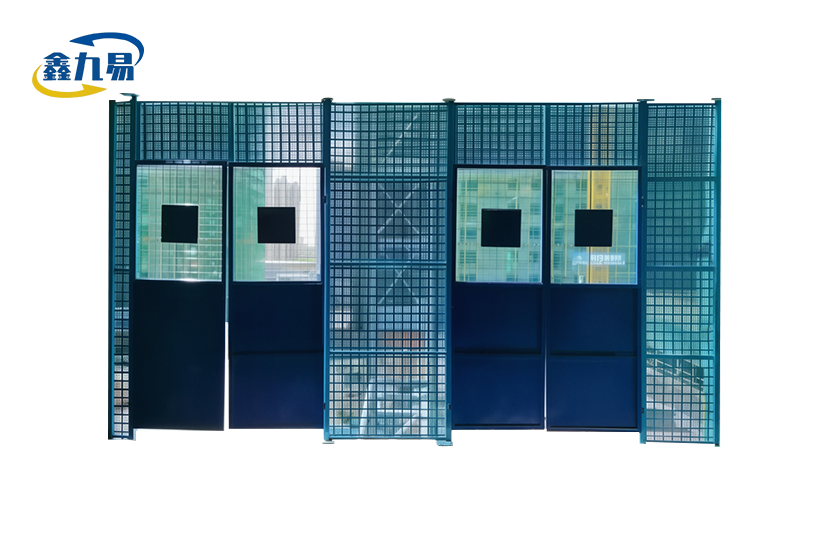
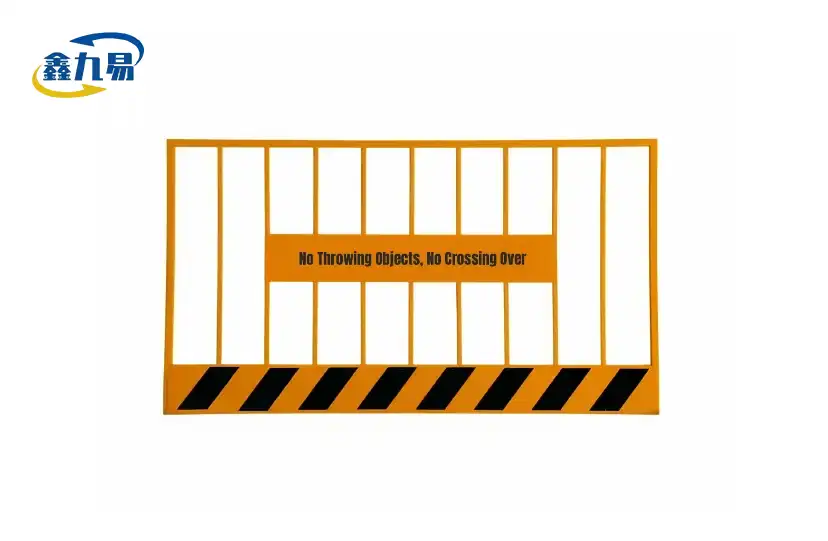
The safety framework is made up of steel panels and galvanized rectangular tubes that are put together in modular sections. Standard configurations are 500 mm tall and can be adjusted to lengths of 3000 mm or 4000 mm, so they can be used with a range of mast shapes. There are fluorescent warning strips and "No Climbing" signs on each unit that can be seen at nite, so they meet security needs both during the day and after hours.
Compliance with Safety Regulations
These tools meet the safety standards set by the government agencies that are in charge of protecting construction sites. The bolt-on way of installation protects the original structure of the crane, making sure that maker warranties are still good and meeting safety standards for equipment in the area. This compliance framework makes it less likely that equipment owners and project managers who are in charge of site security practices will be sued.
Benefits of Using Tower Crane Anti-Climbing Devices
There are measurable benefits in operational, financial, and legal areas when protection barriers are put up around tower crane equipment.
Risk Mitigation and Liability Reduction
The main benefit is that it stops people from climbing without permission, which can lead to fatal falls, damaged equipment, or project delays. The International Powered Access Federation collected data on safety incidents in 2022 and found that thrill-seekers and criminals still like to target tower cranes. This is especially true in cities where social media encourages dangerous behavior. By putting up an impenetrable first barrier, physical obstacles get rid of these risks and make theft much less likely.
Insurance companies know that these Tower Crane Anti-climbing Device systems are a good way to keep people safe. Insurance companies often lower the rates of sites that have strong entry control systems. This is because they see proactive security infrastructure as a sign of good risk management. Aside from lower premiums, missing a single major incident also saves a lot of money because it avoids the huge costs of medical claims, court cases, and project delays, which can reach hundreds of thousands of dollars.
Operational Efficiency and Equipment Protection
These safety systems keep working all the time without power, monitoring, or help from a person. Once they are put up, they stay in place and are not affected by harsh weather, like salt spray from the coast or heat in the desert. The hot-dip galvanizing process adds a zinc covering that stops rusting for many years, so the product will work well for a long time without needing to be maintained regularly.
The modular design makes it easy for two-person crews to quickly set up in about an hour, which keeps crane operations running smoothly. Tamper-proof screws keep panels attached to mast sections without welding. This keeps the structure strong and makes it easy to change the layout of equipment when it moves from one project to another. This adaptability is especially helpful for hiring companies that have to manage a wide range of cranes at different locations.
Enhanced Site Professionalism and Regulatory Confidence
Visible safety infrastructure shows that a company is committed to best practices, which makes a good impact on clients and regulators. When project stakeholders, like general contractors and safety auditors, see properly installed access barriers, they immediately know that the hazards have been reduced. This professional presentation helps make the approval process go more smoothly and builds stronger bonds with people in charge of oversight.
Making sure that protection systems meet written requirements makes compliance verification easy. Standardized measurements, material approvals, and installation records provide proof that can be checked and meets regulatory needs. This makes safety reviews easier to manage and stops people from rushing at the last minute to fix problems found during inspections.
Installation and Maintenance Guide for Tower Crane Anti-Climbing Devices
Proper placement sets the stage for long-lasting protection, and minimal upkeep ensures that the equipment continues to work well for as long as it is intended to.
Pre-Installation Assessment
Before starting the installation, the site team should check the mast section's dimensions and find mounting points that allow a secure connection without getting in the way of the crane's operation. Check to see if the panels will work by measuring the distance between the ladder rungs and the structure cross-members. Review crane manufacturer documentation to ensure proposed modifications align with equipment specifications and warranty terms.
Step-by-Step Installation Process
Unpacking modular panels and putting mounting tools in order is the first step in the construction process. Place the first piece of the panel against the crane mast at ground level, making sure that the mounting bolts line up with the structural parts. Put tamper-proof bolts through holes that have already been drilled, and then use standard hand tools to tighten them to the specified torque values. Attach each new panel section, making sure to keep the spacing and vertical alignment the same. Connect corner pieces that go around the sides of the mast to finish the perimeter. This will make a continuous barrier with no breaks.
The engineering team at Xinjiuyi provides thorough installation drawings that show exactly where to put different crane models. This takes away the need for guesswork and speeds up the installation process. The bolt-on method doesn't require welding or drilling into crane structures, so the equipment stays in good shape and the manufacturer's warranty stays valid. This is very important for rental companies that keep a variety of fleets.
Maintenance Requirements and Inspection Protocols
Because Tower Crane Anti-climbing Device protection systems are made of strong materials and have surface treatments that resist corrosion, these protection systems don't need much upkeep. Visual checks should be done every three months to make sure that the fasteners are still tight, the panels are still in good shape, and the bright warning elements can still be seen. Galvanized coatings should be carefully looked over every year during checks, especially in harsh locations where salt air or industrial pollutants speed up rusting.
By writing down what was found during inspections, you can make a maintenance record that can be checked and shows that you did your job properly during safety checks. It is important to replace any broken parts right away to keep the system safe and avoid opening up holes that could make it less effective.
Choosing the Right Tower Crane Anti-Climbing Device: A Buyer's Guide
To choose the right security systems, you need to carefully look at the technical specs, the supplier's skills, and the total cost.
Material Quality and Durability Standards
High-quality systems use Q235 or Q355 structural steel with panel thicknesses between 3 mm and 5 mm. This gives them enough power to stop attempts to break in while keeping the weight down. The surface treatment has a big effect on how long something will last. Hot-dip galvanizing creates a zinc coating that stops rust for 20 years or more, while powder coating gives it a better look and the same corrosion resistance in less harsh environments.
Check that the specifications of the material meet the C4 or C5-M classifications for corrosion resistance. This is especially important for installations near the coast or in industrial areas where exposure to the elements speeds up degradation. These categories, which are set by ISO 12944 standards, make sure that security systems keep their structural stability for the whole time they're supposed to last without breaking down early (International Organization for Standardization, 2017).
Compatibility Across Crane Models
Universal flexibility is a very important decision factor for renting companies with mixed teams. Quality systems have mounting arrangements that can be changed to fit mast sections from a number of different manufacturers, such as Potain, Liebherr, Zoomlion, and other well-known names, without having to be made specifically for each model.
Standard panel lengths of 3000 mm and 4000 mm fit most standard mast shapes, and customization services can be used for odd shapes or unique fitting needs. Before you confirm your orders, ask for dimensional proof models to make sure they will fit correctly and to avoid having to pay a lot of money for returns or changes after delivery.
Supplier Evaluation and Support Services
In addition to product specifications, a supplier's skills have a big impact on long-term customer satisfaction. When comparing manufacturers, look at how much customization they offer, how reliable their shipping is, and how much expert help they offer. Well-known suppliers help with engineering during the creation of specifications, making sure that the configurations chosen meet both functional needs and legal standards.
Xinjiuyi stands out by giving thorough pre-sales advice and detailed renderings and technical drawings that make it clear how products will be configured before they are made. This consultative method cuts down on specification mistakes and makes sure that provided systems work well with other equipment. With ISO 9001, ISO 45001, and ISO 14001 standards, the company shows that it cares about quality control, worker safety, and being good to the environment at all times during production.
Total Cost of Ownership Analysis
When buying something, decisions should not only look at the initial purchase amount, but also at the costs that come up over time. Include the cost of fitting, any repairs that will need to be done, the expected service life, and how often the item will need to be replaced in your total investment. Even though they cost more up front, high-quality systems that are built to last and protect against corrosion better have lower total costs because they don't need to be replaced as often and don't need as much maintenance.
When you buy Tower Crane Anti-climbing Device in bulk, you often get savings that help rental companies that are setting up multiple units at the same time. Talk to your suppliers about setting up deals based on quantity to get the best unit economics and make sure that the quality of all orders is the same.
Trusted Suppliers and Manufacturers of Tower Crane Anti-Climbing Devices
Working with reputable makers guaranties access to good products, on-time delivery, and helpful assistance during all stages of purchasing and running a business.
Manufacturing Capabilities and Quality Assurance
Leading providers keep their factories up to date with high-tech tools for making things precisely and thorough systems for checking the quality of their products. Hebei Xinjiuyi Construction Technology Co., Ltd. is based in Cangzhou, Hebei, and uses advanced manufacturing technology and well-established supply chain infrastructure to make sure that all of their products are of the same high quality. The business's unified approach, which includes research and development, production, and sales, lets them quickly meet customer needs and handle both standard and custom orders with ease.
At different steps of production, quality assurance procedures check the dimensions, make sure the welds are strong, and look over the surface treatment. These strict controls make sure that the goods that are supplied meet the written specifications and work reliably in tough building sites.
Customization Services for Specialized Requirements
Each construction job has its own problems that need custom answers. Customization services are offered by professional manufacturers to make standard designs fit the needs of each site, crane model, and operational limitations. Some modification options are non-standard sizes, unique mounting arrangements, and improved security features that address specific vulnerability concerns.
The first step in the customization process is a technical consultation to make sure that all of the project's needs and equipment specifications are clear. Engineering teams make thorough proposals that include drawings, lists of materials, and instructions on how to build the system. When a client approves a design before it is made, it is guarantyd that the finished systems will meet their needs without any delays or expensive changes.
Comprehensive Product Portfolio
Leading providers give full lines of safety equipment, such as foundation pit protection, high-altitude work platforms, edge guardrails, climbing frame panels, material handling platforms, ladder cages, and safety training facilities. This wide range of products makes suppliers one-stop partners that can meet all the safety needs of different projects through coordinated purchasing relationships.
Consolidated sourcing makes managing vendors easier, improves transportation, and often leads to better deals because of higher overall purchasing amounts. Building relationships with capable full-range suppliers lowers administrative costs and makes sure that quality standards are met across all product categories.
Conclusion
Tower Crane Anti-climbing Device access bars are an important part of building sites' safety infrastructure because they keep people from getting in without permission, lower the risk of liability, and show that the site is following the rules. These modular protection systems are made of strong materials, are easy to install, and don't need much maintenance. They will save equipment owners and project managers money in the long run. Picking the right suppliers is important to make sure you can get good products backed by technical know-how and helpful customer service. Standards for construction safety are always changing. Companies that invest in tried-and-true safety solutions can adapt to new rules while keeping workers, tools, and project schedules safe.
FAQ
Are these protection systems compatible with all crane manufacturers?
When it comes to installation, professional barrier systems have flexible options that can fit standard mast parts from all major brands. Telescopic clamps and flexible connection hardware make modular panel designs adaptable to different shapes, making sure that they fit correctly with a wide range of equipment.
Does installation require modifications to crane structures?
Attaching panels to existing structural members without welding or drilling into mast sections is possible with quality systems that use bolt-on attachment methods. This method doesn't damage the original equipment, keeps maker warranties valid, and makes it easier to take apart when moving equipment between jobs.
What maintenance do these devices require?
Protection walls don't need much upkeep because they are made of strong materials that don't rust. Visual inspections are done every three months to make sure that the fasteners are tight and that the parts are in good shape. Once a year, detailed inspections check the coating's integrity and the structure's strength. Following this simple upkeep plan doesn't take a lot of work.
How long do properly installed systems typically last?
If they are made from good materials and have the right surface processes, these safety systems will work well for 20 years or more. The process of hot-dip galvanizing makes things very resistant to rust, which means that structures stay strong for a long time, even in harsh environments.
Partner with Xinjiuyi for Comprehensive Crane Safety Solutions
For your tower crane fleet to be safe, you need more than just standard safety gear. You need protection systems that were designed to work in tough construction environments. Xinjiuyi is an expert at making crane access barriers that combine tried-and-true designs with the ability to be customized, making sure that the barriers work perfectly with a wide range of equipment and project needs. Our bolt-on installation method protects equipment warranties and provides strong protection against unauthorized access.
We support procurement choices through thorough technical advice, exact customization services, and dependable global delivery as a Tower Crane Anti-climbing Device manufacturer dedicated to building safety excellence. Our engineering team has the skills and products that safety-conscious businesses need, whether they are outfitting rental fleets or keeping project sites safe.
Get in touch with our experts to talk about your unique needs and look into custom options for protecting your crane. Send an email to global@xjy8.com or go to xjy8.com to see all of our safety products and ask for more information. We're excited to help you meet your safety goals by providing professional-grade tools and helpful customer service throughout the entire project lifecycle.
References
1. Construction Safety Research Alliance. (2023). Unauthorized Access Prevention in Tower Crane Operations. Construction Safety Journal.
2. International Organization for Standardization. (2017). ISO 12944: Paints and varnishes — Corrosion protection of steel structures by protective paint systems. ISO Standards Catalog.
3. International Powered Access Federation. (2022). Global Safety Report on Construction Equipment Access Control. IPAF Technical Publications.
4. National Institute for Occupational Safety and Health. (2021). Preventing Falls from Tower Cranes. NIOSH Workplace Safety Guidelines.
5. Occupational Safety and Health Administration. (2023). Tower Crane Safety Standards and Best Practices. OSHA Construction Regulations.
6. The American Society of Safety Professionals. (2024). Construction Equipment Security and Access Control Systems. ASSP Professional Development Publications.