Safety Ladder Cage Dimensions and Load Capacity Standards
When you're managing large-scale construction operations—whether it's a deep excavation, bridge pier assembly, or high-rise tower project—understanding Safety Ladder Cage Dimensions and Load Capacity Standards becomes non-negotiable. A Construction Ladder Cage is not merely a climbing aid; it's a comprehensive vertical safety access system that protects your workforce from falls while maintaining compliance with international safety codes. These enclosed structures typically feature rectangular steel tube frames with precise dimensional specifications, load-bearing capacities verified through rigorous testing, and modular designs that adapt to varying project heights. Proper adherence to standardized dimensions and capacity ratings directly reduces fall-related incidents, streamlines safety inspections, and ensures your projects meet OSHA, ANSI, and ISO requirements.
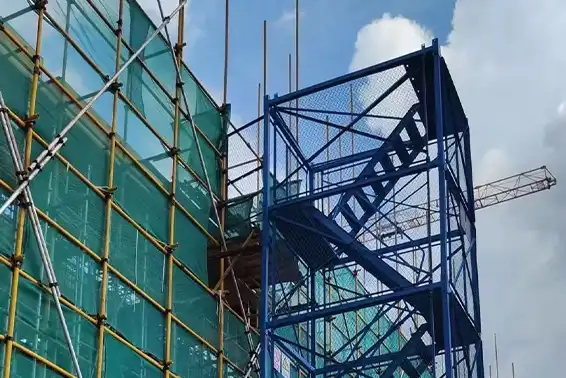
Understanding Safety Ladder Cage Dimensions and Load Capacity Standards
To choose the correct vertical access equipment, you need to understand how the structure's size and weight affect its ability to prevent falls. Dimensional accuracy affects how comfortable the users are, how much space there is for safety gear, and how well the structure works with scaffolding or formwork systems. Load capacity, on the other hand, tells you how many workers or tools it can safely hold at once.
Key Dimensional Requirements for Vertical Access Systems
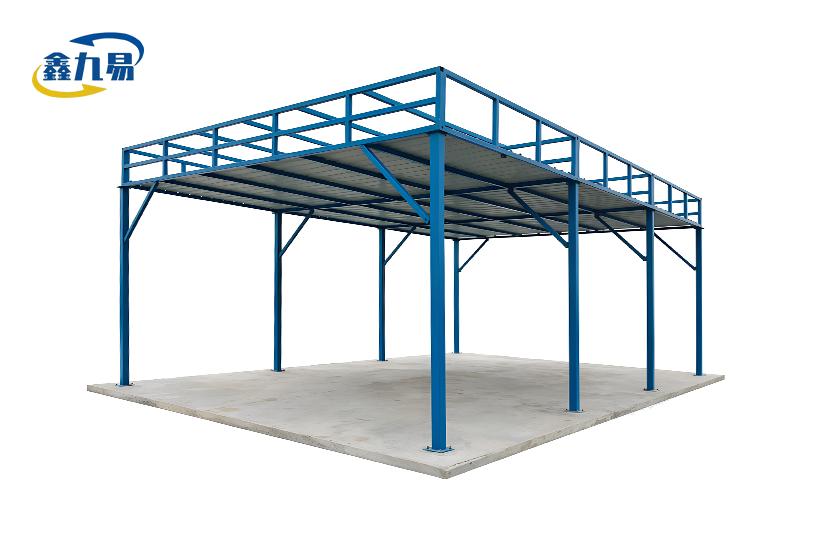
The standard length of a Construction Ladder Cage piece is 3000 mm, and the standard width and height are each 2000 mm. These measures make sure that there is enough room inside for workers who are wearing harnesses and carrying hand tools. Column tubes that are 80 mm × 80 mm in size and have walls that are 3.0 mm thick make the structure rigid against wind loads and side forces. The space inside the enclosure between the protective mesh and the climbing steps should be big enough to allow free movement while still keeping the enclosure's structure. In order to keep the cage stable, hoops or horizontal bracing usually show up every 1200 mm or so. Climbers can't slip thru holes if there is enough space between them, but they can still get out quickly if they need to.
For procurement teams that are in charge of running activities at more than one place, dimensional consistency across modular parts is important. When you find parts that are the right size, you can move tools from one job to another without having to wait for custom fabrication. Height-adjustable pieces that are bolted together make it easy to change the layout quickly as the building goes up and down.
Load Capacity Fundamentals and Material Strength
The load ability depends on the choice of material and the engineering design. The main part of most industrial-grade systems is made of high-strength steel with a minimum bending strength of 235 MPa. Galvanized cylindrical tubes don't rust and keep their shape when they're being loaded and unloaded. A normal assembly should be able to hold loads of more than 200 kg per platform section without permanently deforming.
Static and dynamic load simulations are used in testing protocols to make sure that these capacities are correct. Before units leave the plant, manufacturers test welded joints in a way that doesn't damage them to find secret cracks or weak spots. People who want to buy should ask for proof that each batch meets national steel standards and has been loaded 1.5 times its rated working load. This extra space keeps everyone safe, even if several workers are in the same area at the same time or if tools and supplies add weight that wasn't expected. Hot-dip galvanizing and other surface processes make things last longer in harsh settings. A layer that is thicker than 85 microns keeps things from rusting in seaside or chemically harsh areas, and it can last for 25 years or more with little upkeep.
Regulatory Standards Governing Design and Performance
Based on OSHA 1910.28 and ANSI A14.3 standards, fixed ladder safety systems in North America must meet certain basic requirements. According to these guidelines, any vertical access that is higher than 24 feet must have fall stop or Construction Ladder Cage systems. For similar specifications, European markets use EN ISO 14122-4, which focuses on clearance measurements, hoop spacing, and load testing methods.
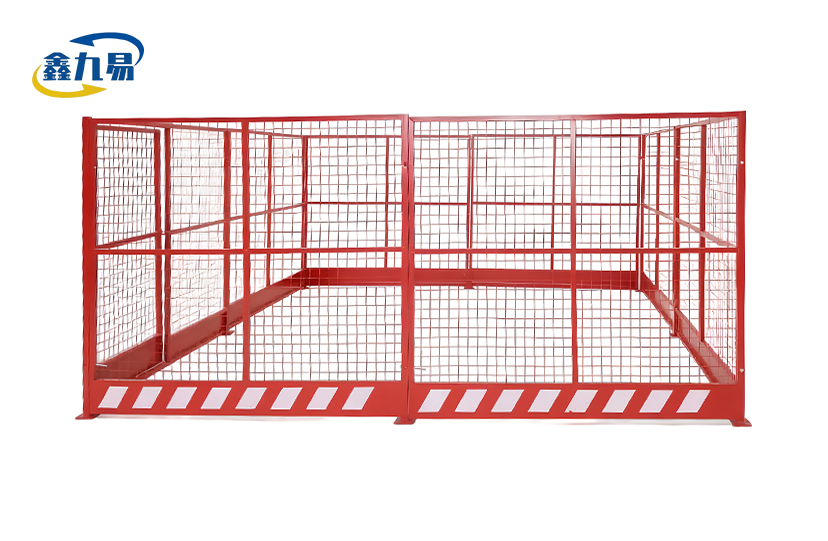
Checking for compliance means looking at the tolerances for sizes, the quality of the welds, and making sure that the openings in the protective mesh don't go over 75 mm. During site checks, safety officers use these factors to make sure that the equipment is right for the job. When your Construction Ladder Cages meet or beat these standards, you lower your risk of liability and make it easier for regulators in different areas to give them approval.
Comparison of Ladder Cage Types and Materials for Construction Use
Whether to use a fixed or portable Construction Ladder Cage system or steel or aluminum construction relies on the length of the job, the conditions of the area, and your budget. Each choice has its own benefits that make sense for different operating needs.
Fixed Versus Portable Cage Systems
Fixed installations provide permanent access to high places like infrastructure hubs or industrial plants that will be there for a long time. These units are attached directly to the supports of buildings, which makes them very stable and resistant to weather. Once they are in place, they don't need much adjusting and can be used during different stages of construction without having to be moved.
Portable modular systems work really well in places where access points change all the time. Bolt-connected pieces make it easy to put together and take apart quickly, so they can be used again and again on different tasks. When you manage more than one site at the same time, this flexibility lowers your total ownership costs. As a trade-off, temporary pieces take a little longer to set up than permanent ones, but the investment pays off in reduced repositioning costs.
Steel and Aluminum Material Considerations
Steel is still the best material for heavy-duty jobs because it has better tensile strength and resistance to pressure. Construction Ladder Cages made of galvanized steel can handle heavy loads and bad weather without breaking. The extra weight makes the structure more stable in windy conditions that are common on open building sites.
Aluminum metals are lighter, which makes them easier to move and handle. This material works well for projects where being mobile and easy to set up is more important than carrying a lot of weight. Aluminum naturally doesn't rust, which is good for seaside or marine areas, but it usually costs more at first than galvanized steel. When figuring out price-performance ratios, it's important to look at the full cost of ownership, including upkeep, transportation, and the chance of reuse. For large operations, steel systems tend to be more cost-effective in the long run, while aluminum systems are better for niche uses that need to be moved around a lot.
Regulatory Compliance and Safety Inspection Standards for Ladder Cages
Compliance needs to be kept up after the initial installation. As the project goes on, make sure that your vertical entry systems continue to protect workers by inspecting them regularly and following safety rules.
OSHA and International Regulatory Requirements
Construction Ladder Cages that were put in place before November 2018 must meet legacy standards, while later units must have personal fall stop systems or other similar safety features. Similar fall safety measures are spelled out in European guidelines under EN ISO 14122-4, with a focus on structural integrity and exact measurements.
Managers in charge of buying things should make sure that sellers show proof that they follow the rules that apply. This paperwork makes safety audits easier and shows insurers and regulatory authorities that you did your job properly. Asking for testing reports from a third party gives you extra confidence that the products you buy meet the claims they make.
Inspection Checklist for Ongoing Equipment Integrity
Inspections done on a regular basis find wear, corrosion, or structural damage before they become dangerous. Checking for cracks or separations around stress points in the weld joints should be on your list of things to do. Check the covering thickness on a regular basis to make sure that the level of galvanization stays above the minimum level of protection. Check to see if the bolt joints are tight, and replace any screws that show signs of rust or thread stripping.
Check the protective mesh for cracks or holes that are bigger than the normal size of the holes. Test anti-slip treads to make sure that the surface texture still works even when dirt and other things are on it. Keep written records and photos of each check to create an audit trail that meets the needs of safety officers and the law. When you take care of small problems right away, they don't get worse and become bigger problems. Simple care, like cleaning and tightening bolts, can greatly increase the life of your tools and help you get the most out of your purchase.
Installation Guidelines and Maintenance Best Practices
Construction Ladder Cage systems will work reliably for as long as they are supposed to if they are installed correctly and are taken care of regularly. Following organized steps helps keep installation mistakes to a minimum and makes sure that standards for size and weight are met.
Step-by-Step Installation Process
First, make sure that the anchor points in the foundation can hold the expected working load plus the dead load. Use laser leveling tools to place base pieces vertically and make sure they are straight. Connect modular sections using high-strength bolts and torque the fasteners to the values recommended by the manufacturer, which for M16 bolts is usually 120 Nm.
As the project gets taller, stack more parts on top of each other, making sure that each link is aligned the same way. Before letting workers in, put up protective mesh panels and secure non-slip treads. Two trained people can use simple hand tools to put together a standard three-part assembly in less than 30 minutes, so there's no need for special welding equipment to be brought to the job site. After installing the system, check it for accuracy in measurements, tight connections, and mesh stability before letting it go into use. Write down this baseline state so that it can be used to plan future upkeep.
Routine Maintenance and Component Replacement
Cleaning Construction Ladder Cage once a week gets rid of building dust and other debris that can hide wear signs or make floors slippery. Every month, inspections check the condition of the weld joints and bolt tension, and any problems are fixed right away. As part of the yearly deep maintenance, the coating thickness is measured and the structure is loaded to make sure it stays strong.
When the surface roughness gets too rough, replacing old treads is no longer necessary. Replace any mesh pieces that are warped or showing signs of rust. Keep extra bolts and connectors on site so that you can quickly change parts without delaying the job. Hiring certified professionals to do major repairs makes sure that the work meets technical standards. Working with reputable sources who offer ongoing technical support is a good way to stay in compliance and make tools last longer.
Procurement Considerations for Construction Ladder Cages
Striking a balance between short-term project goals and long-term business efficiency is what strategic procurement does. When looking at a supplier's skills and the total cost of ownership, you can make better buying choices.
Evaluating Supplier Capabilities and Certifications
Check out possible suppliers' production capabilities, quality control methods, and compliance certifications. ISO 9001 certification for quality management means that production standards are organized, and ISO 45001 certification means that a company is dedicated to health and safety at work. The ISO 14001 environmental certification shows that a company is making products in a way that is good for the environment and fits with its sustainability goals.
To make sure that production is consistent, ask for plant audit records or inspection results from a third party. Suppliers who have their own testing labs can handle custom orders more quickly and provide more reliable quality documentation. Large-scale production capacity guaranties on-time delivery, even for large orders that span several construction phases.
Customization Potential and Delivery Logistics
For complicated jobs, non-standard sizes or surface treatments are often needed. Suppliers who offer tech help and design teamwork add a lot of value on top of standard catalog goods. Send in detailed site plans early on in the bidding process to get accurate quotes and assessments of the project's viability.
Check the procedures of delivery, such as the standards for packing, the coordination of shipping, and the dependability of wait times. Suppliers who know how to handle export paperwork and work with freight companies are good for international projects. Consistent delivery performance keeps project schedules safe from delays caused by not having enough equipment.
Conclusion
Learning about Construction Ladder Cage Dimensions and Load Capacity Standards gives you the power to make smart buying decisions that keep people safe and follow the rules. The right size requirements make sure that the structure is easy to reach and works with the site's infrastructure. Verified load limits make sure that the structure will hold up in real life. Comparing different types of materials, understanding the rules that apply, and using routine maintenance methods can help equipment last longer and be worth more. Strategic partnerships with suppliers give you the freedom to customize, the security of reliable delivery, and technical support that lasts after the purchase. When you put these things at the top of your list, vertical access systems go from being simple climbing aids to all-around safety assets that lower your risk of liability, make site management better, and help your project succeed.
FAQ
What height requires a ladder cage system?
In the past, OSHA needed Construction Ladder Cages for fixed ladders that were longer than 24 feet. However, new installs should focus on personal fall arrest systems instead. Cages are still accepted as a main or secondary form of defense in many places, especially for older buildings or certain industrial uses.
Can modular cages adapt to changing project heights?
Modular systems that are linked by bolts let you change the height by adding or removing parts as the building process goes on. This adaptability gets rid of the need for unique manufacturing while keeping the same size requirements throughout the whole project.
How do galvanized coatings extend service life?
With hot-dip galvanizing, a zinc layer thicker than 85 microns is formed, which protects steel from rusting in wet or chemically harsh environments. When properly cared for, galvanized Construction Ladder Cages last between 20 and 50 years, which greatly lowers the cost of replacement.
What load testing validates structural capacity?
Proof loading is done by manufacturers at 1.5 times the maximum working capacity, which is usually 300 kg or more per platform piece. Welded joints can have secret flaws found by non-destructive testing, which also makes sure that the units can handle dynamic loads and concentrated pressures without permanently deforming.
Xinjiuyi's Enterprise-Grade Vertical Safety Solutions
Hebei Xinjiuyi Construction Technology Co., Ltd. sells modular vertical access systems that are designed to be as safe and useful as possible. Our Construction Ladder Cage systems are made with 80 mm × 80 mm column tubes that have a 3.0 mm wall thickness. This gives them great wind resistance and earthquake stability. Each section is 3000 mm long and can be set up in different ways for width and height to fit the needs of your site.
We use precision welding to build each unit from high-strength steel that meets national standards. This makes sure that the structure is strong enough to meet international safety standards. Hot-dip galvanizing with a covering layer of more than 85 microns gives things a 20-year life, even in places where corrosion is common. Bolt-connected modular design lets standard tools be used for quick assembly on-site, which cuts down on installation time and labor costs.
We keep strict quality control throughout the whole production process as a Construction Ladder Cage maker with ISO 9001, ISO 45001, and ISO 14001 certifications. Our Cangzhou facility can handle both standard procurement projects and custom engineering ones. For domestic orders, the lead time is usually 15 working days. Strong packing and logistics planning are part of international shipping plans that make sure packages get delivered without damage all over the world.
In addition to selling products, we also offer full technical support, which includes design advice, help with installation, and planning for future maintenance. Our team works directly with your project managers and safety officers to make sure that our systems work well with the ones that are already on site. Visit xjy8.com or email us at global@xjy8.com to talk about how our vertical access solutions can help your building projects be safer and more productive.
References
1. American National Standards Institute. (2018). ANSI A14.3: American National Standard for Ladders – Fixed – Safety Requirements. New York: ANSI.
2. Occupational Safety and Health Administration. (2017). Walking-Working Surfaces and Personal Protective Equipment (Fall Protection Systems). Washington, D.C.: U.S. Department of Labor.
3. International Organization for Standardization. (2016). ISO 14122-4: Safety of Machinery – Permanent Means of Access to Machinery – Part 4: Fixed Ladders. Geneva: ISO.
4. National Institute for Occupational Safety and Health. (2019). Falls in Construction: Prevention Through Planning. Cincinnati: NIOSH Publications.
5. European Committee for Standardization. (2020). EN 1090-2: Execution of Steel Structures and Aluminum Structures – Technical Requirements for Steel Structures. Brussels: CEN.
6. American Society for Testing and Materials. (2021). ASTM A653: Standard Specification for Steel Sheet, Zinc-Coated (Galvanized) or Zinc-Iron Alloy-Coated (Galvannealed) by the Hot-Dip Process. West Conshohocken: ASTM International.