What Makes Gully Grating So Important for Roads?
When you drive down a smooth highway or navigate busy city streets, you probably don't think much about what lies beneath the surface. Yet, one component works silently to protect road integrity and public safety—the gully grating. These drainage systems, particularly those manufactured from high-strength spheroidal graphite iron, prevent water accumulation that would otherwise erode pavement structures and create hazardous driving conditions. Ductile Iron Gully Grating has become the industry standard because it combines exceptional load-bearing capacity with corrosion resistance, ensuring roads remain functional for decades. Without effective drainage gratings, even the most carefully engineered roads would succumb to water damage, settlement issues, and premature failure.
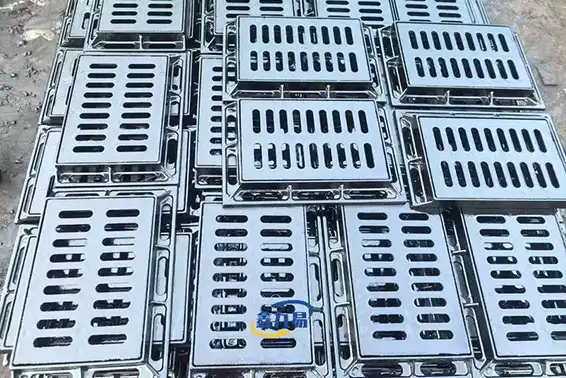
Understanding the Role of Gully Gratings in Road Safety and Drainage
Every road project has to deal with the same basic problem: how to effectively handle surface water while keeping the structure's stability under constant traffic loads. Ductile Iron Gully Gratings are very important because they keep rainwater from getting into the pavement and weakening it. They do this by channeling the water away from the road surface.
Why Surface Water Management Matters?
One of the biggest threats to the life of roads is surface water. When rainwater pools on asphalt or concrete, it slowly seeps into tiny cracks. As the weather freezes and thaws, these cracks get bigger and cause major structural problems. The weight of moving cars then speeds up this wear and tear, making bumps and uneven surfaces that make driving less safe. When installed correctly, drainage gratings catch this water along the road in several places and send it to collection systems before it does any damage.
How Spheroidal Graphite Iron Outperforms Alternatives
Grey iron gratings have been used for a long time in road construction, but their flake-like graphite structure makes them fragile and easy to break when hit. These numbers no longer make sense because of modern ductile iron. The spheroidal graphite pieces mixed in with the iron core let the material bend a little when it's stressed instead of breaking. This makes it about twice as resistant to impact as regular cast iron. This difference in the way the metals are made directly leads to longer service life and lower maintenance costs for city road projects.
Load Classification and Traffic Safety
Depending on where they are installed, road drainage parts must meet strict load-bearing standards. These rules are set by the EN 124 classification system, which has classes from C250 (for pedestrian areas) to F900 (for airport runways and port facilities). For extra safety, urban main roads usually need Class D400 gratings that can handle 400 kN loads, while expressways usually need Class E600 gratings. These categories aren't based on math that makes sure gratings can handle the dynamic forces that heavy vehicles moving at highway speeds cause.
Technical Breakdown of Ductile Iron Gully Gratings
Modern Ductile Iron Gully Gratings are the result of decades of progress in material science and testing in the field. Knowing about these technical details helps project engineers and procurement managers choose products that will work well for as long as they are supposed to.
Material Composition and Casting Process
Carefully managed iron compositions with a minimum tensile strength of 500 MPa and elongation topping 7% are used to make high-quality drainage gratings. In the casting process, molten iron is poured into precise molds that are made to make the exact slot patterns and structural ribs that are needed for the best hydraulic performance. When compared to welded steel structures, fully cast gratings don't have any weak spots where joins could break when they are loaded over and over again.
And when magnesium or cerium is added to the liquid iron during solidification, the spheroidal graphite structure forms. These alloying elements change the mechanical features of the material so that the graphite forms into tiny spheres instead of flakes. As a result, the grating bends instead of breaking when it is hit by heavy machinery or a car.
Anti-Settlement Integration Design
Differences in settlement around utility covers and drainage structures are one of the most persistent problems in building roads. When the pavement around the grating frame settles more slowly than the surrounding pavement, lips or depressions form that hurt cars and pose safety risks. Better grating systems deal with this by using integrated frame designs that let the grating and the structure around it move together as a single unit.
The premium systems use precision-cast frames that spread vertical loads evenly across the ground structure. This stops stress buildups that would lead to isolated settlement. Machined seating surfaces make sure that the grating fits flush with the frame, so there is no rocking or rattling, which would be a sign of bad installation. Because of this care for integration details, roads keep their smooth shapes even after years of heavy traffic and seasonal ground movement.
Noise Reduction and Vibration Control
When cars pass over drainage gratings that make too much noise, drivers and people living nearby can hear it right away. Professional systems have high-quality EPDM rubber gaskets between the grating and the frame to absorb vibrations and stop the metal clanging that happens when covers aren't fitted properly. A second job that these seals do is keep out trash and keep sediment from building up in the frame lines, where it could cause binding.
The slot shapes are designed to strike a balance between the structure's hardness and its ability to hold water. Wider slots let more water flow through, but when tire treads cross them, they can cause annoying vibrations. The best designs have a lot of small holes with big ribs in between them. This makes crosses smooth and keeps enough open space for water to drain well during heavy rain.
Comparing Ductile Iron Gully Gratings with Alternative Materials
The choice of materials has a big effect on both the initial costs of a project and its long-term upkeep needs. There are a few different ways to build a Ductile Iron Gully Grating, and each has its own pros and cons that sourcing professionals need to weigh based on the needs of the project.
Grey Cast Iron vs. Ductile Iron Performance
Grey cast iron gratings are still common because they are cheaper at first, but this savings is often not real when lifecycle costs are calculated correctly. Because grey iron is so flimsy, quick, catastrophic failure is always a possibility, especially in places with a lot of traffic. When a grey iron grate breaks, it immediately poses a safety risk and needs to be replaced right away at a high cost. Because ductile iron is so much stronger against impact, these sudden failures almost never happen. It works reliably for more than 25 years.
How often these things need to be maintained is very different. Grey iron gratings often get cracks that let dirt in. This can block draining systems and lower their hydraulic capacity. Because ductile iron is flexible, these stress cracks don't form. This keeps the drainage paths open and working.
Steel and Stainless Steel Considerations
Fabricated steel gratings are very strong for their weight, but they can rust in places like roads where deicing salts and industrial waste are widespread. Over time, even galvanized coats wear off. This is especially true at welded joints, where the protected layer is broken during construction. Corrosion can be avoided with stainless steel, but it is very expensive and is only really useful in very specific situations.
Spheroidal graphite iron is the best combination of corrosion resistance and structural strength. If you cover these gratings with 50–100 micron bitumen or epoxy, they can stand up to harsh road chemicals for decades. The coating thickness requirements are carefully thought out to provide protection without making the frame too heavy or messing up the exact fit needed for quiet operation.
Theft Prevention Features
Municipalities and people who run infrastructure are very worried about metal theft. Thieves are more likely to break through traditional gratings with simple lift-out designs, which leaves dangerous gaps in the road. Modern systems have fixed hinges that keep the grating literally connected to the frame through pivot points that are built in. Security bolts are an extra layer of protection that can be added for high-risk areas. These anti-theft features not only stop gratings from being taken down without permission, but they also make it impossible for maintenance vehicles or bad weather to move them by accident.
Procurement Considerations for Ductile Iron Gully Gratings
There are many things beside simple unit pricing that need to be carefully considered when choosing the right supplier and Ductile Iron Gully Grating specifications. When total ownership costs are properly calculated, project managers with a lot of experience know that the lowest bid doesn't always mean the best value.
Evaluating Supplier Credentials
Quality licenses are very important for proving that a company can make something and that the process is being controlled correctly. Having ISO 9001 certification shows that a company has documented quality management systems that are regularly checked by a third party. ISO 14001 environmental certification means that a company uses responsible manufacturing practices that have a small impact on the environment. This is becoming more and more important as government procurement rules include sustainability requirements. The ISO 45001 approval for health and safety at work shows that the company cares about protecting workers at all stages of production.
In addition to these basic certifications, you should look for providers who can give you EN 124 test results from approved labs that prove the load-bearing performance. These studies should include both static load tests and dynamic impact resistance to show that the gratings will work as expected in real-life traffic situations. Reputable manufacturers keep these test records for each batch of production and are happy to share them with buyers during the evaluation process.
Customization Capabilities and Lead Times
Standard grating sizes work for most uses, but sometimes non-standard sizes are needed for municipal projects to fit with existing infrastructure or work around site limitations. When a manufacturer has its own engineering department, it can change the slot patterns, general sizes, and frame configurations without having to wait too long or pay more. Being able to make detailed models before the fabrication process starts helps project teams see how the unique designs will fit in with the roadwork that is already there.
Lead time issues are more complicated than just production schedules. Buying things from other countries involves shipping logistics, clearing customs, and paperwork requirements that can make delivery times weeks longer. Suppliers who have worked with export markets before can help with all the business bills, certificates of origin, and other trade papers that are needed for customs processing to go smoothly. They also offer a variety of packing choices so that containers can be used to their fullest and freight costs are kept to a minimum for large orders.
After-Sales Support and Technical Assistance
You should still be able to talk to your grating supplier after the goods are brought to the job site. Manufacturers with a lot of experience give installation instructions to make sure that everything fits and aligns correctly from the start. For big projects, this could mean expert visits to the job site or thorough installation guides that spell out how deep the frame should be embedded, how the ground around it should be built, and how much torque security fasteners need to be tightened.
Warranty terms show how confident the manufacturer is in the product's durability. Standard warranties usually cover problems in the material or the way it was made, but performance guarantees against early wear or structural failure under normal working conditions are often added by premium providers. These longer warranties are a great way for public works departments that manage infrastructure investments paid for by taxpayers to lower their risks.
Installation, Maintenance, and Longevity Best Practices
Even the best Ductile Iron Gully Gratings won't work as well if they aren't put or kept properly. By following known best practices, you can be sure that these important parts will last as long as they are supposed to.
Proper Installation Procedures
The installation process starts with putting the frame into the pavement structure correctly. The frame has to be set at just the right height so that the finished grating surface matches the profile of the road around it. Too high makes a bump that cars hit over and over, which speeds up wear and makes noise. If the grating is too low, water will pool around it instead of draining through it, which is not what it's supposed to do.
The base under the frame needs to be properly packed down to keep it from settling. A lot of standards call for concrete collars to go around the frame to spread the weight across the ground base and stop any uneven movement. The frame should be held in place with screws that won't rust and are the right size for the amount of traffic that is expected. These construction details may not seem important, but they have a direct effect on whether the drainage system works well for decades or needs expensive fixes in just a few years.
Maintenance Strategies for Extended Service Life
As part of regular inspections, you should look for debris accumulating in the grating slots, make sure the security fasteners are still tight, and make sure the grating sits flat in its frame without rocking or having too much space between it and the frame. Most maintenance departments do these checks once a year, and they do extra checks after bad weather that could move surface structures.
Cleaning needs vary depending on the area, but usually involve flushing every so often to get rid of sediment buildup and plant growth. Slots can be cleaned out with high-pressure water spray that doesn't damage the grating or finish. Areas with a lot of trees may need to be cleaned more often so that organic matter doesn't get stuck in the drains when the leaves fall in the fall.
To keep rust resistance, protective layers should be checked for damage and fixed as needed. Cold-applied repair chemicals can fix minor coating damage, but full recoating might be needed during planned road cleaning projects for roads that have a lot of wear. These preventative maintenance tasks are much cheaper than replacing gratings before they need to be and help city fleets get the most out of their infrastructure investments.
Real-World Performance Validation
When highway departments switch from grey iron gratings to spheroidal graphite iron gratings, they report a big drop in the number of emergency repair calls and replacements. One big city saw a 78% drop in road failures caused by drainage after all new construction and replacement projects were made with high-strength ductile iron. Within three years, the initial cost premium was paid back by lower upkeep labor costs and no longer having to pay for emergency reaction costs.
Premium grating systems have also been proven to last longer by port facilities that use heavy equipment to move containers. Even after ten years of continuous use, properly described F900-class gratings still show very little wear, even though they are hit every day by high point loads from forklifts and reach stackers. This track record of success gives procurement managers confidence when they are looking at different material options for tough jobs where failure is not an option.
Conclusion
One of the most important but often ignored parts of transportation equipment is the road drainage system. High-strength spheroidal graphite iron drainage gratings that are properly designed give modern road projects that have to deal with growing traffic the sturdiness, load-bearing capacity, and longevity they need. Because Ductile Iron Gully Gratings are better at resisting impacts, preventing settlement, and resisting rust, it directly leads to lower lifetime costs and higher public safety. When infrastructure owners make decisions about what to buy based on these performance factors instead of just the initial price, they get better long-term value, less maintenance work, and longer asset service lives.
FAQ
How do I determine the correct load class for my specific road project?
Which load class to use mostly depends on where the installation is going to be done and what kind of traffic is expected. Class C250 Ductile Iron Gully Gratings, which can hold 250 kN of weight, are often used in pedestrian areas and bike trails. Standard roads that carry passenger cars need Class D400s that can hold 400 kN. For extra safety, highways and roads that see a lot of heavy trucks often specify Class E600. Class F900 gratings that can handle 900 kN loads are needed in airport taxiways, port facilities, and industry places with heavy machinery. Your project specifications or local engineering standards will usually list the minimum load requirements based on the type of road and how it will be used.
What prevents these gratings from creating noise when vehicles pass over them?
A lot of noise-reducing features are built into high-end drainage systems. Machined contact surfaces between the grating and frame make sure that they fit perfectly and don't move or rock. In the frame lines, high-quality EPDM rubber gaskets stop movements and keep metal from touching metal, which would make clanging sounds. The shape of the grating is important—slot patterns are made to keep hydraulic capacity while minimizing tire tread contact. When installed correctly at the right height, it makes sure that vehicles can cross without hitting anything, which would make noise and speed up the wear on the parts.
How does spheroidal graphite iron compare to traditional cast iron in real-world durability?
The metallurgical difference between these materials is substantial. Traditional grey cast iron has flake-shaped graphite in it, which creates stress points inside the metal that make it break easily. Spheroidal graphite iron has tiny pieces of graphite mixed in with the iron core. This makes it strong enough to take hits without breaking. This means that it is about twice as resistant to impact and has a much higher tensile strength—500 MPa compared to 250 MPa for grey iron. When it comes to repeated traffic loads, ductile iron stays structurally sound for 25 years or more, while grey iron usually cracks and needs to be replaced every 10 to 15 years in the same conditions.
Partner with Xinjiuyi for Your Road Infrastructure Projects
Hebei Xinjiuyi Construction Technology Co., Ltd. is ready to help you with your drainage infrastructure needs by providing well-designed options. We have been making Ductile Iron Gully Gratings for a long time and use cutting edge casting technology along with strict quality checks to make sure our goods meet EN 124 standards from Class C250 to F900. Our precision-machined frames and built-in anti-settlement features make sure that they work quietly and reliably for decades, even in the most demanding situations, from busy urban roads to heavy industrial logistics centers.
We understand that each project has its own set of needs and due dates. Our engineering team can help you picture solutions before they are made by giving you unique design services and thorough models. We have ISO 9001, ISO 14001, and ISO 45001 certifications, and we keep detailed records of our quality work. We can also provide all the test results and material certifications that are needed for project approval. Get in touch with our team at global@xjy8.com to talk about your needs and find out how our drainage grating systems can help your next infrastructure project.
References
1. British Standards Institution. (2015). "Gully Tops and Manhole Tops for Vehicular and Pedestrian Areas - Design Requirements, Type Testing, Marking, Quality Control." BS EN 124-2:2015.
2. American Society for Testing and Materials. (2019). "Standard Specification for Ductile Iron Castings." ASTM A536-84 (Reapproved 2019).
3. Transportation Research Board. (2018). "Highway Drainage Design Manual: Surface Water Management for Road Infrastructure." National Cooperative Highway Research Program Report 845.
4. Institute of Civil Engineers. (2017). "Specification for Highway Works: Drainage and Service Ducts." Manual of Contract Documents for Highway Works, Volume 1.
5. Canadian Standards Association. (2016). "Ductile Iron Castings for Use in Municipal Construction." CSA G401-16.
6. Federal Highway Administration. (2020). "Pavement Subsurface Drainage Systems: Synthesis of Highway Practice." FHWA Technical Advisory T 5040.36.