Adjustable Steel Prop Maintenance Tips for Long Service Life
Extending the operational lifespan of your adjustable steel prop equipment requires deliberate maintenance protocols that go beyond routine cleaning. These vertical support systems, engineered from Q235 high-strength steel with telescopic inner tubes ranging from 40 mm to 48 mm and outer diameters between 48 mm and 60 mm, demand systematic care to maintain their structural integrity across multiple project cycles. Proper maintenance directly impacts load-bearing reliability, minimizes unexpected equipment failures, and delivers measurable cost savings by postponing capital replacement expenses. Implementing disciplined upkeep practices ensures these props continue delivering precise height adjustment and formwork stability throughout concrete pouring operations, whether in residential construction, large-span industrial facilities, or bridge infrastructure projects.
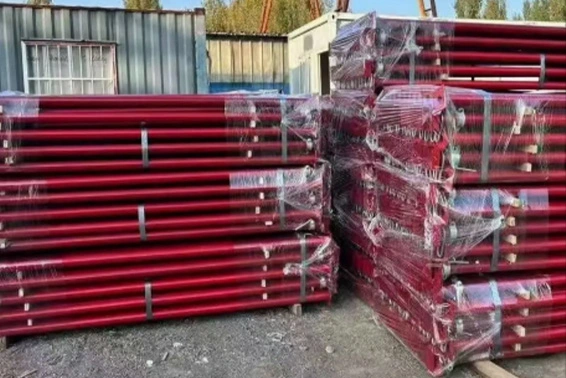
Understanding Adjustable Steel Props and Their Maintenance Needs
During the filling of concrete, adjustable steel props are the main part of temporary support systems. These devices give slabs and beams the ability to hold weight vertically. They also make sure that the formwork stays stable while the concrete cures so that the structure is exactly as planned. The engineering behind these props combines material science with mechanical accuracy. Telescopic tube designs let you change the height by millimeters using strong threaded mechanisms, which can account for uneven substrates without lowering safety margins.
Why Maintenance Matters for Your Fleet
Every construction project needs equipment that works well, but many procurement managers don't do regular maintenance on their equipment until it breaks down and delays the project. The truth is simple: adjustable steel props that are well taken care of keep their load capacity even after dozens of release rounds, while units that aren't taken care of quickly break down, causing safety issues and cost overruns. Regular checks find early signs of wear before they cause structural damage. This protects both workers and project plans.
Core Components Requiring Attention
Figuring out which parts are under the most stress helps maintenance workers do their jobs better. When the height is changed, the threaded adjusting collar is constantly rubbing against itself, which leaves it open to dirt buildup and thread wear. Base plates take in compressive forces and need to be checked for smoothness and weld strength. To keep the telescopic mechanism from binding, the interface between the outer and inner tubes must stay in the right place. Surface coats, like hot-dip galvanized, pre-galvanized, painted, or powder-coated ones, are the first line of defense against rust in the environment and need to be checked regularly to see if they are wearing off.
Linking Maintenance to Project Economics
Companies that are in charge of several construction sites at the same time have to make a strategic decision: they can either spend money on preventative maintenance or risk higher replacement costs and project delays. According to data from the industry, adjustable steel props that are well taken care of last more than 20 years, while units that aren't well taken care of fail within 5 to 7 years. This difference saves a lot of money on capital, especially for fleets that serve ongoing project pipelines in the home, commercial, and infrastructure sectors.
Common Maintenance Challenges and Causes of Wear
When used in tough conditions, even strong construction equipment can break down. By recognizing common patterns of failure, you can take action before small problems become safety issues for your adjustable steel props.
Corrosion in Harsh Environments
Steel support systems are still most likely to fail when they are exposed to moisture. Coastal building sites with salty air speed up oxidation, which attacks base metal through protection coatings. Climates with a lot of humidity make threaded devices rust, which locks down adjusting collars and lowers the accuracy of the load. The alkalinity of concrete adds another chemical challenge. Contact with wet concrete during pouring can damage the coating if the props aren't cleaned right away.
Mechanical Wear Patterns
As the extension and retraction cycles happen over and over, the adjustment threads wear down. This makes the inner and outer tubes move around. This looseness makes the load distribution less even, which could lead to quick collapse when the full design loads are applied. Tightening too much during installation hurts the threads by removing the thread peaks and lowering the contact strength. When things are dropped or pieces of equipment hit each other, they cause damage called impact damage. This is made up of localized stress concentrations and invisible cracks that spread through repeated loading cycles.
Coating Failure Modes
Breakdown of surface treatments happens in expected ways. When things hit, paint systems chip, leaving bare steel open to oxidation right away. Powder finish comes off when the base wasn't properly prepared during production. Even hot-dip galvanizing, which has a zinc thickness of 60–80 microns and is the most durable option, wears away over time at the points where it touches formwork beams and base plates. As soon as the covering stops being strong, corrosion quickly spreads under the leftover coating, weakening the tubes from the inside out.
Deformation from Misuse
When tubes are loaded beyond their stated limits, they become forever bent, which affects their ability to hold weight in the future. When you load something eccentrically, which means applying force away from the prop's vertical axis, it bends in ways that the design wasn't meant to handle. According to well-known engineering rules, props that are longer are more likely to buckle. This is because the slenderness ratio goes down with lower safe working loads. These deformations often look small when looked at directly, but they seriously compromise the safety of the structure.
Proven Maintenance Tips for Extending Service Life
Setting up regular repair plans for equipment changes its unreliability into something that can be predicted. These practices take very little money compared to the cost of repair, but they give a huge return by making your adjustable steel prop inventory last longer.
Regular Cleaning Protocols
Clean all areas of concrete residue, mud, and building waste after each project launch. Pay close attention to threaded adjustment tools because dry concrete can stop them from moving. For tough deposits, use wire brushes. But don't grind too hard, as that can damage protective coatings. Washing with water gets rid of alkaline concrete traces, but corrosion caused by water can't happen until the concrete is completely dry. This simple habit keeps things from building up, which speeds up wear.
Strategic Lubrication Practices
After cleaning, put the right kind of oil on the threaded collars and adjustment nuts. Most of the time, light machine oil works well because it stops rust and keeps threads running smoothly. Heavy greases tend to attract rough particles that speed up wear, so don't use them in dusty places. The regularity of lubrication depends on how often the equipment is used. For example, equipment that is used all the time should be oiled once a month, but for special projects, it may only need to be oiled before it is sent out.
Systematic Inspection Routines
Make regular inspection lists that cover the most important parts. Check tubes for dents, bends or cracks by looking at them and using a straightedge to do easy checks. Look for cracks or other signs of split in the welds around the base plates. Check the thread contact depth to make sure that the inner and outer tubes meet enough when they are fully extended. Check that the mechanisms for adjusting work smoothly and don't get stuck. Write down what you find so you can see how your equipment is breaking down over time and figure out which units need to be thrown away before they break.
Proper Storage Conditions
How you store props between jobs has a big effect on how long they last. When stored indoors, they are protected from the weather, which keeps the coatings in good shape and stops moisture from building up inside the tubes. If you have to store your items outside, make sure they are protected from water and keep the base plates from rusting. Props should be stacked horizontally and given enough support so they don't break under their own weight. Don't store them near chemicals that can damage them or in places with a lot of humidity that don't have air flow.
Load Testing Verification
Props keep their design capacity even after years of use thanks to regular load testing. Testing doesn't need expensive tools; just applying known loads and measuring the shift gives useful information about performance. Any props that show too much deflection or lasting damage after tests should be taken out of service. This step of verification finds damage that can't be seen with the naked eye. This stops catastrophic failures during important concrete pours.
Equipment purchased with superior specifications requires less intensive maintenance. At Hebei Xinjiuyi Construction Technology Co., Ltd., we create props to last through difficult multi-project lifecycles by including features that make maintenance easier and protect against common failure modes.
Comparison of Maintenance Practices Across Prop Types
Maintenance needs change depending on the type of support system being used. Knowing these differences helps people who buy things make smart choices about which adjustable steel props to buy that fits their needs.
Steel versus Wooden Support Systems
Traditional wooden shores need to be kept dry to stop fungal rot and changes in their shape. Unexpectedly, wood splits and loses its grain, so it needs to be replaced often. Steel alternatives get rid of all of these ways that living things break down. Pests can't damage metal props, and they won't split from impact loads or change size when the moisture level changes. This built-in steadiness means that service intervals are longer and performance is more reliable over time.
Adjustable versus Fixed-Length Props
Fixed-length supports don't have any moving parts, so they don't need to be maintained as often. But because they can't be adjusted, they're not very efficient and need a lot of different widths. Adjustable steel props put most of the wear and tear on threaded gears, but regular cleaning and greasing keep them working after hundreds of rounds. The operating freedom of adjustable systems is greater than the small amount of extra upkeep they need, especially for contractors who are in charge of a wide range of project types.
Coating System Comparisons
Hot-dip galvanizing is the best way to protect metal from wear and rust because it lasts the longest. This process metallurgically bonds zinc to steel surfaces, so even if the layer gets scratched, it won't come off. Pre-galvanized finishes offer some security at a lower cost, and they work well indoors or in mild conditions. Paint systems need the most upkeep because they need to be touched up after damage to keep their rust protection. Powder coating looks good and lasts longer, but it costs more at first. Long-term maintenance needs can be cut down by choosing the right surface treatment for the environment.
Brand-Specific Maintenance Considerations
Manufacturers pay different amounts of attention to making designs that are easy to maintain. High-quality manufacturers use sealed threads that keep debris out, strengthened base plate welds that keep them from breaking, and precision-machined tubes that keep them from binding. These changes in form affect how often and how hard it is to do maintenance. When looking at different providers, make sure you ask for detailed maintenance instructions and check to see if any design features make regular maintenance easier or harder for your specific needs.
Procurement and Supplier Considerations Related to Maintenance
Buying adjustable steel props has long-lasting effects on the costs of running a business. When you buy something smartly, you weigh the initial cost of ownership against the costs of upkeep over time.
Quality Indicators During Supplier Selection
Tube wall width directly affects how long something lasts. Props with 4.0 mm walls last longer and are more durable than those with 1.6 mm walls, but they cost more at first. Quality of the welds around base plates and adjustment mechanisms shows how well the parts were made; look for welds that are smooth, fully penetrate, and don't have any holes in them. Even coating and thickness show that the process is being controlled; uneven galvanizing shows that there are quality gaps that will shorten the service life. Ask for certificates of the materials that say they are made of Q235 or better steel grades, which will make sure they are strong and flexible enough.
Warranty Terms and Maintenance Support
Full warranties show that the company that made the product is confident in its durability. Check to see what failures are covered by warranties and what maintenance-related issues are not. Some providers teach their customers' employees how to do maintenance, which helps the tools last longer. When questions come up about proper maintenance methods or how to fix speed problems, having access to technical help is important. Suppliers who keep new parts on hand can fix things faster than those who need to replace the whole unit.
Bulk Purchasing versus Rental Economics
Large groups of equipment benefit from specialized repair infrastructure, such as storing spaces, cleaning tools, inspection procedures, and a collection of extra parts. Rental agreements give suppliers responsibility for maintenance, but they limit customization options and may make deployment less flexible. Owning tools is more valuable for businesses that have a steady flow of projects, while renting may be better for businesses that only need it sometimes, even if it costs more per use. This strategic choice should be affected by how well your organization can do maintenance.
Customization Impact on Maintenance
Standard items have set ways to keep them in good shape, and new parts are easy to find. Custom specs, like different lengths, coatings, or base plates, may need care instructions specific to the provider and limited access to substitute parts. When selecting non-standard configurations, weigh the benefits of customization against the possible problems that could arise with upkeep.
Xinjiuyi keeps detailed technical records for all of our product lines. These records include upkeep schedules, inspection standards, and troubleshooting guides that help users get the most out of their tools over many years of use. Our engineering team is ready to help you with maintenance problems that are unique to your business.
Conclusion
In conclusion, with proper care, adjustable steel props can be turned from throwaway items to long-lasting assets that provide great value. The steps described—systematic cleaning, strategic lube, normal inspection, proper storage, and regular load verification—take little time but keep expensive failures from happening too soon. The total cost of ownership is lower when you buy from quality manufacturers who make designs that are easy to maintain and provide a lot of support documentation. Organizations using these procedures say that the service lives are longer than 20 years, which cuts down on the need to replace capital much more often while still meeting strict safety standards for household, commercial, and building projects around the world.
FAQ
1. How often should we inspect our prop inventory?
Before each release, there should be a visual check to see if there is any visible damage, coating wear, and that the adjustment process goes smoothly. For adjustable steel props that are used regularly, full checks with measurements and records should happen every three months. For seasonal fleets, inspections should happen once a year. Props that are used in harsh circumstances, like seaside areas, being outside all the time, or heavy-duty industrial settings should be inspected carefully every month to catch early signs of increased wear.
2. What's the most effective rust prevention method?
The best results come from combining several strategies. Between projects, keep props inside or under waterproof covers. After each use, clean it well to get rid of the toxic concrete dust. Light machine oil should be put on threads and steel surfaces that are showing. For the best corrosion protection, choose hot-dip galvanized surface treatments when you buy new tools. Fix any damage to the coating right away with touch-up paint to stop rust from taking hold and spreading below the entire covering.
3. Can maintenance practices extend manufacturer warranties?
Many suppliers offer longer warranty periods for equipment that is part of recorded repair plans. This is because they know that proper care lowers the risk of failure. Keep thorough upkeep logs that show when things were cleaned, what was found during inspections, and what repairs were done. Some makers make it a condition of the warranty that the product be inspected once a year by authorized staff. Get in touch with your supplier to find out the specifics of the warranty and to find out if good maintenance habits qualify for coverage extensions beyond the standard periods.
Partner with Xinjiuyi for Reliable Adjustable Steel Prop Supply and Support
If procurement managers are looking for a reliable maker of adjustable steel props, they will find that Xinjiuyi offers more than just product supply. Our telescopic Q235 steel props come in lengths ranging from 1.7 m to 5 m and wall thicknesses ranging from 1.6 mm to 4.0 mm. They can be used for a wide range of projects, from residential construction to large-scale industrial facilities. We offer full customization services, including changes to the size, special surface treatments, and design advice based on the application. Our services are backed by ISO9001, ISO45001, and ISO14001 certifications that show we have strict quality management. Throughout the life of your equipment, our technical team will provide thorough upkeep instructions, inspection methods, and help with fixing problems. Get in touch with our experts at global@xjy8.com to talk about buying in bulk, look over our wide range of products, and find out how our dedication to customer satisfaction and 20-year product durability can help your building projects.
References
1. Johnson, M. (2021). Structural Temporary Works: Principles of Formwork Design and Construction Safety. London: Construction Press International.
2. Chen, W. & Liu, Y. (2020). "Corrosion Prevention Strategies for Reusable Steel Formwork Systems in Coastal Construction Environments." Journal of Construction Engineering and Management, 146(8), pp. 04020098.
3. British Standards Institution (2019). BS EN 1065:2019 - Adjustable Telescopic Steel Props - Product Specifications, Design and Assessment by Calculation. London: BSI Standards Publication.
4. Thompson, R. (2022). Equipment Management for Construction Projects: Procurement, Maintenance, and Fleet Optimization. New York: McGraw-Hill Construction Series.
5. Australian Standards (2018). AS 3610:2018 - Formwork for Concrete - Specifications and Testing Methods for Temporary Support Systems. Sydney: Standards Australia.
6. Martinez, L. & Singh, A. (2023). "Life Cycle Cost Analysis of Adjustable Steel Props: Maintenance Impact on Total Ownership Economics." International Journal of Construction Supply Chain Management, 13(2), pp. 47-63.