Adjustable Steel Prop Supplier Guide: How to Choose the Right One
How quickly your projects move forward depends on how well you choose the provider of your vertical shoring tools. To make the main choice, you have to look at manufacturers who know how to meet the technical needs of modern formwork systems and can keep the quality of large orders consistent. When you choose an adjustable steel prop supplier, you're starting a relationship that will have a direct effect on safety on the job site, the accuracy of the structure while the concrete cures, and the long-term cost-effectiveness of your fleet of equipment. This guide explains the main factors that procurement managers, project engineers, and distributors need to look for in suppliers who meet their operational needs and safety standards. These factors include manufacturing standards, load capacities, customisation options, and delivery reliability.
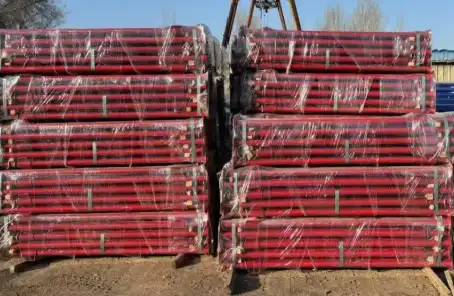
Understanding Adjustable Steel Props: Key Features and Uses
Vertical shoring systems have changed a lot since the days when they were made of wood. Modern flexible supports give complicated projects the accuracy and versatility they need.
What Defines a Quality Shoring Prop?
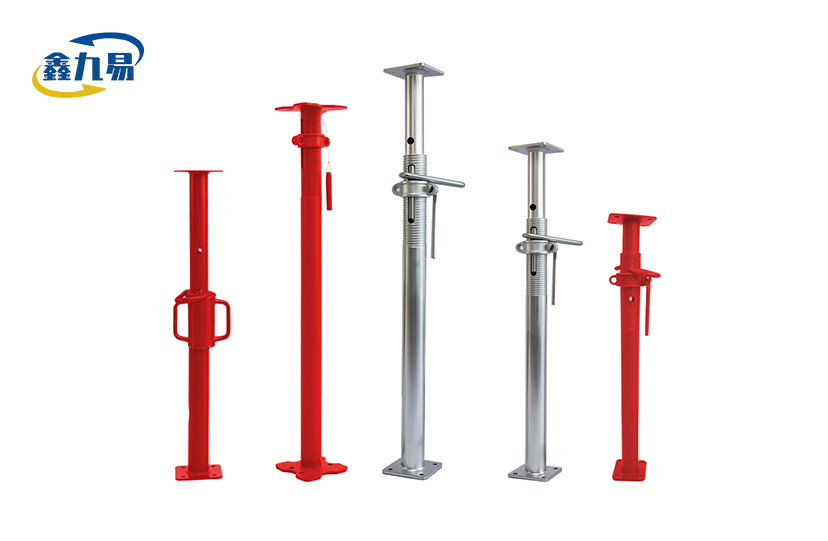
These support systems are made up of two steel tubes that fit together and have threaded mechanisms for adjusting them. Between 40 mm and 48 mm is the diameter of the inner tube, and between 48 mm and 60 mm is the diameter of the outer tube. Wall width ranges from 1.6 mm to 4.0 mm, and it is directly related to how much weight it can hold. This engineering lets the height be changed by millimeters even after the initial installation, which makes up for uneven substrates that happen in the field.
In its most basic form, the telescoping range is between 1.7 meters and 5 meters. Because of this, a single type of adjustable steel prop can be used for both low-ceilinged homes and large-scale industrial settings. Unlike options with set lengths, the ability to be adjusted means that you don't have to keep extras of different sizes for different floor-to-floor measurements.
Primary Applications Across Construction Types
Light-duty types are used for standard slab support during concrete pours in residential buildings. The props keep the formwork stable until the concrete meets its original strength. Depending on the weather, this process can take anywhere from seven to fourteen days.
Different problems come up in industrial sites. Factory floors often have bigger slabs and heavy loads from installing equipment. Heavy-duty props with walls that are 4.0 mm thick can handle the tough conditions in these places. When building a bridge, the span needs to be set up quickly in a small space. The folded length makes it possible to move the span through tight areas before it is extended to working height.
The ability to provide temporary support is helpful for renovation projects. When structural load lines are changed or new openings are made in existing buildings, these props are used as needling supports to keep brick walls stable while beam replacement work is done. This application shows that they can do more than just new construction.
Material Specifications and Surface Protection
Q235 carbon steel is the usual material because it has the best mix of strength and flexibility. This grade makes sure that the material doesn't buckle when compressed along its length, but it's still flexible enough to handle small forces on the side without breaking.
In tough settings, the service life depends on how the surface is treated. Hot-dip galvanising gives props a zinc covering that is 60 to 80 microns thick. This gives them better corrosion protection when they are exposed to water, alkaline concrete, and changes in temperature. Pre-galvanized finishes work well indoors and don't cost too much. Powder coating with heat-curing improves the look and durability of metal for projects that need specific color-identification systems.
Key Criteria for Choosing the Right Adjustable Steel Prop Supplier
Choosing a supplier is more than just picking a product. If your projects stay on plan, meet safety standards, and stay within budget, the connection is what makes the difference.
Manufacturing Standards and Certifications
Reliable suppliers utilize ISO 9001 quality management systems to standardize manufacturing processes. This license demonstrates documented procedures for material acquisition, welding inspection, dimension verification, and load testing. ISO 45001 accreditation demonstrates you care about worker health and safety, which is crucial when manufacturing construction worker protection products.
EN 1065 and AS 3610 product agreements guarantee flexible steel props fulfill well-known performance specifications. These rules specify the material's characteristics, weight-bearing capacity, and safety. Testing certifications from suppliers should demonstrate the maximum load a product can take via destructive testing. At least three times the safe working load.
Third-party inspection capabilities help determine an adjustable steel prop provider's reliability. Companies that allow SGS or TÜV audits are honest about their operations. This openness reduces purchasing risk, particularly with new vendors or distant sources.
Production Capacity and Scalability
Big infrastructure projects need vendors with large production capacities. If the facility can produce thousands of units each month, manufacturing issues won't delay orders. When comparing services, check their equipment. Robotic galvanizing systems and welding lines provide consistent coating thickness and weld quality.
Inventory management reveals how advanced your operations are. When suppliers carry conventional sizes, they can rapidly address urgent demands, but if they only offer "made-to-order," deadlines may be delayed. The ideal partner has a decent stock mix for typical needs and can manufacture bespoke measurements for non-standard applications.
A buffer for production orders should be included in lead time guarantees. A supplier that promises a quick delivery may be overcommitting, resulting in inferior quality or late shipments that delay your project. Being transparent about production timetables builds confidence and simplifies construction scheduling.
Technical Support and Customization Services
Engineering guidance distinguishes outstanding suppliers from transactional ones. After receiving formwork and load estimations, the provider's technical staff should review your needs and recommend prop setups. This service ensures the equipment you purchase meets your demands properly, so you don't waste money or jeopardize safety.
Customization goes beyond sizes. Projects near the seaside benefit from better galvanization. Websites with tight color-coding requirements need unique paint finishes. Suppliers that provide these modifications demonstrate flexibility and client concern.
Custom solutions should include detailed drawings for pre-sales support. Your team can verify that produced equipment works with site logistics and formwork systems via visual previews. Working together reduces misunderstandings and costly unnecessary effort.
Adjustable Steel Prop Comparison: Making an Informed Choice
Knowing how different support systems stack up against each other can help improve both safety and cost-effectiveness.
Adjustable Props Versus Fixed-Length Alternatives
Fixed steel shores are simple, but they can't be changed. When floor heights change from one project to another, you need to keep an inventory of set props in different lengths. This needs more storage room and makes operations more difficult. Since the height can't be fine-tuned after installation, shimming or cutting has to be done, which takes more time and work.
Because they can be adjusted so far, telescopic forms get rid of these problems. One type of prop can be used at different heights, which means your fleet of equipment doesn't need as much variety. The threaded mechanism makes levelling very accurate, which is especially helpful for renovations where the current floor levels don't always match the plan dimensions exactly.
The old-fashioned way, which is still popular in some places, is to use timber shores. At first glance, the material costs seem lower, but because they are only used once, they create ongoing costs. Timber also adds variation—unpredictable material properties mean that load capacities are also unpredictable. Standardized performance from adjustable steel props makes engineering math and safety planning easier.
Load Capacity Considerations Across Brands
Because of slenderness effects, safe working load values go down as extension length goes up. When a prop is fully extended, it can hold a lot more weight than when it is fully expanded. Good suppliers give detailed load charts that show how much weight can be carried at different heights. This lets you do accurate calculations for the structure.
The load capacity and longevity of a wall are directly affected by its thickness. Props with 1.6 mm walls are good for light household work, while props with 4.0 mm walls can handle heavy industry loads. If you know what your project needs, you won't buy equipment that isn't right for it or waste money on equipment that is too specific.
Design of the base plate affects how the load is spread. Welded plates using full-penetration methods and checking to get rid of any holes make sure the link stays strong even when it's under a lot of stress. A standardized tube shape in good props keeps the load evenly distributed and stops stress buildups that could cause the prop to break too soon.
Price-Performance Analysis for Long-Term Value
Buying equipment is only a small part of the total costs of owning it. Props that can be used hundreds of times are more cost-effective than cheaper ones that need to be replaced often. The composition of Q235 steel keeps its structural properties even after being put together and taken apart many times, so durability is an important factor to consider.
Reusability changes the way the investment is calculated. While wooden supports break down after just one use, steel props can be used in more than one project. Because the equipment lasts so long, the cost of each project goes down a lot over its useful life, which is usually decades if it is properly maintained.
When suppliers offer full guarantees, it shows that they are confident in the quality of their products. Longer warranty periods lower your risk and show that the seller is confident in the product's durability. This promise is important when broken tools could put jobsite safety or project plans at risk.
Procurement Strategies for Adjustable Steel Props
Decisions about strategic sources affect both the needs of the project at hand and the efficiency of operations in the long run.
Buy Versus Rent Decision Framework
When your company keeps the same number of projects, it makes sense to buy. When you own tools, you don't have to pay rental fees for multiple jobs, and you can use the props whenever you want without having to coordinate with rental companies. With proper care, the long service life (often more than twenty years) means that bought tools can be used for many tasks.
Rental works well for short-term needs or unique tasks that aren't normally your area of expertise. This method keeps you from having to buy expensive equipment that you won't use again and again. The rental company also takes care of maintenance, but this ease comes with ongoing costs that add up over the course of the job.
This choice is affected by fleet control issues. Companies that have set methods for maintaining and tracking their equipment get more value from their ownership. Companies that don't have this kind of equipment may find that renting makes things easier, even if it costs more in the long run.
Evaluating Wholesale Suppliers and Distributors
When order numbers are high enough, direct producer relationships can be helpful. Manufacturers offer scientific help from engineers who know how to make things and what the qualities of materials are. When you work closely with the source of production, customisation is easier to do. When you buy more, the price usually goes down because the costs of the marketing route go down.
Distributors are helpful for smaller orders or when different kinds of products are needed. They combine products from several manufacturers, making it easier to buy different kinds of construction equipment when your project needs them. Established wholesalers keep stock on hand so that orders can be filled quickly, and they often have a local service presence as well.
Closeness in space affects logistics and the quality of support. Shipping costs and delivery times are cut by adjustable steel prop suppliers with stores in the area. Being local makes it easier to visit the site for technical advice or to solve problems, which builds better working relationships than deals that happen far away.
Logistics and Delivery Considerations
How well containers are loaded affects how much it costs to ship goods internationally. Props that are made with the best packaging measurements can fit more in each container, which lowers the cost of shipping each item. Bundle packaging keeps goods safe while they're being shipped and makes moving and storing them easier when they get to your site.
As much as quoted lead times matter, so does how reliable the delivery timeline is. Suppliers who have a history of shipping on time can help your projects stay on track. Late deliveries mess up the order of construction, which could delay later trades and add costs to the whole project.
Payment terms show how confident and stable a seller is in your business. Being ready to share business risk can be shown by flexible arrangements like partial advance payment with the balance due on delivery or at certain milestones. When a company offers credit to long-term buyers, it shows that they value relationships over transactions.
Building Long-Term Partnerships with Adjustable Steel Prop Suppliers
Long-term ties with suppliers offer benefits that go beyond individual deals.
Communication and Performance Monitoring
Regular communication helps individuals grasp one other's expectations and skills. Every three months, delivery performance, quality metrics, and technical question response time are reviewed to improve things. This organized discourse prevents minor issues from escalating and damaging the project.
Knowing future project streams helps suppliers plan supply and manufacturing. Based on volume projections, they may allocate resources to fulfill your demands. Everyone benefits from transparency: supply security and more efficient manufacturing.
Feedback tools demonstrate a constant desire to improve. Adjustable steel prop providers may benefit from detailed observations regarding product performance and delivery procedures. Positive responses to feedback demonstrate that organizations are partners that seek to fulfill your evolving demands.
Custom Solutions and OEM Opportunities
Non-standard requirements demonstrate supplier innovation. Projects with unusual floor heights, lifting circumstances, or interface demands need imaginative engineering. Custom supplier solutions like size changes, material upgrades, and custom parts provide tough projects an advantage.
If you sell construction equipment or have your own brand, OEM agreements make sense. Manufacturing connections enable you use the supplier's manufacturing expertise to make props to your requirements and brand. This approach is ideal for equipment vendors creating a diverse product line.
Custom creation requires consideration of intellectual property problems. Clear agreements on design ownership, usage, and confidentiality safeguard both parties. These contract terms prevent miscommunication, which might damage excellent connections.
Staying Informed on Industry Advancements
Innovation in material science improves props. Higher-strength steel grades enable thinner walls to support the same weight. This saves weight without compromising safety. New technology-investing suppliers provide instruments that improve on-site working supplies.
New coatings prolong life in severe settings. Advanced powder coating and galvanizing processes prevent corrosion better than prior approaches. Suppliers who adapt to new ideas provide longer-lasting, cheaper goods.
Safety and technical expertise are evolving as industry requirements are updated. Suppliers that cooperate with standard-setting bodies assist make these adjustments and ensure compliance. This project exhibits competent advice and devotion to construction safety.
Conclusion
Getting vertical shoring equipment from the right provider is important for making sure that your building projects meet their safety, time, and cost goals. Props made with high-quality Q235 steel and the right surface treatments can stand up to the tough conditions of supporting concrete forms in home, commercial, and infrastructure settings. When you evaluate an adjustable steel prop supplier, you should look at their manufacturing standards, such as ISO certifications, production capacity to make sure deliveries are on time, and expert support to make sure that the specs fit the needs of your project. When you compare adjustable and set systems and look at the pros and cons of buying vs. renting, you can make sure that your procurement strategies are in line with your business plan. Long-term relationships based on open communication, tracking of performance, and a desire to come up with custom solutions add value to all of your projects. Picking suppliers who care about quality, innovation, and customer satisfaction saves the workers who depend on these tools and helps building work go more smoothly.
FAQ
1. What load capacity should I specify for different project types?
During pouring, live loads and the thickness of the slab determine how much weight is needed. Residential slabs that are 150 mm thick usually need props that can hold 15-20 kN at working height. For 300 mm thick industrial floors that hold heavy equipment, the load capacity may need to be 30 kN or higher. Always look at load charts that show how much weight can be supported at your specific extension height. This is because slenderness lowers the safe working loads at maximum extension. For your unique purpose, structural experts should check the prop spacing and capacity.
2. How do I verify a supplier meets international safety standards?
Ask for copies of test results from reputable labs that show they meet the requirements of EN 1065 or AS 3610. The final load testing results, a material makeup analysis that confirms the steel grade, and dimensional checks should all be included in these papers. Having ISO 9001 certification means that there are quality management systems in place. Inspection reports from third parties, like SGS, are a reliable way to make sure. Reliable providers are happy for you to visit their factories and see for yourself how they make things and check the quality of their work.
3. What maintenance extends prop service life?
Cleaning the threads on a regular basis keeps dirt from building up and making it hard for the adjustment device to work. Lubricant should be added to threaded parts on a regular basis, especially after being in a concrete splatter or acidic environment. Before each job, check the tubes for dents, deformation, or damage to the covering. Make sure the locking pins stay in place and that the base plates don't have any cracks in the weld. Keep props in a dry place to keep corrosion to a minimum. Good props can be used for twenty years or more with regular care, so spending the time to do this is well worth it.
Partner with Xinjiuyi: Your Trusted Adjustable Steel Prop Manufacturer
You can count on Hebei Xinjiuyi Construction Technology Co., Ltd. to give you reliable shoring solutions because they use modern manufacturing and a deep understanding of construction safety standards. Our props are made of Q235 high-strength steel and have flexible forms that can reach heights from 1.7 m to 5 m, so they can be used for a range of projects. There are many surface treatment options, such as hot-dip galvanising, that will give your environment the best corrosion protection. Our ISO 9001, ISO 45001, and ISO 14001 standards show that we care about quality, safety, and the environment. We offer full customization in terms of sizes, finishes, and load requirements, along with engineering support to make sure you get exactly what your projects need. We are your one-stop supplier for adjustable steel props because we can handle large orders and deliver on time, so you can keep your construction schedules. Talk to our team at global@xjy8.com about your needs and find out how Xinjiuyi's tools with a 20-year service life can improve the safety and efficiency of your job site.
References
1. Brown, D. (2021). Temporary Works Design: A Guide to Good Practice. London: Institution of Civil Engineers Publishing.
2. Chen, W. and Lui, E. (2019). Structural Stability: Theory and Implementation in Steel Construction. Amsterdam: Elsevier Science.
3. European Committee for Standardization (2018). EN 1065:2018 - Adjustable Telescopic Steel Props: Product Specifications, Design and Assessment. Brussels: CEN Publishing.
4. Hurd, M. (2020). Formwork for Concrete: Specifications, Standards, and Best Practices (8th ed.). Farmington Hills: American Concrete Institute.
5. Richardson, J. (2019). Construction Safety Engineering Principles: Designing and Managing Safer Job Sites. New York: McGraw-Hill Professional.
6. Standards Australia (2017). AS 3610:2017 - Formwork for Concrete: Design Criteria and Testing Methods. Sydney: Standards Australia International.