Working Canopy for Carpenters: A Complete Guide for Construction Professionals
A carpenter working canopy is a standardized protective shelter engineered specifically for woodworking machinery operations on active construction sites. It shields timber cutting zones, formwork fabrication areas, and lumber staging stations from weather, dust, and wood chip splatter. Built from high-strength steel with fire-retardant cladding, these structures meet civilized construction acceptance requirements across multiple regulatory frameworks. This guide walks procurement managers, safety directors, regional distributors, and OEM buyers through everything they need to know — from material selection to supplier evaluation — so every purchasing decision delivers measurable site safety returns.
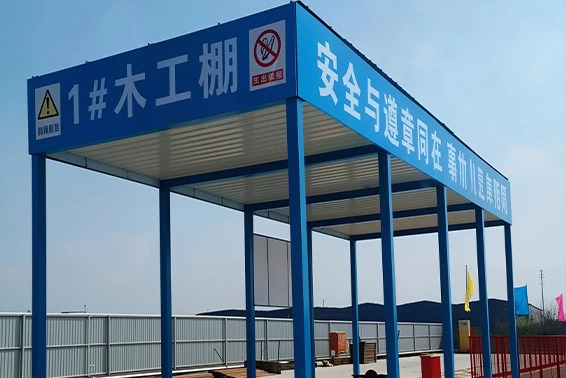
Understanding Carpenter Working Canopies: Designs, Materials, and Benefits
What Sets a Professional Woodworking Shelter Apart?
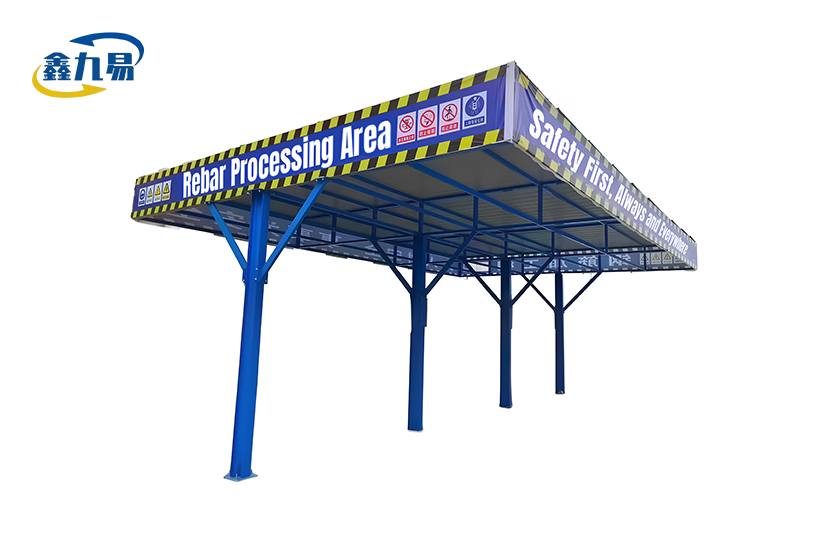
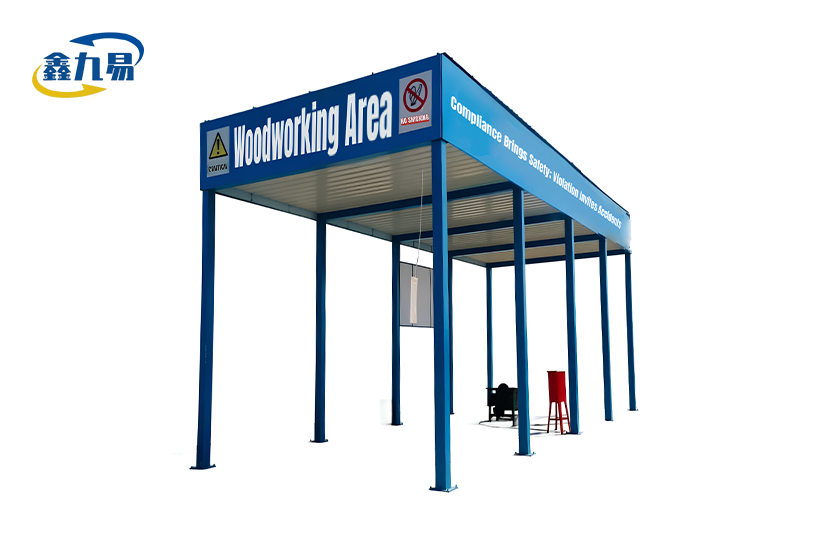
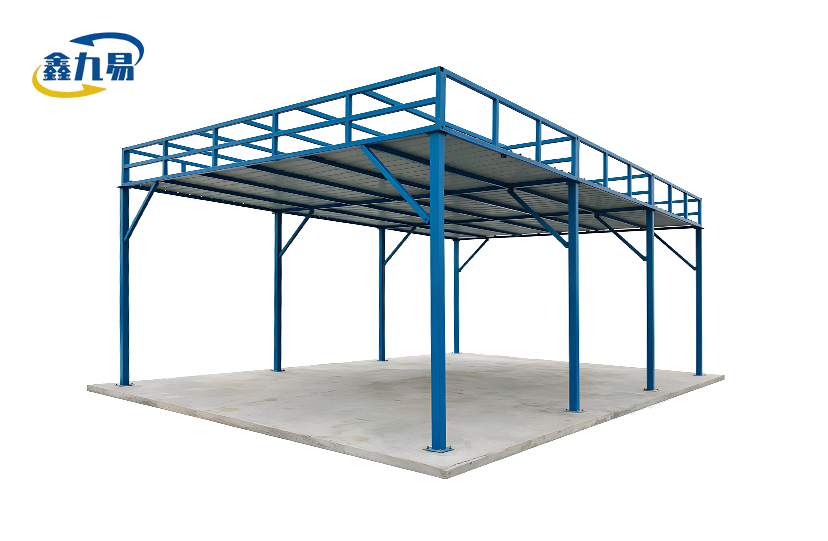
A carpenter working canopy for woodworkers on the job site is not just a tent or blanket. It is a specially designed cage that is rated for its ability to hold weight, fight fire, and keep its shape. The two-column steel frame, which usually has columns that are 100 mm by 100 mm and walls that are 2 mm thick, evenly spreads the weight above and holds the side braces in place against wind pressure. The roof and sidewalls have fire-resistant panels that meet NFPA standards for construction sites nearby. This means that the building is legal for both the timber processing and formwork fabrication zones.
Long-term value is shaped by the things you choose. When it comes to load-bearing and shock protection, national-standard high-strength steel works better than lighter alloys. Professional electrostatic painting makes a surface that doesn't rust and can handle long periods of rain and changes in temperature without breaking down. This is important for structures that are meant to last through multiple project stages.
Here are the main structural perks that buying teams always put first:
- Noise and dust containment: The enclosed two-sided design keeps sawdust and wood chip debris inside a clear area, protecting nearby work areas and lowering the risk of respiratory illness for workers nearby.
- Weather-independent productivity: Because the overhead covering is rated for prolonged precipitation, circular saws and table saws can keep working even when it rains, which saves money on delays caused by bad weather.
- Fire safety compliance: Cladding that is both fire-resistant and non-flammable meets the requirements of site inspection checklists for civilized construction acceptance. This lowers the risk of having to do expensive rework or failing evaluations.
These benefits directly address the biggest problems on large building sites, such as unexpected downtime, the risk of getting a safety ticket, and the damage that moisture does to materials.
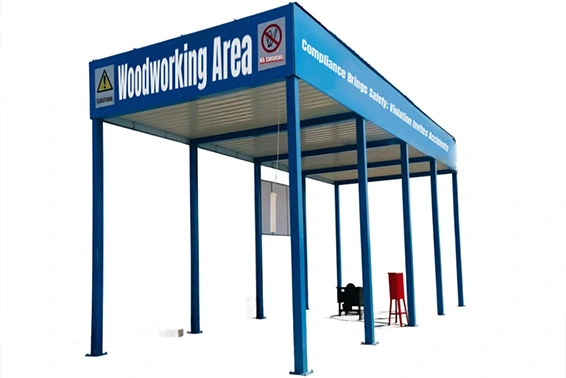
How to Build and Maintain a Carpenter Working Canopy (DIY and Professional Insights)?
Structural Dimensions and Assembly Logic
The standard length of a carpenter working canopy is 6000 mm, and its width can be 3000 mm, 4000 mm, or 6000 mm. The clear height is 3700 mm. These sizes allow for tall formwork panels, high storage for lumber, and the working range of industrial cutting tools. The bolt-connection modular assembly system makes installation much faster and easier. The unit can also be taken apart and moved as site layouts change, which is very helpful for projects that are being built in stages.
Weatherproofing and Routine Maintenance
A strict inspection plan is needed for long-term operation outside. Weld stability at column-to-beam joints, coating state on uncovered horizontal surfaces, and the seating of fire-retardant panel fasteners should all be checked once a month. Any scratches or scrapes on covered steel should be fixed right away to stop rust from starting. After high winds, panels should be checked for small cracks, and bolt-connection nodes should be re-torqued after every move cycle.
When non-standard widths or custom heights are requested, professional installation guidance from the manufacturer can help avoid the measurement mistakes that often lead to failed site acceptance inspections.
Comparing Carpenter Working Canopy Options: Materials, Types, and Use Cases
There are a lot of different canopy configurations on the market, and there is a big performance gap between them. Here is a structured comparison of the main choices that B2B procurement teams have:
- Steel-frame fixed canopy: This type of canopy can hold the most weight and lasts the longest, so it is the best choice for permanent wood processing stations on big residential and public building projects. The steel-frame design from Xinjiuyi is said to last up to 20 years.
- Modular bolt-connected canopy: Offers both structural rigidity and the ability to be moved easily. This is perfect for general builders who are in charge of multiple sites at the same time, because the same fleet of canopies can be used for each part, which spreads out the cost of the initial investment.
- Lightweight portable shelter: Suits short-term home trim work or cabinet installation stage. Lower structural ratings make it less suitable for places where a lot of wind blows all the time or where trees are being cut down for a living.
Canopies that are made to order can cover sites that don't have standard shapes that prefabricated units can't handle. On the other hand, the precision fit means longer lead times and higher unit costs, but it also gets rid of the installation friction that often fails safety inspections. When purchasing managers have to balance tight budgets with the risk of not meeting regulations, a modular carpenter working canopy that can be customized at the plant is often the best value for money.
Procuring the Right Carpenter Working Canopy: A B2B Purchasing Manager's Guide
Defining Requirements Before Engaging Suppliers
A lot of time is saved by having clear paperwork of specifications before reaching out to suppliers. Some important things to think about are the intended use zone (for example, cutting timber, making forms, or putting up lumber), the required coverage footprint, the height limits at the site, the documentation needs for fire ratings, and whether or not multilingual safety signs are required by local law or the project contract for your carpenter working canopy.
Evaluating Supplier Reliability
The review of a supplier should include more than just unit price. Some important things to look at when judging a company are their ISO certifications (Xinjiuyi has ISO 9001, ISO 45001, and ISO 14001 certifications), how much they can produce compared to your volume timeline, and whether they offer professional help after delivery for installation and inspection guidance.
When regional distributors look at wholesale supply partnerships, they should also look at the supplier's policies on territory protection, lead times for standard specifications, and how quickly they can handle custom fabrication orders. When looking for branded woodworking shelter systems, OEM buyers should check the supplier's sample proof process, NDA rules for secret drawings, and their ability to make large-scale warning labels in multiple languages.
Ensuring Long-Term Success with Your Carpenter Working Canopy
Inspection, Repair, and Scalability
To get the best return on your investment, you need to think of the carpenter working canopy as an asset that needs to be handled instead of a product. An inspection plan that checks structural welds, surface coating integrity, fastener torque, and the condition of fire-resistant panels every three months makes the reliable service life much longer than the average in the industry. When parts are no longer useful, the flexible design of bolted-together steel systems lets you change only the broken parts without taking the whole structure apart.
With modular systems, it's easy to increase the size of the canopy as the project gets bigger; more bays can be added along the length of the framework without having to replace it. Teaching site teams safe ways to work inside the enclosure, like where to put the dust collectors and how far away they should be from other equipment, makes sure the structure works as it should during its deployment.
Conclusion
A good carpenter working canopy isn't an extra cost; it's an advantage for safety, a productivity booster, and a long-term investment in capital. Built with steel, these fire-rated and carefully crafted buildings are very useful for many tasks, like cutting wood, making forms, and storing lumber. Whether your goal is to meet safety standards at a single site, improve regional distribution efficiency, or grow your OEM brand, making sure that the canopy design fits the application is what makes the difference between a smart purchase choice and an expensive one. Every unit comes with certified manufacturing standards and full project support from Xinjiuyi.
FAQ
What is the most durable material for an outdoor woodworking shelter?
National-standard high-strength steel with a professional electrostatic spray finish is the best choice for outdoor use because it can hold more weight and won't rust. In long-term outdoor building settings, steel structures of a carpenter working canopy with a 20-year service life fare much better than options made of wood or lightweight alloys.
How do I determine the right canopy size for my job site?
Add at least 1000 mm of operational space on all sides of your biggest piece of stationary equipment, which is usually a table saw or radial arm saw. Most layouts can be fit by standard widths of 3000 mm, 4000 mm, or 6000 mm, and makers like Xinjiuyi can make custom measurements for plans that aren't standard.
Can a carpenter working canopy be relocated between project phases?
Yes. Modular designs with bolt connections are specially made to be taken apart and moved. For accurate reassembly, each part is numbered, and for most combinations, the process can be done with normal hand tools instead of special lifting equipment.
What fire safety documentation should I request from a supplier?
Ask for material test reports that prove that all panel parts are fire-resistant, as well as the manufacturer's compliance statements that list the safety standards that apply to building sites in your area.
Does Xinjiuyi support OEM branding on canopy structures?
Xinjiuyi offers full OEM customization, which includes brand colors, adding the company logo to the coating specifications, and making safety signs in multiple languages. During the production process, NDA deals keep secret design documents safe.
Partner with Xinjiuyi for Your Next Carpenter Working Canopy Project
The carpenter working canopy supplier in Xinjiuyi can help with all kinds of purchases, from safety directors looking for standard, compliant facilities for a single project to regional distributors building a reliable supply chain to international OEM buyers needing branded woodworking shelter systems. Our ISO-certified factory in Cangzhou, Hebei, combines precise steel fabrication with quick response times for customization and on-time delivery. You can email our global buying team at global@xjy8.com or go to xjy8.com to get samples, specs, or a quote that is tailored to your project.
References
1. Construction Industry Institute. Best Practices for Temporary Structures on Construction Sites. 2021.
2. National Fire Protection Association. NFPA 241: Standard for Safeguarding Construction, Alteration, and Demolition Operations. 2022.
3. Occupational Safety and Health Administration (OSHA). Construction Industry Standards: 29 CFR Part 1926. U.S. Department of Labor, 2023.
4. American Institute of Steel Construction. Steel Construction Manual, 16th Edition. 2023.
5. International Organization for Standardization. ISO 9001:2015 Quality Management Systems — Requirements. 2015.
6. Building Research Establishment (BRE). Site Safety Simplified: Temporary Works and Protective Structures. 2020.