Stainless Steel Recessed Manhole Cover Buying Guide: Applications, Load Ratings, and Prices
When selecting Stainless Steel Recessed Manhole Cover infrastructure access solutions for municipal projects, commercial plazas, or high-end residential developments, understanding the specifications and performance characteristics of recessed access covers becomes essential for project success. This buying guide addresses the critical factors procurement managers and engineers must evaluate when choosing enterprise-grade underground access systems—focusing on application suitability, structural load classifications, material grades, and supplier reliability to ensure both safety compliance and aesthetic integration across diverse construction environments.
Understanding Stainless Steel Recessed Manhole Covers
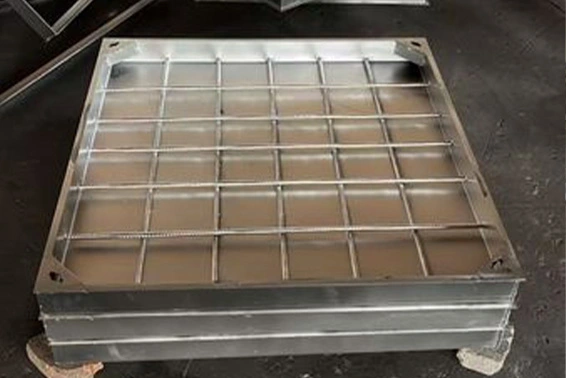
The usual cast iron access covers have been replaced by Stainless Steel Recessed Manhole Covers. These special units have an inset tray design that can hold surface materials like tiles, pavers, granite, or asphalt. This makes the change from flooring finishes to utility entry points almost unnoticeable.
Core Design Features and Standards
The recessed tray is what makes it unique. It has a depressed cavity that is between 60mm and 100mm deep and is designed to hold infill materials that match the surfaces around it. This gets rid of the visual mess that comes with covers that stick out, but it still lets you get to underground services like sewage systems, stormwater drains, electrical lines, and communication networks.
Safety and structural integrity are controlled by manufacturing standards. The EN 124 grading system divides covers into groups from A15 (for walking areas and up to 1.5 tons of weight) to D400 (for high-traffic roads and up to 40 tons of weight). AASHTO standards give infrastructure projects in North America a way to be grouped together that is similar. Meeting these certifications makes sure that the covers you choose will be able to handle the expected traffic without breaking.
Composition has a big effect on how long something lasts and how well it works. Grade 304 stainless steel has 18% chromium and 8% nickel, which makes it very resistant to rust in most situations. Grade 316 adds 2 to 3 percent molybdenum, which makes it much more resistant to chlorine attack. This is very important for sites near water or in places where chemicals are present. Xinjiuyi makes covers out of both types of steel, as well as 201 stainless steel for projects that need to be cheap and will only be exposed to mild environmental conditions.
Performance Benefits That Matter
The main benefit is that it doesn't rust or corrode. Instead of rusting and weakening over time like cast iron does, stainless steel stays strong for decades. This durability is very important in places where chemicals run off, there is a lot of water, or when salt is used for winter maintenance.
Load-bearing capacity is the result of engineering design and the strength of the material. The frame structure evenly spreads weight, so it doesn't bend even when big vehicles drive over it over and over again. Precision manufacturing within a ±0.5mm tolerance makes sure that the parts fit properly and stops the rattling that happens with alternatives that don't fit right.
Esthetic integration turns utility access from an annoyance into equipment that you can't see. The recessed form works with building finishes, so it can blend in perfectly with marble halls, granite plazas, decorative pavers, or asphalt roads. This feature solves a problem that architects and developers have been having for a long time: finding functional solutions that don't go against the design vision.
Applications and Industry Use Cases
Procurement professionals can justify investments and choose the right configurations when they know where Stainless Steel Recessed Manhole Covers deliver the most value.
Municipal Infrastructure Deployment
For urban growth projects to go smoothly, they need to be able to reach underground utilities and keep the roads in good shape. Stainless Steel Recessed Manhole Covers that are set back into city streets make it easy to check on sewage mains, stormwater systems, water supply lines, and utility cables. The ability to resist corrosion means that it will last for decades, even after being exposed to deicing chemicals and changing temperatures.
D400-rated covers that can handle heavy commercial cars without damaging the structure are especially helpful in traffic control zones. Compared to standard covers, the flush surface design lowers noise and vibration, making life better in private areas while still allowing utilities to get to them.
Commercial and Retail Environments
Shopping malls, hotel lobbies, and business atriums need options that keep the look of high-end flooring. By putting in Stainless Steel Recessed Manhole Covers, you can match the marble, porcelain, or terrazzo finishes around the access points for utilities, making them almost invisible. This use includes outdoor plazas, where granite or colorful tiles make walking areas that flow together.
Controlling smells is another important thing to think about. Integrated EPDM or silicone gaskets provide airtight sealing, keeping sewer gasses from entering occupied spaces—this is a must for keeping places where customers and guests gather pleasant.
Specialized Industrial Applications
Facilities that process chemicals and structures along the coast are both at risk of severe corrosion. Stainless Steel Recessed Manhole Covers made of Grade 316 stainless steel don't break down when they come in contact with acids, alkalis, and places that are high in salt. Covers that keep chemical spills from happening and make it safe for maintenance workers to get to the plant are useful for manufacturing plants.
Materials that don't rust in saltwater are needed for marine sites like ports, shipyards, and coastal projects. The molybdenum in Grade 316 stops the pitting and crevice rust that happens in coastal environments. This protects investments in infrastructure over longer service lives.
These real-life examples show how choosing the right material, knowing how much it can hold, and designing it in a certain way can work together to solve problems in a variety of fields. Knowing the specific needs of your project helps you make specification choices that balance performance, looks, and lifecycle costs well.
How to Choose the Right Stainless Steel Recessed Manhole Cover
To make smart buying choices, you need to look at a lot of technical and business factors that affect both the short-term needs of the project and its long-term performance.
Load Rating Selection Criteria
Matching load classification to real-world driving situations keeps things from breaking down too soon and makes sure safety rules are followed. Pedestrian-only areas usually need A15 ratings, while mixed-use areas where vehicles sometimes go need B125 ratings. Heavy business routes need D400 standards, and roads with a lot of vehicle traffic need C250 ratings.
Project engineers should look at both the current situation and plans for the future to see how traffic will flow. Understating the load capacity increases the risk of responsibility and the cost of replacement, while overstating it raises the cost of purchase without being necessary.
Material Grade Considerations
The right types of stainless steel depend on how they will be used. Grade 304 works well in standard commercial and municipal settings because it is resistant to corrosion and doesn't cost too much. For projects less than five miles from the coast, Grade 316 should be used to keep saltwater from breaking down the concrete. Chemical plants, food processing plants, and pharmaceutical facilities all need Grade 316 to protect against aggressive substances.
Sometimes, limited funds force important choices. Grade 201 stainless steel has a reasonable resistance to rust and is good for use inside or in climate-controlled places where it won't be exposed to much. When you know about these changes in material performance, you can find a balance between cost and the needs for life that are unique to each installation site.
Comparative Material Analysis
At first glance, cast iron alternatives may seem like a good deal, but they rust and need to be replaced every 10 to 15 years under normal conditions. The lower initial investment is canceled out by the costs of replacement, the delays in traffic, and the possibility of being sued if the structure fails.
Although composite covers are lighter and less likely to be stolen, they are not structurally strong enough for heavy-load uses. In outdoor settings, service life is limited by surface damage caused by UV light and changing temperatures.
Stainless Steel Recessed Manhole Covers cost more at first, but they last 20 years or more with little upkeep. Total cost of ownership is better for quality-focused organizations when structural strength, corrosion resistance, and esthetic flexibility are all combined.
Procurement Planning Factors
Lead times for custom sizes and weights are usually between 4 and 6 weeks, but can be longer based on the manufacturer's workload and the complexity of the order. Standard versions may be shipped within two to three weeks, which helps projects move faster. Customization is often worth it when you order in bulk and get price breaks for doing so.
Different manufacturers have different minimum order amounts. It can handle both big infrastructure projects and smaller, more specific ones. Xinjiuyi lets you customize things by giving you specific sizes, shapes, and design elements that are built right in. This allows for a wide range of project needs to be met without having to compromise on specifications or keep too much inventory on hand.
Installation, Maintenance, and Longevity Tips
When you install and maintain things the right way, they work better and last longer, protecting your infrastructure investments.
Installation Best Practices
Preparing the surface is the first step in making sure that the fit and function are right. The opening must have enough support around the whole edge, and the substrate must be able to hold the expected loads without sinking. To avoid binding and make sure the frame works smoothly, it needs to be installed level and within a ±2mm tolerance.
To prepare a recessed tray, you have to choose the right infill materials that match the finishes of the surrounding areas and are strong enough. Tile and stone installations are usually held up by mortar beds or concrete backing. Before putting traffic loads on the cover, the filler material should be completely dry. This will keep the cover from shifting or breaking.
Testing the lifting device makes sure that repair workers can easily get to underground utilities. Lifting holes or T-bar sockets that are built in should work smoothly and not get stuck. Anti-theft designs that need special tools strike a balance between security and the need for allowed entry.
Maintenance Protocols for Extended Service
Regular cleaning gets rid of dirt and other things that could get in the way of proper draining or sitting. Inspections are done every three months to check for frame movement, gasket strength, and the state of the surface material. These preventative steps find small problems before they get worse and need expensive repairs or put people in danger.
Monitoring for corrosion is mostly used for Grade 304 systems that are in tough places. Surface darkening or pitting means the material has been exposed to more than it can handle, which could mean it needs to be upgraded to Grade 316 standards during replacement rounds.
Testing the integrity of the seal stops smells from escaping and water from getting in. If a gasket shows signs of compression set or breaking, it needs to be replaced to keep the airtight performance. Depending on the conditions of weather and the amount of traffic, this repair period usually lasts for 5 to 7 years.
Troubleshooting Common Issues
Frame deformation of Stainless steel decorative manhole cover is generally caused by not enough support for the base or damage from an accident. Fixing problems with settlement and making sure load levels are correct stop them from happening again during repair.
When the cover and frame are not lined up correctly, it makes operations harder and raises safety concerns. This problem usually happens because the frame moves because the ground has settled or the fitting wasn't done right the first time. The problem can be fixed by fixing problems with the base and replacing the frames according to the right instructions.
Damage to the surface material inside the hollow tray can be caused by not enough backing, choosing the wrong material, or contact. To fix something, you have to take out any damaged infill, check the integrity of the backing, and then reinstall the right materials using the right methods.
Trusted Brands and Suppliers – Choosing a Reliable Partner
The quality of the products, the dependability of delivery, and the level of professional help all have a big effect on how well a job turns out.
Manufacturer Evaluation Criteria
Quality marks are direct proof of how well a product is made. ISO 9001 certification shows that quality management is systematic, and ISO 45001 certification proves that health and safety processes at work are in place. Getting ISO 14001 approval shows that you care about environmental management. These international standards make sure that production processes are always the same and that products can be trusted.
The ability to meet tight deadlines for large sales depends on the manufacturing capacity. Precision laser cutting, automatic welding systems, and a wide range of testing tools are used in factories to make sure that the products are of high quality and have accurate measurements. Advanced manufacturing technology is used at Xinjiuyi's Cangzhou plant to make sure that key dimensions are within ±0.5mm of each other. This ensures that the parts will fit correctly when they are installed in the field.
Customization features let you meet the unique needs of a project that normal goods can't. Having engineering teams that can make detailed drawings and help with design is very helpful when coming up with specifications. Manufacturers who care about their customers' success can handle custom sizes, load rates, and integration features, which sets them apart from those who only sell catalog goods.
Supply Chain Reliability
Performance in on-time delivery protects project schedules and stops costly delays. Looking at a supplier's past work through case studies and references shows trends of dependability. Well-known companies keep common parts in stock, which cuts down on lead times for standard configurations and makes shipping plans more reliable.
For international projects, being able to handle global logistics is important. Cross-border deals go smoothly when people know how to handle customs processes, fill out the right paperwork, and organize freight forwarding. By combining orders in bulk and making the best use of containers, shipping costs per unit can be cut, which is good for the overall project's finances.
Having access to technical help adds value beyond just delivering a product. Access to installation instructions, troubleshooting help, and care suggestions helps property managers get the most out of their assets. Manufacturers who want to keep customers for a long time offer responsive help throughout the span of a product.
Conclusion
When choosing the right Stainless Steel Recessed Manhole Covers, you have to think about technical needs, the surroundings, how the covers should look, and your budget. Procurement professionals can choose solutions that meet both short-term project needs and long-term performance goals by knowing about load classifications, material grades, and application suitability. Because they don't rust, keep their shape, and can be designed in a variety of ways, Stainless Steel Recessed Manhole Covers are a great investment for public, private, and industrial structures.
FAQ
How do load ratings align with traffic standards?
EN 124 groups things into categories that go from A15 (1.5 tons for walking areas) to D400 (40 tons for heavy roads). AASHTO sets guidelines that are similar for projects in North America. Match the load rating to the actual traffic patterns, taking into account both the number and weight of vehicles. Talking to structural engineers can help you make sure that the standards are right for places with a mix of uses or special traffic conditions.
Which stainless steel grade suits coastal installations?
Molybdenum in Grade 316 stainless steel stops pitting erosion in places with a lot of salt. This standard is necessary within five miles of the ocean or in places where road salt is used for winter maintenance. Grade 304 is good enough for places in the middle of nowhere that don't get much chemical contact. It saves money in situations where better corrosion protection isn't needed.
Can covers accommodate irregular shapes?
Custom fabrication is used for shapes and sizes that aren't standard. Manufacturers like Xinjiuyi help engineers come up with answers for opening forms that are round, rectangular, or not quite right. Custom orders usually need technical models and longer wait times than standard goods, but they allow for proper integration when catalog items can't meet the needs of the project.
Partner with Xinjiuyi for Superior Infrastructure Access Solutions
Hebei Xinjiuyi Construction Technology Co., Ltd. delivers enterprise-grade Stainless Steel Recessed Manhole Covers engineered for demanding infrastructure applications. Our ISO-certified manufacturing facility in Cangzhou produces stainless steel manhole covers meeting EN 124 and international safety standards, with customization capabilities addressing unique project requirements. Whether specifying Grade 304 or 316 material, standard or custom dimensions, our engineering team provides technical support from initial design through installation guidance.
Procurement managers seeking a reliable Stainless Steel Recessed Manhole Cover supplier benefit from our 20-year product service life, precision manufacturing within ±0.5mm tolerance, and flexible order quantities supporting both large-scale contracts and specialized applications. Contact our team at global@xjy8.com or visit xjy8.com to request detailed specifications, competitive bulk pricing, and technical consultation for your upcoming infrastructure projects.
References
1. British Standards Institution. (2015). Gully Tops and Manhole Tops for Vehicular and Pedestrian Areas – Design Requirements, Type Testing, Marking, Quality Control. EN 124 Standard Series.
2. American Association of State Highway and Transportation Officials. (2018). Standard Specifications for Highway Bridges: Section on Drainage Structures and Utility Access.
3. Gedge, Graham. (2008). "Structural Uses of Stainless Steel in Construction." The Structural Engineer, 86(14), 27-35.
4. International Stainless Steel Forum. (2017). Stainless Steel in Municipal Infrastructure: Performance and Lifecycle Cost Analysis.
5. National Association of Corrosion Engineers. (2019). Corrosion Resistance of Stainless Steel Alloys in Urban and Marine Environments: Technical Report.
6. Construction Industry Research and Information Association. (2016). Specifying Underground Access Covers for Urban Infrastructure: Best Practice Guidelines.