How to Choose the Best Construction Ladder Cage
You need to make more than quick decisions to choose the right vertical access solution for your construction site. In high-risk environments like deep excavations, bridge piers, and high-rise structures, a Construction Ladder Cage acts as an enclosed safety system to prevent backward falls during ladder ascents. To pick the best option, you need to look at things like building codes, how long the structure will last, the conditions of the site, and how much it will cost in the long run. This guide shows you tried-and-true methods that project managers, safety officers, and buying managers use to make sure that Construction Ladder Cages are safe for workers and meet international safety standards.


Understanding Construction Ladder Cages and Their Importance
What Defines a Reliable Safety Enclosure System
Vertical ladder safety enclosures are made up of horizontal hoops and vertical bars that form a safe climbing tunnel. By physically limiting workers as they go up and down, these structures lower the risk of falls. Unlike traditional open stairs, enclosed systems give workers psychological support and physical hurdles that catch them if they lose their balance. In places where there is wind, vibration from big equipment, or wet areas like those found in foundation pit work, this difference is very important.
Regulatory Compliance Across Global Markets
Contractors who work across countries must follow OSHA 1910.28, EN ISO 14122-4, and state safety rules at all times. Safety inspectors carefully check that Construction Ladder Cages meet the required opening sizes, hoop spacing, and load-bearing capacities. Equipment that doesn't follow the rules can cause delays in projects, fines, and more liability. In addition to keeping you from getting fined, approved enclosures show clients and insurance companies that your company cares about worker safety, which boosts your image during competitive bidding processes.
Impact on Workforce Confidence and Productivity
Ascending unprotected ladders in deep excavations or next to high bridge piers puts workers under a lot of stress, which slows them down and makes them more likely to make mistakes. This mental block is taken away by enclosed ladder systems. Crew members move between levels of work with confidence, which cuts down on the time wasted on hesitation and boosts the overall efficiency of the work flow. This increase in productivity, along with fewer work stoppages due to injuries, gives measured results that cover the cost of the initial equipment purchases.

Core Criteria for Choosing the Right Construction Ladder Cage
Structural Configuration: Fixed Versus Modular Systems
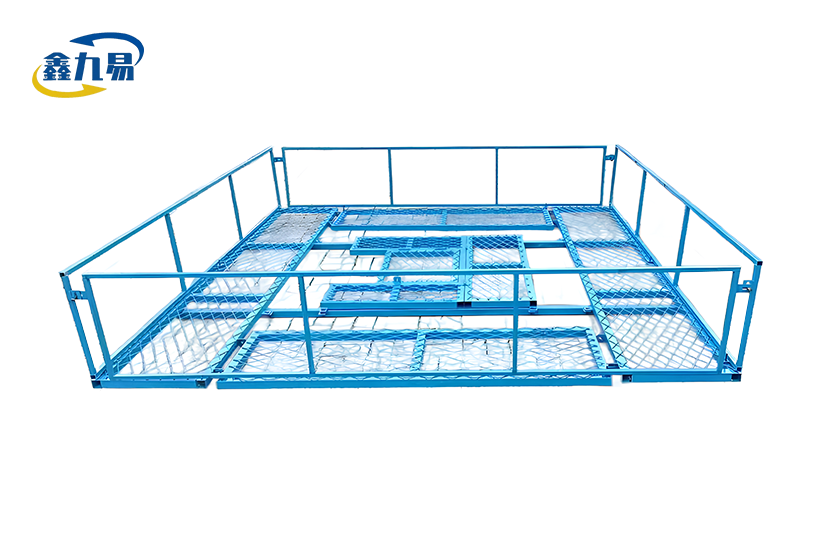
Permanent installations work well for places that need to be accessed regularly for long periods of time, like factories or long-term infrastructure projects. These welded parts are very stiff, but they are not flexible. Modular designs that can be bolted together meet the needs of workers who are working on multiple jobs at the same time. Strong nodes join the sections, which lets the team change the height arrangements as the excavation gets deeper or the building floors rise. The modular approach made by specialised companies comes with 3000 mm standard sections that can be made to fit any size project. This makes it easy to set up quickly for a variety of projects.
Material Selection and Environmental Resistance
High-strength galvanised steel is used a lot in building because it can hold more weight and doesn't rust. Hot-dip galvanisation adds a zinc coating that is thicker than 85 microns, which keeps metal from rusting even in damp tunnels or areas near the coast where salt spray is common. The material can handle wide ranges of temperatures and keeps its shape even when exposed to UV light all the time. Aluminium alternatives are lighter for temporary installations, but they don't have the impact strength that is needed in building zones where equipment often hits safety structures.
Dimensional Accuracy and Ergonomic Design
Standard cage widths in a Construction Ladder Cage start at 2000 mm, which gives workers wearing safety belts and holding tools enough shoulder space. Column tubes that are 80 mm x 80 mm and have walls that are 3.0 mm thick give the structure the rigidity it needs to withstand lateral wind loads without being too heavy. Platform treads need surfaces that don't slip. This is usually done with a 2.0 mm chequered plate that stays in place even when it's wet or covered in mud. A protective mesh with a 75 mm opening size keeps dropped tools from going through and lets managers see how the crew is working.
Long-Term Value Beyond Initial Purchase
Looking at the total cost of ownership can show you things that just looking at the price upfront can't. When precision welding is done on high-quality containers made from national standard steel, they can last for more than 20 years with little upkeep. The modular design lets it be used in more than one project, which spreads the cost of capital over many deployments. When you use cheap alternatives that need to be fixed or replaced too soon, you end up spending more over time and putting your workers at risk during important operations.
Comparing Ladder Cage Designs and Materials for Construction Sites
Enclosed Frame Versus Open Rail Configurations
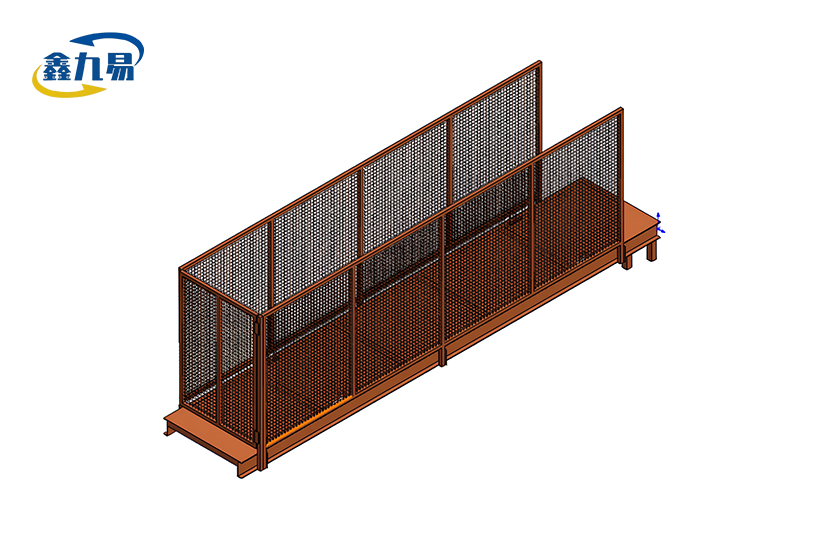
Fully enclosed frame designs have perimeter mesh panels on all sides, which protect against falls and keep objects from hitting people from other work areas. This setup works well for crowded sites where various teams are working at the same time. The protective mesh on the outside and the non-slip treads on the inside create two layers of safety that protect against both human error and environmental hazards. Although open rail systems are cheaper because they use fewer materials, they don't offer enough side protection and shouldn't be used in areas with a lot of traffic.
Galvanized Steel Performance in Harsh Conditions
Materials that don't break down quickly are needed for a Construction Ladder Cage on construction sites in warm conditions, near the coast, or in factories with corrosive fumes. When hot-dip processing is used on galvanised steel, the base metal and zinc coating form a strong bond that can withstand mechanical stress during transport and installation. This surface treatment stays effective even when the temperature changes and it gets wet, which is common in outdoor settings. The durability that comes from this stops the cycle of rusting and structural weakness that happens with steel parts that haven't been treated.
Maintenance Protocols That Extend Equipment Lifespan
When you do regular inspections, you can find problems before they become dangerous. Checks should be done once a month to make sure that the protective mesh is still securely attached, that the bolts at the connection points are tight, and that the welds are not cracking. Getting rid of built-up dirt and waste stops moisture from staying in the system, which speeds up rusting. Professional inspections by certified technicians once a year find wear patterns that mean parts need to be replaced. These preventative steps protect the structure's integrity, which keeps workers safe, and get the most out of your investment in safety tools.
Installation and Procurement Considerations for B2B Buyers
Assembly Process and Safety Checkpoints
The first step in a proper installation is to make sure that the foundation is stable enough to hold the weight of the assembled structure plus the dynamic loads that come from workers moving around. Connecting modular parts are bolt-reinforced nodes that have been ground smooth so that clothes or tools don't get caught. To make sure the levels are all lined up vertically, precise tools must be used to check each level's straight. Final acceptance testing makes sure that the platform sides are level, the protective mesh is tight and doesn't have any holes, and all the connection points don't move when force is applied.
Identifying Trustworthy Manufacturers and Suppliers
Reliable sellers keep up-to-date ISO9001, ISO45001, and ISO14001 certifications that show they care about quality control, worker safety, and the environment. Ask for proof that you are following international standards that apply to your operating area. Check sample items for accurate measurements, a good join, and a consistent surface finish. Suppliers who offer technical support services, such as on-site installation help and the ability to make changes, add value beyond delivering products that makes projects easier to carry out.
Custom Solutions Versus Standard Specifications
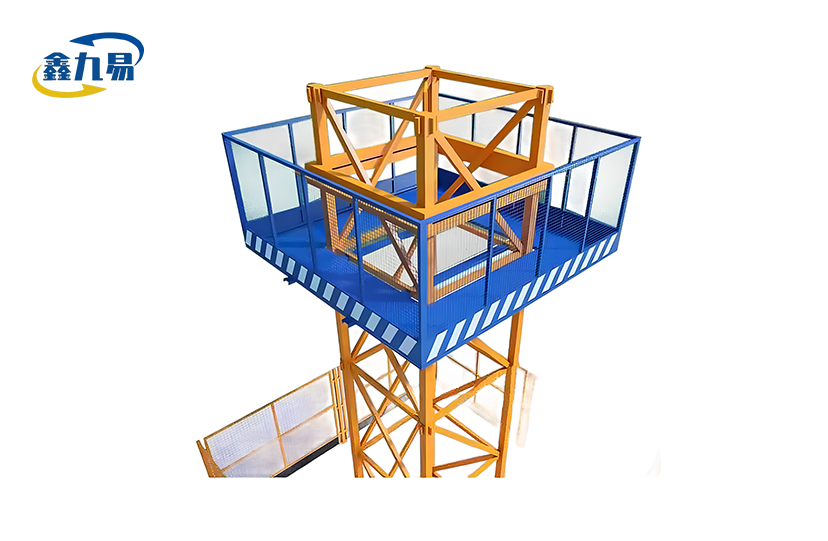
Standard goods work well for common situations, but custom designs are better for more complicated jobs. For a Construction Ladder Cage, custom engineering is needed for foundation pits with odd shapes, bridge piers that need to be accessed at an angle, or tower crane devices that have special fixing needs. Manufacturers with design teams and flexible production options can turn the problems you're having on the job site into solutions that can be built. This customisation makes sure the best fit, stops field changes that weaken structures, and stays in line with all safety rules.
Procurement Strategies for Multi-Project Contractors
Bulk purchasing agreements get discounts for buying in bulk and make sure that products are always available for all projects at the same time. Delays caused by changes in lead times can be avoided by forming partnerships with manufacturers who keep ready-to-ship goods. Framework contracts that spell out technical standards, delivery dates, and quality assurance processes make buying easier for project managers, so they can focus on getting things done on the site instead of managing suppliers. These strategic partnerships also make it easy to quickly replace broken parts without delaying the construction schedule.
Making the Final Decision: Personalized Recommendations for Your Construction Needs
Matching Equipment to Project Characteristics
For jobs that go deeper than 15 meters, you need flexible systems that can change their height in small steps as you dig. For building bridge piers, it's best to use designs that are resistant to wind and have strong structural members that can handle lateral forces at high elevations. When working on the floor of a building, you need quick assembly layouts that can move easily as the work goes up. For tunnel shaft uses, treatments that don't rust are needed to deal with the wetness and lack of air flow beneath. Each situation has its own problems that can be solved by choosing the right product.
Balancing Safety Priorities With Budget Constraints
Even though quality equipment costs more up front, the math changes when you consider how much it saves in accidents. One major fall causes more money to be spent on medical bills, legal fees, project delays, and damage to one's image than the cost of buying good equipment. Mid-range options from well-known brands usually strike the best balance, providing certified safety performance without adding extra features that aren't needed. When looking for cheap choices, don't choose ones that skimp on material thickness, weld quality, or safety features. These types of cuts come with risks that responsible builders can't accept.
Customization Capabilities for Unique Applications
Sections with standard measurements of 3000 mm length, 2000 mm width, and 2000 mm height work well in most building situations. But manufacturers that let you change the sizes are helpful for places that are limited in space or have strange shapes. By changing the size of sections, the way platforms are set up, or adding special mounting hardware, the system can be easily integrated with the site's existing infrastructure. This adaptability stops expensive fixes and keeps the structure's strength, which is important for worker safety.
Warranty Services and Ongoing Support
When manufacturers back their products with full warranties, it shows that they are confident in the quality of their engineering and production. Look for guarantees that cover structure flaws, material fails, and corrosion breakthrough for set amounts of time that match how long you think the product will last. In addition to the warranty terms, you should check to see if the suppliers offer maintenance training, replacement parts, and technical support services that help keep the equipment safe throughout its entire life.
Conclusion
To pick the best vertical access protection, you need to carefully consider compliance requirements, material durability, site-specific conditions, and the total cost of ownership. Enclosed ladder systems made of galvanised steel and designed in a flexible way, such as Construction Ladder Cage, are the best way for building companies to keep workers safe, follow the rules, and get good value over time. To make smart purchasing choices, it's important to prioritise approved goods from well-known providers, know the difference between standard and custom solutions, and know how proper installation and upkeep protect the integrity of equipment. Investing in good safety enclosures protects your most valuable asset—your employees—and shows that you are serious about site safety, which is what sets leading contractors apart in competitive markets.
FAQ
1. What height threshold requires enclosed ladder systems?
Construction Ladder Cages used to be required by OSHA for fixed ladders that were longer than 24 feet, but new standards stress the need for personal fall arrest systems for all new installations. Many places still accept Construction Ladder Cages as a good way to protect people, especially for structures that are already there. When deciding how to comply, look at local codes and the safety requirements for the specific project.
2. How does galvanized steel compare to aluminum for construction use?
Galvanised steel is stronger, more resistant to impact, and lasts longer in harsh building settings. The material can take heavy use, doesn't bend when hit by chance, and keeps its shape even when temperatures are very high or very low. Aluminium is lighter than steel, but it's not strong enough for places where equipment will be touching the enclosure a lot. Galvanised steel is a better long-term investment for permanent or semi-permanent construction projects.
3. Can ladder enclosures be customized for irregular pit shapes?
Manufacturers with a lot of experience make custom solutions that fit each site's unique shape. Give thorough three-dimensional drawings and photos of the spot so that an exact design can be made. Custom manufacturing adds time to delivery times, so plan for this when making project timelines. Because of this, the customised fit gets rid of changes made in the field that could threaten the safety of the structure.
Partner With Xinjiuyi for Proven Ladder Safety Solutions
Xinjiuyi is an expert at providing standard vertical access systems that meet the strict needs of construction projects around the world. Our hot-dip galvanised steel construction, bolt-reinforced connections, and fully enclosed protective designs make up our modular Construction Ladder Cage options. They meet international safety standards and give workers the freedom they need. As a Construction Ladder Cage manufacturer that is ISO-certified, we can make any changes you need and offer technical design support. We also have competitive buying terms for large orders and reliable delivery schedules that keep projects on track. Get in touch with our team at global@xjy8.com to talk about your specific site needs and get detailed technical specifications that show how our safety enclosures will protect your workers and help your business run more smoothly.
References
1. American National Standards Institute. (2017). Safety Requirements for Fixed Ladders: ANSI A14.3 Standard Specifications.
2. Occupational Safety and Health Administration. (2018). Walking-Working Surfaces and Personal Protective Equipment (Fall Protection Systems): Final Rule 1910.28.
3. International Organization for Standardization. (2016). Safety of Machinery: Permanent Means of Access to Machinery, Part 4: Fixed Ladders (ISO 14122-4).
4. National Safety Council. (2020). Injury Facts: Construction Industry Fall Prevention Research and Statistics.
5. European Committee for Standardization. (2019). Fixed Ladder Systems: Design, Installation and Maintenance Guidelines (EN 353-1).
6. Construction Industry Institute. (2021). Best Practices for Vertical Access Safety Systems in Heavy Civil Construction Projects.