How To Choose The Right Stainless Steel Grating for Your Project
Choosing the right stainless steel bar grating starts with understanding your project's drainage demands, load requirements, and environmental exposure. Whether you manage municipal infrastructure, food-grade processing facilities, or export-oriented construction supply chains, the wrong grating choice leads to premature corrosion, installation rework, and costly downtime. This guide walks you through every critical decision point — from alloy grade selection and slot spacing to supplier verification and long-term upkeep — so your next procurement move is grounded in technical clarity and operational confidence.
Understanding Stainless Steel Bar Grating: Key Features and Benefits
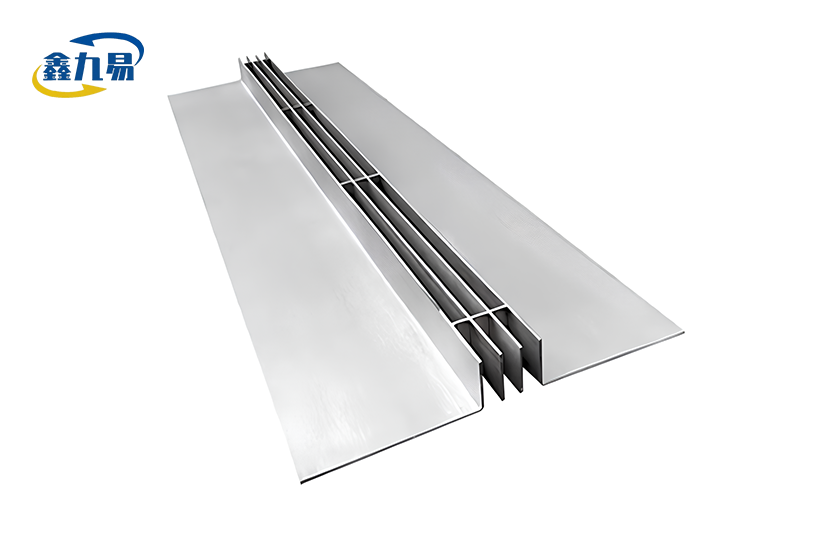
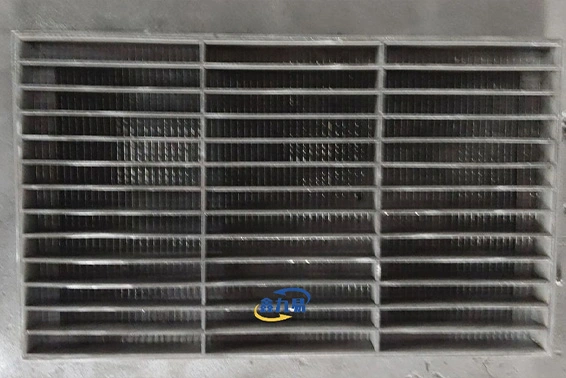
At its core, stainless steel bar grating is a structural filtration panel made up of load-bearing bars that are parallel to each other and cross bars that are not parallel to each other. These cross bars are connected to one another by welding or pressure locking. Separating liquids like rainwater, sewage, and wastewater from solids like leaves, rocks, and construction waste is its main job. This keeps pipes, drainage ditches, and machines from getting clogged.
Why It Outperforms Alternative Materials?
Stainless steel bar grating has a much better strength-to-weight ratio than galvanized steel, cast iron, or fiberglass. It is also naturally resistant to corrosion and doesn't need to be coated to keep it that way. ASTM A666 says that austenitic stainless steel keeps its shape over a wide range of temperatures and doesn't rust in either acidic or alkaline environments. This directly turns into a service life of 15 to 30 years, which is a number that galvanized options rarely come close to in chemically active or outdoor settings.
The material's chromium oxide layer heals itself when it gets scratched, which makes it a low-maintenance choice for seaside infrastructure, business kitchen floor grates, and covers for storm drains.
Typical Applications Across Industries
Stainless steel bar gratings can be found in a lot of different tough places. It is used by municipal engineers to design stormwater channels and road drainage systems. Food processing plants and business kitchens need grating surfaces that are smooth and can be washed directly without holding germs. The natural shine of the material is preferred for esthetic integration in high-end garden projects and business plazas. Because each situation calls for a slightly different setup, grade choice and exact measurements are so important.
Essential Criteria for Choosing the Right Stainless Steel Bar Grating
The needs of two projects are never the same. Before placing an order, you need to look at a number of interdependent variables to make the right choice.
Alloy Grade: 304 vs. 316
Picking between 304 and 316 stainless steel is the most important choice that needs to be made during the buying process. Grade 304 is good for most commercial and municipal drainage jobs because it is very resistant to corrosion from the air and most food-grade chemicals. Grade 316 has 2–3% molybdenum in it, which makes it much more resistant to pitting in places with a lot of salt, like seaside sites, marine platforms, and industrial wastewater systems. If you choose the wrong grade or accept 201 instead of 304, surface rust will happen faster and the structure will be weaker in just a few years.
Slot Spacing, Bar Thickness, and Load Class
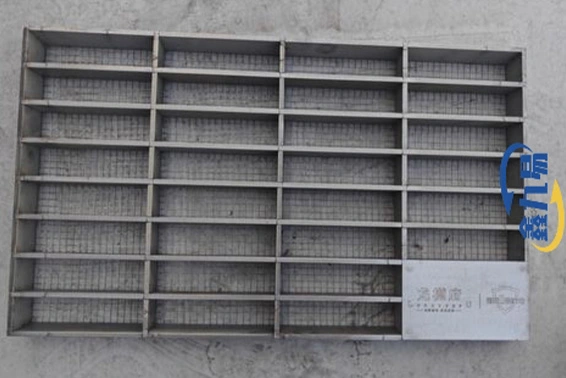
The distance between slots directly affects how well they catch trash. The Xinjiuyi gap range can be set to anywhere from 20 mm to 100 mm, so it can be used for a wide range of tasks, from filtering out small particles in food plants to catching large amounts of rainwater in public waterways. Engineers can figure out how much weight a plate can hold for walks for people, repair platforms, or areas for light vehicles by measuring its thickness from 2 mm to 8 mm. Instead of picking these parameters based on a rough idea, they should always match the project's structure plans.
Comparing Stainless Steel Bar Grating Options: What to Evaluate Before Purchase?
Comparing the different stainless steel bar grating product options is a good way to make sure you don't overpay for features you don't need or underspecify in ways that put safety at risk once you know what your technical needs are.
Before making a decision about a seller, buying teams should look at these main factors:
- Material traceability: Each production batch should have a mill certificate that can be checked and confirms the alloy's composition. Positive Material Identification (PMI) testing is still the best way to make sure that high-stakes projects follow the rules for 304 vs. 316 compliance.
- Dimensional precision: Grating panels made with a CNC machine should have very close measurements for length, width, and bar spacing. Any change in the uniformity of the slots leads to installation gaps, uneven surfaces, and maybe even hygiene audit failures in food-grade settings.
- Surface finish options: The mill finish is good for industrial drainage jobs where looks are not important. Surfaces that have been polished or electropolished must be used in FDA-compliant food facilities, medical settings, and high-end landscaping projects where both cleaning effectiveness and esthetic appeal are important.
- Load verification: Reputable manufacturers test deflection against set load classes using NAAMM MBG 531 or similar standards. Before approving samples, ask for test data.
These evaluation standards lower the chance of getting products that look like they meet the requirements on paper but don't work well in the real world. When purchasing teams don't check samples, they often have to pay more for rework than they save by buying in bulk.
Procurement and Supplier Selection Guide for Stainless Steel Bar Grating
When you buy directly from a manufacturer instead of going through a middleman distributor, the lead time is usually shorter, customization is easier, and quality control paperwork is easier to track.
Certifications and Quality Systems
Suppliers with ISO 9001 quality management systems show organized process controls during the whole process, from making the goods to inspecting them and delivering them. ISO 14001 certification for environmental management and ISO 45001 compliance for workplace health and safety are two more signs that a business is mature. These credentials are standard requirements for both local government bids and international export orders.
Evaluating Customization Capability
For projects that need non-standard trench widths, load profiles, or surfaces that meet cleanliness standards, it's important to find a maker that can work from technical plans instead of catalog specs. A good company that makes stainless steel bar grating should be able to change the panel sizes, bar spacing, and surface treatment within a set lead time, which is usually 15 to 30 days for bulk orders. It is important to find out if the factory has CNC cutting and automated welding equipment, since making things by hand can lead to inconsistent sizes when done on a large scale.
Packaging and Export Readiness
For export purchases, using moisture-barrier materials and wooden crates for anti-rust packing is important to keep the surface from oxidizing while it's in transit across the ocean. To make it easier for customs clearance and quality checks later on, suppliers should send all the paperwork needed for export, such as material certificates, packing lists, and certificates of origin.
Maintenance and Long-Term Performance Tips for Stainless Steel Bar Grating
Most drainage materials need more care than stainless steel bar gratings, but a basic maintenance plan will protect your investment for decades.
An check every six months takes care of the buildup of debris in the slot holes, which over time makes drainage less effective. Most surface dirt can be removed with mild alkaline cleaners. Chloride-based cleaners should not be used on 304-grade panels outside for long periods of time because they cause cracking at the weld joints to happen faster. Periodic electropolishing restores the passive oxide layer on polished surfaces used in food-grade settings and gets rid of micro-scratches that could hold living things.
Finding localized surface stains early on—which usually looks like small brown spots near where two welds meet—allows focused treatment before structural degradation happens. To keep the drainage working well and the load being spread evenly across the system, replacement panels should always be made from the same metal grade and slot standard as the originals.
Conclusion
Choosing the right stainless steel bar grating is an important structural and practical choice that will have long-lasting effects. The final specification includes the alloy grade, slot geometry, load class, surface finish, and the ability to track back to the supplier. When projects skip this step, they usually have to pay for it with corrosion reports, reworked installations, or cleanliness tests that fail. Before the first panel ships, most of the risk of buying is taken care of by a methodical evaluation based on project drawings, verified material certificates, and proven fabrication capability.
FAQ
When should I specify 316 over 304 stainless steel grating?
Choose 316 if the installation site is regularly exposed to chloride, like in coastal areas, marine buildings, chemical processing plants, or food plants that use salty cleaning solutions. The molybdenum in 316 stops pitting rust, which 304 can't handle in those conditions.
Can I order custom dimensions directly from the manufacturer?
Yes. Manufacturers like Xinjiuyi can take project drawings and make panels that are exactly the size and weight that you need. For a correct quote, please include the hole width, the needed slot spacing, the plate thickness, and the surface finish requirements.
How do I verify the alloy grade of received grating?
Ask for a mill certificate with every package, and for high-value or controlled projects, you might want to test received samples for PMI (Positive Material Identification). This lets you know for sure if the metal is real 304 or 316 and not lower-grade 201.
What load classes are available?
Standard layouts allow for foot movement and light car loads. Maintenance vehicles and industrial equipment can be moved with heavy-duty configurations that have bars that are thicker and closer together. Always check the load class against the papers that describe the structure.
Is polished surface finish necessary for food plants?
Yes. Polished surfaces lower surface roughness (Ra value), make it easier to clean completely, and stop germs from sticking to them—all of these things are required by standard food safety audit protocols.
Get a Custom Stainless Steel Bar Grating Quote from Xinjiuyi
Xinjiuyi makes stainless steel bar grating to your exact specifications. They can make anything from food-grade trench grates to covers for city sewage systems. As an ISO 9001, ISO 14001, and ISO 45001-certified company that makes stainless steel bar grating, we can handle large orders, customizations that aren't standard, and export packaging for projects around the world. To get a detailed quote right away, email our buying team at global@xjy8.com or go to xjy8.com.
References
1. National Association of Architectural Metal Manufacturers (NAAMM). Metal Bar Grating Manual MBG 531. 2000.
2. ASTM International. ASTM A666: Standard Specification for Annealed or Cold-Worked Austenitic Stainless Steel Sheet, Strip, Plate, and Flat Bar. 2015.
3. American Institute of Steel Construction (AISC). Steel Construction Manual, 16th Edition. 2023.
4. Outokumpu Stainless. Corrosion Handbook: Stainless Steel Grades and Applications. 2021.
5. International Stainless Steel Forum (ISSF). Stainless Steel in Infrastructure: Durability and Life Cycle Performance. 2019.
6. Food and Drug Administration (FDA). Food Safety Modernization Act (FSMA): Equipment and Facility Sanitation Guidelines. 2022.