Tower Crane Access Gangway: Waist Fence vs Base Safety Cage Guide
When your operators climb hundreds of feet to reach tower crane cabins, every step matters. The Tower Crane Access Gangway serves as the critical link between building structures and crane operation platforms, transforming what could be a hazardous crossing into a secure, compliant passage. Understanding the difference between waist fence and base safety cage configurations helps procurement managers select the right solution that balances safety compliance, installation efficiency, and long-term cost performance.
Understanding Tower Crane Access Gangways
The Role of Tower Crane Access Gangways in Construction Safety
The "last mile" fall risk that appears between building walls and tower crane masts is taken care of by Tower Crane Access Gangways. These well-thought-out structures keep people safe during shift changes, maintenance work, and emergency evacuations. Professional Tower Crane Access Gangways have non-slip walking surfaces, wind-resistant frames, and safety systems that meet strict OSHA 1926.502 and EN 12811 standards, unlike makeshift bridges or simple ladder systems.
The basic design solves three operational problems: getting tired from long climbs, being unstable in bad weather, and compliance gaps that cause expensive project delays. These systems lower the risk of accidents by making a stable platform with safe handrails and toe boards. They also boost worker confidence and productivity.
Key Safety Features and Regulatory Standards
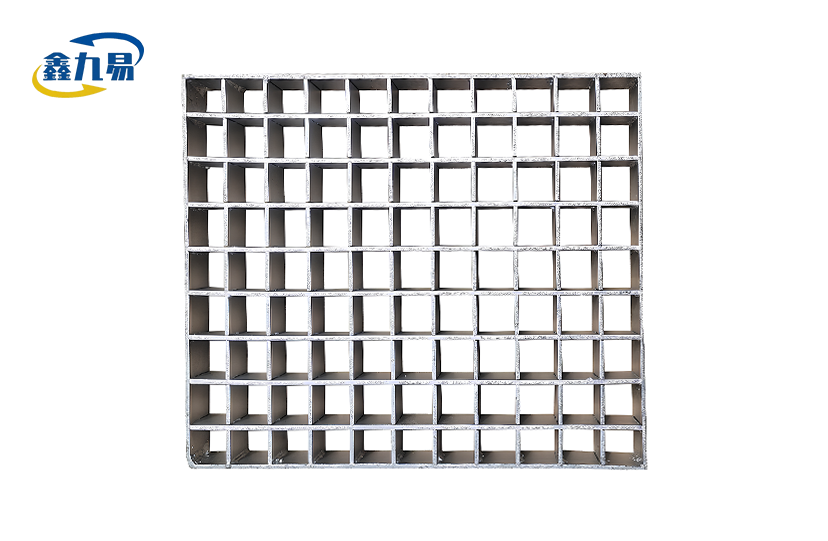
Professional Tower Crane Access Gangway systems have more than one layer of safety. Steel grating or uneven plate flooring that doesn't slip keeps its grip even when it rains or when it's damp in the morning. Along the crossing path, guardrails that are 1.2 meters high and have mid-rails provide constant support. Anti-sway stability devices stop movement caused by wind, so the structure stays stable even when gusts reach more than 0.8 kN/m².
Choice of material has a direct effect on performance and durability. Parts made of high-strength galvanized steel don't rust in marine environments or industrial settings where chemicals are present. The ISO 1461-compliant galvanization process creates protected zinc layers that are more than 85 microns thick. This means that the structure will last for more than 15 years without breaking down.
Typical Dimensions and Load Capacity Requirements
Standard Tower Crane Access Gangway lengths are between 800 mm and 1000 mm, which makes it easy for workers to carry tools and safety gear. Length configurations range from 3 meters for cranes that are attached to buildings to 12 meters for bridge pylon installations that need long spans. Load ratings usually support 1.5 kN/m² for people to get thru, and stronger versions are available for moving light tools when the needs of the job call for more capacity.
Waist Fence vs Base Safety Cage: Design and Safety Comparison
Structural Design and Material Differences
The waist fence configuration has an open frame and tubular steel guardrails that are mounted at waist height. This makes the fence easier to see and lighter. The main beams in this form are 50mm x 50mm cylindrical tubes with 2.0mm wall thickness, and the guardrails are 30mm x 30mm and have a thickness of 1.2mm. Because it's open, it doesn't block wind as much, so it can be used in high-altitude settings where thermal performance is important.
Base safety cage systems have full-height protection structures made of wire mesh panels that go from the floor to the top of the guardrail. This enclosed method is heavier, but it provides better containment because tools or materials can't fall thru the gaps. When compared to waist fence alternatives, the cage design usually uses heavier gage materials and more vertical supports, which adds about 30% to the structure's mass.
Safety Compliance and Fall Protection Effectiveness
When properly designed, both designs meet basic safety standards, but they deal with risks in different ways. When visibility and quick exit are important, waist fence systems work great. Operators have good views of the work areas around them, which makes it easier for them to work together on complicated lifting tasks. The open form also makes emergency evacuation easier because it lets more than one person pass at the same time.
Different types of Tower Crane Anti-climbing Guard safety cages make it easier for workers who are nervous about heights to do their jobs. The full enclosure makes it feel like you're in a safe tube, which lowers your nervousness and boosts your confidence when crossing. This plan works especially well in places with strict rules about psychological safety or on projects with less experienced workers. But the sealed structure can make it hard for air to flow in hot places, and it might need more entry points in case of an emergency.
Installation Process and Time Considerations
Waist fence Tower Crane Access Gangways use modular bolt-together assembly, which means they don't need to be welded together on-site. A three-person group can usually put up a standard 6-meter unit in about 90 minutes, which includes attaching it to the structure and checking for safety issues. High-strength Grade 8.8 bolts make sure that the connections are strong and that the pieces can be taken apart and moved as the construction goes on. This gives projects that use more than one tower crane more options, which lowers the cost of the equipment.
Attaching the mesh panels and aligning the structure take more time during the building of a safety cage. It usually takes 120 to 150 minutes to fully put together the same 6-meter span. The benefit is better safety, which could lower insurance costs and lead to better results on safety audits. For projects that care more about complete control than installation speed, this investment is usually a good one. This is especially true in cities where flying objects can damage public areas below.
Maintenance Requirements and Cost-Effectiveness
Waist fence systems need to be checked every three months to make sure the bolts are tight, the weld points are checked for stress cracks, and the anti-slip surface is still in good shape. The easier design means that it will cost less to maintain and will be inspected more quickly. Corrosion doesn't affect galvanized finishes very much, and they usually only need to be cleaned every so often to get rid of construction debris.
As part of safety cage upkeep, the attachment places for mesh panels and the enclosure's structural connections need to be checked more often. Compared to waist fence options, the higher number of parts makes inspection take about 25% longer. When you add up the costs of upkeep, storage, and transport for a normal 5-year deployment across multiple projects, cage systems are about 15 to 20 percent more expensive to own. When companies are in charge of big fleets of equipment, they carefully weigh these lifetime costs against the benefits of better safety.
Choosing the Right Tower Crane Access Gangway for Your Project
Comparing Tower Crane Access Gangways with Traditional Ladder Systems
With traditional ladder access, workers have to carry tools while rising, which makes them tired and increases the risk of falling. Ergonomic studies show that going along a horizontal Tower Crane Access Gangway is 60% easier on the body than climbing a vertical ladder over the same distance. This means that workers will be more productive during shift changes and will miss fewer days of work because of injuries caused by tiredness.
Case studies from high-rise projects in Southeast Asia show that sites with Tower Crane Access Gangways have 40% fewer access-related incidents than sites with ladders only. While climbing a ladder while carrying something can make it harder to keep your grip, the stable walking surface lets workers keep three points of touch easily. More and more, projects that put worker welfare and safety performance metrics first include Tower Crane Access Gangway systems as standard equipment instead of as optional extras.
Advantages of Adjustable and Modular Tower Crane Access Gangway Systems
As buildings go up and cranes move around, modular Tower Crane Access Gangway platforms can change to fit the new construction layouts. Telescopic parts let you change the length from 4 meters to 8 meters without taking the whole thing apart. This lets you accommodate different gap sizes between buildings and crane masts. This adaptability is very helpful for complicated projects where detailed planning needs to adapt to changing conditions on the ground.
Standardized modular inventories are very helpful for operators with multiple sites. Custom adapter plates made for Potain, Liebherr, Zoomlion, and other big makers work with a fleet of Tower Crane Access Gangway parts that can be switched out to work with different crane brands. This part's similarity cuts down on training needs, makes upkeep easier, and improves storage handling across regional operations. Instead of waiting for custom fabrication cycles, projects can get equipment right away.
Procurement Insights: Evaluating Vendors and Certifications
ISO 9001 quality management certification shows that a seller is reliable by showing that they can make things. This makes sure that production standards are always met and that products can be tracked. The ISO 45001 workplace health certification shows that the plant has set up systematic safety procedures that show the company cares about protecting its workers. With these credentials, procurement can be sure that the equipment they buy will work as promised and meet the requirements.
Support after the sale is what sets great providers apart from average ones. Responding technical teams that help with design, installation, and quick replacement parts cut down on project downtime by a large amount. Check to see if the vendor can do custom engineering when normal setups don't work for the way the site is set up. When suppliers offer thorough CAD models and load calculation paperwork, it's easier for structural engineers and safety inspectors to give their approval, which speeds up the project timeline.
Procurement and Cost Considerations for Tower Crane Access Gangways
Pricing Variables: Material, Customization, and Order Volume
The choice of base materials determines basic cost structures. Standard stainless steel Tower Crane Access Gangways are the least expensive choice and work well for jobs that will be exposed to normal weather. Powder-coated finishes raise the cost of materials by 12 to 18%, but they protect against corrosion better in harsh settings like marine or industrial areas. Aluminum construction is 40% lighter than steel, which makes it easier to move with a crane during installation, but it costs about 60% more to make than steel alternatives.
When you need to customize something, it costs more for engineers and tools. Standard length configurations in stock ship within 5 to 7 business days at the price listed. Custom guardrail setups, connection clamps, or lengths are often 15–25% more expensive per unit and take an extra 3–4 weeks to validate the design and set up for production. But these custom solutions often end up being cheaper than making changes in the field, which costs a lot of money in work hours.
Buying in bulk can save you a lot of money. Orders of more than 10 units usually get volume discounts of 8 to 15%, depending on how complicated the configuration is. When working on big building projects that need a lot of tower cranes, it's best to combine the sales of Tower Crane Access Gangways into a single contract so that the economic terms are better. This method also makes logistics easier because combining packages lowers the cost of freight per unit and makes it easier to clear customs for foreign deliveries.
Sourcing Trusted Suppliers and Managing Lead Times
With global sourcing, it's harder to make sure that certificates are recognized and that shipping is coordinated. Reliable manufacturers keep records that show they follow the rules of the destination market. For example, OSHA rules apply to projects in the US, and CE marking is needed for projects in Europe. Make sure that the companies you work with give you technical documents, structural calculations, and material certificates that are written in English and meet the requirements of the local inspection authorities.
To handle lead times, you need to know how much you can produce and how much time it takes to ship. Standard options from well-known manufacturers usually ship within two weeks for sales in the United States. For packages going to other countries, the ocean freight transit time and customs handling time add 4 to 6 weeks. For projects with firm installation dates, buying should start 10 to 12 weeks ahead of time, to allow for possible delays. Setting up framework deals with qualified providers gives you priority production slots and reliable delivery schedules for projects that span multiple years.
Rental vs Purchase: Strategic Asset Management
Rental agreements are good for short-term projects or businesses that would rather pay for operations than buy new equipment. Rental prices each month are usually between 4 and 6 percent of the purchase price, which makes them a good choice for deployments shorter than 18 months. Maintenance and inspection services are often included in rental deals. This transfers responsibility and the administrative load to the companies that provide the equipment. This model works well for general workers who are in charge of a variety of project types and don't have their own infrastructure for handling tools.
Companies that have ongoing projects and maintenance staff in-house can make good financial decisions about what to buy. When you own something, you don't have to pay rent fees every month, and you have full control over when and how the equipment is used. If you keep up with it, a good Tower Crane Access Gangway system will last for 15 to 20 years, which is a lot of jobs and a good return on your investment. The leftover worth of well-kept equipment can help you make more money by selling it on the secondary market or trading it in when you're upgrading your fleet.
Best Practices and Compliance Guidelines for Safe Tower Crane Access Gangway Use
Global Safety Regulations and Standards Overview
In the United States, OSHA rules from 1926 Subpart L say that walking and working surfaces must have fall protection. Tower Crane Access Gangway systems must have guardrails that meet certain standards for height, strength, and gap. Compliance paperwork, like structural formulas and material certificates, is kept with the project and can be looked over by the people in charge of inspections.
For European markets, products must have a CE mark that shows they meet the standards for scaffolding (EN 12811) and structural steelwork performance (EN 1090). These frameworks cover things like design loads, material requirements, and quality standards for fabrication. Suppliers who work on EU projects must keep technical files and statements of conformity on hand so that regulators can check them. Knowing what the target market needs can help you avoid expensive delays caused by equipment that doesn't meet the standards.
Secure Installation and Operator Training
Verification of the structural connection point is the first step in a proper fitting. Anchorage points on building edges and crane mast sections need to be strong enough, usually 22 kN per attachment point for standard Tower Crane Access Gangway systems. Professional installation teams use precise torque tools to make sure that the bolt connections meet the required preload. This keeps the connections from coming loose during operation due to vibration and dynamic loads.
In operator training, the right way to cross, how much weight can be carried, and what to do in an emergency are all covered. Workers learn how to spot signs of structure problems like strange movement, broken parts, or loose links that need to be reported right away. Safety management systems should make sure that training programs keep records of who has completed them and has signed them. As crew members change over the course of a project's lifecycle, regular training meetings keep everyone up to date.
Maintenance Protocols and Inspection Frequency
Schedules for inspections every three months are a good amount of time to keep an eye on things in most building projects. Inspectors follow detailed checklists to carefully look at structural members, connection hardware, non-slip surfaces, and safety systems. Ultrasonic thickness gaging and other non-destructive testing methods can find corrosion or stress cracks before they break, especially at high-stress weld locations and load transfer points.
Safety audits and investigations into accidents depend on good documentation practices. Photographic records of inspection results, reports on corrected actions, and repair logs show that safety management is organized. Digital inspection platforms make it easier to keep records and create searchable databases that keep track of the condition of equipment at multiple deployment sites. This information helps people decide when to retire and finds problems that keep happening so that better designs can be made for new equipment.
Conclusion
When choosing between waist fence and base safety cage Tower Crane Access Gangway designs, you need to think about how safe they are, how easy they are to build, and how much they will cost over their lifetime. Waist fences are great for experienced teams and projects that need to move tools around a lot because they are light and easy to set up. Safety cage systems offer better control and psychological comfort, which is especially helpful in cities and on projects that need to make sure workers can't fall at all. By knowing these differences, procurement teams can come up with solutions that protect workers and make the best use of practical funds in a wide range of building situations.
FAQ
What is the maximum span possible for custom Tower Crane Access Gangways?
Standard Tower Crane Access Gangway lengths are between 4 and 6 meters, which is long enough for most building-to-crane transitions. When support structures or reinforced parts are added, custom-engineered versions can go up to 12 to 15 meters in length. To keep the crossing safe, longer spans need a more in-depth structural analysis that takes into account higher wind loads and deflection limits.
How do Tower Crane Access Gangway systems accommodate different crane brands?
Modular Tower Crane Access Gangway platforms use special adaptor plates that fit with certain mast section shapes made by companies like Potain, Liebherr, and Zoomlion. These adapters attach securely to normal Tower Crane Access Gangway end posts without changing the structure of the crane. Giving details about the crane type during the buying process makes sure that the right adapters are made so that they can be installed without any problems.
What inspection requirements apply to Tower Crane Access Gangway systems?
For active construction projects, inspections every three months are the best practice in the industry. Inspection procedures check the torque levels of the bolts, the stability of the structural members, the state of the non-slip surfaces, and the function of the protective systems. Every year, the structure is tested for continued efficiency by putting it under 1.5 times its maximum load. Safety audits show that regulations are being followed when inspection results and corrective actions are written down.
Partner with Xinjiuyi for Tower Crane Access Gangway Solutions
Hebei Xinjiuyi Construction Technology Co., Ltd. creates designed entry solutions that solve the most important safety problems your high-altitude processes face. As a top provider of Tower Crane Access Gangways, we mix production that is ISO 9001, ISO 45001, and ISO 14001 certified with the ability to make specific changes that fit the shape of your project. Our modular systems are made with 160# C-channel steel beams that are high-strength welded and have 1.2-meter guardrails and non-slip walking areas that are designed to last for 15 years or more. Whether you're in charge of building a high-rise, a bridge, or an industrial project that needs reliable crane access, our expert team can help you with everything, from the initial design to the installation. Get in touch with global@xjy8.com to talk about your unique needs and find out how our standard safety solutions can improve site security while making the most of your equipment investment. You can look at all of our products at xjy8.com.
References
1. American Society of Civil Engineers. (2021). "Structural Design Standards for Temporary Access Platforms in Construction." ASCE Publications, Reston, Virginia.
2. Construction Safety Association. (2020). "Fall Protection Systems for Tower Crane Operations: Best Practice Guidelines." CSA Technical Report Series, Toronto, Ontario.
3. European Committee for Standardization. (2019). "EN 12811-1: Temporary Works Equipment - Part 1: Scaffolds - Performance Requirements and General Design." CEN Publications, Brussels, Belgium.
4. International Labour Organization. (2018). "Safety and Health in Construction: Access Equipment and Working at Height." ILO Occupational Safety and Health Series, Geneva, Switzerland.
5. National Institute for Occupational Safety and Health. (2022). "Preventing Falls from Tower Cranes During Construction Activities." NIOSH Publication No. 2022-115, Cincinnati, Ohio.
6. Occupational Safety and Health Administration. (2023). "Walking-Working Surfaces and Fall Protection Systems." OSHA Technical Manual, Section V, Chapter 4, Washington, D.C.