What Is a Construction Ladder Cage and Why Is It Important?
A construction ladder cage is a safety cage system that is fitted around fixed vertical ladders to keep workers from falling while climbing. This safety structure is made up of horizontal hoops and vertical bars that form a safe place to climb. This keeps workers from falling backwards as they go up or down. To meet OSHA requirements and keep workers safe in high-risk places like deep excavation sites, bridge construction, and high-rise building projects, you need to use construction ladder cages. They turn regular climbing access into a standard safety solution that cuts down on accidents at work by a large amount.
The worry on workers' faces as they climb unprotected ladders on building sites tells me something that no safety instructions can. Too many accidents that could have been avoided have happened in this field, and too many families have been destroyed by crashes that could have been avoided. Because of this, Hebei Xinjiuyi Construction Technology Co., Ltd. is dedicated to creating construction ladder-cage systems that not only meet standards but also go above and beyond what is expected.
Understanding Construction Ladder Cages: Definition and Key Features
What Defines a Modern Ladder Safety System
A construction ladder-cage system is a type of designed fall protection that surrounds fixed vertical ladders and makes a narrow rising path that stops people from falling backwards. In contrast to traditional open stairs, these enclosures have structural hoops that are spaced out regularly and linked by vertical support rails. The main idea behind the design is passive protection, which means keeping workers safe without making them use support systems or personal fall-stop equipment.
In the United States, OSHA 1910.28 standards say what fixed ladder systems on building sites must do. Modern safety ladder covers meet these standards. The ANSI A14.3 standards go into more detail about the size requirements. For example, they say that the cage's diameter should be between 27 and 30 inches. Decades of study on workplace safety showed that real barriers are a better way to keep workers safe than systems that depend on workers following the rules.
The strength of a construction ladder cage depends on the materials used and how well they are put together. When hot-dip galvanized, high-strength steel lasts a very long time in harsh building settings. At Xinjiuyi, our construction ladder-cage systems are made from thickened galvanized rectangular tubes and angle steel. The columns are 80 mm x 80 mm, and the walls are 3.0 mm thick. This strong building keeps things stable even when there is a lot of wind, which is usual at high work sites.
Core Components That Ensure Worker Protection
Every good ladder safety shelter has a number of important parts that work together. The backbone of the structure is made up of the vertical support rails, which are firmly attached to the mounting surface. The protective envelope is made up of horizontal hoops that should be no more than 48 inches apart, according to best practices in the industry. The cage usually starts 7 to 8 feet above the ground, which lets the climbers get in and out without any problems while protecting the whole climbing area.
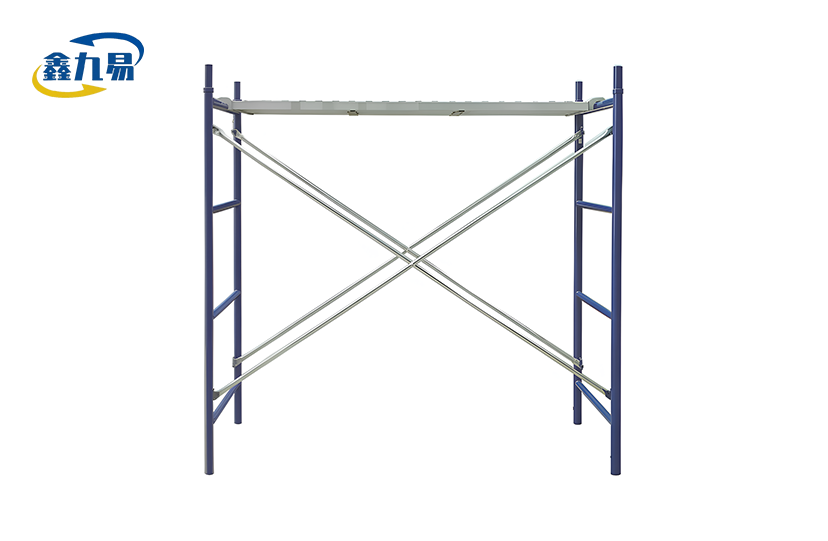
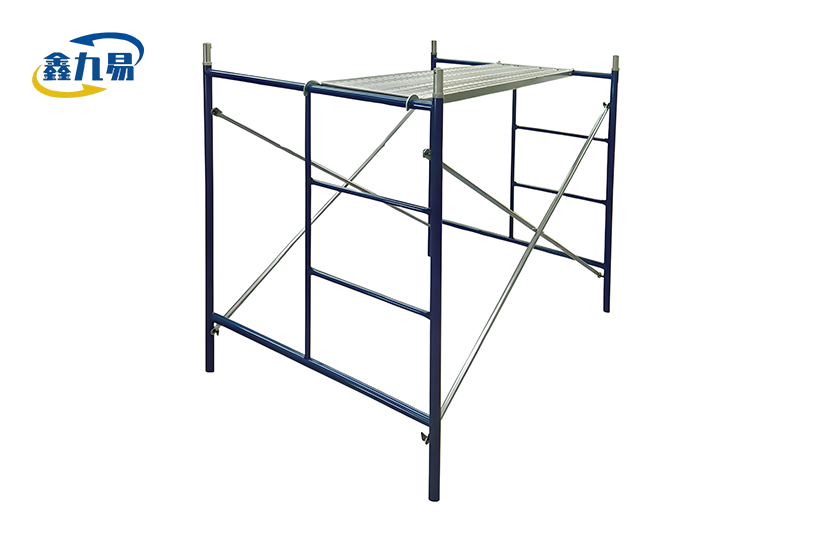
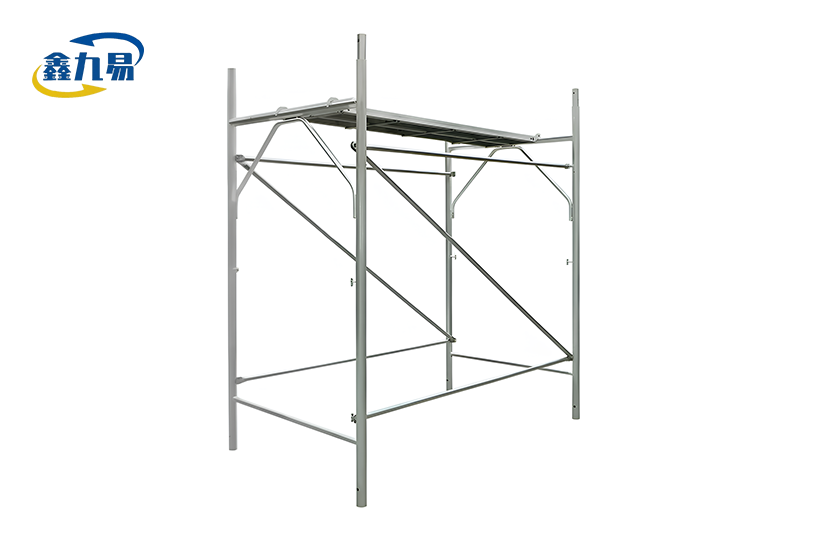
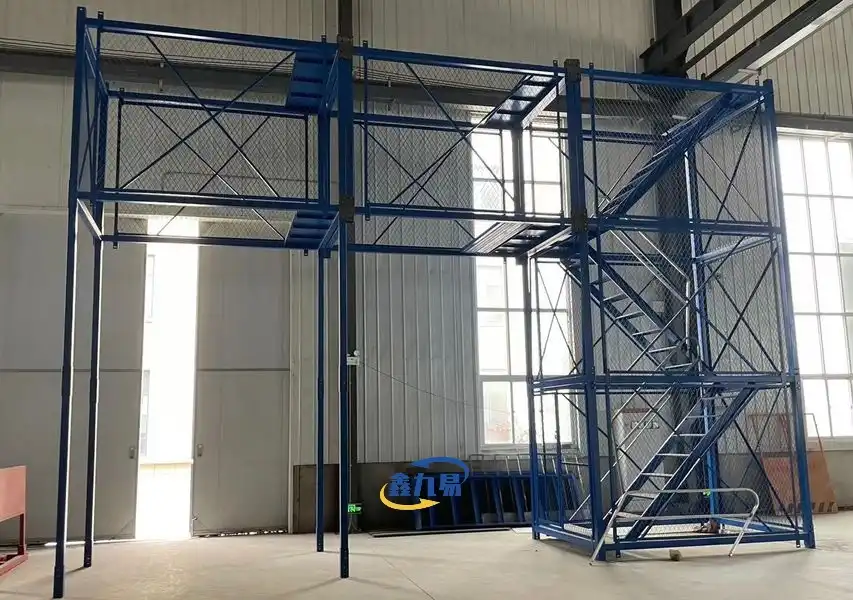
Our engineers at Xinjiuyi have made these parts better by testing them in the field a lot. The platform sections have 2.0mm thick checkered plate flooring that makes the surfaces less slippery when they are resting. Protective mesh with a 75mm opening surrounds the climbing area to keep things from hitting it and to allow for good visibility. The welded wire construction, which is surrounded with 30mm angle iron that is 2.5mm thick, strikes a balance between strength and weight, which is important for flexible installation.
Bolt-reinforced nodes are a major improvement in construction ladder-cage design. Stress fractures can happen over time in traditional joints that are only welded, especially in structures that are heated and cooled and vibrate a lot. Our dual-connection method uses both full welding and bolted support to get rid of loosening risks and make upkeep easier. We came up with this design theory because we know that building sites need tools that can last for years of heavy use without compromising safety.
Material Science Behind Durable Safety Equipment
Material choice and surface treatment have a direct effect on how long vertical access safety equipment lasts. Galvanized steel is the most common material used to make professional-grade construction ladder cages because it is very strong and doesn't rust. The hot-dip galvanizing process makes a zinc covering that is more than 85 microns thick. This coating protects against rust for decades, even in chemical or ocean environments.
Alternative materials, such as aluminum alloys, are lighter, but they are less strong and less resistant to pressure. Grades 304 and 316 stainless steel work well in places that are very acidic, like wastewater treatment plants. However, the cost of the materials can affect the project's profitability. Our normal construction ladder-cage designs are made from national standard high-strength steel, which was chosen because it offers the best mix of performance, durability, and value for a wide range of construction uses.
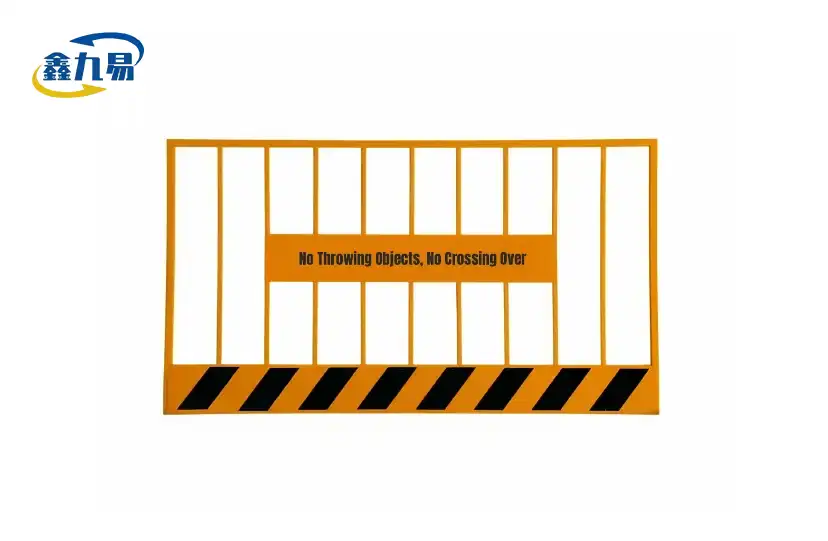
Surface finishing is more than just protecting against corrosion; it also affects how well something can be seen and how easy it is to maintain. High-temperature baking paint in safety yellow with black warning stripes makes the site more visible and follows the rules for a decent construction site. The ground, smooth finish on welded joints keeps clothes and gear from getting caught while they're being moved. These specifics show an all-around approach to safety that takes into account both huge risks and daily factors that affect worker acceptance.
Why Construction Ladder Cages Are Essential for Workplace Safety
The Human Cost of Inadequate Fall Protection
A disproportionate number of injuries and deaths on construction sites are caused by accidents involving construction ladder cages. According to the Bureau of Labor Statistics, hundreds of building workers die every year in the United States alone because they fall off of ladders. Families are devastated by these events, and employers have to pay a lot of money for insurance claims, legal fees, and lost work time.
The mental aspect of working at height doesn't get as much attention, but it has a big effect on success. When workers climb exposed ladders, they feel more stressed, which makes it harder for them to focus and make decisions. This mental load makes mistakes more likely on all jobs done at elevation. Enclosed ladder systems give people a sense of security, so they can focus on their work instead of fighting their natural fears.
In addition to causing tragedies for individuals, not having enough fall safety hurts an organization's image and ability to compete. Companies with bad safety records may have to pay more for insurance, have trouble hiring skilled workers, or even be turned down for projects that have strict safety standards. More and more, government procurement departments and large contractors want to see documented safety systems as a requirement. This makes buying the right equipment a business necessity rather than a luxury.
Regulatory Compliance and Legal Risk Mitigation
When OSHA enforces fall safety rules that aren't followed, the fines are very harsh and far exceed the cost of the equipment. Fines for not having good construction ladder-cage systems go up based on how bad the violation was and how often it happened in the past. Penalties for willful violations can reach six figures per incident, and that's not even counting the costs of lost time at work and damage to your image.
More strict rules are being put in place by regulators all the time. New rules from OSHA say that fixed ladders longer than 24 feet that are put in place after November 2018 must have either personal fall arrest systems or ladder safety systems. Existing installations may keep using traditional cage designs, but procurement strategies that look to the future take into account future rules instead of just meeting the minimum requirements. At Xinjiuyi, our flexible construction ladder-cage systems can be used with both current standards and new regulations that are expected in the future. This keeps your investment from becoming useless over time.
International projects make compliance even more difficult. The European EN ISO 14122-4 standards have different rules about measurements and tests than the American ones. In the Middle East and Asia, markets often use both European and American standards, so they need to be checked against more than one set of rules. Working with manufacturers who are experienced in meeting the requirements of multiple jurisdictions makes procurement easier and builds regulatory trust across your entire global operations.
Productivity Gains Through Enhanced Safety Confidence
Safe vertical access infrastructure has a direct effect on how well the construction schedule works. With enclosed ladder systems, workers can move faster and with more confidence, which cuts down on the time it takes to get from one work level to another. This speed is multiplied by the hundreds of moves that happen every day on busy building sites. The overall time savings can have a real effect on how quickly a project is finished, especially when it comes to high-rise or deep excavation projects that need to change elevations a lot.
Durability and reusability of equipment also increase economic benefits. Our construction ladder-cage systems are made up of standard modular sections that can be put together in any way you want. Sections that are 3000mm long, 2000mm wide, and 2000mm high can be moved around and rearranged to fit the needs of different projects. Because of this, a single piece of equipment can be used for many projects over a period of 20 years, as long as it is properly maintained. The bolt-connected assembly makes it easy to move and set up quickly, so there is little downtime when moving from one site to another.
When improvised solutions are replaced with standard safety systems, training works better. It's easier for new workers to understand and follow enclosed ladder protocols right away, which cuts down on the need for training and supervision. Standardization across many sites lets workers move around without having to learn how to use systems that are only used at one site. This operating stability is especially helpful for businesses that are working on multiple projects at the same time in different parts of the world.
Comparing Different Types of Construction Ladder Cages
Structural Design Variations for Different Applications
Construction ladder-cage designs are very different depending on the needs of the application and the limitations of the place. Simple hoop designs offer basic fall protection that works for light-duty access and short vertical distances. These cheap systems are used for repair entry on low-rise buildings that don't get used very often. While the minimalist approach saves money on materials, it doesn't provide as much protection as fully enclosed options.
Full-enclosure ladder safety systems have solid mesh panels that protect the whole height of the ladder. This design stops both backward jumps and horizontal ejection, and it protects better against things falling from above. The enclosed design is very useful in building sites with multiple levels where multiple operations are happening at the same time, creating overhead dangers. At Xinjiuyi, our fully enclosed models use welded wire mesh and reinforced frames to make a safe vertical corridor that can handle the toughest construction situations.
Hybrid systems use more than one type of defense at different levels. Lower levels may use simple hoops, while higher levels have full enclosures where the effects of a fall get worse. This tiered approach makes the best use of materials while keeping the right level of safety throughout the climbing path. This kind of customization needs an engineering analysis of risks, application patterns, and legal requirements that are unique to the site. This is something that our technical team brings to every project consultation.
Material Performance Under Extreme Conditions
Construction ladder-cage systems are put through unique stresses during deep mining jobs. Groundwater contact, changes in soil chemistry, and a lack of airflow all speed up the rusting process. In these conditions, standard paint finishes break down quickly, threatening the structure's stability within months. In hot-dip galvanizing, zinc coats corrode to protect the steel underneath, which is an important safety measure. Our galvanized construction ladder cages keep their structural integrity even after being wet and touching soil for a long time.
Building a bridge at a high elevation comes with its own set of problems. At open heights, wind loads get a lot stronger, putting horizontal forces on systems that weren't designed well enough. Our designs take wind resistance into account, and the strong connections and multiple structural backups make sure they stay stable during bad weather. The 80mm x 80mm rectangular tube poles with 3.0mm wall thickness give the structure the strength it needs to withstand vibration and displacement caused by wind.
For tunnel and shaft uses, small designs that can work with limited clearances are needed. Standard cage sizes aren't always possible because of limited space. To keep protection effective within these limits, custom engineering is needed. As an expert in customizing non-standard items, Xinjiuyi can change the shape of construction ladder cages to fit specific space needs without affecting their safety. Our design team works with project engineers to come up with solutions that meet both legal requirements and practical limitations.
Evaluating Suppliers and Manufacturer Capabilities
Finding the right construction ladder cage supplier is more than just looking at the product specs. It's also about how well the cages are made and how good the customer service is. Factory approvals are the first sign that a process is mature. The ISO 9001 quality management, ISO 45001 health and safety at work, and ISO 14001 environmental management standards all show organized ways to achieve high-quality production. These models cut down on mistakes and make sure that the result is the same from one production run to the next.
Manufacturing technology has a direct effect on the quality of the product and how easily it can be customized. Modern welding equipment makes strong, clean joints that are free of holes and other problems with partial fusion. CNC cutting and making equipment makes sure that measurements are correct, which is very important for flexible systems that need parts that can be swapped out. At our factory in Cangzhou, we have a wide range of production options that can meet the needs of both standard product lines and project-specific customization needs.
Service infrastructure is also very important for deployment to go well. Pre-sales engineering support helps you figure out which configurations will work best for your application. Our technical team makes detailed drawings of the designs and does calculations on the structures to make sure they meet all the standards that apply. After the equipment is delivered, your team will get help with fitting and upkeep so they can get the most out of it. Creating partnerships with suppliers that offer full-service ecosystems lowers the risk of procurement while increasing long-term value.
How to Select and Procure the Right Construction Ladder Cage
Assessing Project Requirements and Environmental Factors
A thorough analysis of application requirements is the first step in effective procurement. The main requirement is the climbing height, which determines how many movable parts are needed and how much the whole system costs. Standard section heights of 2000mm allow for a wide range of configurations for depths from small digs to deep shaft uses. Accurate measurements during project planning keep specification mistakes from being expensive and requiring changes to be made after the fact.
Specifications for load capacity must take into account multiple people at the same time and the gear that is carried while hiking. Standard construction ladder-cage designs can handle one person at a time, but for high-traffic areas, wider designs may be needed to allow people to pass or take a break. Our width choices, which range from standard 2000mm to project-specific sizes, can be changed to fit different traffic patterns and available room.
Assessing the environmental exposure helps with choosing the right materials and protective finishes. Because of the salt air, coastal building sites need better rust protection. Chemical processing plants may need to be built with stainless steel because it is resistant to some harmful agents. Extreme temperatures can change how well a material works. For example, some coatings can crack in cold climates and soften in hot deserts. By giving our engineering team detailed information about the conditions of the site, we can specify the best combinations of material and finish.
Navigating Standards Compliance and Certification
Verifying regulatory compliance keeps you from being sued and keeps workers safe. Ask for certification documents that show compliance with the standards that apply in your area. It is important to make sure that projects in the United States follow OSHA 1910.28, projects in Europe follow EN ISO 14122-4, and projects in other areas follow the relevant local standards. Reputable makers keep test records and engineering estimates that back up their claims of compliance.
Third-party approval and review add extra security to high-stakes projects. Independent testing labs compare the structure's performance, load capacity, and accuracy in measurements to standards that have already been set. Third-party validation adds to the cost of procurement, but it is very useful for government contracts or projects where extra care is needed because of concerns about liability. Load testing and non-destructive examination of welded joints are part of our quality control processes. Customers can look at the documentation for these steps.
It's better to buy equipment that will work in the future if you know how standards change over time. Safety rules are updated on a regular basis as new studies and probes into accidents show ways to make them better. Specifying systems that go beyond the current base standards protects against changes to regulations that are coming soon. Our engineering team keeps an eye on changes in regulations across major markets and builds those changes into current designs to make products more useful for longer.
Optimizing Procurement Strategy for Multiple Projects
Organizations that manage multiple projects at once or keep equipment pools ready for sequential release can save a lot of money by using volume buying strategies. Standardizing on common construction ladder-cage layouts makes logistics, training, and maintenance easier and lets you save money by buying in bulk. Our modular design philosophy supports this method, with sections that can be switched out and used in different ways across your project portfolio.
Costly plan delays can be avoided by coordinating delivery times. Construction projects have tight schedules, and the supply of tools has a direct effect on the activities that are on the critical path. When you start the buying process early, producers can plan their production and delivery to fit your site's mobilization dates. It's inevitable that rush orders will cost more, and because production schedules are tight, quality may suffer. These problems can be avoided by planning the purchase of construction ladder cages early in the project.
Support after the sale and the availability of spare parts should be carefully looked at. As preventative maintenance, bolt-connected systems need to be inspected, and fasteners need to be replaced every so often. Having access to replacement parts makes equipment last longer while keeping its safety integrity. Xinjiuyi keeps a large stock of extra parts to support our fixed equipment base. For urgent needs, we can also offer faster shipping. This service promise protects the continuation of your operations.
Future Trends and Innovations in Construction Ladder Cages
Smart Safety Integration and Monitoring Technology
Construction ladder cages with sensors can keep an eye on how they are used and find people who aren't supposed to be there or who are climbing the wrong way. Load sensors make sure that weight limits aren't pushed too far and let supervisors know when this might happen. New technologies could make huge improvements to ladder safety gear. This data integration helps with proactive safety management instead of responding to incidents after they happen.
Large building sites can keep an eye on safety in real time thanks to wireless connections. Centralized dashboards show the status of construction ladder-cage systems, maintenance schedules, and usage data. Algorithms for predictive maintenance look at data from sensors to find problems before they become dangerous. These features are in line with the larger trend of digitizing the building industry. They turn passive safety tools into active parts of full site management systems.
Adding environmental tracking to safety goes beyond stopping falls. Temperature and humidity sensors find conditions that lead to rust or material decline and take action to stop it. Monitoring the air quality in small spaces like tunnels and shafts lets workers know about dangerous environments before they are exposed to them. At the moment, these advanced features are just extras that you can choose not to use. However, procurement plans that look to the future think about ways to upgrade as technology improves and prices go down.
Sustainable Materials and Lifecycle Management
Environmental concerns are becoming more and more important when buying construction equipment. Finding sustainable materials, using energy-efficient manufacturing methods, and being able to recycle at the end of life are all parts of figuring out a product's total environmental impact. Because steel is naturally recyclable, construction ladder-cage systems are better than other options because old equipment can be easily turned into new steel goods.
Lifecycle cost analysis shows that even though it costs more up front, high-quality equipment is worth it in the long run. The 20-year service life of our systems is a huge savings compared to cheap alternatives that need to be replaced all the time. This sturdiness also reduces the damage to the environment by cutting down on the number of times the product is made and the amount of material used over the same operating periods.
Design for disassembly principles make it easier to fix things and recycle them later. Bolt-connected modular design lets you change individual parts instead of the whole system when damage happens in one area. This method increases the useful life while lowering the amount of trash that is made. When something is no longer needed, it should be carefully taken apart so that the different types of materials can be recycled more efficiently. This supports the circular economy principles that are being required by environmental laws more and more.
Regulatory Evolution and Global Standardization
Harmonizing safety rules across foreign markets is still an ongoing process that has big effects on buying. Because of fragmentation, companies have to keep up with many different versions of their products to meet the needs of different regions. This adds to the costs and difficulties of doing business. Industry groups and standards organizations work to make requirements more similar so that designs can be used all over the world. This change will make it easier to work on international projects while keeping safety standards high.
As construction industries mature and regulatory frameworks get stronger, emerging markets are more and more likely to adopt safety standards that are the same as those in developed economies. It is now normal for projects in Southeast Asia, Africa, and South America to need to follow OSHA or EN guidelines, even if local rules are less strict. This trend shows that clients want foreign best practices, even if they go beyond what the law requires. Suppliers who know how to handle compliance in multiple jurisdictions are very helpful for projects that have to deal with a lot of different regulatory environments.
Strategic investments in equipment are based on guessing the direction of regulations. A greater focus on worker safety suggests that we will continue to move toward more comprehensive protection standards. Construction ladder-cage systems that have extra safety features and go above and beyond what is required put companies ahead of the curve when it comes to regulations, so they don't have to pay for expensive upgrades when standards change. At Xinjiuyi, our engineering process builds this forward compatibility into standard designs, which gives our customers long-term value.
Conclusion
Construction ladder cages are an important part of the safety infrastructure that keeps workers safe and allows for quick access to higher levels in a wide range of construction tasks. When procurement professionals understand the engineering principles, legal requirements, and selection criteria we've talked about here, they can choose the right systems for the job. Material quality, production skill, and customer service support are what set professional-grade tools apart from less-than-stellar options. When you work with manufacturers who are committed to innovation and compliance, your safety infrastructure will stay effective and up to date as technology and rules change. Putting money into good construction ladder-cage systems pays off in the form of fewer accidents, higher output, and trust from regulators.
FAQ
1. At what height does a ladder cage become mandatory under current regulations?
As per OSHA rules, fixed ladders put in place before November 2018 had to have cages starting at a height of 24 feet. Personal fall-stop systems or ladder safety systems must be built into new installations that are taller than 24 feet. However, traditional cages are still legal for structures that are already up there. There are different international standards, and some places need protection at lower heights. It is important to check with the right local officials and safety officers about whether a construction ladder cage has to be used for the project's unique needs.
2. Can existing ladders be retrofitted with safety cage enclosures?
Using modular bolt-on construction ladder-cage systems for retrofitting is technically possible, as long as the existing ladder structure can handle extra weight. Before a retrofit is put in place, qualified engineers check the structure to make sure it is adequate. The part of the current ladder that connects to the climbing area needs to be able to handle more weight and wind loading. When done right, retrofits offer the same level of protection as fully integrated new installations.
3. How does maintenance impact ladder cage service life and safety performance?
Preventive maintenance and regular inspections greatly increase the useful life of equipment while keeping its safety integrity. Visual checks every three months find problems like coating damage, bolt loosening, or structure deformation that are getting worse. Every year, thorough checks that include load tests make sure that the performance keeps up. With regular maintenance, our construction ladder-cage systems can last for decades, protecting people for a long time and making the initial investment worth it.
Partner With Xinjiuyi: Your Trusted Construction Ladder Cage Manufacturer
For safety on the job site, tools must be designed without any compromises. At Hebei Xinjiuyi Construction Technology Co., Ltd., this belief guides everything we do. Our construction ladder-cage systems are made with strong materials, are carefully made, and were carefully designed to solve real-world construction problems. Our solutions protect your most valuable asset: your people. This is true for both deep excavation access and high-rise building construction.
In addition to providing tools, we offer full help throughout the entire lifecycle of your project. Our technical team can customize our services to meet the special needs of each site, creating thorough renderings and specs to make sure everything fits perfectly. Our ISO 9001, ISO 45001, and ISO 14001 certifications show that we care about quality, safety, and the environment. We are ready to support your global construction operations with the production capacity to handle large orders and reliable delivery times.
When you choose the right construction ladder cage supplier, you build a relationship based on trust and performance. Email our team at global@xjy8.com to talk about your needs for vertical access safety. Xinjiuyi offers options that are safe, long-lasting, and good value, whether you need standard setups or custom designs. Let us help you make a building site where every person can get home safely.
References
1. American National Standards Institute (ANSI). "ANSI A14.3 American National Standard for Ladders - Fixed - Safety Requirements." 2020 Edition.
2. Occupational Safety and Health Administration. "Walking-Working Surfaces and Personal Protective Equipment (Fall Protection Systems)." Federal Register, Volume 81, Number 223, November 2016.
3. European Committee for Standardization. " EN ISO 14122-4: Safety of Machinery - Permanent Means of Access to Machinery - Part 4: Fixed Ladders." 2016 Edition.
4. Bureau of Labor Statistics. "National Census of Fatal Occupational Injuries in Construction: Focus on Ladder-Related Fatalities." U.S. Department of Labor, Annual Report 2022.
5. Construction Industry Institute. "Best Practices for Construction Site Fall Protection Systems: Engineering Controls and Administrative Safeguards." Research Publication 2021.
6. National Institute for Occupational Safety and Health. "Fatality Assessment and Control Evaluation (FACE) Program: Ladder Safety in Construction." NIOSH Publication Series 2020-2023.