Excavation Guardrail System: Complete Buyer's Guide for Contractors
Excavation guardrail systems are the most important safety measure on building sites because they keep people and tools safe near ditches, pits, and deep foundation excavations. Choosing the right edge protection becomes a strategic priority as regulatory scrutiny grows and project managers worry more about their liability. This buyer's guide gives builders, procurement managers, and safety officers useful information for choosing guardrails, installing them, and making sure they're up to code. It gives you the information you need to make smart choices that protect lives and budgets.
What Is an Excavation Guardrail System and Why Is It Essential
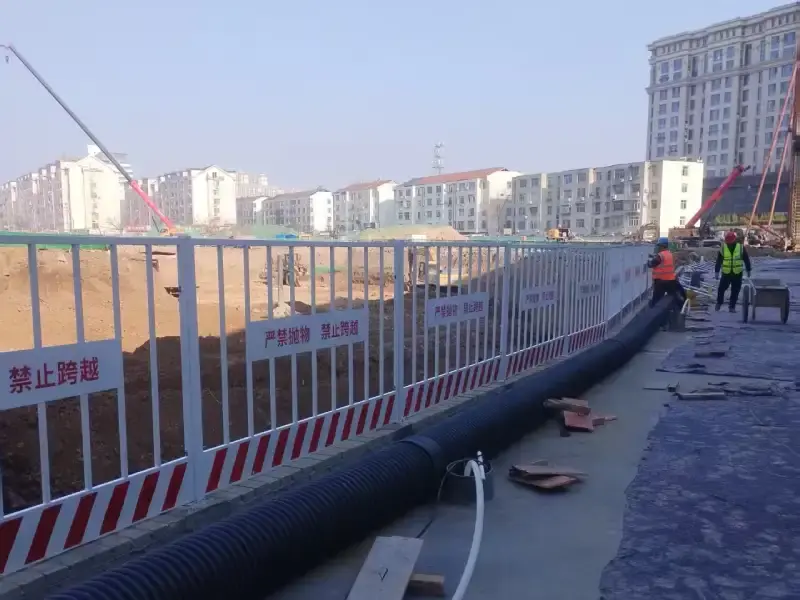
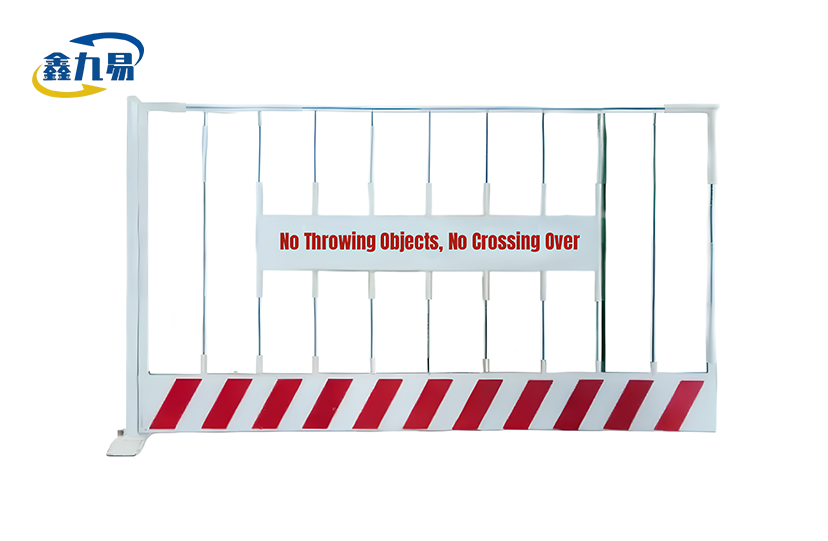
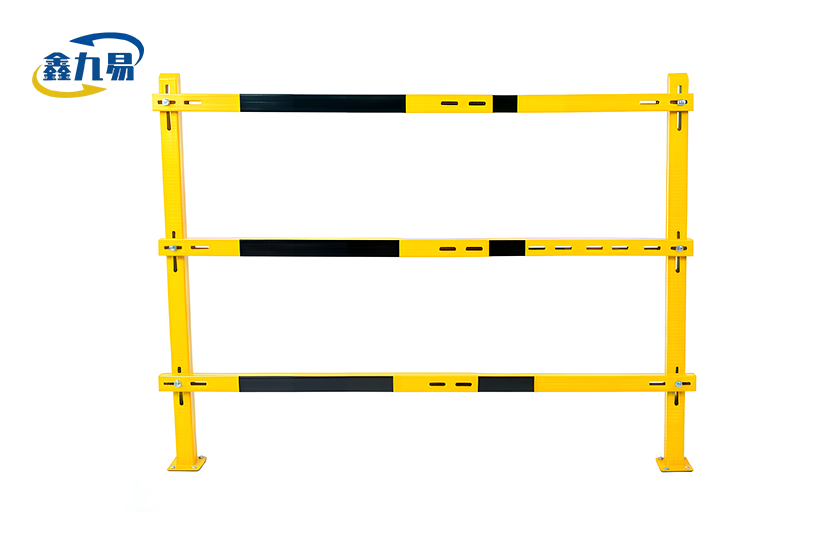
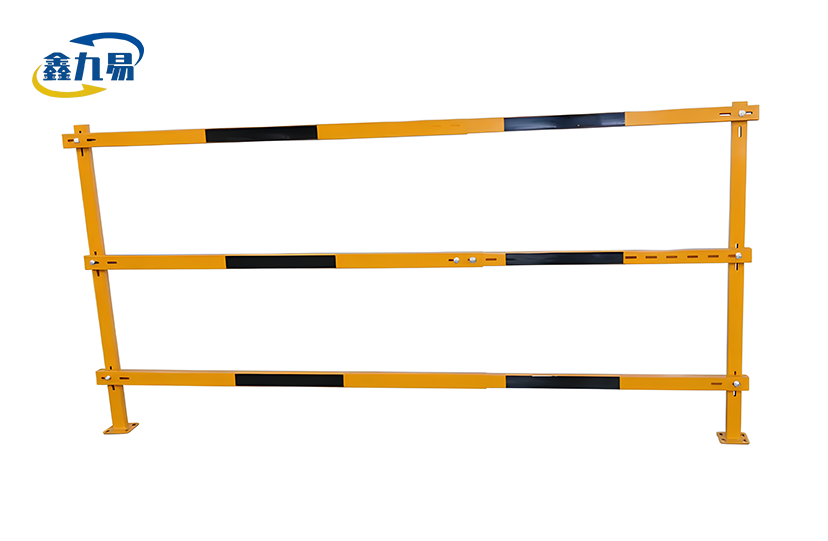
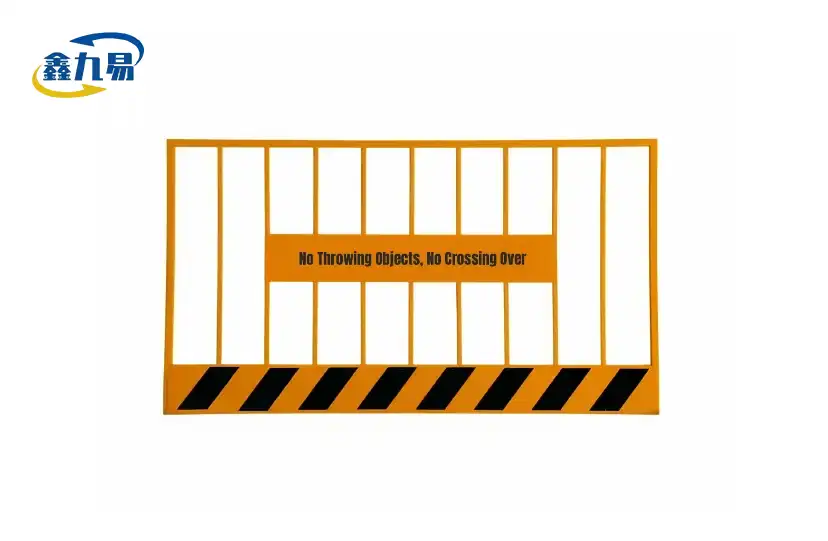
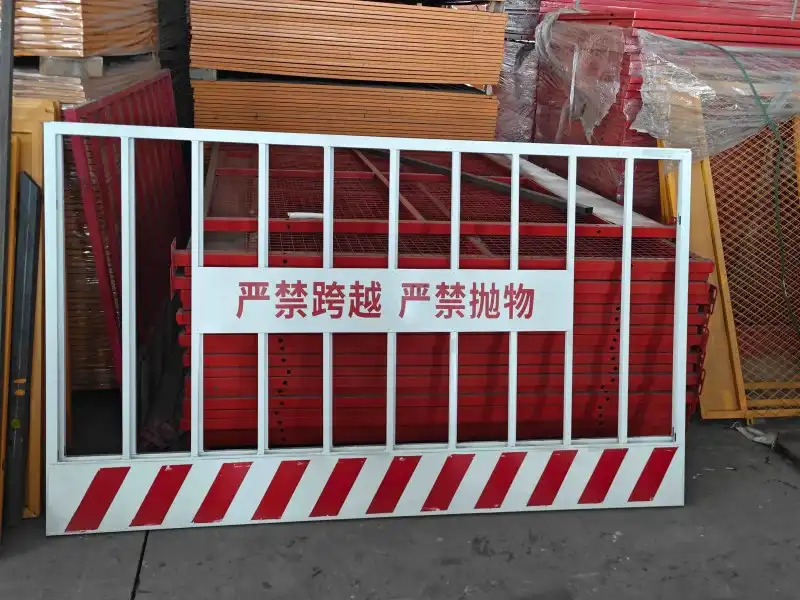
An excavation guardrail system is a modular physical barrier designed to keep people from falling or vehicles from getting into open excavations, ditches, and raised platforms. These systems are made to stand up to horizontal loads and provide consistent safety on a variety of job sites, unlike temporary wood barriers or regular fences.
Core Components That Define System Integrity
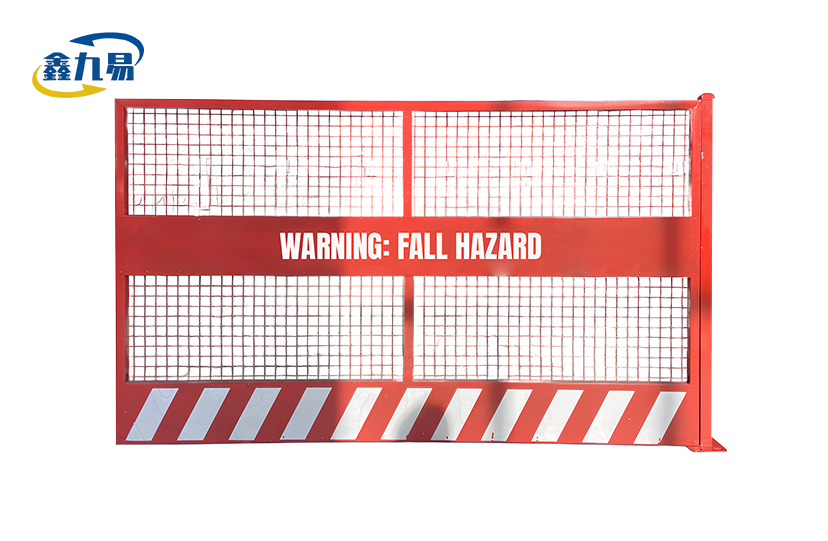
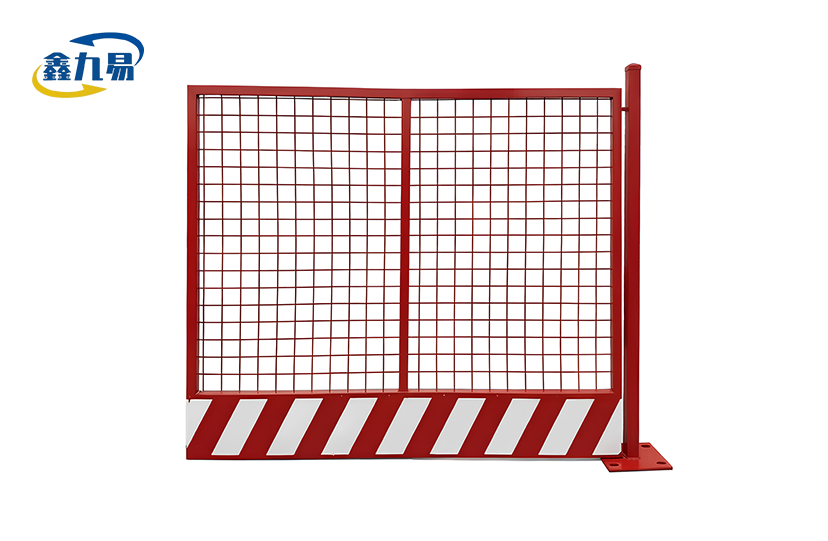
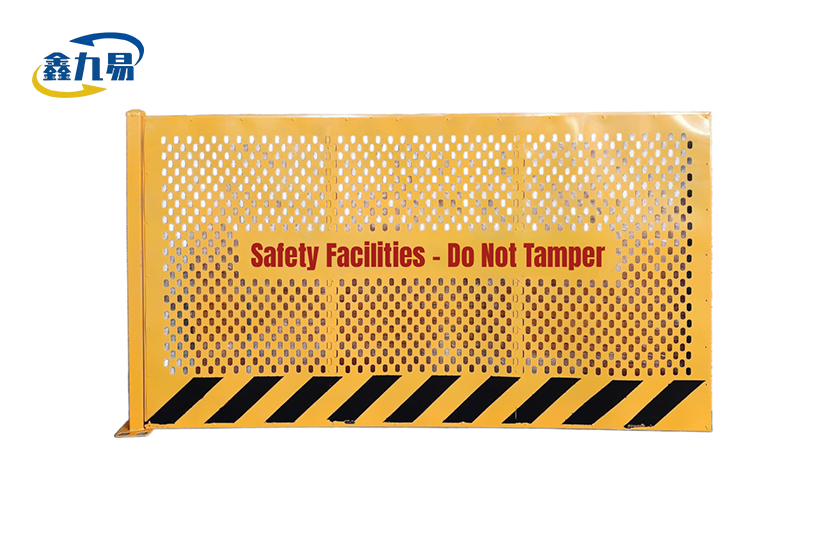
There are three important parts that work together to make up every strong edge safety option. The national standard square rectangular pipe is usually used to make the vertical posts. They hold the system in place on the ground or on top of existing buildings. The top and mid-rails run horizontally between the posts, adding multiple layers of safety that meet strict size requirements. Built-in toe-boards that are at least 3.5 inches high keep tools, debris, and other materials from falling into areas that are being dug up where workers may be working. Xinjiuyi's unique ear-plate-free design gets rid of fastening plates that can come off and become loose over time. This makes the structure much more stable and gets rid of common weak spots found in other systems.
Why Edge Protection Cannot Be Compromised
Excavations for construction projects have some of the highest risks of any job site. Injury rates from falls from heights are high, according to data on occupational safety. On the other hand, trench collapses and being hit by rolling equipment have terrible effects. Properly designed barriers, such as an excavation guardrail system, do several important things at once: they keep workers from accidentally stepping backwards into open pits; they stop unauthorized vehicles from getting in, which could weaken the stability of the excavation; and they provide clear lines of separation that keep workers aware of their surroundings even during night shifts or bad weather.
Regulatory Compliance as Risk Management
Meeting OSHA 1926. 502 standards and foreign counterparts like BS EN 13374 aren't just a way to avoid getting tickets; they're also a fundamental way to lower risk. These standards make sure that guardrail systems have top rail heights of 42 inches with an error range of plus or minus 3 inches, mid-rail placement that stops through-space weaknesses, and the ability to withstand 200 pounds of force in any direction. Installing things that don't follow the rules can lead to fines, lost work, and risk that is much higher than the cost of buying the right tools.
Types and Materials of Excavation Guardrail Systems: Choosing the Right Solution
To choose the right edge protection, you need to know about the different types of excavation guardrail systems that are out there and how to match the material properties to your application environment and project timeline.
Temporary Versus Permanent Installation Models
Portable excavation guardrail systems are great for construction sites where the edges of excavations change as the project goes on because they are modular and can be put together in different ways. Usually, these solutions come with freestanding bases or ground-penetrating anchors that make moving them quickly possible without the need for special tools. Permanent installations, on the other hand, use welded or concrete embedment connections that work well for long-term infrastructure projects or buildings that need long-lasting edge protection around pits for mechanical equipment and maintenance access points.
Material Selection: Steel Performance Advantages
Steel guardrails made from Q235 or Q345 grade pipes are very resistant to impact, which is important for busy construction sites where heavy machinery is used close to the edges that need to be protected. Wall thickness requirements of 2.0 mm or more make sure that the system stays structurally sound even if a vehicle hits it by accident. Xinjiuyi's welding technology makes continuous joins that are ground smooth and free of burrs. This gets rid of the risks of sticking and weak spots that make weaker systems less reliable. The fully automatic high-temperature baking paint process puts on architectural-grade coatings that are 60 to 80 microns thick. These coatings protect against rain and rust and keep their look and performance even after being outside for a long time.
Modern powder coatings come in high-chroma safety yellow or orange finishes that make it much easier for machine workers to see 24 hours a day, seven days a week. This makes it less likely that they will be hit by something when it's dark. For permanent or semi-permanent perimeter protection around digging operations, the Excavation Guardrail System can be coated with the same high-visibility powders to boost daytime and nighttime awareness. Hot-dip galvanization is an alternative way to protect against rust. It can last for 10 years or more in harsh settings with acidic soils, chemical exposure, or salt spray from the coast, as proven by ASTM B117 testing methods.
Prefabricated Standardization Versus Custom Engineering
Standardized prefabricated systems, like Xinjiuyi's 2000mm width by 1200mm height modular units, can be put into use right away, with predictable lead times and easier logistics. For simple perimeter security around rectangular excavations and linear trench work, these options work really well. When projects need to deal with irregular excavation shapes, integrating with existing structures, or special needs like car loading gates and staff entry points, they need to use custom-engineered configurations. Xinjiuyi lets you completely customize the sizes, styles, and colors of their products. They use laser-cutting to make sure the edges are flat and free of burrs, which keeps installation safe and allows parts to be swapped out.
Comprehensive Guide to Excavation Guardrail System Installation and Compliance
When designed equipment is installed correctly, excavation guardrail systems work as defense. But when it's not installed properly, it leaves holes that can defeat even the best systems.
Site Preparation and Foundation Assessment
Installation starts with a careful inspection of the spot. Anchoring methods depend on the type of soil. Stable substrates can use drill-in anchors for concrete applications or ground spikes driven into compacted earth. Loose or sandy soil, on the other hand, may need weighted ballast bases that keep the ground from penetrating. When the ground isn't level, you need movable base plates or swivel couplers that keep the post straight even when the ground level changes. The edges of the excavation must be checked to make sure they are stable, and the placement of the excavation guardrail system must not be so close that post loading puts extra stress on the soil that is already stressed.
Assembly Best Practices for Structural Reliability
Modular systems use locked pins and socket links that are designed so that all parts can be switched out for each other. Dimensional limits checked during quality control make sure that all items in the store fit the same way. This stops changes made in the field that weaken connections. For integrated toe boards to do their job of keeping debris in place, they must be placed so that there are no gaps at ground level. All horizontal rails need to be properly tensioned so that they don't bend when they're loaded. The connection gear should be torqued to the manufacturer's specs instead of being tightened to a guess in the field.
Navigating International Safety Standards
In the US, OSHA rules set the minimum standards, but for foreign projects, you need to know about EN standards that are used in Europe and localized codes in places like the Middle East, Southeast Asia, and South America, where infrastructure development is speeding up. For excavation sites, the excavation guardrail system is often a critical component addressed by these varying regulations. Xinjiuyi has ISO9001, ISO45001, and ISO14001 certifications, which show that they follow systematic quality management, occupational health protocols, and environmental stewardship. These credentials make it easier for specifications to be approved across a wide range of regulatory jurisdictions and procurement frameworks, including the approval of the Excavation Guardrail System itself.
Maintenance Protocols That Extend Service Life
During busy building stages, there should be regular inspections once a week to check the stability of the connections, the state of the coating, and any deformations in the structure. After a storm, installations need to be checked right away because wind loads and debris can damage them. Damaged parts need to be replaced right away instead of being fixed in the field, which might not restore the original load-bearing capacity. The Xinjiuyi is expected to last 20 years if it is properly maintained and stored between deployments. This will protect the long-term worth of your safety equipment purchase.
Evaluating Excavation Guardrail Systems: Cost, Durability, and Performance
When making a purchase, strategic buyers have to balance their current budget needs against the product's lifetime value and safety performance. Reactive buyers, on the other hand, have to deal with repeated replacement costs and the risk of accidents.
Understanding Total Cost of Ownership
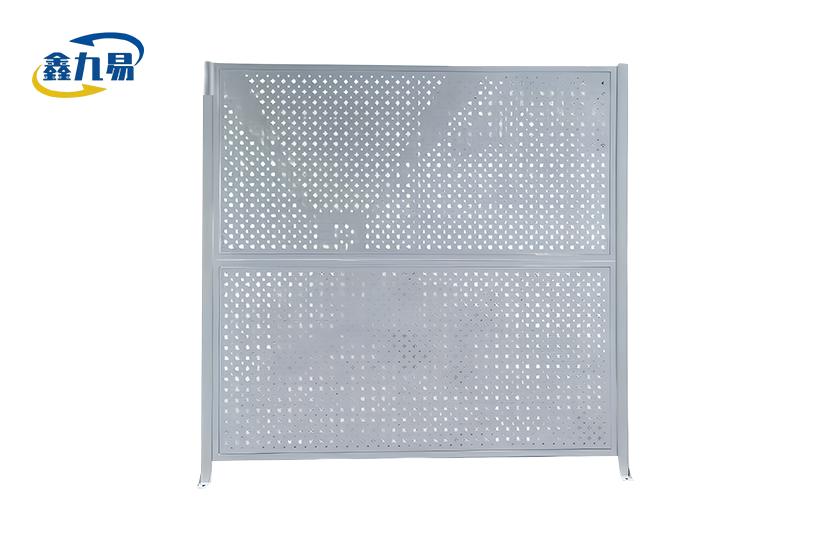
The initial cost of buying the excavation guardrail system is only one part of its true cost. Durability directly affects how often something needs to be replaced. High-quality materials and manufacturing lower the cost per project when systems can be used more than once without breaking down. Due to lower shipping and handling costs, lightweight aluminum is better for rural sites that can only be reached by rough terrain. On the other hand, steel's durability reduces damage-related losses on crowded urban projects where equipment is always moving around. When compared to custom fabrications that need special storing and tracking, modular designs with standard parts have lower inventory carrying costs.
Performance Metrics That Matter
Load testing proves that a system can handle the 0.3kN horizontal forces required by safety standards. However, in real life, performance often goes above and beyond what is required. Checking the integrity of the weld with ultrasonic waves or a careful visual inspection keeps the joint from breaking completely when it is suddenly hit with loads. When you test coating adhesion with ISO 2409 cross-cutting, you can guess how long it will last against corrosion on a rough job site where dirt, tools, and weather are always coming into contact with protective finishes.
Customization Flexibility as Competitive Advantage
Suppliers who give technical support in addition to catalog goods are very helpful for projects with complicated geometries, phased excavation sequences, or unique entry needs. Xinjiuyi offers professional technical services before a sale. These include on-demand design solutions and thorough models that give project planners a good idea of what the finished product will look like. This feature lets procurement teams check protection plans before committing to full-scale orders. This cuts down on costly changes in the field and schedule delays.
Procurement Strategies: How to Buy Excavation Guardrail Systems Efficiently
Efficient procurement combines strict evaluation of suppliers with strategic ordering methods that make the most of both cost and operational flexibility.
Qualifying Suppliers and Manufacturers
Manufacturers with a good reputation keep clear certification records that include information about testing products, quality management systems, and manufacturing skills. Customer reviews from similar projects can tell you a lot about how reliable delivery is, how quickly technical help responds, and how well a product works in the real world. The location of a factory affects shipping times and costs. Hebei Xinjiuyi's location in Cangzhou, Hebei, provides well-established logistics infrastructure that helps with efficient distribution in China and exports to Southeast Asian, Middle Eastern, African, and South American markets where infrastructure investment drives excavation guardrail system demand.
Bulk Ordering Versus Incremental Purchasing
Large builders who are working on several projects at the same time can save a lot of money by buying in bulk and taking advantage of large prices. They can also build a standard inventory that can be used at all of their sites, including the Excavation Guardrail System. Smaller businesses or those whose project plans aren't clear may look into rental options that turn capital expenditures into operating costs. However, for long-term projects, ownership economics are usually better, especially for the Excavation Guardrail System. Xinjiuyi's production capacity can be changed to meet the needs of both big fleet orders from international contractors and smaller custom batches for specific uses, such as tailored excavation guardrail system configurations. This is made possible by mature supply chain systems that make sure products are always available.
Lead Time Management and Delivery Logistics
Standard premade systems can usually be shipped quickly from stock, but custom designs need wider manufacturing windows that should be planned into the project schedule. International purchasing adds the time it takes for goods to travel and for customs to clear, which means that excavation guardrail systems need to be ordered earlier than they are needed on-site. By building relationships with suppliers who can offer technical advice, you can be sure that the specifications are correct when you place your first order. This will help you avoid revision delays that throw off your project schedule.
Conclusion
Protecting the edges of excavations is an important investment for job site safety, following the rules, and running operations smoothly. Knowing about different types of systems, the properties of materials, construction needs, and buying strategies gives contractors the power to make choices that protect workers and make the job as cost-effective as possible. Modern excavation guardrail systems are modular, can be customized, and must meet strict quality standards. This means that safety solutions can be tailored to your unique excavation challenges, rather than making the project sacrifices because of equipment limits. As construction gets more complicated and safety standards get higher, it becomes more valuable to work with manufacturers who can show they have the technical know-how, certification depth, and quick support.
FAQ
1. What specific standards must my guardrail system meet?
In the United States, excavation barriers must follow OSHA 1926.502, which says that the top rail must be 42 inches high and the midrails must be placed so that there are no gaps between them that are more than 19 inches wide. BS EN 13374 Class A is used for temporary edge protection in international projects, and Class B is used for working platforms. Excavation guardrail systems should be able to handle 200 pounds of force acting horizontally along the top rail from any direction. The modular safety guardrails from Xinjiuyi are designed to meet these standard acceptance requirements for safe and proper construction.
2. Should I purchase or rent excavation guardrails?
It makes financial sense for workers who are working on a lot of projects because equipment loses value over time. This is especially true for systems with 20-year service lives like Xinjiuyi's. Rental works well for one-time users or specific short-term projects where protecting cash is more important than daily costs. Find the point at which your business breaks even by figuring out how much dig work you do each year and comparing the cost of ownership per project day to the rental rates for Excavation Guardrail Systems.
3. Can guardrails be installed on sloped or uneven ground?
Adjustable base plates or special swivel couplers are built into high-quality systems to keep posts vertical on uneven and sloped ground. Anchoring methods depend on the ground. Driven spikes work in stable soil, drill-in anchors are used in concrete surfaces, and weighted ballast bases may be needed for shaky materials to keep the ground from penetrating. If you install the Excavation Guardrail System correctly, the structure will still hold up even if the grade changes a little.
Partner With Xinjiuyi for Superior Excavation Protection Solutions
Xinjiuyi manufactures and sells complete excavation guardrail systems that are designed to work in tough construction sites around the world. Our national standard modular safety guardrails are made of strong square and rectangular tubes and are finished with high-temperature baking paint that won't rust after decades of use. We know how important it is to have reliable edge protection that meets international standards and can be changed to fit the needs of your project because we work with general contractors, infrastructure developers, and safety equipment distributors in Southeast Asia, the Middle East, Africa, and South America.
Our high-quality manufacturing is backed by ISO9001, ISO45001, and ISO14001 certifications, which guarantee strict quality control, following safety rules at work, and caring for the environment. You can see how protection plans will work before you commit to buying them because they can be fully customized and come with professional technical help and thorough rendering. Get in touch with our team at global@xjy8.com to talk about your excavation safety needs with experienced excavation guardrail system providers who care most about the success of your project and the safety of your workers.
References
1. National Safety Council, "Fall Prevention in Construction: Best Practices for Excavation Sites," Construction Safety Quarterly, 2022.
2. American Society of Safety Professionals, "Comprehensive Guide to Temporary Edge Protection Systems," ASSP Technical Standards Review, 2021.
3. Occupational Safety and Health Administration, "Safety Standards for Excavations: Regulatory Compliance Framework," U.S. Department of Labor Publication, 2023.
4. International Organization for Standardization, "ISO 45001: Occupational Health and Safety Management Systems in Construction," Geneva, 2018.
5. Construction Industry Institute, "Modular Safety Systems: Engineering Performance and Economic Analysis," Research Report, 2020.
6. British Standards Institution, "BS EN 13374: Temporary Edge Protection Systems - Product Specification and Test Methods," London, 2019.