Tower Crane Access Gangway Safety Guide: Design, Size and Standards
When operators climb toward tower crane cabs hundreds of feet above ground, the pathway connecting building structures to crane masts becomes a critical lifeline. A Tower Crane Access Gangway is not merely a walking surface—it is a specially engineered structural bridge that ensures safe, stable, and compliant passage for personnel during high-altitude operations. This safety system addresses the "last mile" fall hazard in vertical construction environments, transforming what was once a makeshift crossing into a standardized, regulation-compliant access solution. By integrating high-strength steel, anti-slip surfaces, and modular engineering, these gangways reduce workplace accidents while meeting stringent OSHA and EN safety mandates across diverse project types.
Understanding Tower Crane Access Gangways: Design and Safety Essentials
Tower crane entry systems are very important because they connect fixed building parts to moving crane parts. Instead of traditional stairs, these purpose-built walks offer a flat or slightly inclined path that makes it easier on the body and greatly lowers the risk of falling during shift changes and emergency evacuations.
Core Structural Components
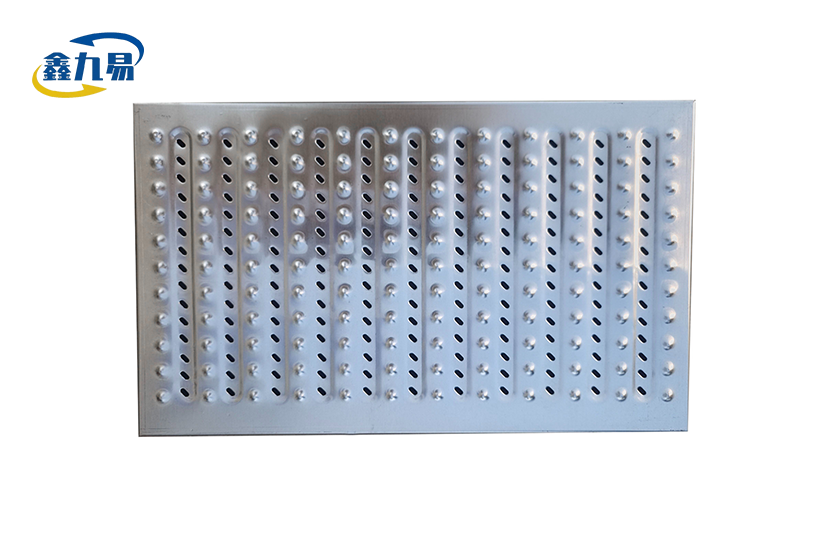
Every Tower Crane Access Gangway system is made up of three basic parts that work together. High-strength welded rectangular tubes and angle steel, usually made from Q355B or Q235B steel types, make up the main load-bearing frame. This frame holds up the walking surface, which is made of non-slip steel grating or patterned steel plates with raised shapes that keep your footing whether it's wet or dirty outside. The third important part is the guardrails, which must be securely welded at least 1.2 meters high and have smooth finishes so that clothes or safety gear don't get caught on them.
The building method puts both strength and ease of access first. Welded joints go thru a strict quality check to make sure they will hold up under dynamic loading. When 50 mm × 50 mm secondary beams with a thickness of 2 mm are paired with 30 mm × 30 mm guardrails with a thickness of 1.2 mm, the structure is very stable, even when wind blows and many people use it at the same time.
Material Selection Considerations
Steel is still the most common material used for industrial-grade Tower Crane Access Gangway options because it can hold more weight and is less likely to break when hit. Galvanized steel lasts longer in harsh settings, and hot-dip galvanization protects against rust for 15 to 20 years, keeping structures reliable. Surface treatments that use both yellow and black warning paint make things more visible and add another layer of protection against rust.
There are aluminum options for projects that need lighter solutions, but they usually have less load capacity. The important choice should be in line with the amount of environmental exposure, the length of time the service is expected to last, and the project's weight limits. To stop rust from happening faster in marine settings or chemical processing plants, better coating methods are needed.
Safety Features That Distinguish Gangways from Ladders
When you go from climbing up and down to walking sideways, the safety equation changes in a big way. Tower Crane Access Gangways have continuous protective fences on both sides, with steps in the middle to provide support all the way thru the path. Structures with anti-rollover and anti-fall features meet strict high-altitude operation standards. Bottom support systems stop wind-induced sway that could make users unsteady.
Ergonomic design principles affect the size of Tower Crane Access Gangways to make sure that workers are as comfortable as possible during routine changes. As long as the normal width of 800 mm is kept, operators can take tools and PPE without creating a pinch point. At 1.5 mm thick, checkered plate flooring has better grip than smooth metal surfaces, which is important because temperature changes can make it easy to slip.
Tower Crane Access Gangway Size and Design Standards
When buying construction safety tools, choices are based on the measurements and rules that must be followed. When project managers know how to translate foreign codes into real product attributes, they can choose the right methods to meet both legal requirements and operational needs.
Standard Dimensional Parameters
Standard Tower Crane Anti-climbing Guard in the industry have lengths of 4000 mm, 5000 mm, or 6000 mm. However, custom configurations can be made to fit site-specific needs ranging from 3 meters to 12 meters or more for specific uses. The width of 800 mm is the best compromise between making the best use of room and letting people pass easily. This lets workers move around without feeling stifled.
Guardrail height standards consistently specify minimum dimensions of 1200 mm measured from the walking surface to the top rail. This height prevents accidental falls while remaining low enough to permit easy access in emergency situations. Toe boards or kickplates at the base of guardrails prevent tools or equipment from sliding off the platform, addressing a common cause of ground-level injuries.
Load Capacity and Structural Performance
Professional Tower Crane Access Gangway systems are built to hold a lot of weight, which is much more than what is normally needed for occupancy. Testing with a static load 1.5 times the maximum capacity makes sure that the deflection stays within accepted limits, which are usually not more than L/250 (span divided by 250). This cautious method protects the structure's integrity even when stress events aren't predicted.
Personnel access Tower Crane Access Gangways usually have walking paths rated at 1.5 kN/m² and are only meant to let workers pass thru, not to move things. When projects need to move goods across gangways, they must select models that are stronger and have higher load capacities. The 160# C-channel steel used to build the main beam gives the structure the strength it needs to meet these performance standards for the life of the product.
Compliance with International Standards
Different areas have different rules about how to use Tower Crane Access Gangway entry methods, but they all have the same safety goals. In the US, OSHA guidelines set the minimum standards for fall protection and safe entry to work places that are higher than the ground. European EN standards list specifics for temporary work equipment, such as allowed size differences and the properties of the materials used. ISO certifications show that a company is dedicated to quality control systems that make sure goods always meet standards.
Procurement specifications should explicitly reference applicable standards to ensure delivered equipment meets jurisdictional requirements. Documentation proving compliance becomes essential during safety audits and regulatory inspections. Certificates from third-party testing laboratories provide additional assurance that products perform as specified under real-world conditions.
Weather Resistance and Environmental Adaptation
Safety gear on construction sites is subjected to harsh conditions that speed up the wear and tear process. When the temperature changes, metal expands and contracts, which can cause links to become loose over time. Rain and snow can cause corrosion and make surfaces slippery, which makes it harder to walk on. Wind loads put sideways forces on structures that need to be counteracted by grounding and supporting them properly.
Design selections should account for regional climate patterns and site-specific exposure factors. Coastal projects require enhanced corrosion protection beyond standard galvanization. High-wind areas demand additional anchoring points and possibly aerodynamic profiling to reduce wind resistance. These environmental considerations directly impact long-term maintenance costs and system reliability.
Installation and Maintenance Best Practices for Tower Crane Access Gangways
Following the right steps for installation and routine repair will make tools last longer while still meeting safety standards that protect workers. During the planning phase of procurement, these operational aspects should get just as much attention as the choice of the first product.
Step-by-Step Installation Protocol
The installation process starts with a site survey to make sure that the attachment points on both the building frame and the crane mast are strong enough to hold the Tower Crane Access Gangway loads plus safety factors. By measuring the exact gap distance, you can be sure that the chosen gangway length will allow enough overlap at both connection points without creating trip hazards or unstable cantilevers.
Positioning equipment requires coordination between people on the ground and people up high. Usually, the tower crane is used to move gangway sections into place. When compared to traditional welded systems, high-strength bolt connections cut installation time by about 60% because they don't need to be welded on-site. Fastener torque specs must be followed to the letter, and all connection points must meet the minimum preload values thru proof checks.
Safety verification completes the installation sequence. Load testing confirms structural performance before permitting worker access. Guardrail integrity inspections ensure that all protective elements remain securely attached. Signage placement alerts users to weight limitations and proper usage protocols. Documentation of installation date and inspector credentials creates an audit trail for regulatory compliance purposes.
Preventive Maintenance Strategies
For Tower Crane Access Gangway systems that are still being used, inspections should happen at least every three months. Visual inspections find damage that is easy to see, like railings that are bent, welds that are cracked, or structural members that have corroded. Functional testing makes sure that non-slip surfaces keep their texture and that guardrails stay in place without moving around too much.
When repair rounds are done, common wear points need extra care. Vibration and changes in temperature can loosen bolt connections, so they need to be retorqued every so often to keep the holding force. Anti-slip surfaces lose their roughness over time due to wear and tear, and they need to be replaced when the depth readings drop below certain levels. Welded seams in places with a lot of stress can get wear cracks that get worse over time if they are not fixed.
Corrosion control measures preserve structural integrity in challenging environments. Cleaning methods get rid of built-up dirt and grime that keeps water from escaping from metal surfaces. Touch-up painting fixes areas of damaged coating before rust gets deeper into the base material. Sacrificial anodic coatings or cathodic protection ways may be used in naval or industrial settings for more aggressive protection systems.
Documentation and Compliance Records
Regulatory agencies want detailed records that show that safety equipment is properly maintained throughout its useful life. Instead of general "passed/failed" notes, inspection papers should write down specific things that were seen. Photographs are a good way to keep independent records of how equipment was working at certain times. Maintenance logs keep track of what was done to fix problems that were found.
These records serve multiple purposes beyond regulatory compliance. Trend analysis identifies recurring problems that may indicate design weaknesses or inappropriate usage patterns. Warranty claims require documentation proving that equipment failures did not result from neglected maintenance. Insurance considerations may include premium adjustments based on demonstrated safety program effectiveness.
Choosing the Right Tower Crane Access Gangway: Comparison and Procurement Insights
When making procurement choices, people weigh the needs of the project right now against their long-term value. By understanding the pros and cons of each design method, buyers can choose equipment that meets their unique operational needs the best.
Comparing Access Methods
Traditional ladder access is still popular on many building sites because it's cheap to set up and doesn't take up much room. But the physical demands of steep climbs make workers tired, which lowers their output and raises their risk of getting hurt. Ladders don't protect against lateral jumps and don't give you many choices for getting hurt people out of the way quickly in an emergency.
Tower Crane Access Gangway systems change the way you get to places by making climbing easier by making you just walk. Because of this basic difference, about 75% less physical effort is needed than when climbing a ladder. This means that operators can get to work in better shape to do hard tasks. The horizontal position makes it easier for workers to get out if they get sick or hurt, which isn't possible with stairs.
Lifecycle costs must be included in cost-efficiency calculations, not just the price of the purchase. Even tho Tower Crane Access Gangway systems cost more to install at first, they are worth it in the long run because they last longer and have fewer accidents. In the first project cycle, the extra costs of equipment are often justified by lower insurance rates, fewer workers' compensation claims, and higher production measures.
Prefabricated versus Custom Solutions
Standardized Tower Crane Access Gangway models are ready to use right away and have been shown to work well in most building situations. These ready-to-use options work with the most popular gap sizes and crane configurations in the business world. Manufacturers keep standard lengths in stock, which lets them deliver quickly and meet tight project deadlines.
It's necessary to do custom engineering when projects have unique geometry problems or specific performance needs. When building a bridge pylon, you might need Tower Crane Access Gangways that can go around corners or change angles as the work goes on. Industrial facilities may need electrical parts that can't explode or special coatings that can handle chemical exposure. Customized solutions take longer to make, but they offer features that regular goods can't.
When choosing between prefabricated and custom methods, you should think about how complicated the job is, how much money you have, and how flexible your schedule is. Companies that work on multiple projects might buy unique solutions that can be used again and again in similar situations. This way, the technical costs are spread out over longer service periods. Buyers who are only working on one project usually choose standard equipment unless the conditions on the job site absolutely require customization.
Evaluating Suppliers and Manufacturers
In addition to product specs, factors for choosing a supplier also include the ability to manufacture the product and provide support services. The production capacity of a supplier tells you if they can meet large orders on time without lowering the quality. Certifications like ISO 9001, ISO 45001, and ISO 14001 mean that a company has strong systems for managing quality, protecting workers' health and safety, and protecting the environment. These systems lower the risks of doing business.
The ability to provide technical support has a big effect on the success of a project, especially when it comes to complicated installations or unique applications. During the planning phase, suppliers who offer engineering consulting services help buyers choose the right Tower Crane Access Gangway configurations. On-site installation advice stops mistakes that could cost a lot of money, put people in danger, or delay project deadlines. When equipment is being set up, questions and concerns will surely come up. Responsive customer service takes care of them.
Reference projects and case studies provide evidence of supplier performance in real-world conditions. Buyers should look for cases of projects that were delivered successfully that were similar in size and difficulty to their own. Talking to past customers directly gives you unfiltered information about how reliable a supplier is, how good the products are, and how quick the customer service team is to respond that marketing materials can't.
Conclusion
In conclusion, when choosing the right crane entry systems, you have to think about safety standards, following the rules, operating efficiency, and the total cost of ownership. This resource gives procurement professionals the detailed information and decision-making tools they need to choose Tower Crane Access Gangway options that keep workers safe and help the project reach its goals. High-quality entry systems made from long-lasting materials and designed to meet international standards work reliably for decades, making them good investments in the safety infrastructure of building sites. When project managers put standard safety tools at the top of their list of priorities, they create workplaces that draw skilled workers, lower insurance costs, and build reputations for operational excellence.
FAQ
What load capacity should I specify for personnel access gangways?
Standard personnel entry Tower Crane Access Gangways are made to let workers go and are rated for 1.5 kN/m² of spread load. This space is big enough for operators to carry standard tools and safety gear. For projects that need to move goods across gangways, they need models that are stronger, have higher load rates that have been certified, and come with the right paperwork.
How often should gangway inspections occur?
Visual inspections should be done at least once every three months on busy building sites. Installations that get a lot of use or are exposed to harsh environments should be checked once a month. An inspection should record the condition of the structure, the strength of the connections, the effectiveness of the anti-slip surface, and the stability of the Tower Crane Access Gangway guardrail. Damage from specific events can be found with more frequent spot checks.
Can gangways be customized for unique project geometries?
Custom engineering allows for span lengths that aren't common, routes that aren't straight, angles that can be changed, and unique connection ports. Customized Tower Crane Access Gangway solutions are often needed for bridge projects, industrial structures, and buildings with complicated shapes. Custom designs take longer to make, but they can do things that normal goods can't do for difficult uses.
Partner with Xinjiuyi for Reliable Crane Access Solutions
Hebei Xinjiuyi Construction Technology Co., Ltd. is ready to help you with your project by providing approved Tower Crane Access Gangway systems that are built to be safe, last a long time, and meet regulations. Our factory in Cangzhou makes modular gangways that are made of high-strength galvanized steel and have non-slip walking surfaces and safety railings that meet international standards. We know that procurement managers need suppliers who can provide consistent quality, specialized knowledge, and quick help throughout the lifecycle of a project. Whether you need standard setups that can be used right away or custom solutions for specific uses, our engineering team can help you with everything from the initial design to the installation. Get in touch with our team at global@xjy8.com to talk about your needs with a Tower Crane Access Gangway maker that wants to keep your workers safe and help you run your business well.
References
1. American Society of Civil Engineers (2021). "Guidelines for Tower Crane Safety Systems in High-Rise Construction." ASCE Technical Standards Publication.
2. European Committee for Standardization (2019). "Temporary Works Equipment - Part 8: Access Solutions for Vertical Construction Equipment." EN 12811-8 Standard.
3. International Labour Organization (2020). "Safety and Health in Construction: Prevention of Falls from Height." ILO Sectoral Guidelines Series.
4. National Institute for Occupational Safety and Health (2022). "Fall Prevention in Construction: Engineering Controls for Elevated Work." NIOSH Publication No. 2022-145.
5. Occupational Safety and Health Administration (2023). "Safety Standards for Scaffolds and Access Platforms in Construction." OSHA 29 CFR 1926 Subpart L.
6. The Institution of Structural Engineers (2021). "Structural Design of Access Systems for Construction and Maintenance Operations." Technical Guidance Note 45.