Stainless Steel vs. Galvanised Steel Grating: Which Is Better?
When evaluating drainage and filtration solutions for civil, municipal, or industrial projects, the material choice between stainless steel and galvanised steel grating carries long-term consequences. Stainless steel bar grating, manufactured from alloys such as 304 or 316, delivers inherent corrosion resistance without reliance on a surface coating, making it the stronger long-term investment for demanding environments. Galvanised steel offers a cost-accessible entry point for moderate-exposure applications. This guide breaks down the critical differences in performance, cost, and application fit so procurement professionals can make confident, data-backed decisions.


Understanding Stainless Steel and Galvanised Steel Grating
These two materials have the same shape, but their chemistry, durability, and suitability are very different. Understanding how each is made helps explain why one works better in certain situations than the other.
What Is Stainless Steel Grating?
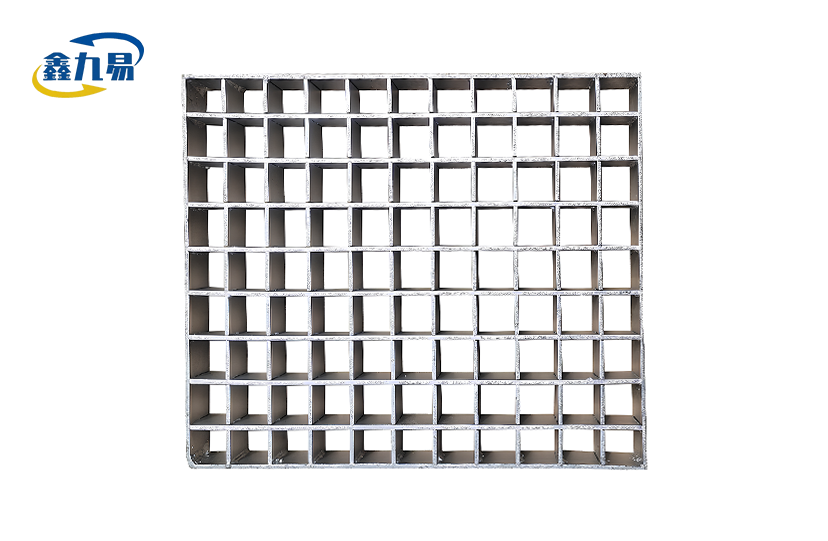
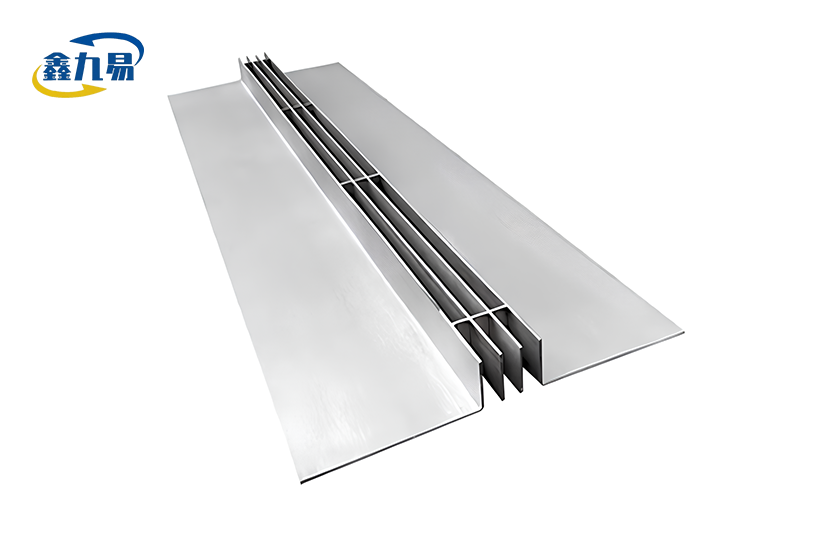
You can weld or pressure-lock the parallel load-bearing bars and transverse cross bars together to make stainless steel bar grating. The chromium content, which is usually at least 10.5%, makes an oxide layer that fixes itself at the molecular level and stops the rusting process. Grades 304 and 316 are the norm in the business world. A small amount (2–3%) of molybdenum is added to grade 316 to make it stronger against chlorides and acidic media. Based on ASTM A666 these metals are said to meet strict chemical and engineering standards.
What Is Galvanised Steel Grating?
Grate that has been hot-dip galvanised is put in liquid zinc that is about 450°C. This gives the skin an extra layer of zinc to protect it. This zinc covering rusts before the base steel does, so it acts as a sacrifice barrier. The coating is usually between 45 and 85 microns thick, but this depends on the standard for the purpose. When it's warm outside, it works fine, but the steel below becomes weak when the zinc layer is worn down, hit, or exposed to chemicals for a long time.

Performance Comparison: Stainless Steel vs. Galvanised Steel Grating
There are three places where performance differs most clearly: resistance to corrosion, structural strength, and upkeep load. When you choose the wrong one between the two, replacement cycles start too soon and project costs go over budget.
Corrosion Resistance
Stainless steel's surface will heal itself after being scratched because the chromium in the metal mixes with oxygen in the air to protect it again. Galvanised coats can't fix themselves in this way. A study from the American Galvanisers Association says that zinc coatings can fade in 5 to 15 years, depending on how much they are exposed, in industrial or coastal settings. NAAMM MBG 531 standards say that 316-grade stainless steel will stay strong for 25 to 30 years, even if it is subject to salt spray.
Load Capacity and Structural Integrity
Tensile strength of stainless steel is higher than that of normal carbon steel, which is used in galvanised grates. The tensile strength of 304 stainless steel is at least 515 MPa. This lets bar shapes be thinner while still being able to hold the same amount of weight or more. This makes the whole thing lighter without affecting how well it works. Galvanised grating is strong when it's just carrying people or light vehicles, but it breaks down more quickly when it's being shook or moved around a lot.
Maintenance Requirements
Galvanised grates should be checked often, and if the zinc starts to wear off, it might need to be re-coated. This is very important in chemical plants and places close to the water. Stainless steel bar grating only needs to be cleaned every so often. Food processing plants, business kitchens, and pharmaceutical clean rooms are all places where cleaning is very important. Stainless steel's smooth, non-porous surface makes it easy to clean directly and stops germs from growing, so it meets high FDA and GMP hygiene standards.
Cost Analysis and Procurement Considerations
There is a real and important price difference between stainless steel and galvanized steel at first. However, lifecycle cost analysis often shows that the savings were actually lost.
Galvanized steel grating has a lower starting unit price, which makes it a good choice for big projects that need to stick to a budget, like warehouse platforms or temporary drainage on building sites. To handle short-term cash flow, procurement teams with limited capital budgets often choose galvanized options.
The price of the raw metal, the fact that it is harder to make, and the need for quality approval all make stainless steel bar grating more expensive to buy. On the other hand, its service life of 15 to 30 years, compared to 8 to 15 years for galvanized alternatives in similar environments, makes the total cost of ownership much lower. When municipalities choose stainless steel for drainage channel covers and trench grates, the total cost of building infrastructure over 15 years is typically lower, according to the procurement engineers in charge of those projects.
When it comes to procurement logistics, wait times, minimum order amounts, and how quickly you can make something special are all important. Suppliers who can do CNC fabrication and provide traceable material certificates lower the risk of not qualifying and speed up the approval process. This is especially true for projects that need documented 304 or 316 mill certifications.
Application Scenarios: When to Choose Stainless Steel or Galvanised Steel?
The environment is the most important thing to consider when choosing materials. Neither choice is always better; the best one relies on the conditions of exposure, the need for cleanliness, the desired look, and the expected length of the project.
Here are the primary application scenarios where each material excels:
- Municipal drainage and urban landscaping: Stainless steel bar grating works well in public areas, parks, and road drainage lines in cities where long life and good looks are important. Its natural sheen goes well with current building finishes and doesn't affect its hydraulic performance. The best slot spacing, which ranges from 20 mm to 100 mm, stops debris well without slowing down flow rates. If money is tight and salt exposure is low, galvanized grating can be used instead.
- Food processing, pharmaceutical, and clean facilities: As the only type of stainless steel that can be used for drainage trenches and floor grates in meat processing plants, breweries, and clean industrial settings, 316-grade stainless steel is used in these places. The surface is non-reactive, so there is no chance of contamination, and the polished finishes bring the surface roughness down to below 0.8 Ra, which is in line with EHEDG hygiene design guidelines. Because zinc can leach out of galvanized steel when cleaned with acidic chemicals, it can't be used in these places.
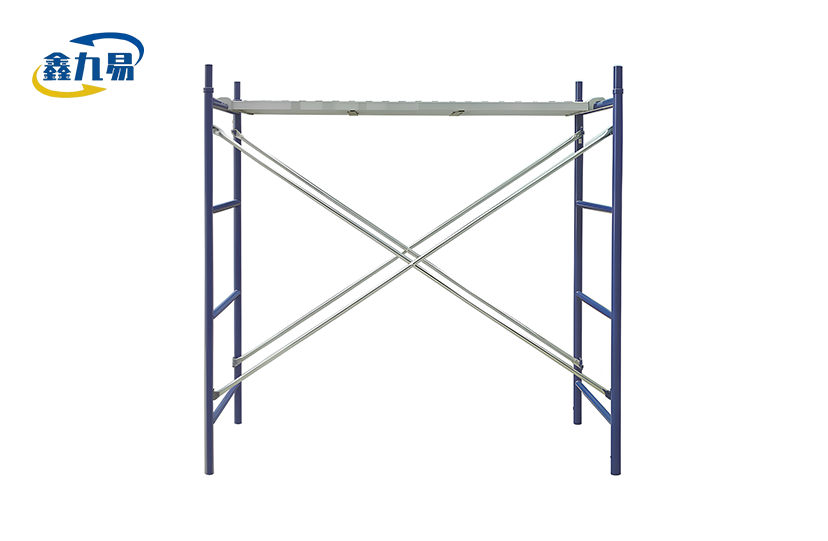
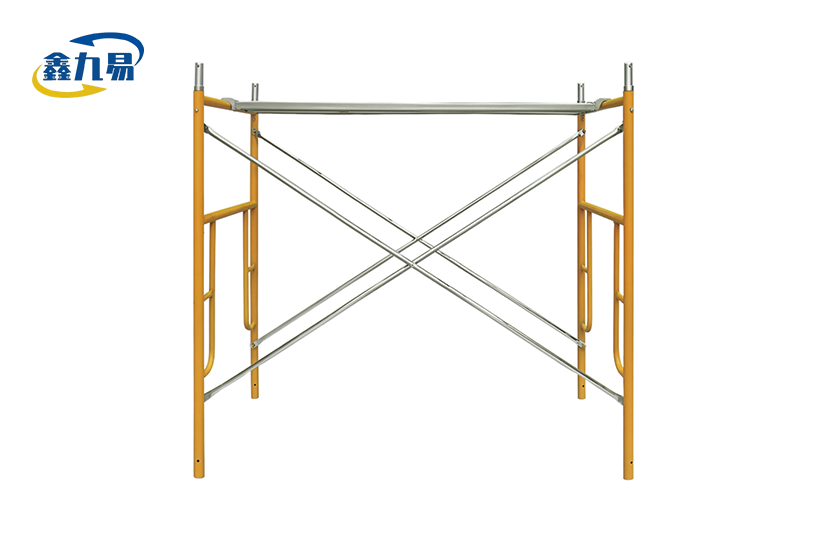
- Construction platforms and industrial worksites: Galvanized grating is a reliable structural choice for temporary site platforms, scaffold decking, and equipment access walkways where chemical exposure is restricted. Its low cost makes it possible to quickly install on a large scale. When the installation will last for a long time or is in an environment that is likely to rust, like a chemical processing plant or seaside infrastructure, stainless steel is the only option.
These distinctions confirm that procurement professionals should evaluate application lifespan and environmental chemistry before defaulting to either material purely on price.
Selecting the Right Supplier for Steel Grating
A technically better product is less valuable if it comes from a seller that can't guaranty uniform quality, material approvals that can be checked, and quick custom fabrication. As much care should be put into choosing materials as into choosing suppliers.
What to Verify Before Committing?
Reliable providers give out original mill certificates that can be linked to each production batch and prove the alloy grade makeup for stainless steel 201, 304, or 316. Positive Material Identification checking gets rid of the risk of using substitute metals, which has been known to be a problem in bulk buying. Comparing load deflection tests to NAAMM tables makes sure that the claimed load limits match how well the structure actually works.
Fabrication Flexibility and Custom Capability
Projects don't usually follow standard sizes. Custom lengths, widths, heights, and slot combinations can be made by suppliers with CNC cutting and precise welding equipment. For batch orders, this is usually done within 15 to 30 days. For clean uses, surfaces with even gaps and a polished or mirror-like finish need consistent process control, which can only be provided by facilities designed for that purpose.
Conclusion
When it comes to corrosion protection, service life, cleanliness, and lifetime cost, stainless steel bar grating is better than galvanized options. This is especially true in settings like food preparation, coastal or chemical, and city drainage. Galvanized steel is still a good choice for moderate-exposure uses with set short to medium lifespans that don't go over budget. The best way to buy something is to weigh the initial cost against the total cost of ownership, as well as the supplier's ability to meet deadlines for special designs and material certifications. Stainless steel should be used for projects that need to last for 15 years or more and require little to no maintenance.
FAQ
What is the minimum slot spacing available for custom drainage grating?
The distance between slots is usually between 20 mm and 100 mm, but there are choices in between. The right opening depends on the type of trash that will be present and whether the installation has to meet ADA safety standards for pedestrians, which limit clear holes to keep heels or canes from getting caught.
Does stainless steel grating require any surface coating after installation?
There is no need for coating. When the chromium oxide inactive layer is exposed to oxygen, it normally grows back. In coastal or highly chlorinated settings, electropolishing should be done after production to lower the surface roughness and raise the density of the passive layer.
How do I confirm that delivered grating matches the specified alloy grade?
Ask for batch-traceable mill certificates and, if the stakes are high, have the goods you receive tested by an independent Positive Material Identification company. Suppliers of stainless steel bar grating that you can trust keep full records from the raw coil to the finished product.
Can galvanised grating be used in food processing facilities?
Galvanized steel shouldn't be used in places where food is being drained. Zinc can leak out when cleaning with acidic or alkaline products, which can make food unsafe and goes against FDA rules and HACCP guidelines.
What load-bearing capacities are achievable with stainless steel bar grating?
How much weight a bar can hold relies on its width, spacing, and span. Plate thicknesses ranging from 2 mm to 8 mm and adjustable bar spacing make it possible to create areas for light car traffic as well as light walking walks. This was proven by NAAMM MBG 531 deflection tests.
Source Your Stainless Steel Grating from Xinjiuyi — Trusted Globally
Xinjiuyi sells approved stainless steel bar grating that is used in public, commercial, and hygiene settings all over the world. As an experienced stainless steel bar grating manufacturer, we offer full custom fabrication — from slot width to surface finish — backed by ISO9001 quality management, batch-traceable mill certificates, and packing that is ready for export. Contact our team at global@xjy8.com or visit xjy8.com to request specifications, samples, or a quote that is tailored to your project.
References
1. American Galvanizers Association. Corrosion Performance of Hot-Dip Galvanized Steel. 2021.
2. National Association of Architectural Metal Manufacturers. Metal Bar Grating Manual MBG 531. 2020.
3. ASTM International. ASTM A666: Standard Specification for Annealed or Cold-Worked Austenitic Stainless Steel Sheet, Strip, Plate, and Flat Bar. 2022.
4. European Hygienic Engineering and Design Group (EHEDG). Hygienic Design Principles for Drainage Systems in Food Processing Facilities. 2019.
5. Outokumpu Stainless. Stainless Steel Corrosion Handbook: Grades, Properties and Applications. 2022.
6. International Zinc Association. Zinc Coating Thickness and Durability in Atmospheric Environments. 2020.