Construction Ladder Cage: Complete Buyer's Guide
Safety managers and procurement teams need to know what a construction ladder cage is and how it works when they are looking for vertical access solutions for high-risk construction sites. As you work on deep excavations, bridge piers, and high-rise buildings, these movable safety shelters protect you from falling and give you safe ways to move up and down and get out in case of an emergency. This guide tells you about important selection factors, such as meeting safety standards and regulations, as well as how to use the equipment and keep it in good shape over time. This way, you can make choices that protect your workers and keep up with strict safety rules.
What is a construction ladder cage? Understanding the Basics
A construction ladder cage surrounds vertical stairs to keep workers safe and stops them from falling backwards while going up or down. Unlike regular open ladders, these safety structures have horizontal hoops and vertical bars that make a confined climbing zone. This makes them a good way to deal with fall hazards in deep foundation pits, tunnel shafts, and bridge construction sites.
Types of Ladder Cage Systems
Large-scale infrastructure projects use modular fixed cages because parts can be connected with strong bolts that let the height be changed easily. Portable cages are good for short-term installations that need to be put together and taken down quickly. Custom-engineered units are used when there are special design limitations, like irregular shaft shapes or harsh weather conditions.
Material and Structural Design
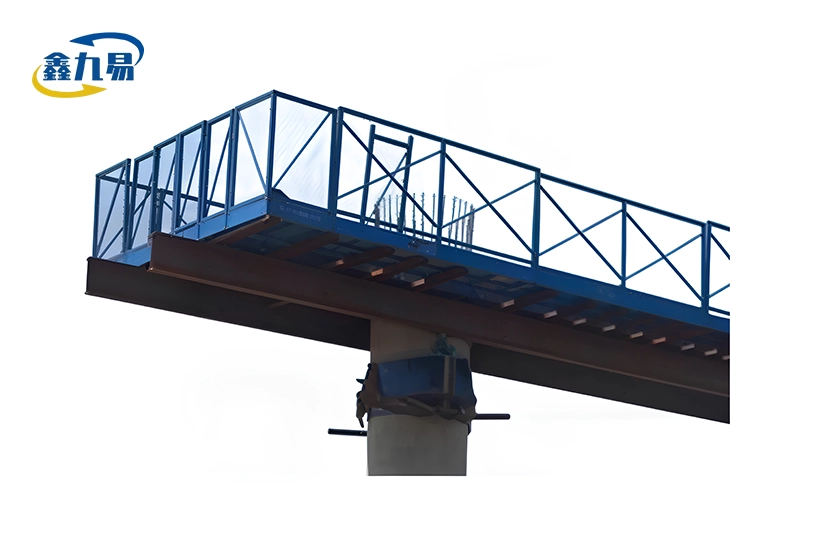
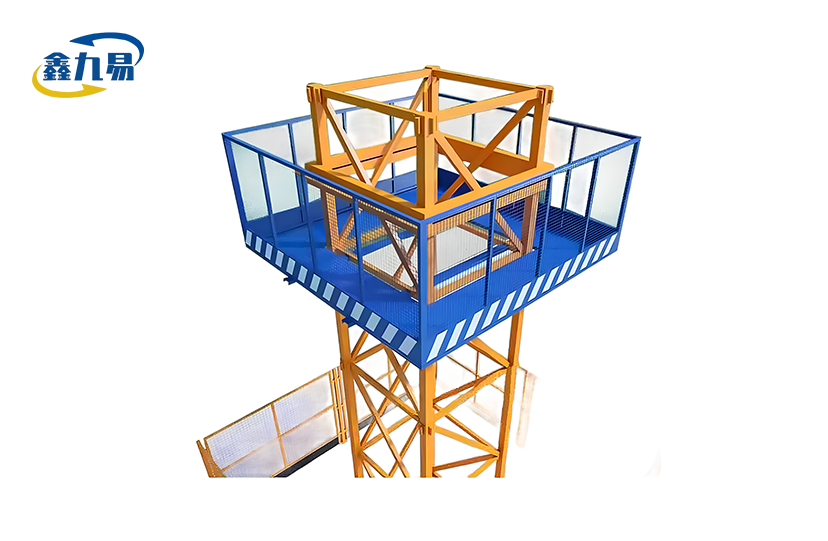
High-strength galvanized steel is still the standard because it doesn't rust and can hold a lot of weight. Xinjiuyi's Construction Ladder Cage systems are made from thickened rectangular tubes (80 mm × 80 mm with 3.0 mm wall thickness) and angle steel frames that are welded together to form strong structures capable of handling wind loads and everyday wear and tear. The modular design features 3000 mm standard sections that can be customized to fit a wide range of project heights and spatial arrangements. Hot-dip galvanizing ensures durability exceeding 20 years, even in seaside or environmentally harsh areas.
Key Dimensional Parameters
When it comes to standard section sizes, each unit is 3000 mm long, 2000 mm wide, and 2000 mm high. The platform connecting tubes are 90 mm x 90 mm and 4.0 mm thick, which makes them stable even when a lot of workers are using them at once. Anti-slip treads with 2.0 mm checkered plates and welded wire mesh (75 mm opening) protect against both slipping and falling things.
Ladder Cage Safety Standards and Regulations
Following the rules keeps your business from getting sued and protects workers. In the US, OSHA 1910.28 says that fixed ladders longer than 24 feet must have personal fall arrest systems or Construction Ladder Cage systems built in. In the past, cages alone were allowed in some sites, but now the best practice is to use cages along with other control systems to provide extra safety.
International Standards Framework
ANSI A14.3 lists the minimum structural requirements, such as the distance between hoops and the cage's diameter. European EN ISO 14122-4 sets the rules for safe access design on industrial platforms, with a focus on material certification and load testing. Multinational companies working in Southeast Asia, the Middle East, or Africa need to make sure that their suppliers follow regional versions of these models. This will keep projects from being held up during expensive safety checks.
Structural Integrity and Load Testing
Procurement managers should request non-destructive testing (NDT) reports that confirm the integrity of the weld for the construction ladder cage. Xinjiuyi places more than 200 pounds of weight on each construction ladder cage at a time, and this proves that there is no permanent deformation. Measurements of coating thickness make sure that galvanization layers are thicker than 85 microns, which is important for keeping things from rusting over time in humid or marine environments.
Maintenance Protocols for Compliance
Every six months, regular checks find rust, loose bolts, or broken mesh sections. Fixing problems right away, like reapplying zinc-rich coats or removing broken parts, keeps the structure reliable. Keeping records of repair logs and inspection plans shows that regulations are being followed during third-party checks, which lowers operational risk.
Comparing Ladder Cage Solutions: Choosing the Best Fit for Your Needs
When choosing the right vertical entry system, you should think about how safe it is, how long it will last in the environment, and the total cost of ownership for a construction ladder cage. Procurement teams can better use their funds and meet project-specific needs when they know how different options compare.
Ladder Cages vs. Alternative Fall Protection Systems
Harness-based systems work best for short-term tasks because they need active user participation and proper training. Passive security is provided by ladder cages, which eliminates the risk of mistakes that can happen during repeated rises. Cages are helpful for projects where workers are rotated often, like building tunnels or maintaining bridges, because they don't depend on each person following harness rules.
Material Comparisons: Steel vs. Aluminum
Galvanized steel cages can hold more weight and are more resistant to impact, making them perfect for industrial areas with a lot of foot traffic. Aluminum units are easier to move by hand and weigh less, but their higher material costs and lower tensile strength mean they can only be used in lighter-duty situations. For applications requiring vertical access safety, the construction ladder cage is an essential component, and Xinjiuyi's steel cages are both cheap and have been shown to last a long time, which makes them a good choice for medium to large businesses that are working on several projects at once.
Evaluating Manufacturer Credentials
Top providers have ISO9001, ISO45001, and ISO14001 certifications, which show that they have strong quality control, workplace health systems, and care for the environment. Look for manufacturers that offer detailed technical drawings and information on how much weight they can hold. Xinjiuyi gives you customized design drawings before they start production. This makes sure that the product fits your site's needs and lowers the chance of installation mistakes.
Load Capacity and Customization
Standard cages can hold up to three workers at once, but bigger platforms or more handrails can be added to special designs to make them more accessible for a lot of people. Modular sections let projects add height in small steps, so equipment doesn't become outdated too quickly. Because it is flexible, it can be used more often on different job sites, which lowers long-term capital costs.
How to Procure and Install Construction Ladder Cages
Evaluation of seller dependability, wait times, and after-sales help are key to efficient procurement of a construction ladder cage. Strategic choices about sources keep project delays to a minimum while maintaining safety standards.
Supplier Selection Criteria
When buying from international companies, make sure you know how much they can make by checking their facilities or getting inspection reports from a third party. The Cangzhou plant of Xinjiuyi has well-developed supply chains that can meet the needs of big orders on time. To see how well the product works in the real world, ask for sample units or case studies that show how it has been used successfully in similar situations, like deep excavation projects or high-pier bridges.
Customization and Technical Support
Non-typical projects need answers that are made just for them. If a supplier offers pre-sales engineering consultations, they can use your architectural drawings to find the best cage sizes, platform layouts, and anchor point locations. Xinjiuyi's team provides detailed technical specifications and CAD models that make it easy to connect to existing formwork or scaffolding systems. This proactive approach cuts down on the costs of making changes on-site and speeds up the installation schedules.
Installation Best Practices
Professional installation services make sure that the job is done according to the manufacturer's instructions and all applicable laws. When providers give clear assembly instructions and step-by-step video guides, trained site teams can still install things themselves, including the Construction Ladder Cage. Bolt-on modular designs make field assembly easier because they only need basic hand tools and very little welding, and this simplicity extends to attaching the construction ladder cage as well. After the structure is built, safety checks are done to make sure it is stable and to see if any changes need to be made before workers can start entering, and these checks specifically verify the secure installation of the construction ladder cage.
Shipping and Handling Logistics
When shipping, large or special cages need to be carefully packed to keep them from getting damaged. Talk to your suppliers about using stronger pallets and protective wrapping for shipments to other countries. Buying from within the country cuts down on lead times and makes it easier to file warranty claims, but buying from well-known companies abroad, like Xinjiuyi, often offers better value through lower prices and more advanced engineering skills.
Maximizing Value and Safety: Best Practices and Tips
Preventative maintenance, worker training, and using new safety technologies are all ways to make a construction ladder cage last longer.
Integrating Complementary Safety Systems
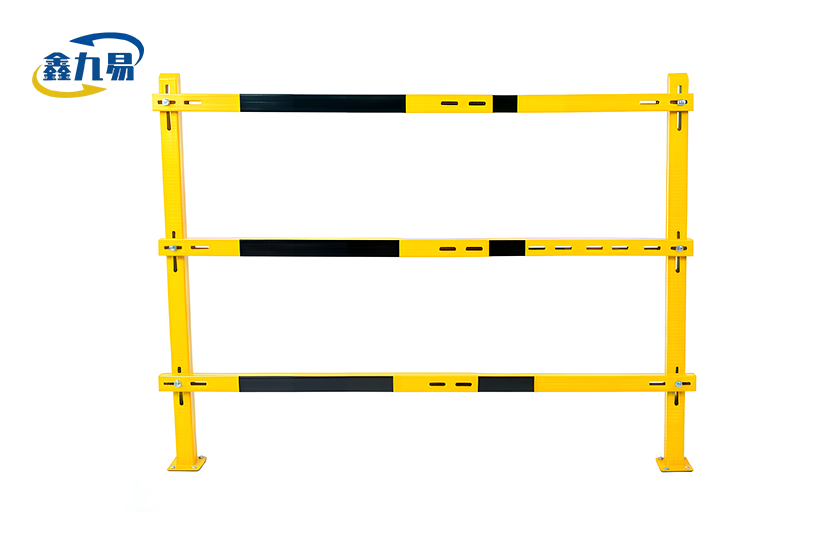
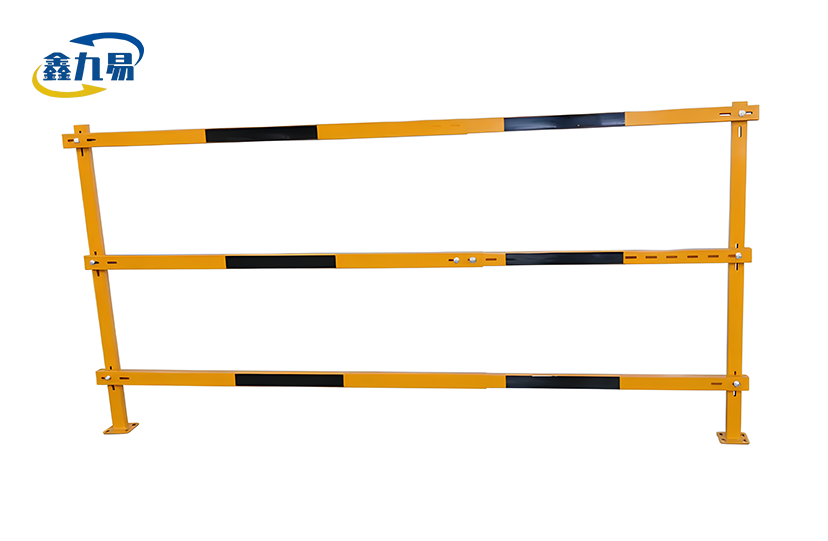
Adding guardrails, safety nets, and warning signs to ladder cages makes them safer all around. Adding chemical-resistant coats to cage surfaces keeps them from breaking down too quickly at sites that handle dangerous materials. Regular training sessions help people remember how to do things like keep three-point contact and not overload their gear.
Routine Maintenance Strategies
Problems with the environment, like salt spray along the coast or acidic conditions in factories, make things wear out faster. Plan checkups every six months to check the thickness of the coating, grease the bolt joints, and replace any mesh panels that are worn out. Cleaning protocols get rid of buildups of debris that could make it hard to see where you're walking or weaken structural joints. These steps keep the cage's integrity and stop failures from happening at crucial times.
Future-Oriented Trends
Advanced materials, such as fiber-reinforced polymers (FRP), are lighter and more resistant to corrosion than older materials. However, their higher costs make them less popular right now. Smart sensor interfaces keep an eye on the stress on structures and let managers know about problems before they get worse. Using recycled steel and low-emission coatings in industrial processes that are good for the environment helps companies meet their environmental goals and gets them green building approvals.
Conclusion
To choose the best construction ladder cage system, you need to think about how much it will cost to own, how safe it is, and how long the materials will last. It has been shown that modular galvanized steel cages work well in a wide range of tough construction sites, from deep excavations to high-rise building projects. Your investment will be worth it in the long run thanks to strict supplier evaluation, customized engineering support, and proactive maintenance protocols. Procurement teams can lower risk and improve working efficiency across global infrastructure portfolios by putting a high priority on following regulations and protecting workers.
FAQ
1. What height requires a ladder cage installation?
Fixed ladders longer than 24 feet are required by OSHA to have fall protection. Modern safety standards say that cages should be used with personal fall arrest systems to make them safer, especially on installations above 30 feet, where the effects of a fall are much worse for a construction ladder cage.
2. Can ladder cages be customized for unusual site conditions?
When it comes to narrow shafts or odd shapes, modular systems let you change the sizes to fit. Custom engineering takes into account harsh environmental factors like high wind zones or exposure to chemicals that break down structures, making sure that their integrity is not compromised.
3. How often should ladder cages be inspected?
Normal settings only need to be inspected every two years, but places with a lot of traffic or chemicals should be inspected every three months. Inspection logs that are written down show that rules are being followed and show what repairs need to be done before small problems become safety risks.
4. What is the expected service life?
Good hot-dip galvanized cages don't need much maintenance and last 20 to 50 years. The best way to get the most out of your investment and keep workers safe during long project timelines is to do regular upkeep, such as treating rust and replacing parts when they break.
Partner with Xinjiuyi for Certified Ladder Cage Solutions
Hebei Xinjiuyi Construction Technology Co., Ltd. has modular construction ladder cage systems that are built to meet or exceed international safety standards and are ready to meet your vertical access safety needs. Our ISO-certified manufacturing processes and guarantee that products will last for 20 years give general contractors, infrastructure developers, and safety equipment distributors around the world unbeatable value. Whether you need standard 3000 mm sections or cages that are specially made for your site's shape, our technical team can help you with everything, from the initial CAD drawings to helping you set up the equipment on-site. Get in touch with us at global@xjy8.com to talk about the details of your project and get a personalized price from a reliable construction ladder cage maker that cares about keeping your workers safe.
References
1. American National Standards Institute. (2020). ANSI A14.3: Safety Requirements for Fixed Ladders. Washington, DC: ANSI Publications.
2. Occupational Safety and Health Administration. (2018). OSHA 1910. 28: Duty to Have Fall Protection and Falling Object Protection. U.S. Department of Labor.
3. European Committee for Standardization. (2016). EN ISO 14122-4: Safety of Machinery – Permanent Means of Access to Machinery – Part 4: Fixed Ladders. Brussels: CEN Publications.
4. Construction Industry Institute. (2019). Best Practices for Vertical Access Safety Systems in Heavy Construction. Austin, TX: CII Research Reports.
5. National Safety Council. (2021). Fall Prevention in Construction: Engineering Controls and Equipment Standards. Itasca, IL: NSC Press.
6. International Organization for Standardization. (2017). ISO 1461: Hot Dip Galvanized Coatings on Fabricated Iron and Steel Articles – Specifications and Test Methods. Geneva: ISO Standards Catalogue.