Why Every Construction Site Needs a Construction Ladder Cage?
A construction ladder cage isn't just another piece of equipment; it's an important safety feature that protects against unprotected vertical access, which is one of the most overlooked risks on the job. These protected ladder systems protect workers from falling while they move from one level to another. They can be used instead of homemade ladders and other temporary solutions that aren't safe or legal. Standardized ladder cage systems are a big change from safety measures that are only used when something goes wrong to protection strategies that are used before something goes wrong and save lives.
Understanding Construction Ladder Cages and Their Importance
What Defines a Modern Ladder Cage System
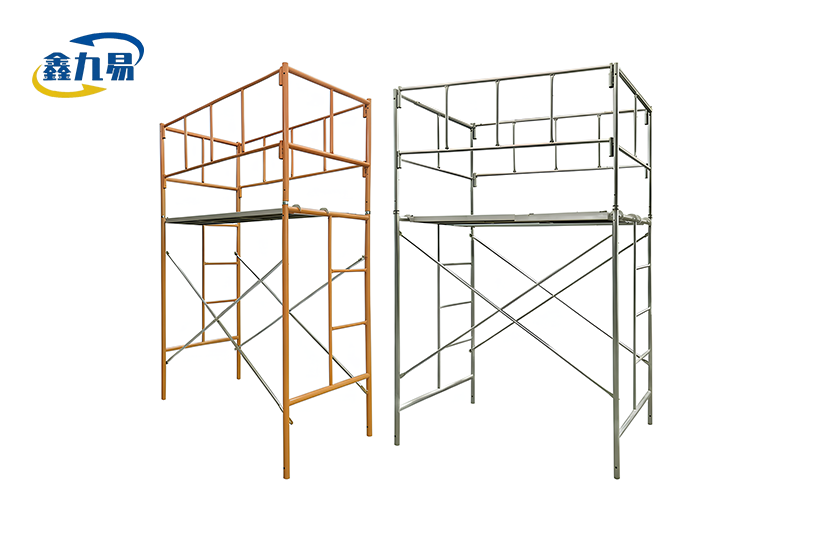
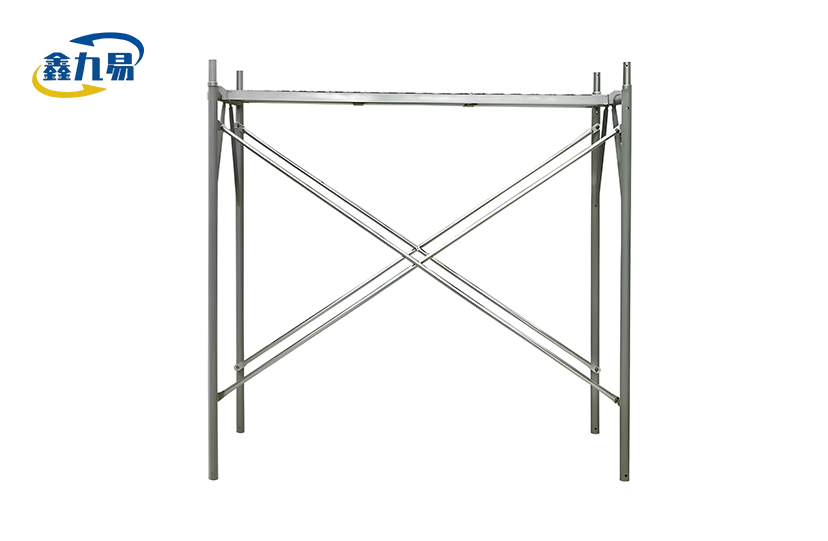
Modern construction ladder cages are fully sealed vertical tunnels that keep workers safe while they climb and descend. In contrast to regular open ladders, these structures have safety mesh panels, non-slip treads, and strengthened frames that make them safe to climb. At Xinjiuyi, our systems are made with thickened, galvanized rectangular tubes and angle steel, which are bonded together to make a frame with great structural strength. Each section is 3000mm long, 2000mm wide, and 2000mm high, which are dimensions that can be changed to fit the needs of a specific project. The modular design makes assembly easy.
Why Passive Protection Outperforms Active Systems
The main benefit of ladder cage systems is that they protect you without you having to do anything. In contrast to harnesses, which need constant user engagement and proper attachment, an enclosed cage system protects workers all the time, even if they don't follow the rules. This way of thinking about design makes human error much less likely. Our fully enclosed frame design, along with the non-slip treads inside and the protective mesh outside with 75 mm welded wire holes, makes for a double safety guarantee. People falling and objects hitting people are two of the most common problems that happen during vertical access work on building sites. The construction ladder cage stops both of these problems.
Regulatory Framework and Compliance Requirements
For vertical access protection, safety rules in all international markets require certain standards. Even though OSHA standards are good to follow, modern building practices demand solutions that go above and beyond what is required. Our ladder cage systems follow the rules for construction safety that say what materials can be used, how stable the structure must be, and how well it can stand up to the weather. The column tubes are 80 mm wide and 30 mm thick, and the square and rectangular tubes are 80 mm wide and 30 mm thick. The platform connecting tubes is 90 mm wide and 40 mm thick. These requirements make sure that strict safety standards are met, and the products last a long time in a variety of operating settings.
Key Safety Standards and Compliance for Ladder Cages
Material Specifications That Determine Longevity
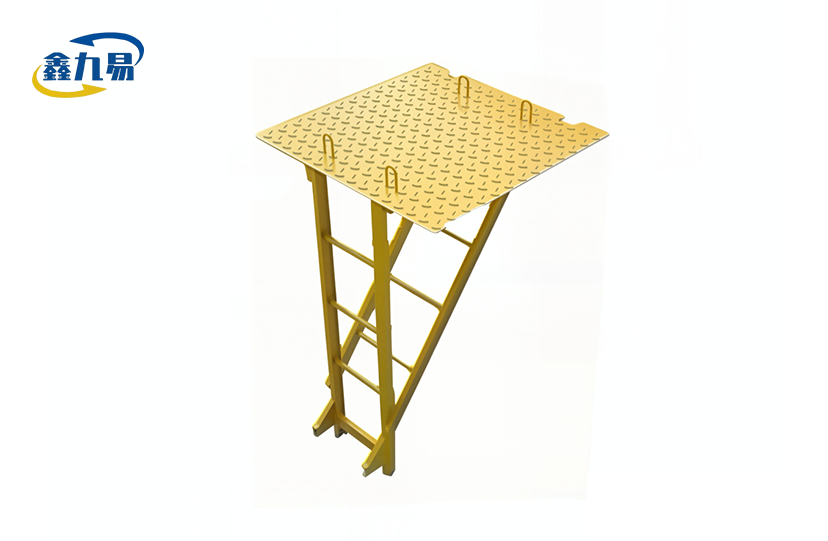
The choice of material has a direct effect on both how safe something is and how long it lasts. Construction ladder cages that work well are built on high-strength national standard steel. We use a surface process called "hot-dip galvanizing" at Xinjiuyi that makes the steel very resistant to corrosion, rust, and weather. Because of this treatment, our systems can keep their structural integrity even after being exposed to harsh environmental conditions for a long time. The 2.0 mm thickness of the platform's checkered plate and the 2.0 mm thickness of the stair half-treads make sure that the weight is spread out evenly and stays within an acceptable range for modular building tasks.
Structural Design Considerations for Complex Environments
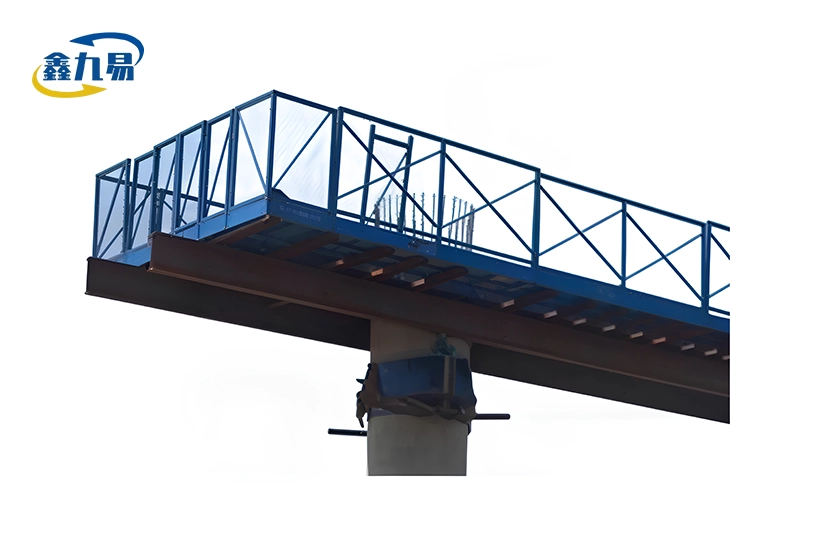
In deep excavation engineering, building a high-pier bridge, putting in a building floor, and tunnel shafts are all different types of vertical access challenges. Our construction ladder cage design takes these problems into account by using standard modular sections that are joined together with strong bolts. The protected mesh frame is made of 30-degree iron that is 2.5 mm thick, and the protective mesh connecting parts are 5 mm thick. These strengthening strategies eliminate the risks of systems becoming loose or deformed, which are common problems in substandard systems. The Construction Ladder Cage is robust enough to withstand wind loads, making it suitable for open work sites where wind and weather can pose extra dangers.
Inspection Protocols and Maintenance Requirements
To stay in line, you need to follow set rules for inspections and upkeep. Weld soundness, pin tightness, surface coating condition, and mesh panel security should all be checked on a regular basis. Fully welded parts that were ground smooth during production reduce the need for upkeep while maintaining structural consistency. Long-term costs are lower because daily maintenance is still simple and easy to clean. To show ongoing compliance during safety audits and regulatory inspections, we suggest writing down inspection schedules and keeping service records.
Selecting the Right Construction Ladder Cage: A Procurement Guide
Critical Evaluation Factors for Procurement Managers
When making purchases, people should weigh the short-term costs against the long-term benefits. When looking at construction ladder cage systems, you should think about how long the materials will last, how easy they are to install, how customizable they are, and how reliable the provider is. Our modular design lets the number of sections be changed easily based on the height of the building, so it can be used over and over again on many different projects. Compared to systems that are only used once or for a few tasks, this flexibility saves a lot of money. The bolt connection method makes it easy to put together and take apart parts quickly and efficiently, which cuts down on labor costs and project delays.
Customization Options for Specialized Applications
Standard options don't always meet all of the unique needs of a place. For deep foundation pit work, the height may need to be stretched, while for bridge pier work, the width may need to be narrowed. Because we can make things very precisely, we can fully customize every product in our line, including the construction ladder cage. Professional pre-sales technical services offer design solutions on demand, such as thorough models that make it easy to see how the project will look before it starts. Customization makes sure that everything works perfectly, whether you need non-standard dimensions, unique access points, or integration with the infrastructure of an existing site.
Evaluating Total Cost of Ownership
The costs of the initial purchase are only one part of the total investment. Think about how much it will cost to maintain, how long it should last, how it could be used again, and any costs linked to safety. Xinjiuyi ladder cage systems are made to last up to 20 years, which is a lot longer than most equipment lasts. The surface treatment of high-temperature baking paint or hot-dip galvanizing keeps the look and strength of the structure for a long time. The visually appealing yellow and black warning colors make building sites look much more civilized while still being easy to see. Because of these things, the return on investment is higher than with lower-quality options.
Installation, Maintenance, and Best Practices for Ladder Cages
Strategic Installation Planning
A thorough site assessment and planning is the first step to a successful installation. Find entry places, check the state of the ground, figure out the required height, and look at environmental exposure factors. Our modular bolt connection system makes installation easier than welded-in-place systems, but it's still very important to do it right. Ground-level base parts need to be securely anchored so they don't move or fall over. Each new section must perfectly line up with the ones that came before it to keep the structure stable and make sure everything works smoothly. Accuracy and safety are guaranteed when using professional installation services for construction ladder cages.
Preventive Maintenance Programs
Setting up a schedule for preventative maintenance will protect your investment and make sure that safety rules are always followed. Visual checks should be done once a month to look for damage to the surface covering, loose bolts, broken mesh panels, and worn treads. Structure alignment, weld integrity, and overall stability should be checked with detailed inspections every three months. Professional evaluations done once a year give thorough reports that find potential problems before they become dangerous or need expensive repairs.
The Business Case: Benefits of Investing in Quality Ladder Cages
Quantifiable Safety Improvements
Data from building projects shows that good vertical access control has a big effect. When standard stairs were replaced with enclosed construction ladder cages, the number of falls and close calls went down. These changes directly led to lower costs for workers' compensation, lower insurance rates, and less risk of being sued. Beyond the numbers, it's impossible to overstate the emotional cost of injuries at work, both for the workers who are hurt and for the morale of the team as a whole.
Operational Efficiency and Project Timeline Benefits
People don't always want to use safety equipment that makes things more difficult. Our ladder cage systems improve workflow efficiency instead of slowing it down. With a sealed design, workers can carry tools and materials while going up and down, which is dangerous or impossible with support systems. The modular parts can be quickly changed to fit the needs of the site, so there are no more delays that come with temporary entry solutions. Quick assembly and disassembly cut down on the time needed to move equipment, so work can continue without long breaks.
Enhanced Site Image and Stakeholder Confidence
Regulatory bodies, clients, and members of the public are paying more attention to modern building sites. Safety infrastructure that can be seen shows that you are professional and care about the well-being of your workers. Our ladder cage systems' bright yellow and black warning colors make the construction site look more professional while still being easy to see. This visual effect reassures customers, pleases government inspectors, and shows that the company cares about its community partners.
Conclusion
If you want to know if your building site has the right vertical access safety, ask yourself if you can afford the problems that will happen if the systems aren't up to par. Enclosed construction ladder cage systems are tried-and-true technologies that solve basic safety problems and provide operational and financial benefits. Because these systems offer passive security, follow regulations, can be customized, and last a long time, they are necessary for safe building operations. Investing in high-quality ladder cage systems will set your organization up for long-term success as safety rules change and stakeholder expectations rise.
FAQ
1. What makes steel ladder cages superior to aluminum alternatives for construction sites?
Compared to aluminum options, steel construction ladder cage systems are more stable and don't get damaged by wind. The thickened galvanized rectangular tubes and angle steel construction make it very durable for harsh construction sites. Steel can hold more weight and doesn't bend when it's under stress because it has a higher tensile strength. The hot-dip galvanizing surface process makes sure that steel systems keep their structural integrity and resistance to rust over a long period of time. Even though aluminum is lighter, steel systems are stronger and better suited for heavy tasks like deep excavation, building high-pier bridges, and other situations where a weak structure could have serious consequences.
2. How frequently should ladder cage systems undergo professional inspection?
Visual inspections should be done once a month by site staff to look for obvious damage, loose connections, and coating wear. Structure alignment, bolt tightness, and mesh panel security should be checked every three months with thorough checks. Professional evaluations done once a year include full evaluations that include load testing and checking the structure's stability. Sites that work in harsh environments, like coastal areas with salt air, industrial settings with chemical air, or places where temperatures change a lot, should have their inspections done more often. Keeping thorough records of inspections shows that you are following the rules and lets you know about possible problems early on, before they become dangerous or need expensive emergency fixes.
3. Can ladder cage systems be customized for non-standard height requirements?
The modular design lets you make a lot of changes to meet different height needs. Standard pieces that are 3000 mm long can be put together to make almost any vertical entry distance. The bolt connection system lets you change the layout easily without affecting the strength of the structure. Custom sizes are made to fit specific site conditions, like small footprints or blending in with other buildings. Professional technical services offer design solutions with accurate drawings, making sure that the suggested arrangements meet both safety standards and operational needs. Because they can be changed to fit different needs, ladder cage systems can be used for a wide range of tasks, from shallow excavations to high-rise construction and bridge piers.
Partner with Xinjiuyi for Comprehensive Ladder Cage Solutions
Xinjiuyi can help you meet your vertical access safety needs with designed construction ladder cage systems that are made to meet international standards. As a manufacturer with a lot of experience, we offer solutions that protect workers and make operations run more smoothly by combining advanced production skills with customer-focused service. Our ISO-certified production methods guarantee consistent quality, and our ability to customize means that we can meet the special needs of any project. This includes deep excavation engineering, high pier bridge construction, building floor construction, and tunnel shaft applications.Contact our technical team at global@xjy8.com to talk about your specific needs and get detailed project proposals. We offer full support from the initial design phase through installation guidance, and we are dedicated to ensuring the highest level of safety on construction sites.
References
1. American Society of Safety Professionals. (2021). Construction Industry Safety Standards: Vertical Access Protection Systems. ASSP Publishing.
2. International Labour Organization. (2020). Safety and Health in Construction: Guidelines for Managing Fall Protection Equipment. ILO Publications.
3. National Institute for Occupational Safety and Health. (2022). Preventing Falls from Heights in Construction: Engineering Controls and Best Practices. NIOSH Research Report Series.
4. Construction Safety Association. (2021). Ladder Cage Systems: Design, Installation, and Maintenance Standards for Industrial Applications. CSA Technical Manual.
5. Occupational Safety Research Institute. (2023). Comparative Analysis of Fall Protection Systems in Deep Excavation and High-Rise Construction. Journal of Construction Safety Engineering.
6. Global Construction Equipment Standards Council. (2022). Modular Safety Systems for Temporary Vertical Access: Specifications and Performance Criteria. GCESC Guidelines Publication.