Keep Construction Workers Safe with an Excavation Guardrail System
There are risks on every construction site, but falls from the edges of excavations are still one of the easiest ways to avoid getting hurt or killed. An excavation guardrail system is a very important physical barrier that keeps people from falling into ditches, foundation holes, and open digs by mistake. This flexible safety system keeps vehicles out of dangerous areas, separates them, and directs safe traffic around work zones that are in use. These guardrail systems are designed to meet international safety standards. They are more than just legal requirements; they show a dedication to saving lives and lowering practical risks on building sites around the world.
Understanding Excavation Guardrail Systems: Definition, Types, and Benefits
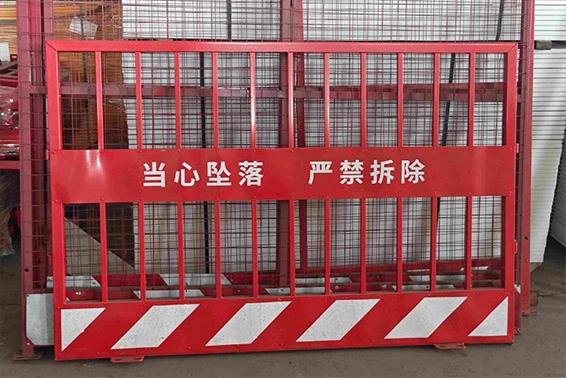
An excavation guardrail system is very different from regular site fencing. Specialized safety systems like these are made to handle certain horizontal loads and make it easy to see where the dangerous areas are. Professionally designed pit edge protection stays strong even when it's hit or stressed by the environment, unlike makeshift timber hoarding or rope barriers.
What Makes Excavation Barriers Different From Standard Fencing
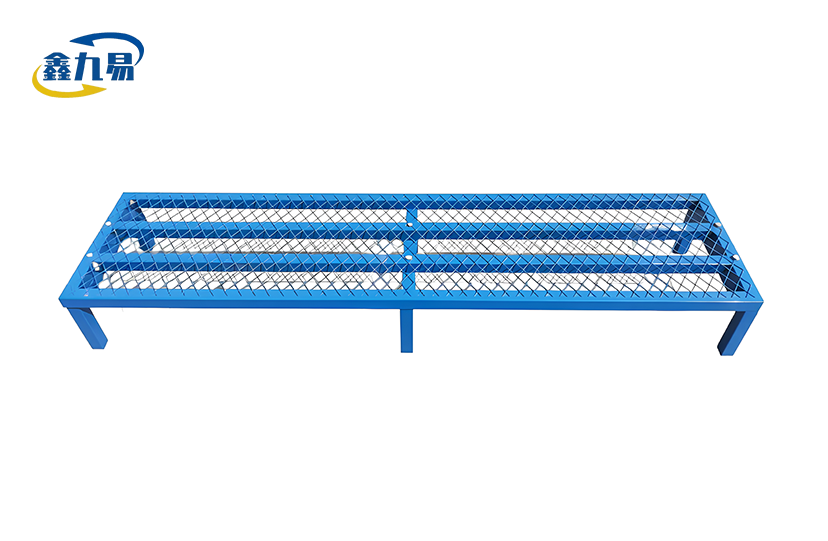
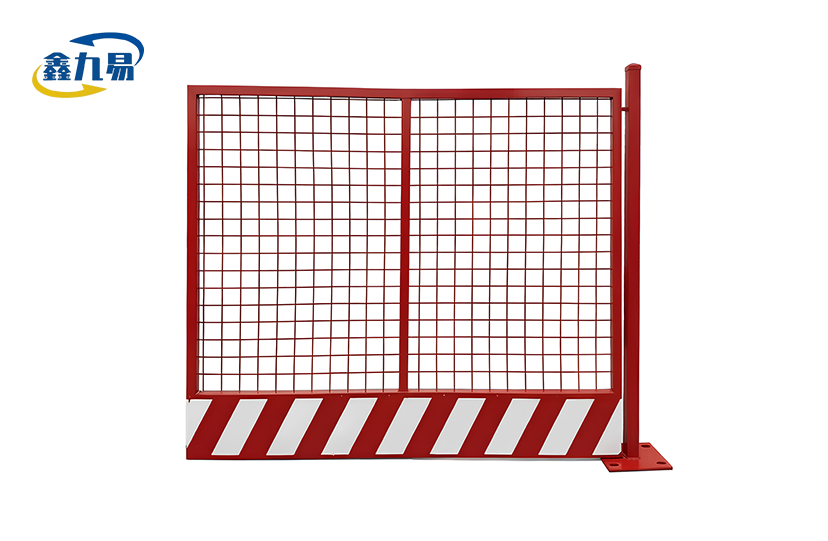
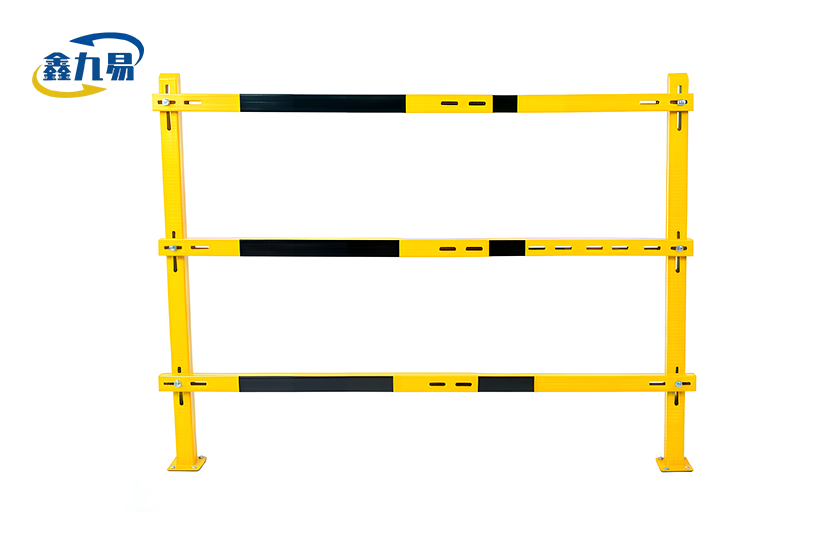
The building business has had trouble for a long time with perimeter security that isn't always constant. Pressure often breaks down traditional walls, giving people a false sense of security. With careful planning, modern excavation walls fill this gap. In Xinjiuyi, our national standard modular safety guardrail is made of square and rectangular tubes that are welded together to very exacting standards. When compared to other options, the structure is more resistant to impact and stays stable even when workers lean against the barrier by accident during operations.
When you look at load-bearing capacity, the difference becomes clear. Our systems can withstand horizontal forces that would break down regular fencing. This keeps workers safe from both accidental contact and pressure that is meant to hurt them. The built-in toe-board design keeps tools, equipment, and other trash from falling into areas that have been dug up, which is something that basic border solutions don't do.
Core Types: Temporary vs. Permanent Protection Systems
It's a big decision for project managers to decide whether to use temporary rollout or permanent installation. Temporary methods work best in settings that change quickly, like when the edges of an excavation are constantly moving. These modular units have quick-connect parts that let you move them around without special tools. This cuts down on setup time by up to 60% compared to the old way of doing things.
Permanent systems work well for long-term projects with stable edges of the trench. These systems anchor deeper into the surfaces around them, making them more resistant to wind and vandalism. The Excavation Guardrail System, for example, follows the same durable approach, with a standard width of 2000 mm and a height of 1200 mm, but these dimensions can be changed to fit the needs of each project, whether they are protecting shallow utility trenches or deep foundation excavations for tall buildings.
Choosing the right materials makes system types even more different. For heavy industrial uses, steel construction is the most durable, while aluminum alternatives save money on transportation costs for outlying sites. Our high-temperature baking paint process makes sure that both choices are resistant to weather, so they will keep looking good and working well even after being outside for a long time.
Key Safety and Compliance Benefits
Protecting excavations properly is good for business in more ways than one. OSHA rules require specific fall protection measures to be used. If these aren't followed, there are big fines that are much higher than the cost of buying the equipment. Not only do good barriers keep people from getting fined, they also lower the number of accidents that raise insurance rates and hurt a company's image.
Accident prevention saves money right away. The direct costs of a building worker getting hurt by falling usually go over $50,000, and the secondary costs are often three times that amount. When compared to the cost of installing a barrier device, the return on safety infrastructure is clear right away. Up to 75% fewer accidents happen at edges on projects that use appropriate fence systems.
The benefits of operational efficiency are often not seen. Clear, stable barriers get rid of the need for constant supervision around the edges of excavations. Workers can move easily near protected areas without having to be on high alert all the time. This keeps them productive while ensuring their safety. The bright yellow or orange safety finishes make it easy to see any dangers around the clock, protecting both day- and night-shift workers.
Excavation Guardrail System Safety Standards and Regulatory Compliance
There are regulatory systems in place to make sure that everyone is safe in a variety of building sites. By understanding these requirements, you can turn compliance from a burden to a competitive advantage, showing clients and regulatory authorities that you are a professional excavation guardrail system.
OSHA and International Standards Overview
The OSHA 1926.502 standard sets specific rules for fall protection systems used in construction. The rule says that the height of the top rail must be between 39 and 45 inches. Our normal 42-inch design is perfectly within these ranges. Mid-rails need to be placed about halfway between the top rail and the work area. This is to make sure that there is enough space between them so that workers don't slip through the gaps.
When you trade internationally, there are more rules and regulations to follow. According to European EN 13374 standards, temporary edge protection is divided into Classes A, B, and C based on what it will be used for and how much weight it can hold. Our engineering team creates systems that meet at least Class A standards and can keep people from falling from heights of up to three meters, which includes most excavation situations that happen in the world of construction.
When these standards are built into the design of a product, procurement professionals don't have to guess. When you ask Xinjiuyi to deliver a compliant system, the solution you get is ready for regulatory inspection right away, without any changes or additions. This guarantee is especially helpful for workers who are in charge of several jobs at once in different states.
Critical Design Specifications: Height, Spacing, and Load Capacity
The right barrier function depends on the exact relationships between the dimensions. The distance between grilles is set by safety rules that balance how clear things are with how well they protect. Openings must keep people from getting through by chance while still letting you see what's going on in the work areas. Our design strikes this balance by using carefully thought-out mesh sizes.
The load capacity may be the most important specification for an excavation guardrail system. Systems must be able to withstand point loads that are put on the weakest parts of the structure without permanently changing shape. Guardrails can handle 200 pounds of force acting in any way along the top rail, according to the rules for testing. This capacity takes into account workers who are carrying tools or materials and might trip over the barrier. This makes sure that the excavation guardrail system stops falls instead of making them worse.
Adding a toe board completes the safety design. Small objects can't roll or be kicked into excavations because the minimum height is at least 3.5 inches. This protects workers below and keeps work areas clean. All joints are ground down to get rid of burrs and sharp edges. This keeps people from getting hurt when they touch the barrier itself.
Inspection and Maintenance Requirements
Putting something in place is only the start of the safety process. System security is maintained throughout the project by following regular inspection procedures. Every day, visual checks look for damage or movement that is easy to see. Once a week, more in-depth checks look at connection points, anchor stability, and the condition of the coating.
Physical checks must be accompanied by certain paperwork. Safety officers have to keep records that show they followed inspection schedules. This creates audit trails that meet legal standards and protect against liability claims. Our systems make this process easier by using numbered parts and standard inspection checklists that are matched to the product specs.
When systems are installed correctly the first time, they don't need much maintenance. The powder-coated or galvanized finishes don't rust and don't need to be treated often, so they stay protected even in bad weather. When damage does happen, modular design lets you change parts instead of the whole system, which saves money and time.
Choosing the Right Excavation Guardrail System: A Decision Support Framework
Choices about selection have an effect on safety, project costs, and how well operations run. The best protection solutions are found by systematically comparing the needs of the project with the capabilities of the excavation guardrail system.
Evaluating Project-Specific Requirements
The depth of the excavation has a direct effect on the barrier specs. For utility trenches that are less than two meters deep, lighter protection systems may work, but for deep foundation excavations, heavy-duty barriers with better stability features are needed. The type of soil affects the choice of anchor. Stable clay lets you drive posts in, but rocky or sandy soil may need a different mounting method.
Accessibility of a site affects how operations are planned. Compact modular systems that come in manageable pieces are helpful for urban projects with limited staging areas. When building infrastructure in remote areas, lighter materials that take up less space might be given more attention, even if they cost a little more per unit.
Project duration influences buy-versus-rent analysis. For short-term excavations, rental agreements are best because they avoid having to commit capital and take responsibility for return. Buying systems is the most cost-effective way to handle long-term projects that need to cover excavations over and over again. This is especially true when the systems are used at multiple sites at the same time for a contractor.
Comparing Material Options and Durability
Steel is mostly used in heavy industrial settings where durability and resistance to pressure make the slightly heavier weight worth it. The welded square tube framework is very rigid and keeps its exact dimensions even when it's under a lot of stress. Our automatic high-temperature paint process fuses the coating to the substrate at the molecular level. This stops flaking or peeling, which hurts both the look and the protection against corrosion.
Material selection affects the cost over the whole life of the product. Systems designed to last 20 years spread costs over many projects, lowering the cost of safety for each project to a minimum. Being able to fix up and use old parts again increases their value, turning hurdles from costs that are used up quickly into capital assets. The Excavation Guardrail System exemplifies this principle, as its durable components can be reused across multiple excavation sites, further extending the cost-saving benefits and reinforcing the shift from consumable expense to long-term asset value.
Procurement Considerations: Certifications and Support
Choosing a supplier has effects that go beyond just delivering the product. By following ISO 9001, ISO 45001, and ISO 14001, certified manufacturers show that they have consistent quality management. These certificates show that the company has strong quality control systems, health and safety rules at work, and cares about the environment. These are all qualities that are in line with smart procurement policies.
Long-term satisfaction is affected by the provision of technical help. Suppliers who offer pre-sales engineering consultation can help you get the best specifications before you commit to buying. After delivery, installation instructions make sure it's set up correctly, and care teams are easy to reach in case problems arise during use. At Xinjiuyi, our professional team helps clients with everything from the initial design to the final finishing of a project. We do this by giving them detailed models and technical documentation that make the approval process go more quickly.
Installation Guide and Best Practices for Excavation Guardrail Systems
When installed correctly, engineered protection turns into useful safety infrastructure. Systematic distribution processes make sure that the excavation guardrail systems work the way they were meant to.
Pre-Installation Site Assessment
Preparing the site starts before the parts arrive. Check the edges of the excavation to find the best places for the anchor points, making sure to take into account underground utilities, overhead barriers, and entry paths. Record the soil conditions that affect the security of the foundation. For example, anchoring loose fill is different from anchoring native material that has not been disturbed.
Risk assessment finds dangers that are unique to building work. Putting up barriers near active excavations makes people temporarily vulnerable, so installation crews need to be protected from falls in the meantime. Planning installation routines that limit this exposure shields workers and sets up protection for later operations.
Step-by-Step Installation Process
Start installing at corners or clearly marked starting points to set the reference line for the next parts. Place base plates on areas that have been prepared, making sure they are level to avoid stress on the structure from uneven loading. Use the right tools to keep bases in place, like driven stakes for dirt, drill-and-epoxy bolts for concrete, or weighted ballast if you can't go through the surface.
As you put the vertical posts of the Excavation Guardrail System into their bases, make sure they are level and plumb before tightening the hardware that connects them. Our ear-plate-free design gets rid of the need for removable mounting parts that can become weak spots, making the structure more reliable. Install horizontal rails through built-in connection points, making sure that the locking mechanisms are fully engaged to avoid unintentional disassembly.
As directed, add the toe-boards and mid-rails, making sure to keep the right distance between them throughout the installation. Finish the assembly by adding any warning signs or improvements to visibility that are needed. The laser-cut edges and smooth, burr-free sides make it impossible to get hurt while installing, so you can handle it safely without any extra safety gear.
Common Installation Mistakes to Avoid
The most common mounting mistake is not using enough anchors. Barrier systems depend on stable foundations; skimping on base preparation can damage the whole system. A lot of people don't realize how important the weather is during installation. When systems are installed when it's raining or freezing, the concrete anchors don't cure as quickly, and the soil around the driven posts gets compacted.
If you don't follow the manufacturer's instructions, you could be held responsible. Custom changes may seem useful at the time, but they often invalidate approvals and lower the load capacity below what is safe. If the project needs non-standard setups, it's better to get help from engineering to make sure that planned changes are correct than to try to figure things out on the spot.
Procurement and Partnering with Trusted Excavation Guardrail System Suppliers
Dependability in the supply chain has a direct effect on the safety and on-time completion of a project. Strategic ties with suppliers provide value beyond just providing goods for the excavation guardrail system.
Selecting Certified Manufacturers
Manufacturer approval is an objective way to show that a product is reliable and works as expected. Certification of a quality management system shows that there are written procedures that control every step of the production process. Certification in environmental management means that you are responsible for more than just the performance of your product. You are also responsible for the environment as a whole, which is becoming more and more important as companies report on their sustainability efforts.
When projects need to quickly set up large barrier systems, production capacity is important. Manufacturers with well-established production facilities and supply lines can meet tight delivery dates that smaller businesses can't. At Xinjiuyi, our modern factories in Cangzhou, Hebei, use cutting-edge production technology and well-organized logistics networks to serve building markets around the world.
Customization Capabilities and Technical Support
While standard goods can be used for many tasks, complicated projects often need solutions that are made just for them. Manufacturers that offer full customization can change barrier systems to fit the needs of each site without affecting their safety. Changes to the sizes, colors, and built-in sign choices can turn generic security into solutions that are perfect for a particular project.
Technical help starts while the specifications are being made. Suppliers with a lot of experience look over project drawings and make design suggestions that maximize protection while keeping costs low. Having access to detailed renderings during the planning stages helps everyone see how suggested solutions would work, which speeds up the approval process and cuts down on change orders during delivery.
Evaluating Total Cost of Ownership
The purchase price is only one part of the real cost of the system. Total ownership economics takes into account things like installation labor, upkeep needs, and service life. When systems need specialized installation crews or regular maintenance, they cost a lot to run, which cancels out any initial savings from lower purchase prices.
Long-term investment value is protected by warranties and service after the sale. Comprehensive warranties show that the maker is confident in the product's durability and give customers a way to get their money back if it breaks down too soon. Responding service networks keep projects on schedule and keep safety going even when problems happen.
Conclusion
For construction sites to be safe, safety steps must be taken before problems happen. An excavation guardrail system is designed to protect workers while also meeting safety standards and lowering the risk to the business. Putting money into good perimeter security pays off by preventing accidents, making sure that regulations are followed, and improving operational efficiency. As safety standards change and building projects get more complicated, working with dependable makers becomes a smart move. Choosing systems that are built to last, come with full support, and are provided by certified providers sets the stage for long-term safety excellence across all of your projects.
FAQ
1. What safety requirements do dikes need to meet?
In the United States, compliant systems follow OSHA 1926.502 rules, which set minimum heights, load capacities, and building standards. For European markets, international projects may need to follow EN 13374 or similar local rules. Certified manufacturers make products that meet multiple sets of standards at the same time. This makes it easier for global contractors managing different projects to buy these products.
2. Can guardrails be adjusted to handle rough ground?
Modern barrier systems can handle changes in grade thanks to swivel connections and adjustable base parts. These features keep the vertical alignment of the posts and the right heights of the rails even when the surface is sloped or not level. Extreme terrain may need custom base solutions; talk to technical support to figure out the best ways to deal with difficult site conditions.
3. How often should dikes, walls, or levees be checked?
Visual checks done every day find damage or displacement that needs quick attention. Every week, thorough checks are done to make sure the connections are solid, the anchors are stable, and the whole system is in good shape. Before starting up activities again near protected places after an impact event or severe weather, do more checks. Maintain written records of inspections that show ongoing compliance and care.
Partner With Xinjiuyi for Comprehensive Excavation Safety Solutions
To keep your workers safe, you need more than just tools. You need to work with excavation guardrail system suppliers who know how complicated building sites are around the world. Xinjiuyi combines excellent manufacturing that is ISO-certified with the ability to make changes that fit the needs of your project. Our modular safety guardrails have a 20-year warranty and come with full professional support, from the first plan drawings to on-site installation help. Email our team at global@xjy8.com to talk about your excavation protection needs and get specific information for the projects you have coming up. We offer trustworthy and legal options that turn safety from a legal hassle into a competitive edge.
References
1. National Safety Council. (2023). "Workplace Safety Statistics: Construction Industry Falls and Prevention Methods." Annual Report on Occupational Injuries.
2. American Society of Safety Professionals. (2022). "Best Practices for Excavation Safety in Commercial Construction Projects." Professional Development Series, Volume 34.
3. Construction Industry Research and Policy Center. (2023). "Cost-Benefit Analysis of Fall Protection Systems in Deep Excavation Projects." Journal of Construction Safety Management, Issue 18.
4. International Organization for Standardization. (2021). "ISO 45001 Implementation in Construction: Quality Management Systems for Safety Equipment." Technical Guidance Document.
5. Occupational Safety and Health Administration. (2023). "OSHA 1926 Subpart P: Excavations Standards and Compliance Guidelines." U.S. Department of Labor Official Publication.
6. European Committee for Standardization. (2022). "EN 13374 Temporary Edge Protection Systems: Performance Requirements and Test Methods." CEN Technical Standard Documentation.