Rebar Processing Shed: A Complete Guide for Construction Sites
Managing steel reinforcement on construction sites demands more than open-air improvisation. A rebar processing shed stands as a dedicated protective structure where your team centralizes cutting, bending, and shaping operations under one weather-resistant roof. This specialized facility transforms chaotic material handling into a streamlined workflow, safeguarding workers from falling debris while protecting expensive machinery from rain and UV damage. The standardized design addresses four urgent challenges that procurement managers face daily: preventing rust-induced bond failures between steel and concrete, isolating high-risk welding activities from general site traffic, minimizing scrap waste through organized inventory control, and meeting OSHA's civilized construction site requirements. When you integrate this solution into your project planning, you're not purchasing a temporary shelter—you're investing in a mobile production hub that relocates across multiple phases without losing structural integrity.

What Is a Rebar Processing Shed and How Does It Work?
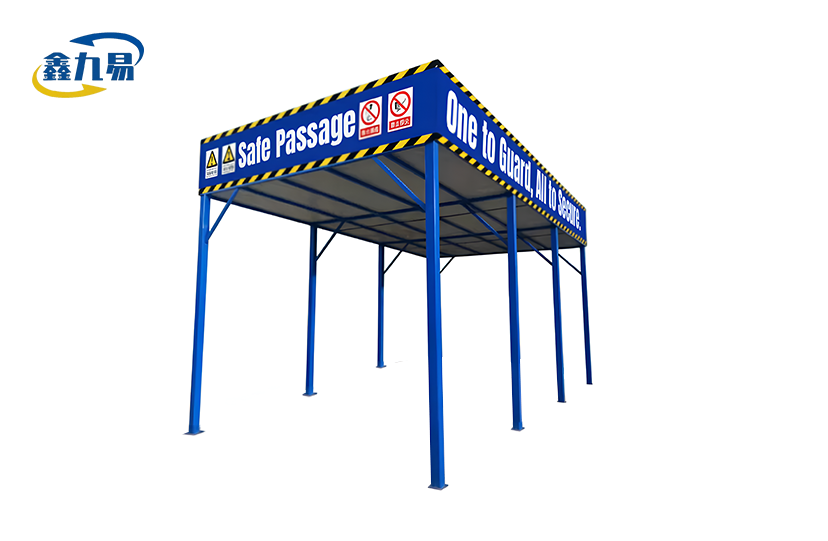
At its core, this Rebar Processing Shed is an industrial-grade canopy designed to cover areas where steel bars are made. When the raw rebar coils or straight bars get to the job site, they go straight into the covered workspace, where the normal work starts. Inside, your crew uses cutting machines, hydraulic benders, and spot welders without having to worry about sudden rainstorms ruining freshly cut edges or summer heat making them tired.
Purpose-Built Protection for High-Risk Tasks
The structure keeps your general workers away from dangerous activities like sparks from welding flames, metal shavings from cutting saws, and noise from hydraulic equipment. This physical split cuts down on accidents by a huge amount and makes a clear safety zone that inspectors can see right away during compliance checks.
Material Handling Efficiency Through Centralization
When operations are centralised under one roof, materials don't have to be moved back and forth between different workstations over and over again. Your team cuts, bends, and arranges all the supports so that they can be put in place right away. This cuts down on the time it takes to handle the materials by about 30% compared to open-yard setups. Organised trash cans under the roof make it easier to deal with trash, and recyclers can get rid of metal scraps without having to look all over the site.
Weather Resistance as a Quality Control Measure
When processing is done in the rain, the surface oxidises, which breaks the bond between the rebar and the poured concrete. The waterproof top layer of the shed keeps things dry while it's being built, making sure that the surfaces are clean and meet structural engineering standards for finished concrete members that won't pull apart.
Types and Designs of Rebar Processing Sheds: Choosing the Right One
The right configuration is chosen based on the size of the project, the amount of data to be processed, and the limitations of the site. Knowing the differences between the Rebar Processing Shed systems that are available helps procurement teams avoid buying too much capacity or not enough structure.
Pre-Engineered Modular Systems
These standard units come in kits that are already put together and have parts that can be easily connected. Hebei Xinjiuyi Construction Technology and other companies make sheds that are 6,000 mm to 9,000 mm long, 4,000 mm to 6,000 mm wide, and 3,700 mm tall. The 18# I-beam steel poles hold up main beams that are 50 mm x 50 mm x 2.0 mm thick, which means they can hold the weight of overhead hoists. Once the base footings are ready, putting it together usually takes three to five days. The modular design makes it possible to take the modules apart and move them up to five times during different project phases without damaging the structure. This is a great feature for contractors who are in charge of managing sequential infrastructure builds.
Custom-Engineered Solutions for Complex Sites
When you don't have enough room or your machines have strange footprints, you need custom fabrication. Customised plans allow for gantry crane integration, with strong shafts that have corbels and rail beams that support lifting systems that weigh three to ten tonnes. Coastal projects in areas with a lot of salt get anti-corrosion paint systems in the C4 or C5-M group. These last much longer than regular coats and don't break down when exposed to salt spray. Longer lead times are the price to pay—custom units usually take ten to twelve days to make, while standard configurations only take seven days—but the perfect fit means no expensive changes have to be made on-site.
Comparing Steel Frame Versus Lighter Alternatives
Frames made of Q235B and Q345B grade structural steel for Construction Rebar Protection Shed are very strong against wind. They can handle ten- to twelve-grade typhoons and snow loads of more than 0.5 kN/m². Lighter frames made of aluminium or composite materials cost less to buy at first, but they need to be maintained more often and aren't as strong as frames made of steel or steel composite. When looking at the long-term value of various projects, procurement managers always choose galvanised steel, even though it costs more up front.
Advantages of Using a Rebar Processing Shed vs Open Yard Setup
Moving from scattered open-air workstations to a dedicated covered Rebar Processing Shed leads to measurable improvements in safety, material use, and following the rules. Knowing about these benefits helps make the case for spending money on capital during discussions about approving the budget.
Workflow Optimization Through Spatial Organization
Sheds with walls make sure that materials move in a reasonable way. The raw material comes in through marked areas, goes through cutting and bending stations in a certain order, and then comes out as staged groups that are ready to be picked up by a crane. This straight line layout cuts down on the need to go back and on accidents that happen when workers have to move between randomly placed pieces of equipment in open yards. Time-motion studies show that teams are 25% more productive when they work in designated processing zones instead of making do with improvised outdoor setups.
Environmental Protection Beyond Weather Shielding
In addition to keeping sensitive equipment safe from rain and UV light, the shed also keeps dust from getting on it. Automated stirrup benders and mesh welding lines have high-voltage electrical parts that can get dirty. Circuit failures that stop work for hours while techs clean or repair broken parts can't happen in a covered area. This dust barrier is especially helpful for coastal and desert projects because it extends the time between service visits for machinery by 40% compared to installations that are exposed to the elements.
Compliance Advantages During Safety Audits
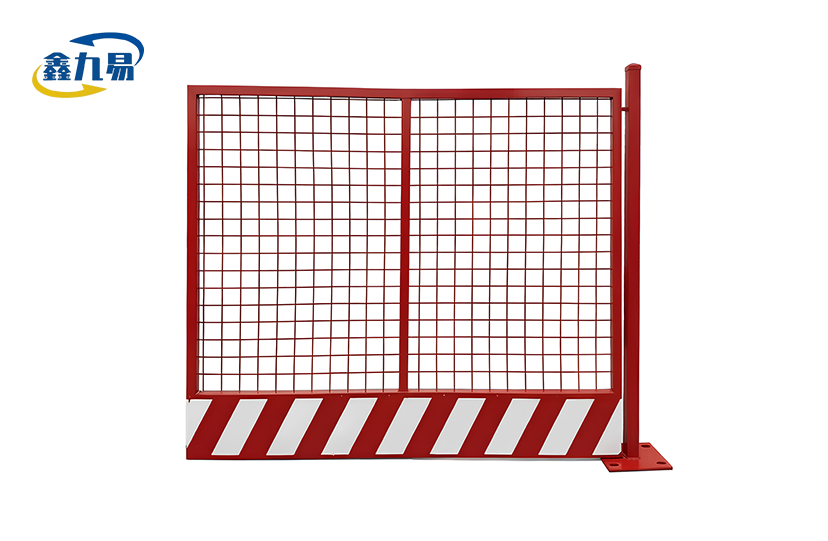
Civilised construction standards are judged by government inspectors and third-party auditors who look at well-organised facilities with clear safety markings. Sheds with standard two-color kick plates in red-white or yellow-black combinations, along with safety words and reflective warning strips, show that they are serious about managing hazards. Projects that don't have these obvious controls will be told to stop working and will have to pay fines. A compliant shed turns audit visits from confrontational meetings into simple confirmations of a list.
Return on Investment Through Reduced Material Waste
Crews can separate useful offcuts from real trash in the shed thanks to organised scrap management. When working on big projects that use 200 tonnes of rebar every month, even reusing 5% of the offcuts saves a lot of money on materials. A controlled environment also stops rust damage that happens by accident. If pre-cut reinforcements are left out in the rain overnight, just one storm can ruin thousands of dollars worth of them.
How to Select and Procure the Best Rebar Processing Shed for Your Project
To make the right purchasing choice for a Rebar Processing Shed, you need to weigh technical requirements against budget limits and assess the dependability of the seller. This process has several important evaluation steps that separate good installs from mistakes that cost a lot of money.
Defining Processing Capacity Requirements
Reviewing project schedules will help you figure out your peak daily rebar throughput. In the base phase of a high-rise building, 15 tonnes of material might need to be processed every day, while in the bridge pier phase, 25 tonnes are needed every day. Make sure the shed's dimensions are right for both your cutting tools and the places where you'll be putting together finished bundles. When buildings are too small, they cause jams, and when they are too big, they waste money on capacity that isn't being used.
Evaluating Manufacturer Credentials and Certifications
Check to see if your providers follow the ISO 9001 quality management system, the ISO 45001 health and safety routine at work, and the ISO 14001 environmental standard. Hebei Xinjiuyi Construction Technology has certifications in all three frameworks, which shows that their manufacturing processes are well-developed and their products are always of high quality. Ask for inspection reports that include testing of the weld's integrity using ultrasonic or magnetic particle methods. Also, ask for data on the thickness of the coating; for long-term corrosion resistance, galvanised layers should be at least 60 μm to 80 μm thick.
Comparing Pre-Engineered and Custom Options
Pre-engineered solutions can be delivered faster and cost less, but they are less flexible. Custom solutions can work with site limitations like sloped ground or being close to existing buildings, but they take longer and cost more. Contractors who are in charge of standard project portfolios at multiple sites can get the most out of pre-engineered inventory that can be moved from job to job. When developers work on one-of-a-kind landmark projects with unusual needs, they can explain the costs of custom building by making the best use of the site.
Assessing After-Sales Support and Installation Assistance
Technical teams that help with assembly on-site check the torque specs for high-strength bolts and make sure that electrical safety is maintained by testing integrated grounding systems. This support stops mistakes during installation that can cancel warranties or reveal secret structural flaws. Ask your suppliers if they offer repair training for your staff and if they keep replacement parts in stock locally. Delays in sending critical parts from overseas can stop operations for weeks.
Maintenance Tips and Best Practices to Maximize Your Rebar Processing Shed's Efficiency
The Rebar Processing Shed will work at its best for 20 years if it gets regular preventative maintenance and is aware of problems before they happen. If you don't do regular inspections, sudden failures can happen and stop production during important project stages.
Establishing Quarterly Structural Inspections
Every three months, check all bolt connections to make sure they are still holding their pressure. Machine vibrations slowly loosen screws. Check the weld joints for cracks that can be seen, especially where the column meets the beam and is supporting a lot of weight. Check galvanised coats for chips or scratches that leave bare steel showing. Touch-up paint should be applied right away to stop rust from spreading. Keep a maintenance log of what was found during inspections to show that you did your job properly during safety checks.
Protecting Surface Treatments in Harsh Environments
Coastal projects require protective coatings reapplied every six months to keep salt spray corrosion from happening. Industrial sites close to chemical plants need to be rinsed every three months to get rid of airborne pollutants that damage paint finishes. Set aside money for maintenance that is in line with how bad the environment is. For example, preventative coating work costs a lot less than emergency structural repairs or replacement before it's time.
Monitoring Equipment Alignment and Foundation Integrity
When the ground moves under equipment footings, it throws off the position of the machinery and shed beams. This creates stress points that speed up structural wear. Do levelling checks once a year and shimming the bases of tools as needed to keep the right geometry. After it rains a lot, check the drainage systems around the foundations. Soil that isn't getting enough water weakens and steel beams can rust at the base.
Integrating Predictive Maintenance Technologies
IoT vibration sensors are put on key structure parts in advanced facilities. These sensors send real-time data to cloud platforms. Machine learning algorithms can find strange sound patterns that point to problems that are about to happen, like a bolt coming loose, a fatigue crack, or the floor sinking. These patterns set off maintenance alerts before the problems happen. The initial cost of the sensors is higher, but the technology stops huge collapses that put workers in danger and damage expensive equipment.
Conclusion
Choosing the right steel Rebar Processing Shed changes the safety and efficiency of a construction site from improvising to planning ahead. The covered area protects both your workers and your expensive equipment. It also controls the manufacturing process to ensure uniform quality of the rebar. The modular design can be changed to fit your needs and can be moved from one part to the next without affecting the structure. This is useful whether you're in charge of building projects in remote areas or urban developments with limited space. Paying close attention to source certifications, accurate capacity planning, and focused preventative maintenance will make sure that this investment pays off for the next twenty years. Depending on the projects you have, you can choose between pre-engineered and custom designs. Standardised contractors gain from having inventory that can be moved, while landmark developers explain bespoke engineering by making the best use of the site.
FAQ
How long does a typical rebar processing shelter last under continuous use?
In moderate conditions, well-built Rebar Processing Sheds made of Q235B or Q345B grade steel and covered by hot-dip galvanising and powder coating will last for 15 to 20 years. Coastal sites with improved C5-M anti-corrosion treatments last just as long, even in harsher conditions, as long as maintenance teams update the protective covering every two years.
Can we relocate the shed between different project sites?
The flexible bolt-together design makes it possible to move the structure three to five times without it getting worn out. To keep connection points and galvanised surfaces from getting damaged, removal must be done by certified experts. Each move requires preparing the foundations at the new location, which can add three to five days to the time it takes to put things back together again, depending on how ready the site is.
What impact does machinery vibration have on structural integrity?
Professional installations use separate foundation footings from shed columns to keep equipment from vibrating. There are flexible link details in the steel frame that take in secondary movements without passing stress to the main load-bearing parts. Every year, levelling surveys find any settlement that needs to be fixed by shimming.
Is overhead crane integration feasible within standard dimensions?
Of course. Crane-load capacity columns include corbels and rail beams that hold up gantry systems that weigh three to ten tonnes. This needs stronger column design when the shed is first built, because adding a crane to a standard shed could cause structural members that weren't designed for suspended loads to become overloaded.
Partner with Xinjiuyi for Your Rebar Processing Shed Requirements
When your project needs a dependable Rebar Processing Shed maker who knows how global building sites work, Hebei Xinjiuyi Construction Technology offers business-level solutions made for tough conditions. Our team combines manufacturing methods that are ISO-certified with hands-on installation help to make sure that your facility meets both government standards and daily output goals. We are experts at making sure that the sizes, anti-corrosion treatments and crane integration exactly meet your needs, whether you are building a deep foundation in a tropical climate or a bridge in a coastal area. Get in touch with our technical experts at global@xjy8.com to talk about your processing capacity needs and get clear lead times along with detailed engineering drawings. Explore our complete portfolio of standardized and custom steel reinforcement protection solutions designed to elevate site productivity while safeguarding your workforce across every phase of construction.
References
1. American Concrete Institute. (2019). Guide to Formwork for Concrete (ACI 347-04). Farmington Hills: ACI Committee 347.
2. Occupational Safety and Health Administration. (2021). Steel Erection Standards and Compliance Guidelines. Washington: U.S. Department of Labor.
3. British Standards Institution. (2018). BS EN 10025: Hot Rolled Products of Structural Steels – Technical Delivery Conditions. London: BSI Standards Publication.
4. National Institute for Occupational Safety and Health. (2020). Preventing Worker Injuries and Deaths in Construction: A Practical Guide. Cincinnati: NIOSH Publications.
5. International Organization for Standardization. (2017). ISO 12944: Paints and Varnishes – Corrosion Protection of Steel Structures by Protective Paint Systems. Geneva: ISO Central Secretariat.
6. Construction Industry Research and Information Association. (2022). Temporary Works Toolkit: Safe Design and Management of Construction Site Structures. London: CIRIA Publications.