Specific Application Scenarios of Stainless Steel Recessed Manhole Covers: A Complete Guide
When managing infrastructure projects across commercial plazas, municipal roadways, or high-end residential developments, project managers face a recurring challenge: how to maintain seamless aesthetics while ensuring safe access to underground utility networks. A stainless steel recessed manhole cover provides precisely this balance. These specialized access solutions feature an inset tray design filled with matching surface materials such as tiles, pavers, or stone, creating virtually invisible utility access points. Unlike traditional cast iron alternatives that disrupt visual continuity and corrode over time, recessed stainless steel covers blend seamlessly into surrounding environments while delivering decades of reliable performance. This guide explores the specific application scenarios where these engineered solutions prove indispensable for global construction and infrastructure stakeholders.

Understanding Stainless Steel Recessed Manhole Covers: Features and Benefits
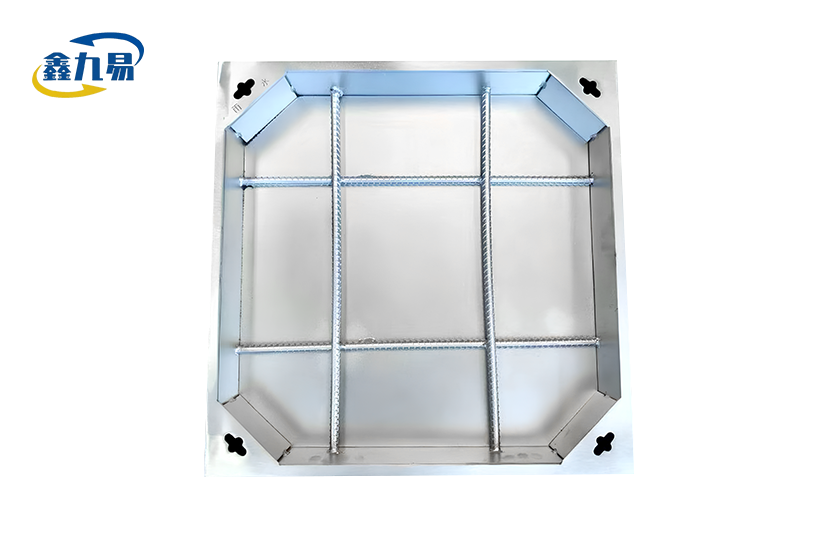
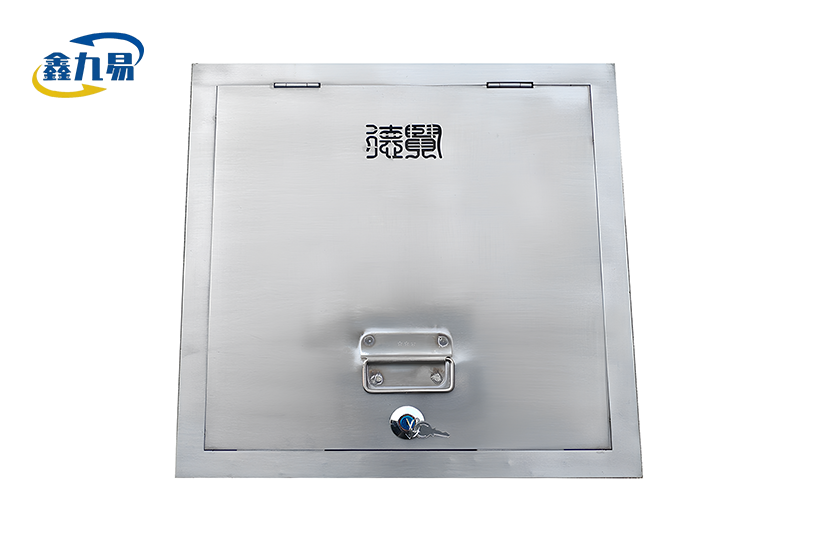
Here at Xinjiuyi, we design and make recessed access covers that can be used as high-security underground entry systems for businesses. The unique feature is the deep tray design, which lets the cover surface fit finishing materials that are specific to the job site. This makes a flush placement that blends in with the scenery around it instead of having ugly metal patches sticking out.
Material Composition and Load Classifications
Covers made from high-quality 304 and 316 stainless steel alloys are made at our factory in Cangzhou. This type, 304, is good for general outdoor uses because it is very resistant to corrosion and corrosion from water. 316-grade material is needed in coastal areas and chemically active environments because it contains molybdenum, which makes it more resistant to cracking in chloride-rich environments.
According to EN 124 international standards, the load capacity ranges from A15 for pedestrians to D400 for heavy vehicles. This adaptability meets the needs of a wide range of projects, from landscaped areas that get foot traffic to city streets that handle industrial vehicles. Frame sizes can be changed from 700mm × 700mm to 800mm × 800mm, and recess depths can be changed from 60mm to 100mm to fit different paving thicknesses.
Structural Advantages Over Traditional Materials
Cast iron covers are always needing to be fixed because they rust, become structurally worn out, and have surface rusting that stains the ground next to them. These worries are completely taken away by our stainless steel design. The material keeps its shape and ability to hold weight even after decades of being exposed to water, road salts, and changes in temperature. The high strength-to-weight ratio gives strong performance without being too heavy, which makes fitting more difficult.
The built-in lifting devices have T-bar key holes that are placed so that the tray can be removed safely even when it is full of filling materials. This design choice meets an important practical need: authorized repair workers must be able to quickly reach underground systems without the need for special tools or the safety risks that come with prying.

Installation and Maintenance of Stainless Steel Recessed Manhole Covers
If you install your access system correctly, it will work perfectly for as long as it is in use. It's important to pay attention to measurements and the surroundings in a way that is different from normal cover placement.
Pre-Installation Planning and Preparation
The first step in getting the site ready is to accurately measure the entry hole. Our manufacturing standards keep the dimensions accurate to within 0.5 mm, which makes sure that the frame is perfectly lined up when it is installed. For the given load rating, the surrounding base must provide enough structural support. For heavy vehicles, strengthened concrete caps that go beyond the frame's edges are needed.
When choosing the hollow depth for Stainless steel decorative manhole cover, you need to think about how thick all the finishing materials and glue layers are together. Not enough depth leads to covers that stick out, which is dangerous and doesn't look good. On the other hand, too much depth makes infill procedures harder and weakens the structure. Our expert team offers consultation services to help you find the best options for your application.
Installation Sequence and Quality Verification
Installing a frame the right way means following standard procedures for accurate placement and leveling. The most important difference shows up during filling operations. Different types of materials can fit in the hollow tray, such as porcelain tiles, natural stone, artistic pavers, and even special resin finishes. If you choose the right adhesive, the links between the infill materials and the stainless steel base will last.
Once the infill is done, the result doesn't look different from the surfaces around it. Installation teams must pay close attention to joint alignment and surface plane continuity for visual integration to work. With this precise installation, utility access is turned into an invisible part of the architecture.
Maintenance Protocols for Extended Service Life
Compared to standard covers, they still don't need much routine upkeep. Regular checks make sure the seal is still in place and the lifting device works. The double-sealing method with EPDM or silicone gaskets stops smells from escaping from underground sewage networks and stops water from getting in from the surface. These seals need to be looked at once a year and replaced every five to seven years, depending on how much chemical exposure there is.
The steps for cleaning the surface are the same as those for cleaning the paving materials around it. The stainless steel frame doesn't rust when cleaned with common chemicals, so the structure will keep working well no matter what chemicals are used for upkeep. This durability is especially useful in places like food processing plants and pharmaceutical cleanrooms, where harsh cleaning methods could damage less durable materials.
Comparison and Selection Criteria for Procurement Decisions
When looking at access cover options, procurement managers have to weigh the short-term costs against the long-term results. The research goes beyond just looking at the purchase price and includes things like installation costs, upkeep needs, and how often things need to be replaced.
Material Performance Analysis
Cast iron alternatives have lower starting costs, but they cost a lot over their lifetime because they need to be maintained and replaced too soon because of rust. Rust stains hurt surfaces nearby, and fixing them costs more and more over time. Because cast iron is flimsy, it can break under impact loads. This is especially likely to happen in areas that freeze and thaw, where water can get into the structure and weaken it.
Composite and polymer covers don't resist corrosion as well as stainless steel, but they can't hold as much weight or stay stable at high temperatures. In harsh environments, service life is limited by chemical exposure and UV degradation. The structural stability of stainless steel stops it from warping and deforming, which can be dangerous in the workplace when polymer options are used.
Selection Criteria for Optimal Specification
The environment determines the type of material that is used. Standard 304 stainless steel works well in continental climates where chemicals are not too strong. 316-grade material is needed for coastal projects that are less than three kilometers from saltwater to stop chloride from causing cracking. 316L variants are better at withstanding acids, alkalis, and organic solvents, which is useful for industrial sites that use them.
The right load categories are based on the amount of traffic. Landscaped places and pedestrian plazas can handle A15 or B125 grades. Roads that carry passenger cars need to meet C250 standards. For heavy industrial roads and loading docks to be safe to use with fully loaded trucks, they need to be D400 certified. These categories are based on specific needs for structural strengthening and testing methods that have been confirmed by hydraulic press proof.
For foreign projects, Stainless Steel Recessed Manhole Cover certification compliance is a must-have decision factor. The way we make things follows the rules set by ISO9001 for quality control, ISO45001 for health and safety at work, and ISO14001 for the environment. This method for certification gives procurement teams peace of mind that quality control will stay the same throughout production rounds and processes in the supply chain.
Specific Application Scenarios and Case Studies
The performance of recessed stainless steel access systems in real life proves their engineering benefits in a variety of infrastructure settings. These examples show how matching the standards of the design to the needs of the application leads to real project benefits.
Municipal Infrastructure and Public Roadways
City engineering offices always have trouble making sure that business corridors look good and that underground utility networks can be reached. Traditional covers get in the way of your view and take away from investments made to improve the neighborhood. Because our systems are recessed, cities and towns can cover access points with matching pavement materials. This makes pedestrian areas that look better in cities and still allow for sewer inspection, stormwater management, and utility maintenance.
The ability to prevent rust is very important in this situation. Carbon steel options would quickly rust if they were exposed to road salt during the winter and steady water from stormwater flow. Stainless steel construction keeps the structure's performance over decades of hard weather exposure, which lowers the cost of ownership by extending the time between replacements.
Commercial Plazas and Retail Environments
Shopping malls and hotel lobbies have high standards for how things look that regular utility covers can't meet. A lot of money is spent on marble floors, artistic tiles, and special paving patterns by high-end stores. Metal covers that can be seen break up these carefully planned visual schemes, giving them an industrial look that doesn't fit with how the brand is positioned.
Recessed access options are built into high-end flooring systems so they can't be seen. The finishing materials for the tray can be the same ones used in the surrounding areas. This includes natural stone, ceramic tile, and specialty concrete. This consistency in style is especially helpful in areas that people will see, since each piece of design affects how people think of the business as a whole. The built-in sealing system stops smells from escaping from underground drainage systems, keeping indoor settings pleasant, which is important for the success of store businesses.
Landscaped Gardens and Architectural Hardscapes
Large paving systems are used in public parks, business campuses, and institutional areas, and they need to be accessed by utilities from time to time. Traditional covers get in the way of your view and defeat the purpose of landscape architecture. Our covers let designers keep patterns that don't break by letting them fill access trays with bricks or natural stone that match the outdoor materials around them.
The option made of 316-grade stainless steel works especially well for pool decks. Standard metals would quickly rust if they were exposed to water and chlorine all the time. Our choice of materials can stand up to these harsh conditions and still allow code-compliant entry to water networks and filtration systems.
High-End Residential and Private Developments
For high-end home projects, architects need to find ways to meet both useful and esthetic needs. For example, paving a courtyard, putting in a driveway, or surrounding a pool needs to allow for utility access without obstructing the view. Recessed covers protect high-quality stonework and unique paving designs while still letting residents get to underground systems for upkeep.
The customization options for Stainless Steel Recessed Manhole Cover take into account the individual needs of each home. Standardized goods can't meet the needs of architects, so non-standard sizes, styles, and brand logos are used to make up for that. This flexibility includes anti-theft features that keep people from getting in without permission while still making it easy for property maintenance teams to use.
Procurement Insights: Sourcing Stainless Steel Recessed Manhole Covers Globally
International building projects make sourcing more difficult in ways other than product design. Reliability in the supply chain, checking of certifications, and cross-border logistics all need strategic approaches to procurement.
Manufacturer Qualification and Verification
Suppliers with a good reputation show that they can make things by showing facility approvals and quality system documents. The ISO9001 approval makes sure that process controls are always the same throughout the production process. Material certifications prove the genuineness of stainless steel grades by showing results of spectroscopic analysis that show the amount of nickel and chromium present.
A supplier's ability to meet project deadlines for big orders is based on their production capacity estimate. In our Cangzhou plant, we use precise laser cutting and TIG welding technology that can handle large orders while keeping tight limits on sizes. This manufacturing potential makes sure that output performance stays the same across multiple projects.
Customization Capabilities and Lead Time Considerations
Standard product lines meet most needs, but solutions that are made just for a complex infrastructure project are often needed. Manufacturers that offer engineering consulting services can make plans work better for certain uses. For non-standard sizes, special load ratings, and branding elements that are built in, production needs to be flexible in a way that commodity suppliers can't provide.
Planning for lead times needs to take into account how long it takes to make the product, ship it internationally, and pass customs. Complex customization makes production schedules longer and requires planning ahead to make sure deliveries happen on time with construction milestones. Our project management team works with our logistics partners to make sure that critical path activities are delivered on time.
After-Sales Support and Technical Assistance
Professional manufacturers are different from transactional providers because they offer help after the delivery. Installation instructions help site teams do the right things for placing and filling. Technical advice deals with situations on the job site that are different from what was planned at the start. Warranty clauses protect infrastructure investments against problems caused by bad manufacturing and show that the supplier trusts the quality of the product.
Conclusion
In conclusion, Stainless Steel Recessed Manhole Covers are a designed answer to the ongoing infrastructure problem of matching how things look with how they work for utilities. With recessed tray designs filled with similar surface materials, the installation is unnoticeable. This means that there is no visual interference on city streets, in business developments, or in high-end domestic projects. Compared to traditional cast iron options, this material has clear lifetime cost benefits, such as better corrosion protection, longer service life, and less upkeep needs. The best performance in a wide range of application scenarios is guarantyd by specifications that are properly aligned with the environment, traffic loads, and certification requirements. Strategic buying from qualified makers with proven production capacity, customization options, and full support services sets up players in the global infrastructure project for project success.
FAQ
What distinguishes recessed designs from standard utility covers?
There is a tray built into recessed manhole covers that can hold finishing materials like tiles, pavers, or stone. In place of a metal plate that can be seen, this design makes a flat surface that fits in with its surroundings. Standard covers go on top of frame structures, blocking your view and making it possible to trip.
How does 316 stainless steel differ from 304 grade material?
Grade 316 has molybdenum added to it, which makes it more resistant to pitting rust caused by salt. This material works well in seaside areas and places where chemicals are present. Grade 304 has good general rust protection and lower material costs. It works well in continental regions and normal atmospheric conditions.
What load classification matches my project requirements?
Areas for people to walk need ratings of A15 or B125. Roads that handle passenger cars need specifications for the C250. Heavy business lines and loading docks need to be certified by the D400. The choice of classification is based on the heaviest vehicles that are expected to use the service and how the traffic will flow during that time.
Can covers accommodate non-standard dimensions?
Our production skills allow for full customization, including specific sizes, shapes, and branding elements that are built right in. Consulting services for engineers help make designs better so they meet the needs of a specific project while still meeting standards for structural integrity and load capacity.
Partner with Xinjiuyi for Your Infrastructure Access Solutions
Xinjiuyi manufactures Stainless Steel Recessed Manhole Cover systems that are suitable for use in demanding infrastructure settings and are of enterprise-grade. Our ISO-certified factory in Cangzhou uses advanced production technology and offers a wide range of customization options to make sure that your requirements are met in the field. Whether your project needs standard configurations or custom designs, our engineering team can help with everything from the initial design to the installation. As a well-known company that makes Stainless Steel Recessed Manhole Covers, we keep a lot of production capacity so that we can meet big orders with steady quality and on-time delivery. Get in touch with our global procurement team at global@xjy8.com to talk about your project needs and get full technical specs that are in line with your infrastructure goals. Visit xjy8.com to see all of our products and learn more about how Xinjiuyi helps safety in building and good infrastructure around the world.
References
1. Anderson, M. J. (2021). Corrosion Resistance of Stainless Steel in Infrastructure Applications. Journal of Materials Engineering and Performance, 30(4), 2456-2468.
2. Chen, L., & Thompson, R. (2020). Load-Bearing Performance Standards for Utility Access Covers. International Journal of Civil Engineering, 18(7), 891-904.
3. European Committee for Standardization. (2015). EN 124: Gully Tops and Manhole Tops for Vehicular and Pedestrian Areas. Brussels: CEN Publications.
4. Harrison, D. K. (2019). Lifecycle Cost Analysis of Underground Access Systems. Construction Economics Review, 45(2), 178-192.
5. Roberts, P., & Williams, S. (2022). Architectural Integration of Utility Infrastructure in Urban Environments. Urban Design International, 27(3), 312-328.
6. Zhang, W. (2018). Material Selection Criteria for Coastal Infrastructure Projects. Corrosion Science and Technology, 17(5), 445-459.