How do you choose a pier cap work platform?
Choosing the right pier cap work platform comes down to five core factors: structural load capacity, material durability, dimensional compatibility with your pier geometry, modular reusability, and supplier reliability. A well-specified bridge pier platform eliminates the need for ground-based scaffolding, reduces foundation treatment costs, and provides a certified safe working environment for rebar fixing, formwork installation, and concrete pouring at height. Whether you manage a highway viaduct program, an urban overpass build, or an international bridge contract, matching the platform specifications to your actual site conditions is the single most important procurement decision you will make.
Understanding Pier Cap Work Platforms — Basics and Specifications
A pier cap work platform is a specially designed, high-level access system that can be attached directly to bridge piers instead of using regular scaffolding that is held on the ground. Unlike regular staging, these systems are made to transfer working loads straight into the existing pier's bearing capacity. This means that your team doesn't have to spend money on preparing the foundation and the project plan is sped up by weeks.
Key Material and Structural Parameters
I-beams, channel sections, and galvanized rectangular hollow sections are common types of structural steel used for platform frames because they are strong for their weight and can last for a long time outside. For instance, the Xinjiuyi pier cap work platform is made of 50 × 50 mm main frame tubes with 1.5 mm wall thickness. At key link points, 50 mm equal angle steel with 4.0 mm thickness is used to strengthen the structure. The working surface is made of 2.0 mm anti-slip checked plate, and the guardrails around the edges are made of 40 × 40 mm square tube with expanded metal mesh panels in between them.
Compliance Standards to Verify Before Purchase
Platforms with a good reputation should meet well-known standards for temporary work. In European and foreign markets, EN 12811-1 sets the performance standards for working and access scaffolds. Some safety rules for US-linked projects are set by OSHA in 29 CFR 1926 Subpart L. Before placing an order, make sure you get load math paperwork, material mill certificates, and records of third-party inspections from any provider you're thinking about.
Criteria for Selecting the Right Pier Cap Work Platform
When working on bridge substructure packages, procurement managers often have to deal with three pressures at the same time: ensuring safety, staying on schedule, and lowering the total cost of ownership. Structured screening, which involves comparing each possible pier cap work platform to a set of criteria, stops mistakes that cost a lot of money.
Every procurement team should use these basic criteria to choose who to hire:
- Structural load rating: The platform must be able to handle the live loads of workers, rebar bundles, formwork panels, and wet concrete. As a general rule, pier caps should be able to hold between 2.5 and 5 kN/m² of weight.
- Dimensional compatibility: Make sure that the width, height, and shape of the brackets on the platform match the measurements of your pier cap. Piers with tapered shafts, flared heads, or circular cross-sections are not standard and need to be made to order. Before you place an order, make sure the seller can review detailed drawings.
- Corrosion protection standard: Hot-dip galvanizing to ISO 1461 with a minimum coating layer of 85 microns is the standard for platforms that will be exposed to rain, coastal salt, and UV rays over multiple years of bridge projects.
- Modular assembly design: Platforms that connect with mechanical fasteners instead of site welding can be put together, moved, and put together again on dozens of pier caps for the same project, which directly lowers the cost of the equipment for each pier.
- Supplier lead time vs. project schedule: It usually takes 4–8 weeks for custom fabrication. Before you sign the contract, make sure that the supplier's production schedule works with the order of the pours for your base.
Together, these criteria make it easier to make a choice. A platform with a good load rating but a bad supply lead time is just as dangerous for the project as one that doesn't have enough rust protection.

Comparing Pier Cap Work Platforms with Alternative Solutions
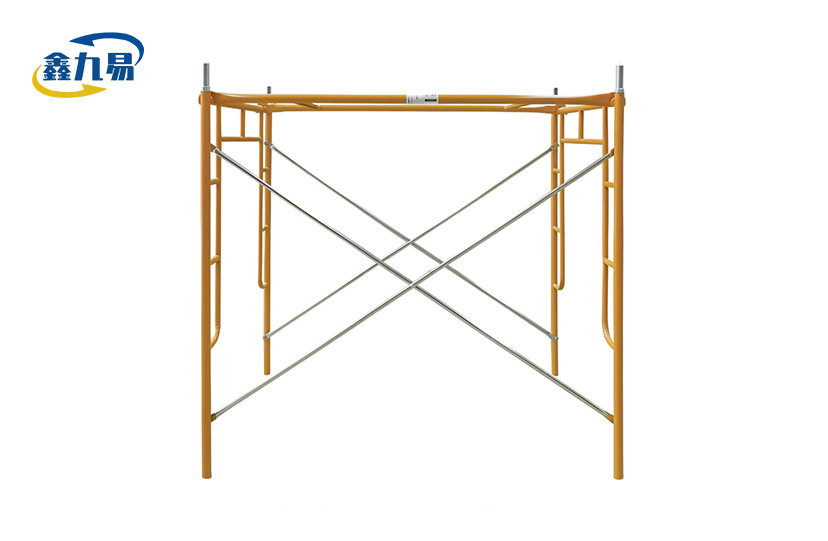
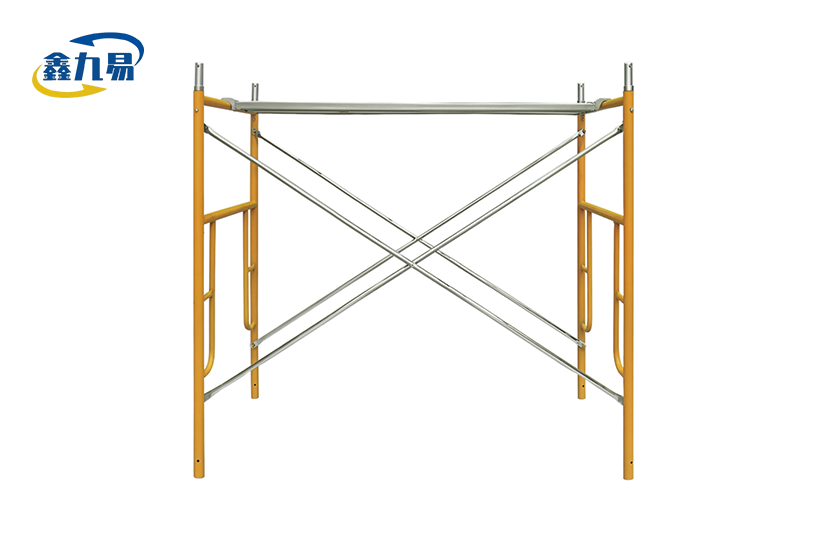
Pier cap work platforms and other options are compared. Most of the time, traditional tube-and-coupler equipment is still used instead of specialized pier platforms. It is easy for most site crews to use and doesn't need to be made specifically. The downside is big: putting up ground-supported scaffolding over water or in busy traffic lanes requires a lot of base work, plans for managing traffic, and a lot more work. When the cap beam is 20 to 40 meters above grade on a high-pier project, the cost difference between this and a purpose-built pier platform gets very big.
When Modular Pier Platforms Outperform Scaffolding?
When the pier shape is the same over and over again, like on high-speed rail viaducts and urban raised roads, modular pier platforms clearly offer the biggest benefit. After the first set of platforms is set up and tested, the same parts can be moved pier-by-pier with little extra work. When compared to building new scaffolding at each location, reusing access equipment can cut the total cost of a 50-pier viaduct contract by 30–40%.
Lightweight vs. Heavy-Duty Platform Selection
Platforms that are light and made of metal or thin-wall steel are good for repair work and inspections where live loads are low. The Xinjiuyi design is a heavy-duty welded steel platform, which is the right choice for construction-phase tasks like pouring concrete, installing rebar, and setting up formwork systems. It is not a good idea to save money on a project by choosing a platform that is not big enough for the loads that will be put on it.
Installation, Maintenance, and Safety Best Practices
Pre-Installation Planning
Before the platform gets to the job site, the project engineer has to make sure that the anchor bolts are in the right place, that the pier concrete has hardened, and that the supplier's load calculation report matches up with the actual building sequence. High-strength through-wall bolts or cast-in anchors that can handle both shear and tension forces hold the Xinjiuyi pier cap work platform in place.
A modular system that has already been put together can usually be craned into place and fixed within two to four hours, which is a lot faster than putting up regular scaffolding. Still, the speed edge varies on how well you prepare ahead of time.
Routine Maintenance Protocol
For any platform that is being used, the basic upkeep tasks are to check the torque of the bolts every three months, look at all the weld points for wear cracks, and make sure the anti-slip decking is still in good shape. Every six months, galvanized parts that are used in marine environments should have their coatings checked for integrity. Keeping a simple inspection log for each set of platforms helps with safety checks and makes the equipment last longer.
Trusted Suppliers and Procurement Options for B2B Clients
There are both general scaffolding providers that sell bridge products as a secondary line and specialized producers whose main business is making bridge access systems that make up the pier cap work platform market. This difference is important for procurement managers working on big bridge contracts. A specialized manufacturer usually has engineers on staff who can look over your pier drawings, make custom fabrication details, and give you advice on how to install the product. This is something that a general supplier doesn't always have.
As a company that is approved by ISO 9001, ISO 45001, and ISO 14001, Hebei Xinjiuyi Construction Technology Co., Ltd. makes pier cap work platforms that can be fully customized in terms of their width, height, bracket arrangement, and flip board dimensions. From its factory in Cangzhou, Hebei, the company works on projects for highways, high-speed train, urban overpasses, and sea bridges. For buying things from other countries, you can ask for full English technical documentation, load calculation reports, and plans for loading containers.
Conclusion
Choosing the right elevated pier cap work platform for bridge pier cap work has a direct impact on worker safety, the project plan, and the long-term return on investment (ROI) of the tools. Documentation of load capacity, dimensional fit to your pier shape, proven corrosion protection, modular reusability, and source wait time are the things that you can't change when you're evaluating. Platforms that meet these requirements can be used instead of ground scaffolding because they are more cost-effective, take less time to prepare the foundation, and meet the safety standards needed for modern bridge contracts. Taking the time to properly vet suppliers before the first order protects every pier cap package that comes after.
FAQ
What load capacity should a pier cap platform support?
A minimum rated capacity of 2.5 kN/m² is the standard for active construction tasks like setting rebar, putting up forms, and pouring concrete. A pier cap work platform rated to 5.0 kN/m² may be needed for heavier pour processes or simultaneous entry to multiple trades. Always ask the manufacturer for a signed structural calculation report.
Can one platform set fit multiple pier geometries?
Yes, as long as the system is really made up of modules. Pier heads that are square, round, or flared can be supported by adjustable spanning beams and changeable bracket systems. Make sure the manufacturer can do this by calling them and asking for reference drawings of pier types that are similar to the ones you want to use.
At what wind speed must work stop on the platform?
Safety rules in the industry usually say that work has to stop when wind speeds stay above 15–20 m/s (about Beaufort Force 7–8). Depending on the height of the platform and where it is located, local OSHA or EN rules may set lower limits.
How long does installation typically take?
In normal site conditions, a pre-assembled modular system can be craned into place and fully secured in two to four hours. This is a lot faster than putting up the same amount of tube-and-coupler scaffolding.
What maintenance intervals are recommended?
At the very least, bolt tightness, weld strength, and decking state should be checked every three months. Coatings should be checked more often in marine environments. Keeping a written record of each platform set's check helps with both safety rules and guarantee claims.
Partner with Xinjiuyi for Your Next Bridge Project
Xinjiuyi offers engineered pier cap work platform solutions that are made to meet the needs of real bridge building projects. These solutions include custom sizes, full load documentation, ISO-certified production, and expert support from the time of request until the bridge is installed. All over the world, our platforms are used for highway, rail, tunnel, and sea bridge projects. You can email our team at global@xjy8.com or go to xjy8.com to get a technical advice, a custom quote, or a catalog of products from a reliable pier cap work platform provider.
References
1. European Committee for Standardization. EN 12811-1: Temporary Works Equipment — Scaffolds — Performance Requirements and General Design. CEN, 2003.
2. Occupational Safety and Health Administration. OSHA 29 CFR 1926 Subpart L: Scaffolding Standards for the Construction Industry. U.S. Department of Labor, 2023.
3. International Organization for Standardization. ISO 1461: Hot Dip Galvanized Coatings on Fabricated Iron and Steel Articles — Specifications and Test Methods. ISO, 2022.
4. Nawy, E. G. Concrete Construction Engineering Handbook. CRC Press, 2008.
5. Ratay, R. T. Handbook of Temporary Structures in Construction. McGraw-Hill, 1996.
6. Gorenc, B., Tinyou, R., & Syam, A. Steel Designers' Handbook. UNSW Press, 2012.