Rebar Processing Workshop vs Rebar Processing Shed Explained
When planning to make steel reinforcements for big building projects, you have to make a big choice: should you buy a permanent rebar processing workshop or a movable rebar processing shed? The difference is between practical reach and structural permanence. As the name suggests, workshops are fixed buildings with full sets of tools for making a lot of things all year long. Rebar processing sheds, on the other hand, are semi-permanent, movable buildings that cover cutting and bending operations that happen in one place on busy construction sites. Knowing these differences helps procurement managers make choices that fit the needs of the project, the budget, and the safety requirements of the site.
Understanding Rebar Processing Workshops and Sheds
What Defines a Rebar Processing Workshop
A rebar processing workshop is a fixed place of business that has concrete supports and built-in utility systems. Heavy-duty tools like automatic cutting lines, multi-head bending machines, and welding stations are housed in these buildings. They work as centralised production hubs that handle multiple projects at the same time. The sealed space controls the atmosphere so that temperature and humidity don't affect the sensitive CNC machinery. Workshops are good for contractors who have to run continuous operations in a lot of different places because they can make standard rebar parts ahead of time and then transport them to different sites.
The Role of Rebar Processing Sheds in Construction
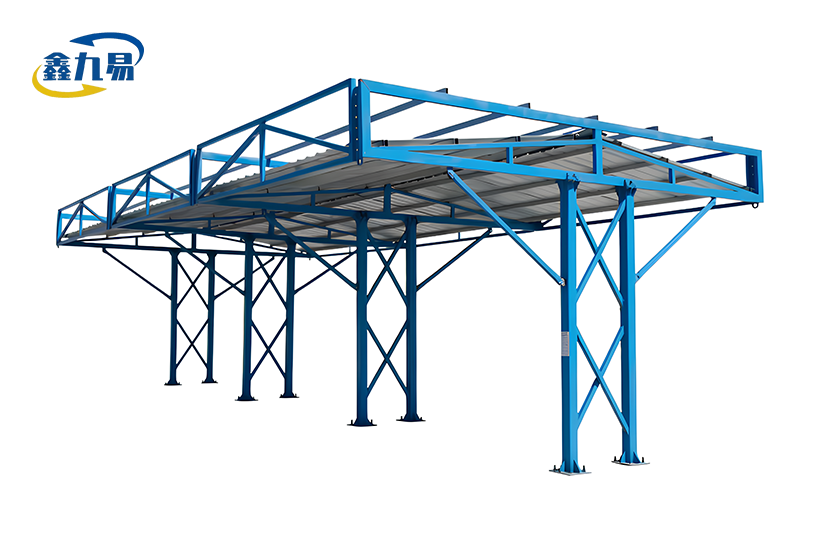
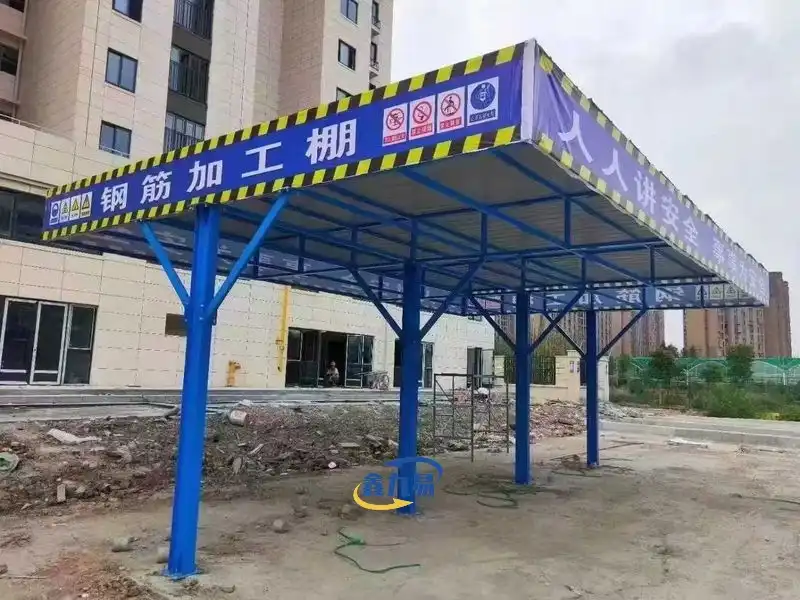
Rebar processing sheds are on-site protection structures that are designed to fit areas where steel bars are made. These modular units make controlled settings right inside the building sites. They protect workers and equipment from falling objects, bad weather, and UV rays because they are made of thickened galvanised rectangular tubes and I-beam steel columns. The semi-permanent form lets it be moved as the project's stages go by. Xinjiuyi's sheds are made with hot-dip galvanising and electrostatic powder coating, which protects them from corrosion in harsh site conditions and keeps the safety markings clear, as required by modern building standards.
Structural and Operational Differences
To open a rebar processing workshop, you need to spend a lot of money on things like land, building materials, and equipment. They want fixed links to utilities like water supplies and three-phase power systems. On the other hand, sheds are more flexible because their frames are bolted together and can be put together in days instead of months. For large orders, workshops are great at making standard parts with tight tolerances. Sheds are designed to be flexible, so workers can change the amount of work they can do as the needs of a project change. In workshops, moving finished goods requires special procedures. Sheds, on the other hand, skip this step by placing fabrication areas close to installation areas.
Comparing Rebar Processing Workshop vs Shed: Operational and Cost Perspectives
Workflow Efficiency and Throughput Capacity
Material handling embedded into conveyors and specialized equipment zones help workshops get more done. Autonomous systems can handle 50–100 tons of steel daily. Medium-sized projects with quick fabrication modifications may use the rebar processing shed, which can handle 10 to 30 tons per day. In the workshop's assembly line approach, standardization reduces labor costs. Based on site needs, sheds cut and bend steel bars to compensate for delivery delays. This reduces inventory waste and storage trouble.
Centralised workshops require precise production plans that match delivery. Miscommunications between the workshop and site crews might result in over- or under-storage. A nearby shed reduces this danger. Site engineers can quickly adjust plans when manufacturing teams communicate. For intricate projects like bridge construction, where geology studies may modify pier support needs, this adaptability is beneficial.
Capital Expenditure and Operating Costs
A workshop requires land, building permits, construction, and heavy gear. Starting medium-sized structures costs over a few million dollars. Operating expenses include property taxes, temperature control system utilities, and maintenance staff pay. There's less upfront cost for a rebar processing shed. Modular modules at Xinjiuyi are 6,000 to 9,000 mm long and 4,000 to 6,000 mm wide. Customization and size affect prices.
Sheds' running expenditures are largely moving and minor maintenance. Bolts allow the structure to be moved three to five times without breaking. Multiple project stages distribute the original investment. Not having temperature control, sheds consume less energy. The job's needs determine labor expenses instead of permanent personnel. Workshops need 5–8 years to pay off, whereas sheds take 18–24 months due to reduced insurance costs and superior site safety records.
Environmental Compliance and Safety Considerations
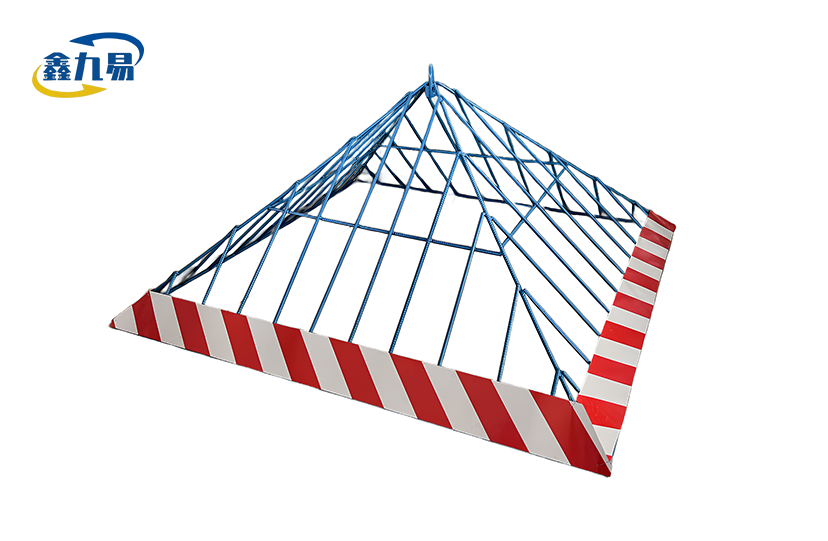
Industrial zoning, environmental impact evaluations, and wastewater treatment are workshop requirements. Metal dust and fumes from cutting and welding need filtration and emissions monitoring. The rebar processing shed just needs building site permits, making compliance easy. Their open sides allow airflow, reducing airborne pollutants. Falls must be protected, but shelters feature double mesh screens and rainproof boards on top.
Changes in risk profile affect safety. Due to their many hazards, workshops require fire suppression systems and egress strategies. Many shed locations reduce the impact of one incident. Xinjiuyi installs dual-color safety kick plates and bright warning strips in each shed for night seeing. This proactive sign satisfies OSHA's criteria and reduces equipment blind spots and pedestrian traffic hazards.
Choosing the Right Rebar Processing Solution for Your Business
Evaluating Project Scale and Site Limitations
Project length is the main thing that affects the choice. Workshops are worth the money when companies run operations that don't stop for years at a time. In established urban areas, high-rise projects often use workshops to make rebar cages ahead of time, which cuts down on noise and traffic on-site. The rebar processing shed is great for jobs that need to be finished in 6 to 36 months, like improving infrastructure, building bridges, and expanding industrial plants. Sites with limited space can benefit from sheds' small size, which takes up very little ground space while still meeting safety standards vertically.
Contractors who work in a lot of different areas face different problems. Moving prefabricated parts from a central workshop to faraway places costs money and runs the risk of damage during transit. These worries go away when sheds are put up straight at project sites. For coastal bridge pier reinforcements, Xinjiuyi uses anti-corrosion paint systems in the C4 or C5-M category on shed frames. This keeps the structure strong in salty environments. This customisation takes into account conditions unique to the site that workshops, which are meant to be controlled indoor settings, might not be able to handle.
Prefabricated vs Custom-Built Solutions
Prefabricated sheds are useful because they can be put up quickly. Standardised parts made according to ISO 9001 quality standards arrive ready to be bolted together. For normal 12 m × 18 m configurations, Xinjiuyi's plant finishes making them in 7 days. Putting them together on-site takes an extra 3 to 5 days. This speed is very important when weather delays or delays in getting permits cause projects to run behind schedule. Custom-built workshops take 6 to 12 months to design, get permits for, and build, which delays their opening for business.
Even though the rebar processing shed is made up of separate modules, they can still be customised. Engineers at Xinjiuyi change the sizes to fit different types of machinery, from small bar cuts to big automatic bending centers. When it's necessary to lift things high, crane-load columns with corbels and rail beams hold up gantry systems that can hold between 3 and 10 tonnes. Because of this, procurement teams can choose features that work with their current workflows without having to commit to long-term infrastructure. While custom workshops offer more ways to integrate tools, they don't offer the flexibility to change their use as business needs change.
Integrating Automation and Smart Technologies
Workshops are better places to use advanced robotics because the power is stable and the surroundings is managed. IoT-enabled equipment tracking keeps an eye on how well machines are working, guesses when they will need repair, and makes the best use of production schedules. Smart inventory systems reorder raw materials automatically based on how they are used. To keep these technologies running, you need a lot of IT infrastructure and technical know-how. Sheds have generally used hand tools, but new technologies allow some automation to be added.
Modern rebar processing sheds can hold cutting and bending tools that are partly automatic and are driven by mobile generators or site electrical panels. Digital controls on portable welding stations make sure that the quality of the welds is always the same without the need for fixed utility hookups. Full workshop-level automation is still not possible for temporary buildings, but strategic upgrades to equipment make sheds more productive. The main benefit is that it can be scaled up or down as needed. For example, builders can build basic sheds at first and add automation as the needs of the project support it. This way, they don't have to make an all-or-nothing decision like they do when building a workshop.
Installation, Maintenance, and Troubleshooting of Rebar Processing Sheds
Professional Installation Best Practices
Preparing the base is the first step in installing a rebar processing shed correctly. To keep structures from sinking, the ground must be level and packed down. Spreading the weight properly is very important for keeping big machinery from vibrating. Concrete footings or steel base plates can do this. The technical team at Xinjiuyi helps with installation and checks the torque specifications for high-strength bolts, which are usually between 300 and 400 N·m for primary connections. Electrical grounding systems are tested to make sure that their resistance is less than 4 ohms. This keeps people safe during electrical storms and keeps sensitive equipment safe.
Common installation mistakes include anchors not going deep enough into soft dirt and frame parts not being lined up correctly during assembly. These mistakes weaken the structure and cause the load to be distributed unevenly. Professional builders use laser levels to make sure that the columns are level within a range of 1:1,000. All main joints are looked at to make sure that all the bolts are engaged and that the washers are properly seated. The double-layer top cover needs to be placed carefully so that airflow is maintained and water doesn't get in. When things are installed quickly, there are often holes that let dirt in or too much tightness that stops airflow.
Routine Maintenance Protocols
Regular care keeps the rebar processing shed safe and extends its useful life. Every month, bolts should be checked to make sure they are tight, especially after moving tools or bad weather. Cutting and bending activities cause vibrations that slowly loosen connections, so they need to be retorqued from time to time. Every year, the coating's integrity must be checked, and any areas showing signs of corrosion must be touched up with paint. Xinjiuyi's hot-dip galvanising protects the base, but handling materials can damage it and reveal the steel underneath.
Pay close attention to the joint spots and connection plates on structural parts. Ultrasonic testing finds cracks below the surface that can't be seen with the naked eye. This is especially useful at high-stress parts that are loaded with machines over and over again. Digital scales are used to check the thickness of the coating to make sure that the galvanised layers stay within the minimum 60 to 80 μm standard. Warning signs, kick plates, and bright strips are all safety features that fade in UV light and need to be replaced when they become less visible. Keeping safety markings clear and easy to read has a direct effect on how well inspections go and how aware workers are of their surroundings.
Troubleshooting Common Operational Issues
Frame deflection is usually caused by an uneven foundation that settles or being overloaded beyond what was planned. Checking the verticality of columns can reveal small changes that need to be fixed or the loads re-distributed. When equipment is working, too much shaking means that it is not mounted correctly or is not isolated well enough. Putting rubber pads under machines lowers the vibrations that are sent to the frame and increases the frame's wear life. Water collecting on top of the protection boards means that the drainage slope isn't right or that the runoff lines are clogged, which needs to be fixed to stop rust from spreading faster.
When an electrical grounding system fails, it shows up as broken equipment or worker static shocks. System integrity is checked by testing ground resistance once a year and after lightning strikes. Corrosion happens faster than expected near the coast, especially where two different types of metal meet, where galvanic action takes place. By checking these weak spots every three months and covering them with protective zinc coats, damage can be limited. Taking care of these problems ahead of time cuts down on downtime and keeps the workplace safe, which is important for following the rules and building worker confidence in the rebar processing shed.
Trusted Brands and Procurement Guide for Rebar Processing Facilities
Evaluating Manufacturers and Quality Standards
Manufacturers with a good reputation use ISO 9001 quality management systems to make sure that the standards of their work are always met. Certifications show that a company is dedicated to controlling processes, tracking materials, and always making things better. The Xinjiuyi facility in Xian County uses high-tech tools to make exact parts, and its well-established supply chain systems ensure the quality of the materials. Procurement managers should check the manufacturer's skills by inspecting the plant and looking at how they join, apply coatings, and test structures.
Manufacturers back up their products with guarantees that show they trust them to last and work well. For full covering, the structure should be guaranteed for 5 to 10 years and the coating should work well for 3 to 5 years in regular circumstances. Longer guarantees mean that the materials and work were better chosen and done. It's also important to have access to technical support. Manufacturers that offer installation help, training in maintenance, and quick delivery of replacement parts are examples of customer-focused service models. References from finished projects show how well the product works in the real world and how responsive the company is after the sale.
Service Options and Procurement Strategies
Value-added services, on top of providing basic products, set competitive providers apart. Installation help makes sure that everything is put together correctly and is ready to go, which is especially helpful for contractors who don't have a lot of experience with structures. Rental programs give people the financial freedom they need for short-term projects where buying something isn't the best option. Support after the sale, such as regular inspections and training in upkeep, extends the life of tools and increases the return on investment.
When reviewing supplier proposals, you need to look at the total cost of ownership, not just the original buy amounts. Some of these factors are delivery times, the ability to customise, the availability of spare parts, and how quickly expert help can respond. By asking for thorough engineering plans and load estimates, you can be sure that the design is right for the job. Clear pricing structures with broken-down costs for parts make budgeting and managing change orders easier. Setting up clear lines of communication with dedicated account managers speeds up the buying process and gets problems solved quickly.
Streamlining the Inquiry and Ordering Process
When you ask good questions, you give sellers all the information they need to make accurate offers. Give details about the size of the spot, the weight of the equipment, the weather, and any legal requirements that need to be met. Tell us if stock setups are enough or if we need to do custom engineering. Asking for 3D models or real samples helps everyone see how the final installation will look and finds problems early on. Clearing up delivery schedules that are in line with project milestones stops delays that cost a lot of money.
Building long-term relationships with suppliers has perks that go beyond single purchases. Preferred vendor deals take advantage of buying in bulk to get better prices and make sure that production schedules are prioritised. Working together makes it easier to respond quickly to urgent needs and adapt to changes in the project. Suppliers who care about their customers' success will offer changes based on how the industry is changing and new technologies that are coming out. With this partnership method, procurement goes from being a one-time deal to a long-term agreement that helps the business grow.
Conclusion
To choose between rebar processing sheds and workshops, you need to carefully look at the project needs, budget, and operating goals. Workshops are the best way to make a lot of standard products quickly, but they need a lot of money and permanent infrastructure. Sheds are great for project-based contractors who have to deal with a variety of site conditions because they are flexible, easy to set up, and cost-effective. In the end, the choice depends on your business model and whether centralised production is more efficient or on-site flexibility is better for your strategy goals. When bought from reputable companies that are dedicated to engineering greatness and customer support, both options meet important safety and quality needs.
FAQ
1. What are the main advantages of using a rebar processing shed over a workshop?
Sheds are mobile, so they can be moved between stages of a project, which saves money on shipping costs for finished parts. Contractors who make money by working on projects will benefit from the lower original investment and faster rollout. Positioning on-site allows for real-time changes to be made to the production process in response to changes in the design. This cuts down on wasteful material use and stocking problems.
2. Can processing sheds accommodate automated equipment?
Modern sheds have cutting and bending tools that are partly automatic and are driven by generators or on-site electrical systems. Full automation is still not as common as it is in workshops, but strategically integrating equipment makes work more efficient without the need for permanent utility infrastructure. The flexible design lets the capabilities be gradually increased as the needs of the project justify spending more money on them.
3. How do I determine the right shed size for my project?
Figure it out based on the size of the machinery, the amount of space needed to store materials, and the space needed for workers to move around. Typical layouts range from 6 m x 4 m for small processes to 18 m x 6 m for large production lines. Because Xinjiuyi can be customised, the dimensions will be perfectly matched to your operating process and site limitations.
4. What maintenance is required for rebar processing sheds?
Once a month, the bolts and covering are checked to make sure they are tight. Weld points are checked and galvanisation thickness is measured as part of yearly structure tests. To keep up with regulations and keep workers safe, replace faded safety markings and touch-up paint damaged areas. With proper upkeep, the service life can go beyond 20 years while keeping the structure's performance.
Partner with Xinjiuyi for Reliable Rebar Processing Shed Solutions
Xinjiuyi is a reliable company that can provide you with rebar processing sheds. They build high-quality security structures for tough building sites. The frames of our modular designs are made of Q235B/Q345B grade steel that has been hot-dip galvanised and electrostatically powder coated. This makes sure that they will last for decades and years. Our expert team can help you with everything from the initial design to the on-site installation, whether you need standard setups or custom solutions that include a crane and better corrosion protection. We promise quality that meets international safety standards and meets your project deadlines thanks to ISO 9001, ISO 45001, and ISO 14001 certifications that back up our manufacturing excellence. Send us an email at global@xjy8.com to talk about your unique needs and get thorough engineering offers that fit your budget and organisational goals.
References
1. Smith, J.R. (2021). Modern Rebar Fabrication: Facilities and Equipment. Construction Technology Press.
2. Anderson, M.K. & Chen, L. (2020). "Comparative Analysis of On-Site vs Off-Site Rebar Processing Efficiency." Journal of Construction Engineering and Management, 146(8), 04020098.
3. International Code Council (2022). Building Safety Standards for Steel Reinforcement Processing Facilities. ICC Publications.
4. Davies, P.T. (2019). Modular Construction Solutions: Design and Implementation. Industrial Engineering Publications.
5. National Institute for Occupational Safety and Health (2023). Safety Guidelines for Construction Site Fabrication Zones. NIOSH Technical Report Series.
6. Williams, R.H. & Kumar, S. (2022). "Cost-Benefit Analysis of Temporary vs Permanent Rebar Processing Infrastructure." International Journal of Project Management, 40(3), 215-228.