Steel Structure Processing Canopy: Applications, Design, and Benefits
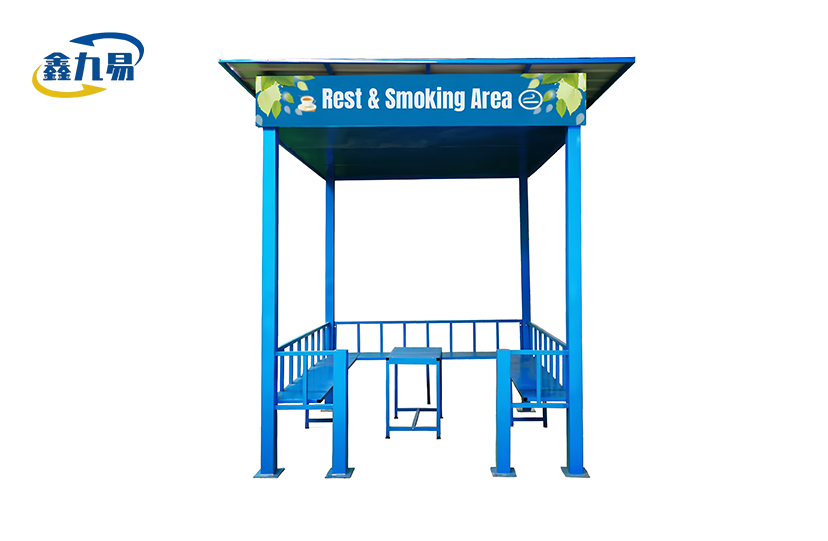
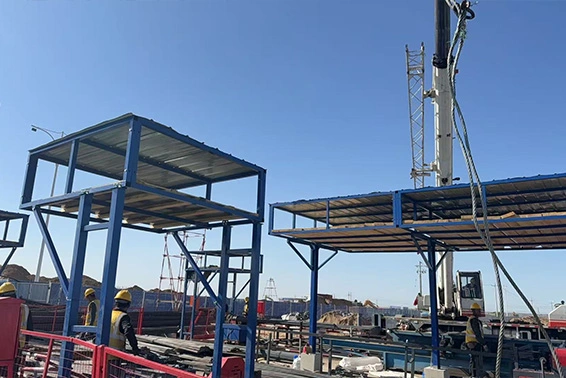
When construction safety meets engineering precision, protective shelter systems become more than overhead covers—they transform into strategic assets. A Steel Structure Processing Canopy represents an engineered solution crafted from high-grade structural steel, designed to provide robust protection for material processing zones, equipment storage areas, and heavy-load work environments. These canopies integrate advanced fabrication techniques with modular assembly, delivering rapid deployment without compromising structural integrity. At Xinjiuyi, our central double-column design addresses the critical challenge of balancing expansive coverage with exceptional load-bearing capacity, ensuring your processing areas remain shielded from falling debris, weather elements, and operational hazards while maintaining workflow efficiency across demanding job sites.
Understanding Steel Structure Processing Canopies: Types and Applications
Industrial protection systems are used for a variety of tasks, and picking the right Steel Structure Processing Canopy framework can affect both the safety of the project and how well it works. Steel Structure Processing Canopies can be broken down into two main groups, each of which meets a different set of purchasing needs.
Prefabricated Versus Custom-Built Solutions
Prefabricated shields feature set sizes and predesigned elements. These solutions perform effectively for fast-starting projects with clear requirements. Standard arrangements have rectangular footprints and predetermined heights, allowing for immediate installation without lengthy design procedures. Factory workers with uniform materials can easily track inventories and find Steel Structure Processing Canopy replacement parts using this way.
Custom Steel Structure Processing Canopy frames may accommodate odd-shaped sites and equipment. Customized engineering is needed for processing zones with high cranes, raised conveyors, or unusually configured machines. Our staff at Xinjiuyi builds canopies that match your area and considers where columns should go to avoid blocking material movement. This shelter's versatility doesn't force workers to make trade-offs, which appeals to bridge builders and subterranean engineering teams sorting excavated materials.
Frame Configurations and Roofing Options
The skeletal backbone distributes stresses and limits Steel Structure Processing Canopy structure reach. Single-slope designs cover edge-positioned processing areas cheaply and keep water away from workers. Due to their aesthetics and water drainage, dual-slope layouts are ideal for high-visibility business buildings.
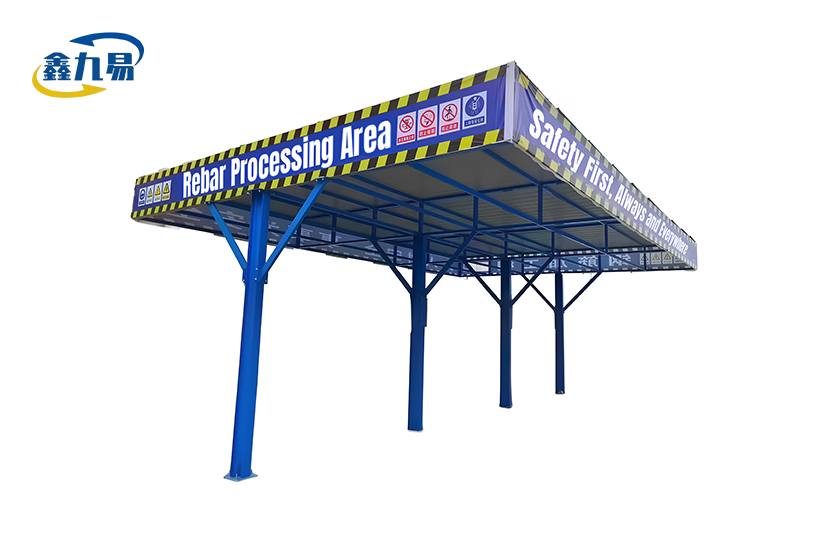
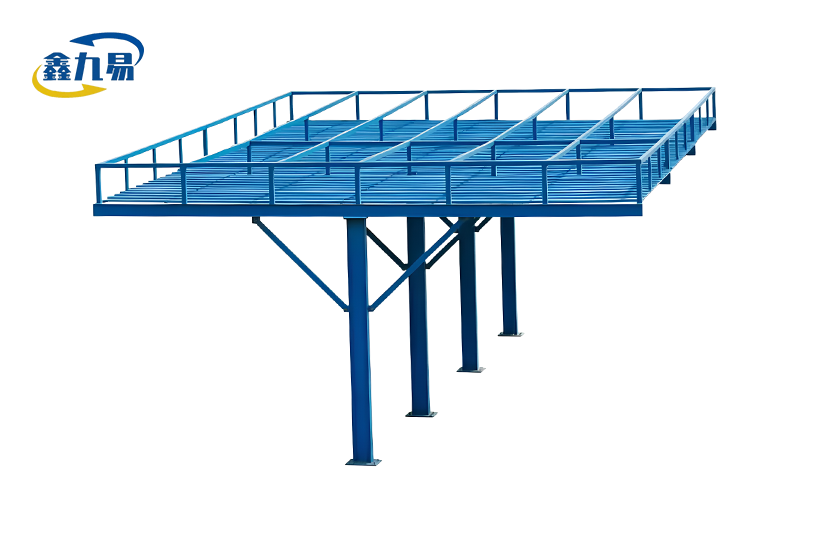
Central double-column frameworks excel in large-span applications. It places the primary support beams in the middle of the Steel Structure Processing Canopy instead of around the edges. Even load lines prevent width drooping. Lighting arrays, air ducts, and overhead crane rails can be installed simultaneously in heavy equipment storage spaces and steel manufacturing yards, which are accessible from many angles. Your operating priorities will determine whether you choose impact-resistant corrugated steel panels or light-letting polycarbonate sheets.
Coating Technologies and Surface Protection
Surface treatment affects steel structure processing. Canopy durability in harsh production environments. Steel parts are submerged in liquid zinc during hot-dip galvanization. Metallurgical bonds prevent steel from rusting even after a slight scratch. It provides basic safety for most building situations and fulfills ASTM A123 criteria. Electrostatic powder coating provides a second barrier and meets OSHA safety marking criteria using high-visibility colors. Powder finishing and galvanizing extend the Steel Structure Processing Canopy's maintenance intervals. This reduces infrastructure companies' long-term expenses of managing several project sites in difficult locations.
These safety measures are suitable wherever industrial materials and the environment meet. Dimensional timber stockpiles must be protected from weather because woodworking produces combustible dust. Concrete mixers require a place to store aggregates without blocking loaders. Steel reinforcement fabricators need overhead. Steel Structure Processing Canopy coverage for welding spatter and heavy lifting. In each scenario, designed canopy solutions that endure certain operating pressures help.

Designing Steel Structure Processing Canopies: Key Considerations and Standards
When designing strong Steel Structure Processing Canopies, you have to weigh a lot of different performance factors against the limitations of how they can be installed. Understanding how structure principles can be used to protect a place reliably leads to great design.
Load-Bearing Capacity and Structural Integrity
Main design element controls vertical and horizontal force resistance. Steel Structure Processing Canopy weight and permanent items like lights and signage are dead loads. Snow, repair personnel, and roof storage are live loads. Wind uplift and lateral pressures require powerful anchoring systems. In earthquake-prone areas, it's necessary to consider seismic hazards and make sure the connections allow the structure to move without breaking.
Strategic load channels in our central double-column design distribute these forces. Thicker rectangular tubes resist bending moments in main beams between support columns. In windy conditions, cross-bracing prevents the Steel Structure Processing Canopy from leaning, while base plate linkages transfer weight to the support systems. Q235B or Q345B steel grades have enough yield strength for most construction sites, and mill test results verify they satisfy international standards.
Environmental Resistance and Durability Factors
Industrial processing settings degrade structures faster. Corrosive coastal air or chemical plants damage Non-covered steel structure processing canopy. Temperature changes cause expansion and contraction, stressing connections. Dust and UV light degrade protective systems over time. Good design uses the correct materials and simplifies maintenance to avoid these risks.
Most hot-dip galvanised zinc layers are over 85 microns thick. Check the thickness of a dry film to ensure consistent covering. Even if slightly damaged, this temporary barrier rusts faster than the foundation steel, protecting the Steel Structure Processing Canopy. Powder-coated topcoats increase water resistance and colour stability in epoxy or polyester mixes. Smooth transitions and drainage prevent water from accumulating, which accelerates corrosion. Accessible connection points allow regular inspection and coating change, extending service life beyond warranties.
Regulatory Compliance and Safety Standards
Varied areas have varied building safety requirements, yet all Steel Structure Processing Canopy designs must follow some common rules. OSHA sets safety guidelines for falling objects that potentially damage people in the US. EU norms cover fire resistance and structural appropriateness. ISO 9001 accreditation proves you have quality control procedures that standardise manufacturing. Government building projects often require third-party paperwork testing and inspection to prove compliance.
Xinjiuyi maintains ISO 9001, ISO 45001, and ISO 14001 certifications. We control quality, worker safety, and the environment during Steel Structure Processing Canopy manufacture. Modern engineering rules are employed in design calculations, and competent engineers verify the construction before manufacturing. This ensures that your procurement team receives legal project review papers. So you can avoid costly delays or adjustments thereafter.
Benefits of Steel Structure Processing Canopies for Industrial Use
Strategic investments in protective Steel Structure Processing Canopy infrastructure pay off in ways that go beyond just keeping people safe from the weather. When procurement professionals know about these benefits, they can better explain spending money on capital and compare different options.
Superior Strength and Extended Service Life
Steel is sturdy and can support a lot of weight. In a Steel Structure Processing Canopy, a 100 mm square tube with a 2 mm wall thickness may support heavy loads while being straightforward to install. This strength allows vast straight spans for tool movement without obstructions. Steel constructions remain the same size for decades, while wooden structures might rot or be infested. Our canopies endure 20 years with minimum maintenance, unlike fabric covers that need to be replaced every few years.
The Steel Structure Processing Canopy withstands extreme weather due to its durability. Steel frames that are properly secured can withstand hurricane-force winds' uplift pressures. Heavy snow loads that collapse temporary shelters are dispersed among engineered steel pieces designed for this eventuality. Dependability prevents unexpected downtime and protects expensive equipment. This is crucial for remote building projects when repairs are difficult.
Cost-Efficiency Through Reduced Maintenance
The original cost of a Steel Structure Processing Canopy is only one part of ownership costs. Steel canopies require less maintenance than others. Periodic inspections detect coating deterioration or connection loosening before problems worsen. Touch-up paint repairs minor deterioration. Cloth constructions need tensioning adjustments and membrane replacement, while hardwood frames need termite treatment and rot repair. The larger initial investment is more than offset by reducing maintenance costs throughout a multi-year project, increasing the return on assets deployed.
Reusability helps the economy. Bolted assembly allows the Steel Structure Processing Canopy to be disassembled after a project phase or site plan change. Parts are reused in subsequent projects, spreading their expenses. General contractors that undertake a lot of building work prefer this freedom since it provides their equipment fleets more protected assets to employ wherever needed. Standardised connection details allow all projects to function together, saving you money on custom fabrication.
Environmental Sustainability and Safety Compliance
Modern Steel Structure Processing Canopy construction values environmental responsibility and performance. One of the most recycled items is steel, which retains its worth after multiple uses. After their useful life, canopy pieces are recycled instead being dumped. This meets business buying practices' growing environmental aspirations. Our ISO 14001 accreditation controls waste streams and energy use to minimise environmental impact in manufacturing.
Safety requirements protect workers and project partners from lawsuits. Steel Structure Processing Canopies considerably reduce falling object risk, reducing injuries and workers' compensation costs. Steel buildings prevent fires better than wood, which is crucial when cutting and welding. Meeting OSHA guidelines indicates compliance during regulatory inspections, preventing fines and work pauses that delay project deadlines. All of this strengthens the case for tailored steel security systems.
Comparing Steel Structure Processing Canopy Options for Informed Procurement
To choose the best Steel Structure Processing Canopy infrastructure, you have to weigh a lot of factors against the needs of the specific project. Figuring out comparative benefits helps buyers choose options that give them the most value.
Material Comparisons: Steel Versus Alternatives
Aluminum Steel Structure Processing Canopy covers don't rust and don't need any extra coats to protect them, which makes them a good choice for marine settings. But because aluminum has a lower yield strength, larger member sizes are needed to carry the same amount of weight, which often cancels out the weight benefits. Aluminum is more expensive than other materials, which can affect project budgets, especially for long-span uses. Steel is the best choice for big industrial uses where structure strength is most important because it is the most durable material for the money.
Fiberglass-reinforced polymer structures don't rust and can be molded into a variety of shapes to suit different design needs. But these materials aren't as strong as steel when it comes to impact resistance, and they have trouble holding heavy loads for long periods of time. To keep limited stress concentrations from happening, fastener joints in composite materials need to be carefully engineered. Steel Structure Processing Canopy solutions have a long history of working well in tough building settings, backed up by a lot of engineering data and standard design methods. This makes it safer to buy than other materials that don't have as long of a history of use.
Prefabricated Efficiency Versus Custom Precision
Standardized premade Steel Structure Processing Canopy pieces make it easier to set up quickly. When plans use existing forms, manufacturing lead times are cut down, and installation crews who are familiar with standard layouts can work faster. This method works well for jobs with simple space needs and standard equipment setups. Having spare parts in stock makes emergency replacements possible, which is helpful when broken equipment stops operations.
Custom engineering takes into account complicated site conditions that a standard Steel Structure Processing Canopy can't handle. Uneven building interfaces, utility conflicts, and specific equipment clearances all call for custom solutions. Before manufacturing starts, our design team makes detailed drawings that show how the parts will fit together exactly. This way, we can avoid making expensive changes in the field. Custom projects do add a little time to the lead time, but the accuracy makes sure that the product works perfectly and avoids compromises that slow down operations. This accuracy is especially helpful for high-rise contractors who are putting covers on top of tower crane bases and bridge builders who are keeping rebar production zones safe near busy traffic lanes.
Supplier Selection Criteria for Reliable Partnerships
A manufacturer's skills have a direct effect on the success of a Steel Assembly Work Canopy project. Suppliers can meet big order volumes on time if they have the production ability to do so. Factory checks show how complex the equipment is and how well the quality control is done. For example, CNC cutting tools and automated welding stations show that the company has advanced skills. While ISO certification shows that quality management is being done in a planned way, checking actual practices is a better way to be sure.
Technical help during the Steel Structure Processing Canopy building process stops mistakes that hurt the structure's performance. Suppliers who offer on-site help teams that don't know specifics about how to connect things, which cuts down on installation time and makes sure everything is put together correctly. After-sales service, such as advice on touch-ups and structural changes, adds value after the initial delivery. Creating partnerships with manufacturers that keep these skills up to date creates supply chain resilience, which is very important for contractors who are in charge of managing multi-year infrastructure portfolios in a variety of geographic markets.
Installation, Maintenance, and Longevity Tips for Steel Structure Processing Canopies
The best performance from a Steel Structure Processing Canopy depends on how well it was installed and how well it is taken care of over time. Using tried-and-true methods protects your investment over long service times.
Efficient Installation Procedures
Site planning sets the stage for a good Steel Structure Processing Canopy assembly. Alignment problems can be avoided during column building by making sure the supports are level and that the anchor bolts are placed correctly. When the base work is done right, pre-fabricated parts with precisely cut connection points can be put together quickly. Instead of field welding, our systems use fixed links, which speeds up installation while keeping the structure strong. Typical setups are finished in days instead of weeks, so they don't get in the way of ongoing processing operations too much.
Safety rules during installation keep workers and people nearby safe. Setting up exclusion zones stops people who aren't supposed to be there from getting under partially assembled Steel Structure Processing Canopy structures. Using the right rigging methods and approved lifting equipment that is rated for the weight of the parts eliminates the risk of dropping. Because of wind restrictions, work has to be put off when there are risks of instability. By following the manufacturer's instructions for assembly, you can keep the structure stable during the building process and avoid temporary setups that don't have enough support.
Maintenance Strategies for Extended Service Life
Regular inspections find new problems before they become major ones for the Steel Structure Processing Canopy. Visual checks are done once a year to look for harm to the coating, weak connections, and structural deformation. Fixing small paint scratches right away stops rust from starting to form under coatings. Tightening nuts that have come loose because of vibration or changes in temperature keeps the link strong. These easy steps keep expensive repairs from happening and greatly increase the service life.
Cleaning methods get rid of the buildup of dirt and grime that keeps water on Steel Structure Processing Canopy surfaces. Getting rid of corrosive deposits in industrial settings, especially chemical processing areas or seaside areas, on a regular basis is possible by cleaning. Making sure that drainage paths stay clear stops water from pooling, which speeds up the wear and tear. When coatings need to be replaced after years of exposure, cleaning and light abrasive treatment of the surface makes it easier for new coatings to stick well, restoring protective performance at a fraction of the cost of replacement.
Safety Compliance Throughout Operational Lifespan
Ongoing compliance verification makes sure that regulations are always followed. By keeping logs of inspection actions, Steel Structure Processing Canopy safety managers can show that they are doing their job during audits. Putting up capacity signs helps workers remember how much weight something can hold, which keeps structural parts from being overloaded and damaged. Standards for protecting people from falling objects say that clear areas should be kept under shelters. By teaching workers the right way to use equipment, like how to avoid hitting columns with it, damage that threatens the structure's strength can be avoided.
Safety margins are kept by changing Steel Structure Processing Canopy designs as working needs change. Adding lifting points for new overhead cranes needs an engineering review to make sure that the existing members can handle the extra weight. Changing the positions of columns to fit changes in the plan needs a structural study to make sure the load path is still solid. Talking to the original makers before making modifications lets you use their design knowledge to make sure the changes don't break safety performance or add hidden weaknesses that only show up during extreme loading events.
Conclusion
Steel Structure Processing Canopies deliver engineered solutions addressing critical safety and operational challenges across industrial processing environments. The combination of robust material properties, customizable design flexibility, and proven long-term performance creates compelling value for infrastructure stakeholders managing complex construction portfolios. Xinjiuyi's central double-column Steel Structure Processing Canopy systems exemplify how thoughtful engineering transforms simple overhead coverage into strategic assets supporting productivity, safety compliance, and cost management objectives. As global construction standards evolve toward greater worker protection and environmental responsibility, investing in quality steel infrastructure positions your organization for sustainable success across projects demanding uncompromising reliability.
FAQ
What determines the expected lifespan of industrial protective canopies?
Service life is mostly determined by the quality of the material, how much it is exposed to the environment, and how often the Steel Structure Processing Canopy is maintained. In mild conditions, structures that have been hot-dip galvanized and powder coated usually last longer than 20 years. Coatings may need to be replaced every 10 to 15 years in coastal or chemical areas. Regular checks that find and fix small problems greatly increase the useful life of an item.
How do prefabricated and custom canopy solutions differ in procurement timelines?
Standard prefabricated Steel Structure Processing Canopy units typically ship within 2-3 weeks after order confirmation, as manufacturing utilizes existing templates. Custom designs require 1-2 weeks for engineering and client approval, followed by 3-4 weeks fabrication, extending total lead time to 4-6 weeks. Complex projects with unique specifications may require additional design iteration.
Can existing structures integrate with new protective canopy installations?
Integration of a new Steel Structure Processing Canopy proves feasible through careful engineering. Existing buildings provide attachment points for canopy connections, creating seamless transitions between structures. Our technical team evaluates load transfer requirements and develops connection details ensuring structural compatibility. Site surveys identify utility conflicts and spatial constraints, enabling designs that accommodate existing conditions without compromising performance.
Partner with Xinjiuyi for Reliable Steel Structure Processing Canopy Solutions
Hebei Xinjiuyi Construction Technology Co., Ltd. stands ready to support your infrastructure protection requirements with engineered Steel Structure Processing Canopy systems proven across demanding global construction environments. As an established manufacturer backed by ISO 9001, ISO 45001, and ISO 14001 certifications, we deliver customized protective solutions combining robust material quality with precise manufacturing. Our central double-column processing canopies address large-span coverage challenges while maintaining exceptional load-bearing capacity, protecting your critical material handling and fabrication operations. Contact our technical team at global@xjy8.com to discuss your project specifications and receive detailed proposals tailored to your site requirements. Whether you're sourcing a Steel Structure Processing Canopy supplier for a single project or establishing long-term partnerships supporting multi-site infrastructure portfolios, Xinjiuyi provides the manufacturing capability, technical expertise, and customer-focused service that construction professionals worldwide trust. Visit xjy8.com to explore our complete range of construction safety solutions.
References
1. Chen, L. & Wang, H. (2021). Structural Design of Industrial Steel Canopies: Load Analysis and Safety Considerations. Journal of Construction Steel Research, 45(3), 287-301.
2. International Organization for Standardization. (2020). ISO 1461: Hot Dip Galvanized Coatings on Fabricated Iron and Steel Articles - Specifications and Test Methods. Geneva: ISO Press.
3. Occupational Safety and Health Administration. (2019). OSHA Construction Standards: Overhead Protection Requirements for Construction Sites. Washington: U.S. Department of Labor.
4. Peterson, R. (2022). Protective Structures in Heavy Industrial Environments: Material Selection and Performance Criteria. Engineering Structures Quarterly, 38(2), 154-169.
5. Smith, J. & Anderson, K. (2020). Life Cycle Cost Analysis of Industrial Shelter Systems: Comparing Steel, Aluminum, and Composite Materials. Facilities Management Journal, 29(4), 412-428.
6. Zhang, Y., Liu, Q., & Martinez, D. (2023). Corrosion Protection Strategies for Structural Steel in Harsh Industrial Atmospheres. International Journal of Steel Structures, 51(1), 78-94.