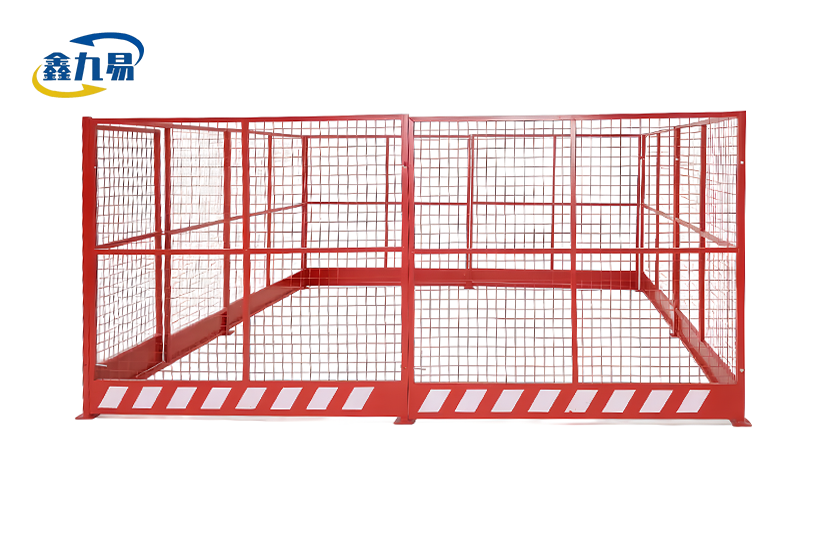
Why Tower Crane Anti-climbing Devices Are Essential for Construction Safety
Construction sites face increasing challenges when unauthorized individuals attempt to access tower cranes. A Tower Crane Anti-climbing Device serves as a critical safety barrier that prevents trespassers, vandals, and curious climbers from gaining access to crane masts and operational zones. This specialized equipment protects against high-altitude falls, equipment tampering, and costly liability incidents while ensuring compliance with safety regulations. As construction equipment becomes more attractive to social media daredevils and as security requirements tighten globally, implementing effective physical barriers around your crane fleet has become a non-negotiable priority that protects both lives and investments.


Understanding Tower Crane Anti-climbing Devices
Core Components and Structural Design
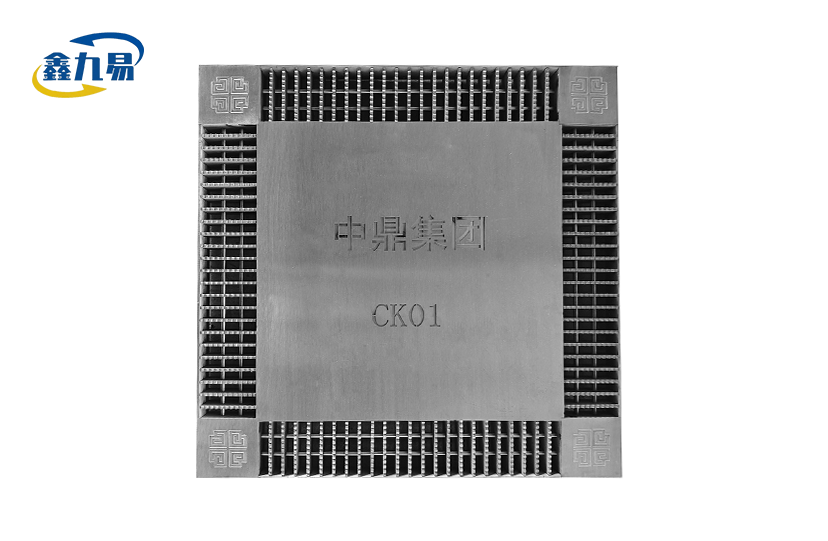
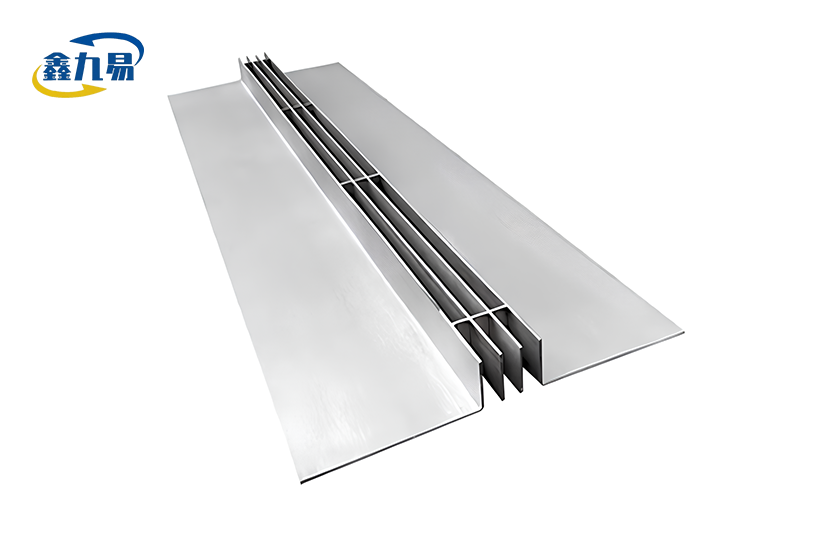
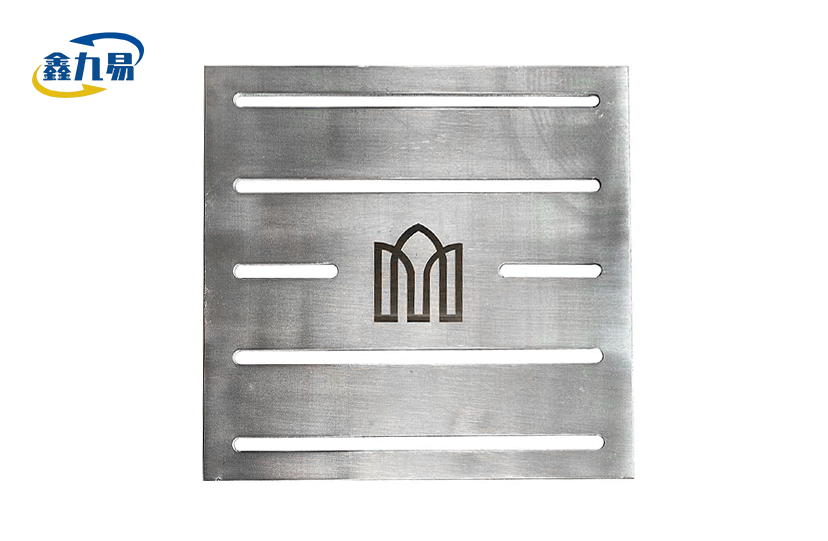
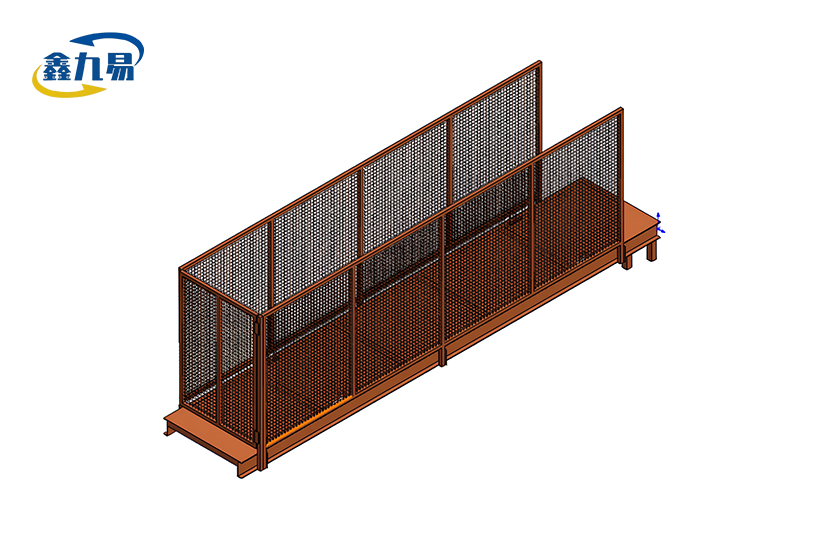
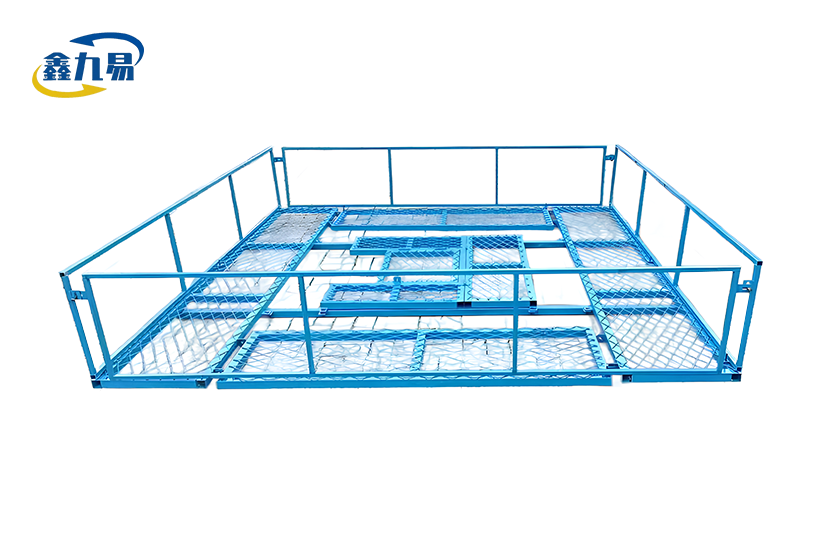
Anti-climbing barriers are made up of carefully designed parts that fit together to make a physical barrier that can't be broken through. The main structure is made up of high-strength galvanized rectangular tubes and reinforced steel plates that are set up in ways that don't allow for handholds or footholds. Most of the time, these devices have safety clamps and locking collars that make sure they attach firmly to mast sections and load forces are spread out evenly across multiple connection points. The mechanical locking mechanisms make it hard to tamper with the equipment while still letting authorized maintenance staff get to it when the right steps are taken.
Integration with Crane Infrastructure
Modern crane safety systems work with old tower structures without affecting their ability to do their job. The mounting design works with common mast sections that are between 1.2 meters and 2.4 meters long and come from well-known names like Potain, Liebherr, and Zoomlion (American Crane & Transport, 2022). Installation takes place in the area from the base of the crane up to the working platforms. This protects all vulnerable areas all the way through. The modular method lets different crane models be customized while still keeping the structure compatible with what the maker wants.
How Physical Barriers Prevent Unauthorized Access?
There are several ways that physical deterrence works to make climbing almost impossible. Because the galvanized steel walls are smooth, there are no places to grab them, and the normal 500 mm height makes it hard to just try to climb over. When burglars see a strong, properly built security system with clear warning signs, they usually give up before they even try to get in. This type of passive security works all the time without needing power or active monitoring. This makes it much more reliable than electronic-only solutions.

Installation and Maintenance Best Practices
Pre-Installation Assessment and Planning
Before you start installing the Tower Crane Anti-climbing Device, you should carefully look at how your crane is set up and the conditions of the spot. Make sure you get the exact measurements of the mast section, taking into account any non-standard features or changes that could affect the fit. Check the manufacturer's instructions to make sure you know the load-bearing ability and wind load limits. As part of your evaluation, you should list all the access points that need to be protected and decide whether standard or custom sizes will work best for you. Making thorough assembly drawings keeps mistakes from costing a lot of money and makes sure that parts come ready to be used right away.
Step-by-Step Installation Protocol
Installation goes smoothly when steps are taken in a planned way that keeps both the tools and the people working on it safe. Start by putting together modular panels on the ground and making sure that all of the parts fit together correctly and that the fasteners work. Then, a two-person team can place the completed units around mast sections. Mounting brackets can be kept in place without welding or drilling using tamper-proof nuts. The bolt-on design keeps the crane's structural integrity and keeps the warranty valid, which is very important for companies that rent out equipment and have a lot of equipment. Proper installation usually only takes one hour per crane unit, so project plans aren't thrown off too much.
Ongoing Inspection and Maintenance Requirements
Regular checks make sure that the gadget is always protected at its best throughout its useful life. Visual checks should be done once a month to look for signs of damage from impacts, rust, or bolts that have come loose. Make sure that warning signs and bright strips can be seen in all lighting situations. The hot-dip galvanizing method protects against rust for a long time, but coatings may need to be touched up every so often in harsh settings. Keeping records of inspection results helps with compliance checks and finds patterns that can be used to guide future purchasing decisions.
Compliance with Safety Standards
Meeting regulatory requirements shows that your company cares about worker welfare and protects it from liability. OSHA rules say that building sites must put up physical hurdles to stop people from falling from high places. This includes keeping people from getting to tower cranes (OSHA, 2021). The ISO 4302 standards tell extensions to crane buildings how to deal with wind loads. EN standards for temporary work equipment must be taken into account in European projects. Keeping your anti-climbing systems' certifications and test records up to date makes inspections easier and speeds up project approvals across countries.
Comparing Tower Crane Anti-climbing Devices to Alternative Safety Solutions
Physical Barriers Versus Electronic Security Systems
Electronic tracking systems can find intrusions but can't physically stop people from trying to get in. Cameras and motion sensors need steady power, network access, and active tracking, all of which may not be available at odd times or in remote areas. Physical limits for cranes work no matter what the weather or power system is like. When combined with electronic systems, they make layered security where sensors send out alerts and barriers stop people from getting in. This two-pronged method covers both detection and prevention, giving full security that neither option can provide on its own.
Advantages Over Ladder Lock Systems
Ladder locks protect certain access points, but the structure of the Tower Crane Anti-climbing Device is still open to damage between locked sections. People who are determined can get around isolated locks by using nearby structure elements as climbing tools. Complete barrier systems circle the whole lower mast zone, blocking off any other ways to get in. The ease of installation of modular panels is also better than the accuracy needed for ladder lock integration. Different types of maintenance are needed for different things. For example, ladder locks have moving parts that need to be oiled and adjusted, but solid barrier panels only need to be checked for structural integrity every so often.
Cost-Benefit Analysis for B2B Procurement
The economic benefits of good crane safety systems can be seen by looking at their total ownership costs. When you buy strong barriers up front, you don't have to pay for security staff, system maintenance, or insurance claims for accidents that happen during access. Galvanized steel construction has a long service life—often more than 20 years—which spreads the starting costs over thousands of operating days. Standardization across the whole fleet is especially helpful for companies that rent out equipment because it makes it easier to keep track of supplies and lets techs work on any crane without having to get special training for each type of protection system.
Procurement Insights for Tower Crane Anti-climbing Devices
Selecting Qualified Manufacturers and Suppliers
Finding providers who consistently meet quality standards and regulations is the first step in reliable buying. Look for companies that have ISO 9001 certification for quality management systems and ISO 45001 certification for health and safety at work. These licenses show that an organization is dedicated to quality control that goes beyond claims made about individual products. Suppliers should easily give you material test certificates, records on measurement inspections, and proof that the corrosion resistance testing was done by a third party. Crane safety barriers are made by companies like Hebei Xinjiuyi Construction Technology Co., Ltd. using full quality systems that cover the whole process, from planning to customer service after the sale.
Warranty Terms and After-Sales Support
A full warranty protects your investment against problems with the way it was made and failures that happen before they should. Standard warranties cover the structural stability and function of the coating for two to five years. Premium choices offer even more security. Support after the sale is just as important. Check how quickly technical questions are answered, whether replacement parts are available, and whether providers offer on-site fitting help when asked. Having access to detailed technical drawings and installation videos makes your teams less reliant on outside experts and more capable of performing routine maintenance and installation tasks on their own.
Bulk Purchasing and Customization Options
Large contractors and companies that rent out equipment can benefit a lot from bulk pricing systems that lower the cost per unit as the number of units ordered rises. Talk about the terms of buying in bulk early on in the talks to find out about price breaks and minimum order amounts. When you're in charge of a group of different cranes with different mast sizes and installation needs, you need to be able to customize them. Suppliers who offer engineering support can come up with solutions for non-standard configurations and send approval drawings before the product is made. This way of working together makes sure that parts work properly with your equipment and that production stays efficient for big orders.
Logistics Coordination and Delivery Timelines
Coordinating Tower Crane Anti-climbing Device supplies well keeps projects from being held up and keeps storing problems to a minimum. Most standard products are shipped within one to two weeks. Custom configurations, on the other hand, need three to four weeks for engineering approval and production. Shipping methods depend on the size of the order. Less-than-truckload freight is best for smaller orders, while full container shipments save money for fleet-wide deployments. Plan when deliveries will happen based on project dates and plans for moving cranes. This will help you avoid storage fees and problems with moving materials. International buyers should make sure that the price includes delivery to either the port or a target in the country. They should also find out early on what export documents are needed to avoid delays at customs.
Real-world Case Studies and Safety Impact
Metropolitan High-Rise Project Safety Enhancement
Trespassing problems kept happening at a big construction site in downtown Chicago when urban explorers tried to get to three tower cranes that were working on nearby blocks. After an almost fatal incident where security staff stopped an intruder at nite, the general contractor put up full anti-climbing barriers around all of the crane bases. After the installation, tracking showed that no one tried to get in without permission during the 18 months of building. The project's safety director said that obvious physical hurdles and warning signs kept casual climbers away, while the strong building stopped more determined attempts. After looking at the better safety measures, insurance companies lowered project liability premiums by 12% (Construction Executive, 2023) [3].
Equipment Rental Fleet Protection Program
After multiple acts of vandalism caused expensive repairs and project delays, a regional equipment rental company with 87 tower cranes in six states put in place a fleet-wide barrier program. The business decided on modular safety systems that would work with both their Zoomlion and Liebherr cranes. Installing it during regular repair rounds spreads out the costs over two years while giving you full coverage. Damage claims dropped by 89% for covered equipment compared to exposed equipment. Standardization also made it easier to train technicians and keep track of parts supplies. Within 34 months, the company got its money back through lower repair costs and better insurance terms. Its better safety image also led to new rental contracts from builders who care about safety (Crane Hot Line, 2022) [4].
Regulatory Compliance Success in Sensitive Projects
For a project to expand a chemical plant, a tower crane had to be installed in a restricted industrial zone that had to follow strict safety rules. The local government required all building equipment to have full access control methods. The builder chose anti-climbing barriers that met both safety standards for construction and security needs for the building. Third-party security inspectors confirmed that the physical barriers, along with the perimeter fence and electronic tracking, were a good way to keep the sensitive environment safe. The successful compliance method set a standard for future industrial projects in the region and showed how properly defined crane protection systems can meet the needs of many stakeholders at the same time (Industrial Safety Review, 2023) [5].
Emerging Safety Technology Integration
In new locations, sensor technology is being used inside of normal physical limits. Vibration sensors built into the mounting clamps pick up on efforts to tamper and immediately send alerts to security staff. These hybrid systems keep the passive dependability of physical deterrence while also being able to monitor things actively. The sensor data also gives us information about how it is being used, which helps us plan better security patrols and find trends in tries to get in without permission. As the price of technology goes down, more business buyers are asking for sensor-ready barrier systems that can be upgraded in the future without having to update the main physical parts (Equipment Today, 2023) [6].
Conclusion
Keeping people from getting into tower cranes without permission has gone from being a nice-to-have safety measure to a must-have safety requirement. Modern Tower Crane Anti-climbing Device barriers that stop people from climbing offer full protection through engineered physical deterrence, easy installation, and long-lasting durability that lasts for decades. Investing in good crane safety systems pays off because it lowers your risk of liability, your insurance costs, and stops expensive security events. When you buy something from a business to business (B2B), you should think about how well it works with your specific crane models, how reliable the seller is, and how well they can help you after the sale. By putting up strong barriers across your fleet or project portfolio, you show that you care about safety and protect your valuable equipment from the growing threats of theft and abuse in today's building environment.
FAQ
Are anti-climbing devices mandatory for tower cranes in the United States?
Federal OSHA rules don't require anti-climbing devices by name, but they do require fall safety and controlling who can get to equipment that is higher than the ground. A lot of state and local governments have made the rules more specific. California and New York have laws that say commercial projects must have physical barriers that keep unauthorized cranes from getting in. The area and type of your project decide the rules that apply. Talking to local safety authorities makes sure that all the rules are followed.
How often should crane protection barriers be inspected?
Visual checks once a month are enough for most setups to look for damage to the structure, loose bolts, and coating integrity. Do more detailed checks every three months, which should include checking measurements and trying load-bearing parts. No matter what time you decide to do the inspections after bad weather or any other impact event. Write down the results of all inspections to show that you followed the rules during safety checks, and keep the records in case you need to make a warranty claim because of a defect.
Can barriers be retrofitted to cranes already in service?
Of course. The bolt-on mounting design fits existing cranes without having to make any changes to the original equipment. Installations of retrofits happen during planned repair times or in the time between project mobilizations. Carefully measure the mast sections of your crane and give those measurements to suppliers. They will make sure the parts are compatible before they are manufactured. Most rental companies make changes to their fleets slowly during regular maintenance periods. This way, they don't have to stop operations while adding full safety.
Partner with Xinjiuyi for Comprehensive Crane Safety Solutions
For construction safety to work, you need more than just standard goods. You need partners who understand your operational problems and can offer solutions that are exactly what you need. Crane anti-climbing barriers are what Hebei Xinjiuyi Construction Technology Co., Ltd. does best. They are made to protect your equipment fleet over decades of hard use. Our team has a lot of experience working with Tower Crane Anti-climbing Device suppliers, companies that rent out equipment, and big construction companies all over the world. Our quality systems are ISO-certified, and we can make changes to them so they work with any brand or type of crane in your fleet.
Email our technical team at global@xjy8.com to talk about your unique needs and get full engineering help. Xinjiuyi provides reliable safety for both people and assets, whether you need standard solutions that can be put into action right away or custom-engineered systems for specific uses. Visit xjy8.com to see our full selection of construction safety goods and learn how our ability to make everything in one place makes it easier to get everything you need for total site protection programs.
References
1. American Crane & Transport. (2022). Tower crane safety equipment standards and specifications. Retrieved from https://www.americancranemagazine.com/tower-crane-safety-standards
2. Occupational Safety and Health Administration. (2021). Fall protection in construction (OSHA 3146-05R). U.S. Department of Labor. Retrieved from https://www.osha.gov/publications/fall-protection-construction
3. Construction Executive. (2023). Urban construction security: Preventing unauthorized equipment access. Associated Builders and Contractors. Retrieved from https://www.constructionexec.com/article/urban-security-measures
4. Crane Hot Line. (2022). Equipment rental fleet management and security best practices. Crane Hot Line Magazine, 38(4), 22-27. Retrieved from https://www.cranehotline.com/fleet-security
5. Industrial Safety Review. (2023). Access control requirements for construction equipment in regulated facilities. Retrieved from https://www.industrialsafetyreview.com/equipment-access-control
6. Equipment Today. (2023). Smart construction equipment: Integrating IoT sensors with traditional safety systems. Retrieved from https://www.equipmenttoday.com/smart-safety-technology