How to Choose Tower Crane Anti-Climbing Safety Devices and Gangways
Choosing the right tower crane access and anti-climbing protection systems isn't just about checking boxes—it's about protecting lives and ensuring your project meets rigorous safety standards. A properly designed Tower Crane Access Gangway provides operators with a secure, weather-resistant passage between building structures and crane cabs, dramatically reducing fall risks during shift changes and emergency evacuations. When you pair these access solutions with effective anti-climbing barriers, you create a comprehensive safety perimeter that prevents unauthorized access while facilitating compliant, efficient crane operations. This guide walks procurement managers, safety officers, and project engineers through the critical selection factors that separate adequate solutions from exceptional ones.
Understanding Tower Crane Anti-Climbing Safety Devices and Gangways
Every construction site has the same problem: how do we keep workers safe from falling while also keeping unauthorized people from getting to dangerous equipment that is high up? Both of these issues are dealt with at the same time by tower crane safety systems, which include both engineered access platforms and deterrent barriers.
The Dual Purpose of Crane Safety Systems
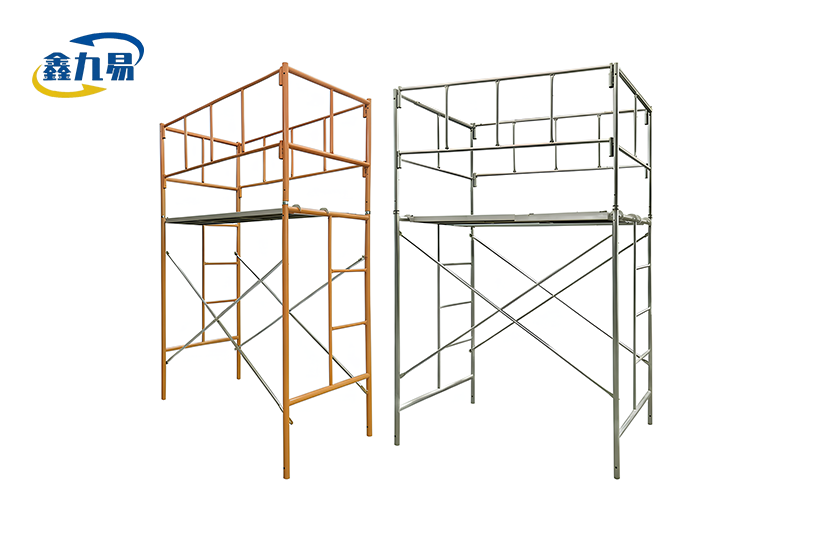
Tower Crane Access Gangways are very important for getting from building floors or structures on the ground to the operating rooms of tower cranes. These walkways need to be able to stand up to wind loads, hold the weight of workers and equipment, and stay stable when the weather is bad. Anti-climbing guards, on the other hand, keep people who aren't trained from trying to climb crane masts, which can cause serious accidents and project risk.
OSHA data shows that falls are still the biggest reason people die on the job in construction, making up about one-third of all deaths in the field. Access systems that are put correctly lower this risk by getting rid of improvised ways to climb and making paths that can be predicted and checked.
Regulatory Standards You Must Consider
International rules set minimum standards for how well crane access equipment must work. Safe access to tower cranes is required by OSHA 1926.1423 which lists guardrail heights, load capacities, and surface treatments. Working scaffolds and access structures are covered by the European standard EN 12811, and tower crane design principles that determine accessory compatibility are covered by ISO 23815.
Compliance isn't just about staying out of trouble—it shows that you're doing your part, which saves your business during insurance claims and court reviews. Manufacturers who follow ISO 9001 quality management and ISO 45001 workplace health standards must have certified tools. This is proof that they care about safety.
Core Criteria for Choosing Tower Crane Access Gangways and Safety Devices
To choose the best crane access option, you have to weigh a lot of technical factors against the conditions of your place and your business's needs.
Essential Safety Features That Cannot Be Compromised
When looking at Tower Crane Anti-climbing Guard, three things are most important for keeping workers safe. The walking surface needs to be non-slip, which can be done with steel grating with raised patterns or checkered plates that have enough texture. Even a small amount of moisture from morning condensation can make situations dangerous if you don't have good footing.
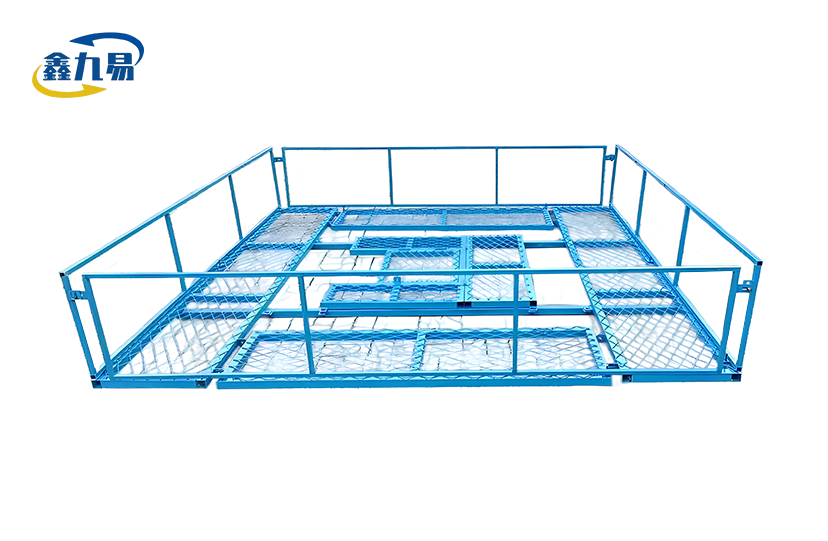
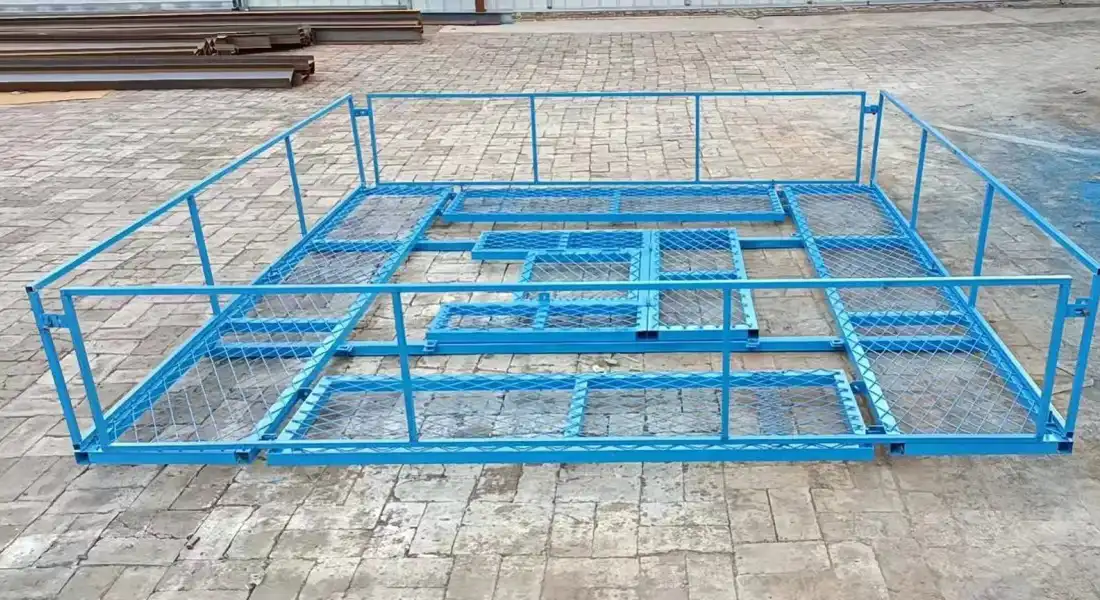
The second thing that can't be changed is the guardrails. Designs that work well have two levels of railings: a top rail that is 1.2 meters high and a mid-level rail that is halfway down. This set-up stops both falls and the dangerous opening that lets workers slip under the barriers. With smooth finishes and welded construction, there are no snag places where clothes or tools could get caught.
Strengthening against sway is the third important part. Wind exposure and operational loads cause tower cranes to move side to side. Access platforms must have diagonal support or tension lines that keep the structure stable even when the crane moves. Without this balance, workers feel uncomfortable motion that makes them more likely to fall and lessens their trust in the equipment.
Material Selection and Longevity Considerations
Professional-grade Tower Crane Access Gangway construction is mostly made of high-strength galvanized steel for good reasons. During the galvanization process, a protective zinc coating is applied. This coating will not rust for 15 to 20 years in normal construction settings, and it will last even longer if powder-coated finishes are added. The main structural parts are usually made of Q355B steel, with rectangular tube shapes that are 50mm × 50mm and walls that are 2.0mm thick. These tubes have a high load-bearing capacity without being too heavy.
Aluminum alloys are an option for projects that need to be portable and can be moved quickly. These lighter materials make installation easier with less heavy moving gear and lower the cost of shipping. On the other hand, the materials are more expensive and the product might not last as long in harsh chemical or marine environments because aluminum oxidizes faster than galvanized steel.
Compatibility with Your Existing Equipment
Your tower cranes are big expenses, so the Tower Crane Access Gangway equipment needs to fit in perfectly without needing to be changed to the structure. Gangways with adjustable connection points are made by reputable companies that can work with top crane brands like Potain, Liebherr, Zoomlion, and Comansa. Custom adapter plates fill in the gaps between normal gangway fixing points and certain mast section designs.
This benefit of flexibility is amplified by modular design. Modular systems let you change the layout of current parts instead of building whole new access structures when changing cranes or moving equipment from one project to another. This method cuts down on long-term spending costs while keeping safety standards the same for all of your tools.
Comparative Analysis: Selecting the Best Solution for Your Site
Knowing the practical differences between access system designs helps you make smart buying decisions that are in line with your business's needs.
Access Gangways Versus Traditional Ladder Systems
Traditional vertical ladders with cage guards are the standard way to get to a crane. They have small areas and are easy to set up. But they put physical demands on workers that make them tired. This is especially true for older workers or operators who have to carry tools and safety gear. Climbing 30 to 50 meters up and down several times a day raises the risk of damage from both falls and strains.
This experience is changed by Tower Crane Access Gangways that are flat or gently sloped. Workers move along the access road with little effort, keeping their eyes on the situation instead of just focusing on their grip and balance. This means that workers will be able to think more clearly when they get to their desks, which is good for safety in more ways than one. The 800mm platforms are bigger, so they can handle two-way traffic and moving tools that can't be done with ladders.
Fixed Versus Modular Gangway Designs
Permanently welded Tower Crane Access Gangways provide the highest level of structural strength and make quality control easier because every joint is inspected during production, so there are no changes that need to be made during field assembly. These systems work well for long-term installations where the crane positions stay the same during the whole project. The one-piece construction gets rid of any weak spots that could be caused by bolted connections and makes load path analysis easier for engineers to do during reviews.
Modular options put mobility first by using bolt-together pieces that are 4 to 6 meters long. As the building process goes on and crane positions change, you can change the lengths and angles of the gangways without making any new tools. When properly torqued, high-strength Grade 8.8 or 10.9 nuts provide connection stability that is the same as welding. This freedom is very helpful for big projects that need to move cranes more than once or have work that happens in stages over a period of years.
Your project background is what makes the difference. Fixed gangways work best for single-crane residential towers with set plans. However, flexible systems work better for infrastructure projects with bridge pylons or industrial facilities with changing access needs, even tho they cost a little more at first.
Procurement Considerations for B2B Buyers
Finding qualified suppliers and getting good terms are what separates successful buying from mistakes that cost a lot of money and put safety and budgets at risk.
Evaluating Manufacturer Credentials and Reputation
Verification of certification is the first step in choosing a supplier. The ISO 9001 quality management certification shows that production is controlled in a planned way, and the ISO 45001 workplace health standards show that workers are protected throughout the manufacturing process. Instead of believing what someone says, ask for proof. Real certifications have registration numbers that can be checked against other databases.
The manufacturing capacity of suppliers tells you if they can meet your deadlines. Facilities that only make safety equipment have steady output compared to manufacturers that make a lot of different things and treat crane accessories as extras. During site audits or virtual walks, look at the quality of the welding tools, the ability to treat the surface, and the quality control stations that find problems before they are shipped.
Testimonials from customers give information that can't be found in technical specs alone. Talk directly to past buyers who oversaw projects of a similar size and scope in similar settings. Ask specific questions about how providers handled problems that came up during installation or customization, how quickly they responded to technical support requests, and how they made sure that deliveries were made on time.
Cost Optimization Without Compromising Safety
Managing a budget means knowing more about the factors that affect costs than just the base price. Choosing the right material has a big effect on costs. Standard galvanized steel is a great deal, but powder-coated finishes or parts made of stainless steel can raise costs by 15–30%, based on the specs. Check to see if the conditions in your environment call for high-end materials or if standard treatments will do the trick.
The amount of an order gives you negotiating power. When you combine the needs of several projects into one purchase order, you can often save 10–20% compared to buying things one at a time. Long-term supply deals that lock in yearly volumes save even more money and make sure that production gets the most time during busy building seasons.
Customization raises the price of each unit, but it may lower the overall cost of the project by getting rid of the need for field modifications. Most situations can be handled with Tower Crane Access Gangways that are 4, 5, or 6 meters long. But places with strange building layouts benefit from engineered solutions that are made to fit exactly what is needed, even if they cost more at first. When considering standard and custom choices, you should figure out the total cost of installation, which should include work and the rental of tools for making changes in the field.
Installation, Maintenance, and Inspection Best Practices
It doesn't matter how good the equipment is if it isn't installed correctly and maintained in a way that keeps it safe throughout its life.
Step-by-Step Installation Guidelines
Installing a Tower Crane Access Gangway correctly starts before the tools get there. Check the load capacity and dimensions of the structural link points on both the crane mast and the building contact. Get anchor bolts, adapter plates, and lifting gear that are the right size for the gangway's weight, which is usually between 300 and 600 kg based on its length and build.
Keep the lines of communication open between the crane operators, riggers, and installation crews while they are positioning. Place lift gangways at evenly spaced lift points to stop spinning or stress buildup. Carefully line up the mounting frames and make sure that the bolt holes line up without pushing the connections. When alignment is off, stress risers are made that speed up fatigue failure under cyclic loading.
Use calibrated tools to tighten all structure bolts to the manufacturer's specs. Over-tightening can damage the threads or cause the bolt to break, while under-tightening lets the parts move and wear out. Write down the torque values and the inspector's signatures to make quality records of the installation that meet regulatory requirements and are needed for insurance purposes.
Maintenance Schedules That Extend Equipment Life
For busy building sites, maintenance should be done at least every three months. Check the walking surfaces for anti-slip patterns that are worn down. Refinish or repair any parts that have lost a lot of material. Check the links between the guardrails for any signs of damage from impact or wear and tear. Tighten any bolts that show less force, but look into why they moved instead of just retightening them without fixing the problem.
Even tho galvanization is durable, surface coatings need to be checked on from time to time. Fix any scratches or abrasions that leave bare metal showing so that rust doesn't start. Recoating once a year or twice a year greatly extends the service life, especially near the coast where salt air speeds up the breakdown.
Documentation Practices for Regulatory Compliance
Full inspection records keep your business safe during audits and investigations into incidents. Make checklists that cover all the important parts, like the condition of the walking surface, the strength of the guardrails, the links between the structures, the function of the anti-sway system, and the condition of the surface finish. Include photographic proof of the general state and any problems that were found.
Keep service logs that record all maintenance tasks, part replacements, and actions taken to fix problems. This paperwork shows that due diligence was done, showing that safety management was proactive instead of reactive after an event. The retrieval of digital records is easier during governmental inquiries, and they provide past data that can be used to find problems that keep happening and need to be fixed by redesigning the system or changing how it is used.
Conclusion
To choose the right Tower Crane Access Gangways and anti-climbing protection, you need to think carefully about safety features, material durability, regulatory compliance, and how much it will cost in the long run. With the right tools, you can keep your workers safe and make crane operations easier by creating safe, weatherproof paths of access. Procurement managers find solutions that work reliably for longer periods of time by putting structural soundness, compatibility with current equipment, and seller reliability at the top of their list of priorities. Remember that the money you spend on certified, engineered entry systems will pay off over and over again in lower accident risk, regulatory trust, and operating efficiency that cheaper options can't match.
FAQ
What safety features are most critical in tower crane gangways?
Three important safety features are non-slip walking surfaces, dual-level guardrails at 1.2 meters with mid-rails, and anti-sway strengthening. Anti-slip techniques keep your footing when it's wet, and guardrails that are in the right place keep you from falling. Anti-sway methods stop movement caused by wind, keeping the platform stable in bad weather for the Tower Crane Access Gangway.
How do I verify compliance with international safety standards?
Ask the makers for certification paperwork directly from you. This should include ISO 9001 quality management and test results for each product that show it meets OSHA 1926.1423 and EN 12811 standards. Use independent registrar sources to check license numbers. Reliable suppliers don't hesitate to give all the necessary paperwork, but evasive answers could mean that there are gaps in compliance.
Can access gangways be customized for non-standard crane models?
Engineered adapter plates and adjustable connection points make customization possible for almost any crane configuration. Give specifics like the length and width of the mast section, the pattern of the mounting bolts, and the required gangway span. Skilled makers make shop models that need to be approved before they can be made. This makes sure that the parts fit perfectly without any changes being made in the field.
Partner with Xinjiuyi for Certified Tower Crane Access Solutions
To protect your employes, you need to do more than just choose the right tools. You need to work with makers who are dedicated to safety excellence. Hebei Xinjiuyi Construction Technology Co., Ltd. offers engineered Tower Crane Access Gangway systems that are made using ISO 9001, ISO 45001, and ISO 14001 certified methods. These methods guaranty consistent quality and come with full documentation. Our flexible designs work with all major crane brands and come in lengths that can be changed from 4 to 6 meters. They are made of galvanized steel and are guarantyd to last for 15 to 20 years. Get in touch with our technical team at global@xjy8.com to talk about your project needs with experienced Tower Crane Access Gangway suppliers who know how to find the best mix between safety, business efficiency, and cost-effectiveness. We make sure that your access systems work reliably throughout the lifecycle of your project by giving you detailed engineering drawings, discounts for ordering in bulk, and ongoing support.
References
1. American Society of Civil Engineers. (2021). Crane Safety Standards and Best Practices for Construction Sites. ASCE Technical Publication Series.
2. Construction Industry Research and Information Association. (2020). Access Equipment Selection and Management for Tower Crane Operations. CIRIA Guide C785.
3. European Committee for Standardization. (2019). EN 12811: Temporary Works Equipment - Part 3: Load Testing. CEN Technical Standards.
4. Occupational Safety and Health Administration. (2022). Tower Cranes in Construction: Compliance Guide for Access and Fall Protection. U.S. Department of Labor Publication.
5. International Organization for Standardization. (2020). ISO 23815-1: Cranes - Maintenance - Part 1: General Requirements. ISO Technical Committee Standards.
6. National Institute for Occupational Safety and Health. (2021). Preventing Falls from Tower Cranes During Construction Activities. NIOSH Publication No. 2021-116.