How to Choose the Right Light Tower for Construction Sites
Four factors determine which light tower is best for a building site: deployment speed, power configuration, structural durability, and coverage height. In addition to meeting OSHA's standards for visibility, a well-matched transportable lighting unit can withstand wind, rain, and frequent movement while keeping your nite crew operating safely. To ensure that your next purchase adds genuine value on the work site, this guide guides you through every decision point, from light type and mast height to supplier assessment and long-term maintenance.


Understanding Light Towers and Their Key Features
A portable light tower is not just a stick with a bulb on top of it. It is a load-bearing structure that was made to stay stable at high elevation, light up a large area, and last in weather conditions that would kill regular fixtures. Before you can compare models, you need to know what makes one unit different from another.
Portable vs. Fixed Units
Portable units can be moved around a job site by moving the bases that hold them on wheels or trailers. Fixed towers are built to last and can be used in long-term places like highway interchanges or fixed staging yards. Portable towers are a better investment for most construction projects where the work area changes often.
Lamp Technology: LED vs. Metal Halide
The bases that support portable units on wheels or trailers may be moved throughout a construction site. Long-term locations like highway interchanges or permanent staging yards may use fixed towers since they are durable. For the majority of construction projects where the work area is constantly changing, portable towers are a superior investment.
Power Sources
Diesel generators are still the most common choice for remote sites that can't connect to the power grid. Electric light tower work well for projects in cities where shore power is available because they don't produce any pollution and are quieter. Hybrid and solar-assisted types can run for longer periods of time without needing to be refueled and use less fuel, which makes them good for long-term projects in places with enough sunshine.

Core Criteria to Evaluate When Choosing a Light Tower
Being able to choose more accurately starts when you understand the basic groups. The right specification is based on your project schedule, the conditions of the site, and the size of the crew. Before making a buy order, every project manager should think about these main things.
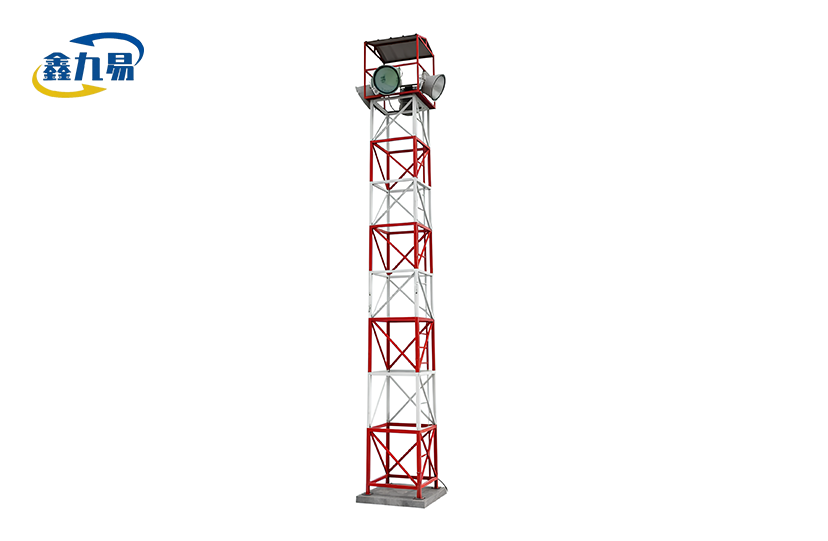
- Mast height and coverage area: For example, a 6-meter mast (normal 6,000 mm height for Xinjiuyi’s units) may often cover a working radius of 15 to 25 meters depending on the wattage of the light and the beam angle. Taller masts minimize the number of units required, but increase the wind strain on the structure.
- Structural stability: The sway at height caused by wind is a real safety threat. Look for towers made of heavy galvanized rectangular tubes braced with angle steel. Column cross section is important A 40 mm x 40 mm column with a uniform thickness wall can hold its own in windy situations while thinner profiles would not.
- Anti-corrosion treatment: Hot-dip galvanization + high-temperature baking paint, giving steel components a double-layer barrier against moisture and oxidation. This is important for coastal locations, high humidity conditions, and any project operating during rainy seasons.
- Full unit configuration: Check precisely what the seller provides—lamp heads, wire harness, generator or power connection and mounting hardware. Ordering a mast without a matching electrical package is a waste of time and increases additional expense.
Height of the mast and area it covers: A 6-meter mast, like the standard 6,000 mm height on Xinjiuyi's units, can usually reach 15 to 25 meters, but this depends on the lamp's wattage and beam angle. Taller masts cut down on the number of units needed, but they make the structure more vulnerable to wind.
Regulatory Compliance
When procurement processes are rushed, two things that are often forgotten are the structure's durability and its full design. If you get these right from the start, you won't have to make expensive changes to the field later on.
Energy Efficiency
OSHA 1926.56 says that construction work in the US must have at least five foot-candles of light in general areas and higher levels for certain tasks. In your active work zones, any tower you buy should help you meet or beat those standards.
Comparing Market Options: Brands and Models Overview
Several familiar brands are serving the North American building lighting industry. Generac and Allmand are noted for their mobile gasoline powered towers with built-in generator frames. Caterpillar’s heavy-duty machines are built to withstand the vibrations and lengthy periods of continuous usage that are common in mining. Terex and Magnum Products are focused on designs that perform effectively on city job sites, using less fuel and creating minimum noise.
Hebei Xinjiuyi Construction Technology Co., Ltd. is a manufacturer of industrial steel tower frames for construction, mining and emergency response. Buyers may make project expenses low by buying direct from the producers. The Xinjiuyi light tower is composed of national standard steel, with a foundation of 600 mm x 600 mm, and a working height of 6,000 mm. The all-steel column design uses 40 mm x 40 mm tubes with a 0.8 mm wall thickness to offer the column the lateral stiffness needed to prevent high-altitude wobble, the No. 1 issue project managers have with cheaper options on the market.
Consider the length of the project if you are deciding between purchasing and renting. Rentals are a suitable choice for one-time assignments of less than four weeks. Contractors that work many overnight shifts on various projects throughout the year, particularly if the equipment is kept in excellent repair throughout these high usage cycles, have a quicker return on ownership.
Practical Tips for Buying and Maintaining Your Light Tower
The purchase order is not the end of the procurement process. How you buy, set up, and take care of your lighting equipment affects how well it works for its whole life.
Sourcing a Trustworthy Supplier
Ask for certifications of the materials, not just pictures of the products. A good light tower maker will give you proof of the steel grade, the thickness of the galvanization, and the standards for the surface finish. For example, Xinjiuyi has ISO 9001, ISO 45001, and ISO 14001 certifications, which means that their production and quality management meet standards that are checked by people all over the world.
Deployment and Positioning
Put towers around the edges of active work areas and angle the lamp heads inward at an angle of about 60 degrees to keep workers from getting too much glare and increase ground-level lux. With wheeled base frames, one person can move a unit in less than ten minutes without any tools on places where work fronts change often.
Ongoing Maintenance
Regular maintenance cuts down on downtime. Check the following things on a daily basis:
- Inspect lifting cables and telescopic sections for wear before each shift
- Grease mast joints monthly to prevent binding during height adjustment
- Examine electrical connections and weatherproof seals after heavy rain
- Check base frame welds for stress cracking after transport over rough terrain
If you follow these easy steps, a well-built tower will last for years. The two-layer anti-corrosion finish used by Xinjiuyi—hot-dip galvanization followed by high-temperature baking paint—makes servicing a lot easier than on units with only one coat.
Conclusion
Choosing the right mobile light tower can affect the safety of the crew, the speed of the project, and the total cost of ownership. Pay attention to the mast height, structural rigidity, anti-corrosion treatment, and full electrical setup. Before you agree, make sure that the claims you've heard are backed up by proof. For teams that work regular night shifts or in tough outdoor conditions, an appropriately sized steel tower from a reputable manufacturer pays for itself many times over.
FAQ
What mast height works best for most construction sites?
A 6-meter mast can reach most general construction tasks, such as paving roads, building shells, and staging areas for materials. Taller masts work best in open mines or on large bridge decks, where they can cover more area and lower the total number of units needed.
Are LED towers worth the higher upfront cost?
Most of the time, yes. Metal halide lights only last 6,000 hours, but LED lamps can last up to 50,000 hours. They also turn on right away, don't need to warm up, and use a lot less power per light. The difference in operating costs more than makes up for the price difference at the start of the project.
Can one tower power multiple lamp heads?
Yes, a lot of professional tower systems can handle two to four lamp heads per mast that are all wired to the same electric source. This setup makes coverage better per unit and cuts down on the number of towers that are needed for a big spot.
How do I prevent rust on an outdoor lighting tower?
You can choose between hot-dip galvanization and a baked enamel or powder-coat finish. Stay away from units that only use spray paint, because that protection wears off after one wet season. Every year, check the welds and cut edges and put touch-up paint on any metal that is showing.
What certifications should a supplier hold?
Quality management is covered by ISO 9001. ISO 45001 talks about health and safety at work in the production plant. For goods that will be exported, ask for proof that the unit meets European safety standards by asking for CE marking paperwork. This is something that many owners of foreign projects also want.
Get a Custom Quote from Xinjiuyi — Trusted Light Tower Manufacturer
Xinjiuyi makes industrial-grade lighting towers that are made to withstand the harsh conditions of real construction sites. These towers are resistant to wind and rust and can be adjusted to fit the exact height and lamp needs of your project. Our team answers quickly with accurate information about your needs and when they will be delivered, whether you need two units for a city road job or a large order to grow your rental fleet. Get a custom price today by emailing us at global@xjy8.com.
References
1. Construction Industry Institute – Safety Performance Report, 2022.
2. Occupational Safety and Health Administration (OSHA) – Construction Industry Standards: 29 CFR 1926.56, 2021.
3. Illuminating Engineering Society (IES) – The Lighting Handbook, 10th Edition, 2011.
4. International Energy Agency (IEA) – Energy Efficiency in Industrial Lighting Systems, 2020.
5. American National Standards Institute (ANSI) – ANSI/IES RP-7: Lighting for Industrial Facilities, 2017.
6. Construction Equipment Magazine – Annual Equipment Buyers' Guide, 2023.